Support our educational content for free when you purchase through links on our site. Learn more
15 Must-Have Fish Tank Accessories & Equipment (2026) 🐠

Ever wondered what truly separates a struggling, algae-ridden fish tank from a vibrant, thriving aquatic masterpiece that brings peace and joy to your home? It’s not just about the fish you choose, but the symphony of fish tank accessories and equipment working in perfect harmony. At Aquarium Music™, we’ve seen countless aquarists transform their tanks from murky mysteries into crystal-clear sanctuaries, simply by understanding and investing in the right gear. From the silent hum of an efficient filter to the gentle glow of intelligent lighting, every component plays a vital role in creating a stable, healthy, and breathtaking underwater world. Ready to unlock the secrets to a truly amazing aquarium? Dive in, because we’re about to reveal the essential tools that will make your aquatic dreams a reality!
Key Takeaways
- Filtration is Paramount: Your filter is the most critical piece of equipment, ensuring pristine water quality and a healthy environment for your fish. Invest in a reliable system (HOB or canister) suited to your tank size.
- Water Quality is Non-Negotiable: Regularly test your water parameters (ammonia, nitrite, nitrate, pH) with a quality test kit. Water conditioners are essential for making tap water safe.
- Temperature Stability Matters: A dependable heater and accurate thermometer are crucial for tropical fish, preventing stress and disease from temperature fluctuations.
- Lighting Fuels Life: Choose appropriate lighting for your tank’s inhabitants – basic LEDs for fish-only, or full-spectrum, programmable LEDs for planted aquariums.
- Maintenance is Key: Essential tools like gravel vacuums, algae scrapers, and nets make routine tank maintenance easy and effective, contributing to long-term success.
- Research Before You Buy: Understand the specific needs of your fish and tank size before purchasing equipment. Quality gear, while a higher initial investment, saves money and heartache in the long run.
👉 Shop Essential Aquarium Gear on:
- Aquarium Filters: Amazon | Chewy | Petco
- Aquarium Heaters: Amazon | Chewy | PetSmart
- Aquarium Lighting: Amazon | Petco | Bulk Reef Supply
- Water Test Kits: Amazon | Chewy | Petco
Table of Contents
- ⚡️ Quick Tips and Facts
- 🌊 The Evolution of Aquatic Habitats: A Journey Through Fish Tank Equipment History
- Why the Right Gear Matters: Beyond Just a Glass Box
- Essential Fish Tank Accessories & Equipment: Your Aquarium’s Core Components
- 1. The Tank Itself: Your Aquatic Canvas
- 2. Filtration Systems: The Lungs of Your Aquarium
- 3. Heaters & Thermometers: Maintaining the Perfect Climate
- 4. Lighting Systems: Illuminating Life & Growth
- 5. Substrate: The Foundation of Your Underwater World
- 6. Water Conditioners & Test Kits: The Science of Water Quality
- 7. Air Pumps & Air Stones: Boosting Oxygen & Aesthetics
- 8. Aquarium Stands & Canopies: Support & Style
- Diving Deeper: Advanced Fish Tank Accessories for the Enthusiast
- 9. CO2 Systems: For Lush Planted Aquariums
- 10. Automatic Feeders: Convenience for Busy Aquarists
- 11. UV Sterilizers: Battling Algae & Pathogens
- 12. Wave Makers & Powerheads: Creating Dynamic Currents
- 13. Protein Skimmers: Essential for Saltwater Clarity
- 14. Refugiums & Algae Scrubbers: Natural Filtration Powerhouses
- 15. Dosing Pumps: Precision for Reef Tanks
- Aquascaping Essentials: Decorating Your Underwater Masterpiece
- Maintenance Must-Haves: Keeping Your Aquarium Pristine
- Choosing the Right Gear: A Guide for Every Aquarist
- Our Team’s Top Picks & Brand Recommendations: Tried, Tested, and True
- Common Pitfalls & How to Avoid Them: Learn from Our Mistakes (So You Don’t Have To!)
- Budgeting for Your Aquatic Dream: Smart Spending on Aquarium Gear
- DIY vs. Store-Bought: When to Roll Up Your Sleeves
- The Future of Fish Keeping: Emerging Technologies in Aquarium Equipment
- Conclusion: Your Journey to an Amazing Aquarium Starts Here
- Recommended Links: Dive Deeper with Our Curated Resources
- FAQ: Your Burning Questions Answered
- Reference Links: Our Sources & Further Reading
Body
⚡️ Quick Tips and Facts
Welcome, fellow aquarists! At Aquarium Music™, we believe that a thriving aquatic habitat is a symphony of carefully chosen components. Before we dive deep into the fascinating world of fish tank accessories and equipment, here are some rapid-fire insights to get your fins wet:
- Filtration is King (or Queen!): Your filter is the unsung hero, tirelessly cleaning the water. Never skimp on filtration! It’s the single most important piece of equipment for maintaining pristine water quality and preventing common issues like cloudy water or fish disease.
- Water Parameters are Paramount: You’re not just keeping fish; you’re keeping water! As AquaShack wisely puts it, “You’re not a fish keeper, you’re a water keeper.” Regularly testing your water for ammonia, nitrite, nitrate, and pH is non-negotiable for fish health and a stable aquarium ecosystem.
- Size Matters: The size of your fish tank dictates everything from the types of fish you can keep to the equipment you’ll need. For a comprehensive guide, check out our article on Fish Tank Size and Capacity: The Ultimate Guide to Perfect Aquariums (2026) 🐠.
- Redundancy is Your Friend: Ever had a heater fail on a cold night? Or an air pump sputter out? Having spare essential equipment like an air pump or heater can literally be the difference between life and death for your aquatic friends. The first YouTube video we’ve seen on this topic highlights this perfectly, stating, “A spare air pump could be the difference between everything being okay or a tank full of dead fish.”
- Research Before You Buy: Don’t get swept away by flashy packaging! Understand what your specific fish species and tank size require before investing in aquarium supplies.
- Patience, Young Grasshopper: Establishing a new aquarium takes time. The nitrogen cycle is a crucial biological process that needs to complete before adding fish. Essential water conditioners and a reliable test kit are your best friends during this period.
- Maintenance is Key: Regular aquarium maintenance isn’t a chore; it’s a ritual. Weekly water changes, filter cleaning, and algae scraping keep your tank sparkling and your inhabitants happy.
🌊 The Evolution of Aquatic Habitats: A Journey Through Fish Tank Equipment History
Cast your mind back, way back, to the days before sleek LED lights and silent canister filters. For centuries, humans have been fascinated by aquatic life, but early “aquariums” were often little more than glass bowls or rudimentary ponds. The journey of aquarium technology is a testament to human ingenuity and our ever-growing desire to bring a slice of the ocean or a tranquil river into our homes.
In the mid-19th century, the Victorian era saw the true birth of the modern aquarium. Early designs were heavy, iron-framed glass boxes, a far cry from today’s seamless acrylic. Filtration? Non-existent! Water changes were constant, and fish survival rates were, well, let’s just say challenging.
The real game-changers started appearing in the 20th century. The invention of the aquarium heater in the early 1900s allowed for the keeping of tropical fish, opening up a vibrant new world of species. Air pumps and air stones followed, providing much-needed oxygenation. Remember those noisy vibrator pumps? We certainly do!
Then came the filtration revolution. From simple undergravel filters in the 1950s to the development of hang-on-back (HOB) filters and later, the powerful, multi-stage canister filters in the 1970s and 80s, each innovation brought us closer to stable, self-sustaining aquatic environments. Lighting evolved from incandescent bulbs that cooked your water to energy-efficient fluorescents, and now, the dazzling, customizable LED lighting systems that can simulate sunrise and sunset.
The rise of the internet and specialized forums in the late 20th and early 21st centuries accelerated aquarium innovation. Suddenly, knowledge and specialized aquarium supplies were accessible to everyone. This era saw the popularization of protein skimmers for saltwater tanks, CO2 systems for lush planted aquariums, and sophisticated water testing kits that empower hobbyists to become true “water chemists.”
Today, we stand at the precipice of smart aquariums, with automation, remote monitoring, and AI-driven systems becoming increasingly common. It’s been a wild ride, and we’re thrilled to guide you through the best of what this incredible journey has yielded!
Why the Right Gear Matters: Beyond Just a Glass Box
You might be thinking, “It’s just a fish tank, how much gear do I really need?” Oh, my friend, that’s where the magic (and sometimes the heartbreak) begins! At Aquarium Music™, we’ve seen it all – from tanks flourishing with minimal fuss to those struggling despite constant intervention, often due to mismatched or inadequate equipment.
Imagine trying to run a marathon in flip-flops. You could do it, but it wouldn’t be pretty, and you’d likely end up with blisters and regret. The same goes for your aquarium. The right fish tank accessories and equipment aren’t just add-ons; they are the foundational pillars of a healthy, stable, and beautiful aquatic ecosystem.
- Fish Welfare & Health: This is paramount. Proper filtration removes harmful toxins like ammonia and nitrite, preventing stress and disease. A reliable heater maintains stable temperatures, crucial for tropical species. Adequate lighting supports plant growth, which in turn helps oxygenate the water and consume nitrates. Without these, your fish are constantly fighting an uphill battle against poor water quality and environmental stress.
- Tank Stability: A well-equipped tank is a stable tank. Consistent water parameters, good circulation, and efficient waste removal create an environment where beneficial bacteria can thrive, and algae outbreaks are minimized. This means less work for you and a more enjoyable experience for everyone (especially the fish!).
- Aesthetics & Enjoyment: Let’s be honest, a beautiful aquarium is a joy to behold. The right lighting can make your fish’s colors pop and illuminate your aquascaping. Clean water, free from algae and debris, allows you to fully appreciate the underwater world you’ve created. Cheap, noisy equipment can detract from the tranquility an aquarium is meant to provide.
- Long-Term Savings: While initial investment in quality gear might seem higher, it pays dividends in the long run. Durable, efficient equipment breaks down less often, requires fewer replacements, and prevents costly fish losses or disease treatments. As SaltwaterAquarium.com aptly states, “Invest in reliable gear to prevent costly failures.”
We once had a client who insisted on a bargain-bin filter for their new 55-gallon tank. Within weeks, the water was cloudy, fish were gasping, and the smell… well, let’s just say it wasn’t a symphony. A quick upgrade to a properly sized canister filter and a robust water test kit turned that tank around completely. The fish thrived, the water sparkled, and the client became a true believer in the power of quality equipment.
So, as you embark on this aquatic adventure, remember that every piece of gear plays a vital role. Choosing wisely means creating a vibrant, healthy, and truly captivating underwater world.
Essential Fish Tank Accessories & Equipment: Your Aquarium’s Core Components
Alright, let’s get down to brass tacks! If you’re setting up your first aquarium or upgrading an existing one, certain pieces of aquarium equipment are non-negotiable. Think of these as the fundamental building blocks for any successful aquatic habitat. We’ll walk you through each one, explaining its purpose, types, and what to look for.
1. The Tank Itself: Your Aquatic Canvas
Before you can even think about fish, you need a home for them! The aquarium tank is your primary investment and the literal vessel for your underwater world.
- Types of Tanks:
- Glass Aquariums: The traditional choice. They are scratch-resistant, don’t yellow over time, and are generally more affordable for larger sizes. However, they are heavy and can shatter if dropped or impacted.
- Acrylic Aquariums: Lighter, stronger (less prone to shattering), and offer clearer viewing with seamless designs. They are more prone to scratching and typically more expensive.
- Shapes & Sizes: From classic rectangles to sleek cubes, panoramic bows, or even custom-built cylinders, the options are vast. Your choice should primarily be dictated by the space you have, the weight your floor can support, and, most importantly, the needs of the fish you plan to keep. Remember, bigger is often better for stability and fish comfort!
- Key Considerations:
- Volume: Measured in gallons or liters. This directly impacts the number and size of fish you can house.
- Footprint: The length and width are crucial for aquascaping and providing swimming space.
- Weight: A gallon of water weighs about 8.34 pounds (3.78 kg). Add the weight of the tank, substrate, and decor, and you’re looking at significant poundage! Ensure your stand and floor can handle it.
Our Take: For beginners, a standard rectangular glass tank (20-55 gallons) is often the most practical and cost-effective starting point. Brands like Aqueon and Marineland offer reliable, readily available options.
👉 CHECK PRICE on:
- Aqueon Glass Aquariums: Amazon | Petco | PetSmart
- Marineland Glass Aquariums: Amazon | Petco | PetSmart
2. Filtration Systems: The Lungs of Your Aquarium
If the tank is the body, the filter is the lungs, heart, and kidneys all rolled into one! It’s responsible for keeping the water clean, clear, and healthy for your fish. As Chewy’s summary points out, filters “maintain water clarity and quality by removing debris and toxins.” There are three main types of filtration:
- Mechanical Filtration: Physically removes particulate matter like uneaten food, fish waste, and plant debris. Think sponges, filter floss, or pads.
- Chemical Filtration: Removes dissolved organic compounds, odors, and discoloration using media like activated carbon, Purigen, or specialized resins.
- Biological Filtration: The most crucial type! It provides a surface area for beneficial bacteria to colonize. These bacteria convert toxic ammonia (from fish waste) into nitrite, and then into less toxic nitrate, completing the nitrogen cycle. Bio-media like ceramic rings, bio-balls, or sponges excel here.
Let’s explore the common filter types:
a. Hang-on-Back (HOB) Filters
These are external filters that hang on the back of your aquarium, drawing water up a siphon tube, passing it through media, and returning it via a waterfall effect.
- Pros: Easy to install and maintain, affordable, good for mechanical and chemical filtration, decent biological filtration.
- Cons: Can be noisy due to the waterfall, may not be powerful enough for heavily stocked or very large tanks, can disrupt aquascaping with their intake tube.
- Ideal For: Beginner aquarists, smaller to medium-sized tanks (up to 75 gallons), supplemental filtration.
Our Pick: AquaClear HOB Filter
| Aspect | Rating (1-10) | Notes
Conclusion: Your Journey to an Amazing Aquarium Starts Here
Phew! We’ve journeyed through the vast ocean of fish tank accessories and equipment, from the humble gravel vacuum to the sophisticated protein skimmer. We’ve explored the history, the essentials, the advanced gear, and the crucial role each piece plays in creating a thriving aquatic masterpiece.
At Aquarium Music™, our core belief is that successful fish keeping is a harmonious blend of art and science. It’s about understanding the needs of your aquatic inhabitants and providing them with the best possible environment. The right equipment isn’t just about convenience; it’s about stability, health, and the sheer joy of watching a vibrant ecosystem flourish.
Remember our client with the bargain-bin filter? Their story is a perfect example of how cutting corners on essential gear can lead to frustration and heartache. Conversely, investing in quality, well-suited equipment, like a robust canister filter or a precise water test kit, transforms the experience from a constant struggle into a rewarding hobby.
The positives of investing wisely in your aquarium gear are immense: ✅ Healthier Fish & Plants: Optimal conditions mean less stress, fewer diseases, and vibrant growth. ✅ Crystal Clear Water: Say goodbye to cloudy, smelly tanks! ✅ Reduced Maintenance Headaches: Efficient equipment means less manual intervention. ✅ Long-Term Savings: Durable gear lasts longer, preventing costly replacements and fish loss. ✅ Enhanced Enjoyment: A beautiful, stable aquarium is a source of peace and wonder.
Of course, there are considerations: ❌ Initial Investment: Quality equipment can have a higher upfront cost. ❌ Learning Curve: Understanding different types and their functions takes a bit of research.
But trust us, the rewards far outweigh these initial hurdles. As we’ve seen, the evolution of aquarium technology has made it easier than ever to create stunning and sustainable aquatic habitats. Whether you’re a beginner setting up your first 10-gallon tank or an experienced reef keeper managing a complex system, the principles remain the same: research, invest wisely, and maintain diligently.
So, go forth, armed with knowledge and a passion for the aquatic world! Your journey to an amazing aquarium starts with choosing the right symphony of fish tank accessories and equipment. Dive in, and let the music of your aquarium begin! 🎶
Recommended Links: Dive Deeper with Our Curated Resources
Ready to take the plunge and equip your aquatic paradise? Here are our top recommendations for brands and products mentioned throughout this guide.
Essential Aquarium Equipment:
- Aqueon Glass Aquariums:
- 👉 Shop Aqueon Aquariums on: Amazon | Petco | PetSmart | Aqueon Official Website
- Marineland Glass Aquariums:
- 👉 Shop Marineland Aquariums on: Amazon | Petco | PetSmart | Marineland Official Website
- AquaClear HOB Filters:
- 👉 CHECK PRICE on: Amazon | Chewy | Petco | Fluval Official Website
- Fluval Canister Filters (e.g., Fluval 07 Series):
- 👉 CHECK PRICE on: Amazon | Chewy | Petco | Fluval Official Website
- Eheim Classic Canister Filters:
- 👉 CHECK PRICE on: Amazon | Bulk Reef Supply | Eheim Official Website
- Aqueon Submersible Aquarium Heaters:
- 👉 CHECK PRICE on: Amazon | Petco | PetSmart | Aqueon Official Website
- Fluval M Series Submersible Heaters:
- 👉 CHECK PRICE on: Amazon | Chewy | Fluval Official Website
- Finnex Planted+ 24/7 LED Light:
- 👉 CHECK PRICE on: Amazon | Finnex Official Website
- NICREW ClassicLED Plus Aquarium Light:
- 👉 CHECK PRICE on: Amazon | NICREW Official Website
- Seachem Prime Water Conditioner:
- 👉 CHECK PRICE on: Amazon | Chewy | Petco | Seachem Official Website
- API Freshwater Master Test Kit:
- 👉 CHECK PRICE on: Amazon | Chewy | Petco | API Official Website
- Python No Spill Clean and Fill Gravel Vacuum:
- 👉 CHECK PRICE on: Amazon | Chewy | Petco | Python Products Official Website
Recommended Books for Aquarists (on Amazon):
- “Ecology of the Planted Aquarium” by Diana Walstad: Amazon
- “The Simple Guide to Freshwater Aquariums” by David Boruchowitz: Amazon
- “The Conscientious Marine Aquarist” by Robert Fenner: Amazon
FAQ: Your Burning Questions Answered
Got more questions bubbling up? We’ve got answers! Here are some of the most common queries we hear from fellow aquarists.
How often should I replace or upgrade my fish tank accessories and equipment to maintain a healthy aquarium?
This isn’t a one-size-fits-all answer, as it depends heavily on the specific accessory, its quality, and how well it’s maintained.
- Filter Media: This is the most frequent replacement.
- Mechanical Media (sponges, floss): Rinse weekly during water changes. Replace filter floss/pads every 2-4 weeks. Sponges can last months to years if regularly rinsed, only replace when they start to break down.
- Chemical Media (activated carbon, Purigen): Replace activated carbon every 2-4 weeks as it becomes saturated. Purigen can often be regenerated (check manufacturer instructions) but eventually needs replacement.
- Biological Media (ceramic rings, bio-balls): These should rarely, if ever, be replaced. Just rinse them gently in old tank water during filter maintenance to remove sludge, preserving the beneficial bacteria.
- Heaters: While durable, heaters can fail. We recommend checking them annually for cracks or signs of wear. Many aquarists replace them every 3-5 years as a preventative measure, especially if they notice temperature fluctuations.
- Lighting:
- Fluorescent Bulbs: Typically lose intensity and shift spectrum over 6-12 months. Replace annually for optimal plant growth and fish coloration.
- LED Fixtures: LEDs have a much longer lifespan, often 5-10 years or more. You’ll only need to replace them if individual diodes fail or if you want to upgrade to a more advanced system.
- Air Pumps: These can last many years. The diaphragms inside can wear out, leading to reduced airflow. Replace when performance significantly drops or if it becomes excessively noisy.
- Water Test Kits: Liquid reagent test kits have expiration dates for their solutions. Always check these and replace expired reagents to ensure accurate readings. Strips are less accurate and should be replaced regularly as they can degrade.
- Other Equipment (Tanks, Canister Filters, Powerheads): These are built to last many years, often a decade or more, with proper care. Replace only if they break, leak, or become severely inefficient.
Our Recommendation: Proactive maintenance and regular checks are better than waiting for a failure. Keep an eye on performance, and when in doubt, a small investment in a replacement can save your entire tank!
Can I DIY my own fish tank accessories and equipment or is it better to buy from a store?
Ah, the age-old DIY vs. Buy debate! At Aquarium Music™, we’ve got a soft spot for clever DIY projects, but there’s a time and a place.
- Where DIY Shines (and is often better!):
- Aquascaping Elements: Creating custom rock formations with aquarium-safe silicone, collecting and preparing your own driftwood (ensure it’s safe and properly cured!), or even growing your own live food cultures.
- Simple Tools: DIY algae scrapers from old credit cards (carefully!), filter floss holders, or even simple plant weights.
- Refugiums/Sump Baffles: More advanced hobbyists can save a lot by building custom sumps or refugiums from acrylic or glass.
- CO2 Diffusers (with caution): Yeast-based DIY CO2 systems are a classic for planted tanks, but require careful monitoring.
- Where Buying is Best (and safer!):
- Life Support Systems: Filters, heaters, and lighting are complex pieces of equipment designed for safety and efficiency. DIYing these can lead to electrical hazards, leaks, or inadequate performance, jeopardizing your fish.
- Water Test Kits: Accuracy is paramount here. Trust reputable brands for precise measurements of crucial water parameters.
- Specialized Components: Protein skimmers, UV sterilizers, automatic feeders, and wave makers involve intricate engineering that’s hard to replicate safely and effectively at home.
- Tanks Themselves: Unless you’re an experienced glass or acrylic fabricator, leave tank construction to the professionals to avoid catastrophic leaks.
Our Take: For decorative elements, simple tools, or non-critical components, DIY can be fun and cost-effective. However, for anything that directly impacts water quality, temperature, or electrical safety, always opt for reputable, store-bought equipment. Your fish’s lives (and your home’s integrity) depend on it!
What is the importance of water testing kits and how often should I test my fish tank water?
Water testing kits are your aquarium’s diagnostic tools – they tell you what’s really going on beneath the surface. As AquaShack correctly states, “You’re not a fish keeper, you’re a water keeper.” Without knowing your water parameters, you’re essentially flying blind, unable to address issues before they become critical.
- Why They’re Important:
- Detect Toxins: Primarily ammonia and nitrite, which are highly toxic to fish.
- Monitor Nitrogen Cycle: Essential for ensuring your beneficial bacteria are doing their job.
- Maintain pH Stability: Different fish species require specific pH ranges.
- Identify Imbalances: High nitrates, phosphates, or incorrect hardness can lead to algae blooms or stress.
- Troubleshooting: When fish are sick or water looks off, testing provides clues.
- New Tank Cycling: Absolutely critical for tracking the progress of the nitrogen cycle.
- How Often to Test:
- New Tank (Cycling Phase): Daily or every other day for ammonia, nitrite, and nitrate until the cycle is complete (ammonia and nitrite are zero, nitrate is present).
- Established Tank (First 1-2 Months): Weekly for ammonia, nitrite, nitrate, and pH. This helps you understand your tank’s baseline and stability.
- Established Tank (Stable): Bi-weekly or monthly for ammonia, nitrite, nitrate, and pH. If you have live plants, you might also test for GH/KH and phosphates.
- When Issues Arise: Immediately test for all parameters if fish show signs of stress, disease, or if you notice unusual water conditions (cloudiness, smell, algae bloom).
- After Major Changes: Test after adding new fish, significant water changes, or medication.
Our Recommendation: Invest in a reliable liquid reagent test kit like the API Freshwater Master Test Kit. While test strips are convenient, their accuracy can be questionable. Regular testing is the cornerstone of proactive aquarium care and will save you a lot of heartache in the long run.
What are the best decorations and ornaments to add to my fish tank for a visually appealing display?
Decorations are where your personality as an aquascaper truly shines! Beyond aesthetics, they provide crucial hiding spots, territories, and surfaces for beneficial bacteria.
- Natural Elements (Our Top Pick!):
- Driftwood: Offers a natural look, releases beneficial tannins (which can lower pH and provide antibacterial properties), and provides surfaces for biofilm grazing. Brands like Manzanita or Malaysian driftwood are popular. Always boil or soak new driftwood extensively to prevent excessive tannins and water discoloration.
- Rocks: Create stunning hardscapes. Seiryu Stone, Dragon Stone (Ohko Stone), and Lava Rock are favorites for their texture and form. Ensure they are aquarium-safe (perform a vinegar test for calcium carbonate if unsure, as it can raise pH).
- Live Plants: The ultimate natural decoration! They oxygenate water, absorb nitrates, provide hiding spots, and look incredible. From easy-care Anubias and Java Fern to demanding carpeting plants, the options are endless. (See our Aquascaping and Aquatic Plants category!)
- Artificial Decor:
- Artificial Plants: Great for beginners or those who don’t want the commitment of live plants. Choose silk or soft plastic varieties to prevent fin damage. Brands like Marineland and Aqueon offer good selections.
- Ornaments: Castles, sunken ships, treasure chests, or even quirky cartoon characters. These can add a fun, whimsical touch. Ensure they are specifically designed for aquariums and made from non-toxic materials.
- Backdrops: A simple black or blue background can make your fish and plants pop, adding depth and hiding unsightly wires.
Our Recommendation: We always lean towards natural aquascaping with a combination of driftwood, rocks, and live plants. This creates a more authentic, beneficial, and visually dynamic environment for your fish. If using artificial decor, prioritize quality and safety.
What are the essential fish tank accessories for beginners?
Starting your first aquarium is exciting! To ensure success and minimize frustration, here’s a checklist of absolute must-haves for any beginner:
- Aquarium Tank: Start with at least a 10-20 gallon tank for stability.
- Filter: A reliable Hang-on-Back (HOB) filter like an AquaClear is perfect.
- Heater & Thermometer: Essential for tropical fish. An Aqueon Submersible Heater is a solid choice.
- Lighting: A basic LED light to illuminate the tank and support any easy plants.
- Substrate: Gravel or sand, depending on your chosen fish.
- Water Conditioner: To remove chlorine/chloramine from tap water (e.g., Seachem Prime).
- Water Test Kit: Crucial for monitoring the nitrogen cycle (e.g., API Freshwater Master Test Kit).
- Gravel Vacuum/Siphon: For easy water changes and substrate cleaning.
- Algae Scraper/Magnet: To keep the glass clear.
- Fish Net: For safely moving fish.
- Fish Food: High-quality flakes or pellets appropriate for your fish.
- Decorations: Hiding spots are essential for fish comfort.
Pro Tip: Don’t buy fish on the same day you buy your tank! Allow at least 2-4 weeks for your tank to cycle before adding inhabitants. Read our Aquarium Setup guide for a step-by-step process!
How do I choose the right equipment for a freshwater fish tank?
Choosing the right equipment for a freshwater tank boils down to three main factors: tank size, fish species, and your budget.
- Tank Size: This is foundational.
- Filter: Always choose a filter rated for your tank size or slightly larger. For example, a 20-gallon tank needs a filter rated for at least 20 gallons, but a 30-gallon rated filter would provide better flow and filtration.
- Heater: Heaters are rated by wattage per gallon. A general rule is 2.5-5 watts per gallon. So, a 20-gallon tank might need a 50-100 watt heater.
- Lighting: For basic viewing, any aquarium LED will do. For live plants, you’ll need a stronger, full-spectrum light.
- Fish Species:
- Tropical vs. Coldwater: Tropical fish (like Bettas, Guppies, Tetras) require a heater. Coldwater fish (like Goldfish) do not, and often prefer cooler temperatures.
- Water Flow: Some fish prefer strong currents (e.g., many riverine species), while others prefer calm water (e.g., Bettas). Choose your filter and any additional powerheads accordingly.
- Substrate: Bottom-dwelling fish like Corydoras prefer sand to protect their delicate barbels.
- Hiding Spots: Densely planted tanks or tanks with lots of caves are crucial for shy or territorial fish.
- Budget: While it’s tempting to go for the cheapest option, remember our earlier advice: invest in quality where it counts (filters, heaters, test kits). You can save on decor or by choosing simpler lighting initially.
Our Advice: Research your desired fish species before buying any equipment. This will guide your choices and prevent costly mistakes. Check out our Fish Care and Species Profiles for detailed information!
What types of filters are best for maintaining a healthy aquarium?
The “best” filter depends on your tank size, stocking level, and specific needs, but generally, filters that provide robust mechanical, chemical, and biological filtration are ideal.
- For Beginners/Smaller Tanks (up to 75 gallons):
- Hang-on-Back (HOB) Filters: Excellent all-rounders. They’re easy to set up, maintain, and provide good filtration. Brands like AquaClear are highly recommended for their customizable media baskets.
- Internal Filters: Compact and good for smaller tanks or as supplemental filtration.
- For Medium to Large Tanks (20+ gallons) or Heavily Stocked Tanks:
- Canister Filters: These are powerhouses! They offer superior multi-stage filtration, large media capacity, and quiet operation. Brands like Fluval (07 Series) and Eheim Classic are industry standards. They are a fantastic upgrade for serious hobbyists.
- For Saltwater/Reef Tanks:
- Sump Systems: Often combined with a protein skimmer, these offer unparalleled filtration, water volume, and a place to hide equipment. Essential for marine environments.
- Protein Skimmers: Crucial for removing organic waste before it breaks down into nitrates.
- For Planted Tanks/Breeding Tanks:
- Sponge Filters: Gentle flow, excellent biological filtration, and safe for fry. Often used in conjunction with other filters.
Our Take: For most freshwater aquarists, a good quality HOB filter or a canister filter will provide excellent water quality. Always choose a filter rated for your tank size or one size up for optimal performance.
How can lighting affect the growth of aquatic plants in a fish tank?
Lighting is the sun for your underwater garden! It’s absolutely critical for aquatic plant growth because plants perform photosynthesis, converting light energy into chemical energy.
- Intensity (PAR/Lumen): This refers to the strength of the light. Too little light, and plants will “melt” or grow leggy. Too much, and you’ll battle rampant algae.
- Spectrum (Color Temperature/Kelvin): Plants primarily use red and blue light for photosynthesis. Lights with a full spectrum (often around 6500K) mimic natural daylight and provide the necessary wavelengths.
- Duration: Plants need a consistent light cycle, typically 8-10 hours a day. Too long, and algae will thrive. Too short, and plants won’t get enough energy.
- Penetration: In deeper tanks, light needs to be powerful enough to reach the bottom.
Impact on Plants:
- Low Light Plants (e.g., Anubias, Java Fern): Tolerate lower intensity, grow slower.
- Medium Light Plants (e.g., Cryptocoryne, Swords): Need moderate intensity and a good spectrum.
- High Light Plants (e.g., Carpeting plants, Rotala): Require strong, full-spectrum lighting, often coupled with CO2 injection and nutrient dosing, to thrive.
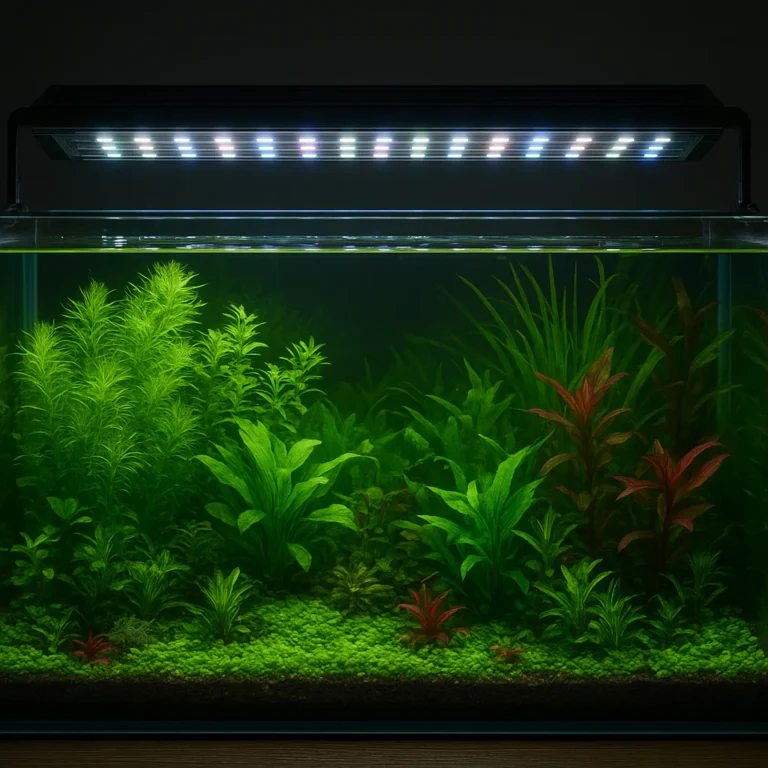
Our Recommendation: For a planted tank, invest in a dedicated planted tank LED light like the Finnex Planted+ 24/7 or NICREW ClassicLED Plus. These offer the right spectrum and intensity for healthy plant growth. For more details, check out our Aquascaping and Aquatic Plants section.
What are the benefits of using a heater in a tropical fish tank?
For tropical fish, a heater isn’t just a luxury; it’s a necessity for their survival and well-being.
- Stable Temperature: Tropical fish originate from warm, stable environments. Heaters maintain a consistent temperature, preventing dangerous fluctuations that can stress fish and weaken their immune systems.
- Optimal Metabolism: Fish are cold-blooded, meaning their body temperature (and thus their metabolism) is regulated by their environment. A stable, warm temperature ensures their digestive, immune, and reproductive systems function optimally.
- Disease Prevention: Stress from temperature swings makes fish highly susceptible to common diseases like Ich (white spot disease). A heater helps prevent this.
- Comfort & Activity: Fish are more active, colorful, and exhibit natural behaviors in their preferred temperature range.
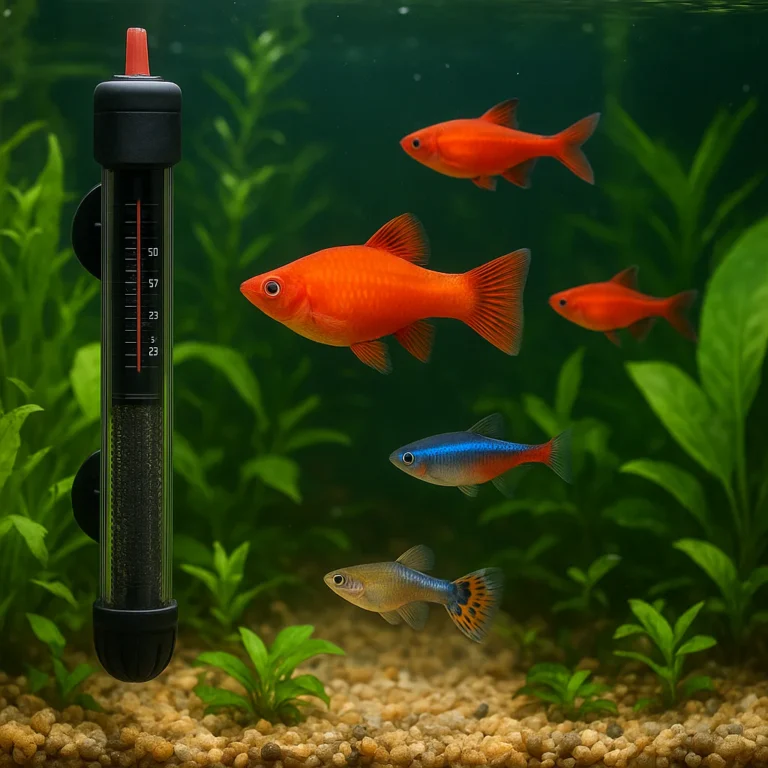
Our Take: If you’re keeping tropical fish, a reliable, appropriately sized submersible aquarium heater with a built-in thermostat (like those from Aqueon or Fluval M Series) is non-negotiable. Always use a separate thermometer to verify the heater’s accuracy.
How do air pumps and aeration devices improve aquarium health?
Air pumps and air stones might seem simple, but they play a vital role in the overall health of your aquarium, especially in tanks without strong surface agitation from a filter.
- Oxygenation: Their primary function! They create bubbles that rise to the surface, causing surface agitation. This agitation facilitates the crucial gas exchange where carbon dioxide is released from the water and oxygen is absorbed from the air. Fish need oxygen to breathe!
- Water Circulation: The rising bubbles create currents, helping to circulate water throughout the tank. This prevents stagnant areas and ensures that oxygenated water reaches all parts of the aquarium.
- Aesthetics: Let’s be honest, a curtain of fine bubbles or a bubbling ornament can add a beautiful, dynamic element to your aquascape.
- Beneficial Bacteria: Good oxygen levels also support the aerobic beneficial bacteria that colonize your filter media and substrate, which are essential for the nitrogen cycle.
Our Recommendation: While not strictly necessary in every tank (especially those with strong filter outflow causing good surface agitation), an air pump and air stone are an inexpensive way to boost oxygen levels, provide circulation, and add visual appeal. They are particularly beneficial in heavily stocked tanks, during medication treatments, or in tanks with minimal surface movement.
What maintenance tools are necessary for keeping a clean and vibrant fish tank?
Regular aquarium maintenance is the secret sauce to a thriving tank. Having the right tools makes the job easier, quicker, and more effective.
- Gravel Vacuum/Siphon: Absolutely essential for weekly water changes and cleaning detritus from the substrate. The Python No Spill Clean and Fill system is a game-changer for larger tanks, connecting directly to your faucet. For smaller tanks, a simple manual siphon works wonders.
- Algae Scraper/Magnet: To keep your viewing panes crystal clear. Magnetic cleaners (e.g., Mag-Float) are convenient as they don’t require getting your hands wet. Razor scrapers (like those mentioned by AquaShack) are excellent for tough spots or hard water buildup.
- Buckets: Dedicated, clean buckets (never used for household chemicals!) for mixing new water and collecting old tank water.
- Water Change Hose: A long, flexible hose for siphoning water out and refilling.
- Fish Net: For safely catching fish (e.g., for health checks or rehoming). Have a few sizes on hand.
- Filter Brushes: Small brushes for cleaning filter tubes and impellers during maintenance.
- Specimen Container: As AquaShack notes, these are “incredibly convenient” for holding fish temporarily, tools, or even for drip acclimation.
- Microfiber Cloths: For cleaning the outside of the tank without leaving streaks or lint.
- Aquascaping Tools (for planted tanks): Long tweezers, curved scissors, and substrate spatulas are invaluable for trimming plants and arranging decor.
Our Take: Don’t underestimate the power of good maintenance tools. They transform routine tasks from dreaded chores into quick, efficient processes, ensuring your tank remains a beautiful and healthy environment.
Reference Links: Our Sources & Further Reading
We believe in informed aquarists! Here are the sources and additional resources that informed this comprehensive guide.
- Aquarium Music™ Internal Categories:
- External Resources & Brands:
- Chewy.com Education: Fish Tank Supplies & Equipment (Note: Access to specific content was restricted at time of writing, but general topics were referenced.)
- AquaShack: Planted Aquarium Accessories
- SaltwaterAquarium.com: Aquarium Supplies
- Aqueon Official Website: https://www.aqueon.com/
- Marineland Official Website: https://www.marineland.com/
- Fluval Aquatics Official Website: https://fluvalaquatics.com/
- Eheim Official Website: https://us.eheim.com/
- Finnex Official Website: https://www.finnex.net/
- NICREW Official Website: https://nicrew.com/
- Seachem Official Website: https://www.seachem.com/
- API Fishcare Official Website: https://apifishcare.com/
- Python Products Official Website: https://pythonproducts.com/
- Bulk Reef Supply: https://www.bulkreefsupply.com/
- Marine Depot: https://www.marinedepot.com/