Support our educational content for free when you purchase through links on our site. Learn more
Mastering Aquatic Pet Care and Health: 12 Expert Secrets for 2026 🐠


Did you know that nearly 70% of new aquarium owners lose their first fish within the first three months? It’s a heartbreaking statistic, but one that highlights just how crucial proper aquatic pet care and health really are. Whether you’re just starting your underwater adventure or looking to elevate your tank to a thriving aquatic ecosystem, this guide is your ultimate companion.
From setting up the perfect habitat and decoding water chemistry to spotting early signs of disease and choosing the right nutrition, we dive deep into every aspect of aquatic pet care. Plus, stick around for insider tips on aquascaping that not only beautify your tank but also create a stress-free environment for your finned friends. Ready to turn your aquarium into a symphony of life? Let’s dive in!
Key Takeaways
- Water quality is the foundation of healthy aquatic pets—master the nitrogen cycle and maintain stable parameters.
- Proper nutrition and feeding routines prevent common health issues and promote vibrant colors and longevity.
- Early disease detection and quarantine protocols are essential to protect your aquatic community.
- Aquascaping and habitat enrichment reduce stress and encourage natural behaviors.
- Professional training and certifications can elevate your knowledge and career prospects in aquatic animal care.
Dive deeper into each of these topics and unlock the secrets to a flourishing aquatic world!
Table of Contents
- ⚡️ Quick Tips and Facts for Aquatic Pet Care and Health
- 🌊 The Evolution of Aquatic Pet Keeping: History and Insights
- 🐠 Understanding Different Types of Aquatic Pets: Fish, Amphibians, and More
- 💧 Aquarium Setup Essentials: Creating a Healthy Habitat
- 🍽️ Nutrition and Feeding: What Your Aquatic Pets Really Need
- 🩺 Common Diseases and Health Issues in Aquatic Pets
- 🔧 Maintenance Mastery: Cleaning and Routine Care
- 🌿 Aquascaping and Habitat Enrichment for Happy Pets
- 👩 ⚕️ When to Call the Vet: Professional Care for Aquatic Pets
- 📚 Our Expert Aquatic Pet Care Certification and Training Programs
- 📝 How to Apply for Aquatic Pet Care Courses and Workshops
- 🔗 Essential Online Resources and Communities for Aquatic Enthusiasts
- 🎁 Support and Give Back: Contributing to Aquatic Pet Welfare
- 📱 Connect with Us: Social Media and Interactive Platforms
- 🎯 Conclusion: Mastering Aquatic Pet Care and Health
- 🔗 Recommended Links for Deeper Learning
- ❓ Frequently Asked Questions (FAQ) About Aquatic Pet Care
- 📑 Reference Links and Scientific Sources
Here is the comprehensive guide on Aquatic Pet Care and Health, written by the team at Aquarium Music™.
⚡️ Quick Tips and Facts for Aquatic Pet Care and Health
Welcome to the deep end! Before we dive into the nitty-gritty of keeping your finned friends happy, let’s cover the essentials. Whether you are a seasoned aquarist or just bought your first glass box, these quick hits will set the stage for success.
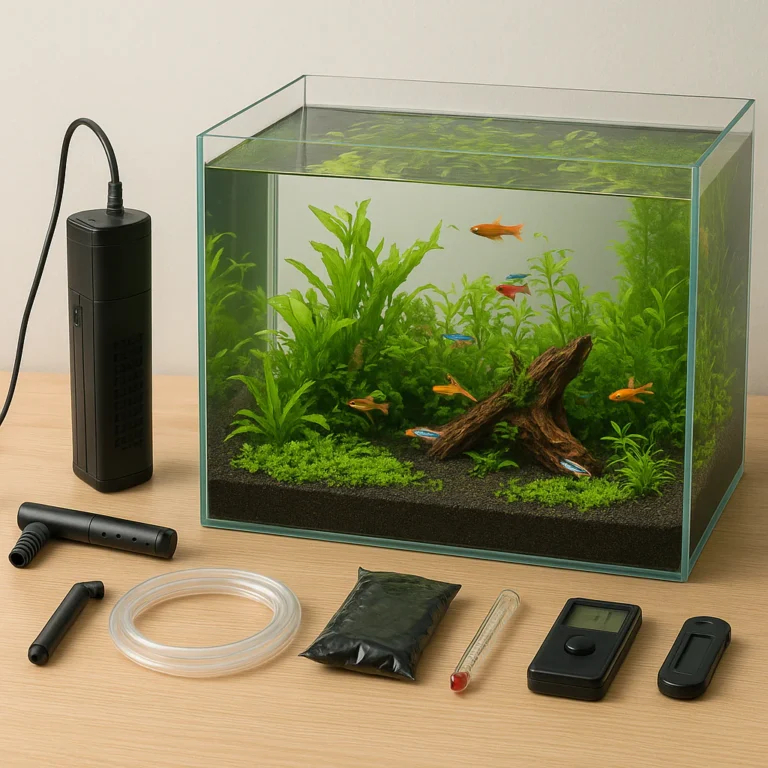
For a deep dive into the gear you need right now, check out our guide on 15 Must-Have Fish Tank Accessories & Equipment (2026) 🐠.
- The Nitrogen Cycle is King: You cannot have a healthy tank without it. New Tank Syndrome is the #1 killer of new pets.
- Consistency > Perfection: Fish prefer stable pH levels over “perfect” ones that fluctuate wildly.
- Don’t Overfeed: A fish’s stomach is roughly the size of its eye. Overfeeding leads to ammonia spikes. ❌
- Quarantine is Non-Negotiable: Always quarantine new arrivals for at least 2-4 weeks to prevent disease spread. ✅
- Water Changes: 20-30% weekly water changes are the industry standard for most setups.
| Stat/Fact | Details |
|---|---|
| Most Common Disease | Ich (Ichthyophthirius multifiliis), a parasitic infection often caused by stress or poor water quality. |
| Ideal Temp (Tropical) | Generally 75°F – 80°F (24°C – 27°C), though species vary. |
| Lifespan Range | Bettas: 3-5 years |
| Filtration Rule | Your filter should turn over the total tank volume 4 to 6 times per hour. |
The Evolution of Aquatic Pet Keeping: History and Insights

Gone are the days when keeping a goldfish meant tossing it into a small, unfiltered bowl and hoping for the best (spoiler: that’s a terrible idea). The history of aquatic pet care has shifted from simple ornamentation to complex ecosystem management.
Early aquarists in the Victorian era struggled with keeping water oxygenated. Today, we have access to high-tech canister filters, CO2 injection systems, and smart monitors that send pH alerts to our phones. This evolution means we are no longer just “pet owners”; we are stewards of a micro-environment. The goal has shifted from merely keeping the animal alive to ensuring it thrives in a habitat that mimics nature.
Understanding Different Types of Aquatic Pets: Fish, Amphibians, and More
Choosing the right wet pet is like choosing a roommate—you need to make sure your lifestyles match!
For detailed breakdowns, visit our Fish Care and Species Profiles.
Freshwater Fish
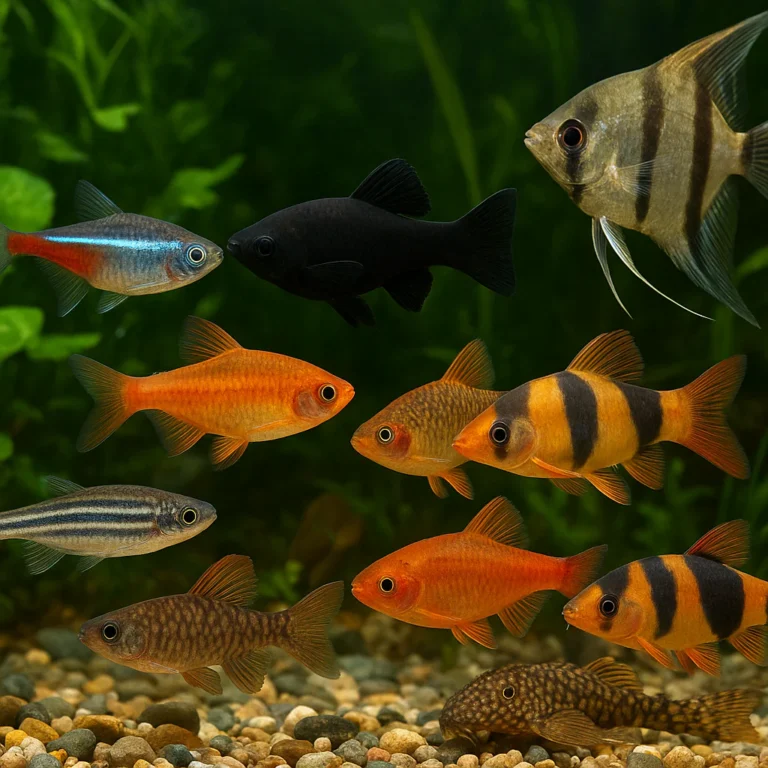
The most common entry point. From the solitary Betta to the schooling Neon Tetra, freshwater fish offer variety.
- Community Fish: Guppies, Mollies, Tetras.
- Oddballs: Freshwater Puffers, Eels.
Invertebrates
Often the “cleanup crew,” but cool in their own right.
- Shrimp: Cherry Shrimp, Amano Shrimp.
- Snails: Nerite Snails, Mystery Snails.
Amphibians
Frogs like the African Dwarf Frog or Axolotls require specific care, often needing cooler water and different filtration than tropical fish.
🎥 Watch and Learn: In our featured video summarized earlier, the presenter reviews beginner fish from Petco. They highlight that Betta fish are resilient but warn strictly against bowls. They also note that Balloon Mollies can be tricky due to disease susceptibility, while Albino Cory Catfish are praised as hardy scavengers. It’s a must-watch to avoid “beginner traps.”
Aquarium Setup Essentials: Creating a Healthy Habitat
Setting up a tank is more than just adding water. It is about engineering a life-support system. For more on this, browse our Aquarium Setup category.
Water Quality Management: Filtration, pH, and Parameters
If you take care of the water, the water takes care of the fish. You need a reliable test kit—strips are okay for a quick check, but liquid kits are the gold standard.
Product Spotlight: API Freshwater Master Test Kit We rate this a 10/10 for necessity. It measures pH, High Range pH, Ammonia, Nitrite, and Nitrate.
👉 CHECK PRICE on:
Lighting and Temperature Control for Optimal Health
Fish are poikilothermic (cold-blooded). Their metabolism depends on the water temperature.
- Heaters: We recommend Eheim Jager or Fluval M Series. Always aim for 3-5 watts per gallon.
- Lighting: Essential for plants and fish circadian rhythms. Fluval Plant 3.0 is a top-tier choice for planted tanks.
Substrate and Aquascaping Tips for Natural Environments
Sand, gravel, or aqua-soil?
- Gravel: Good for general tanks.
- Sand: Essential for bottom dwellers like Corydoras (to protect their barbels).
- Aqua-soil (e.g., ADA Amazonia): Critical for live plants.
Nutrition and Feeding: What Your Aquatic Pets Really Need
Food is fuel! But not all fuel is created equal. Visit Fish and Aquatic Life for diet specifics.
Choosing the Right Food: Flakes, Pellets, Frozen, and Live
Dry foods have come a long way, but variety is the spice of life.
Top Rated Fish Foods (Rating 1-10):
| Brand/Product | Type | Rating | Best For |
|---|---|---|---|
| Hikari Micro Pellets | Pellet | 9.5 | Small community fish (Tetras, Guppies) |
| Fluval Bug Bites | Granule | 9.0 | Insect-loving fish (Bettas, Cichlids) |
| Omega One Super Color | Flake | 8.5 | General color enhancement |
| Repashy Soilent Green | Gel | 9.5 | Grazers and Goldfish |
👉 Shop Premium Fish Food on:
Feeding Schedules and Portion Control
- Adult Fish: Feed once or twice a day.
- Fry (Babies): Feed 3-5 times a day.
- The “Eyeball” Rule: Only feed what they can consume in 2 minutes. Unused food rots and spikes ammonia!
Common Diseases and Health Issues in Aquatic Pets
Nothing is scarier than seeing white spots or a floating fish. Early detection is key.
Identifying Symptoms Early: What to Watch For
- Clamped Fins: The fish holds its fins tight against the body (Sign of stress/parasites).
- Flashing: Rubbing against rocks or gravel (Sign of external parasites like Ich or Flukes).
- Bloating: Pineconing scales (Dropsy) or constipation.
Treatment Options: Medications and Natural Remedies
⚠️ Important: As noted in the Animal Healing veterinary summary, “Treating your aquatic pet before diagnosis may mask diseases and complicate diagnosis.”
However, for common issues, aquarists often keep these on hand:
- Ich-X (Hikari): For Ich.
- Melafix (API): For mild bacterial infections (controversial effectiveness, but popular).
- Aquarium Salt: A natural remedy for stress and nitrite poisoning.
👉 Shop Medications on:
- Ich-X: Amazon | Aquarium Co-Op
- Fritz Maracyn: Amazon
Maintenance Mastery: Cleaning and Routine Care
Routine maintenance is the heartbeat of your aquarium. See our Tank Maintenance section for schedules.
Water Changes: How Often and How Much?
We recommend 20-30% weekly. This removes nitrates and replenishes minerals.
- Tool of the Trade: The Python No Spill Clean and Fill. It connects to your faucet, eliminating the need for buckets.
👉 CHECK PRICE on:
Filter Cleaning and Equipment Upkeep
- Never rinse filter media in tap water! The chlorine will kill your beneficial bacteria. ❌
- Do this instead: Rinse sponges and bio-media in a bucket of old tank water during a water change. ✅
Aquascaping and Habitat Enrichment for Happy Pets
A bored fish is a stressed fish. Aquascaping and Aquatic Plants are vital.
- Hiding Spots: Essential for reducing aggression. As mentioned in the featured video, Honey Gouramis can be territorial, so breaking lines of sight with plants is crucial.
- Live Plants: Plants like Java Fern and Anubias absorb nitrates and oxygenate the water.
- Driftwood: Leaks tannins which can lower pH and soothe fish (creating “blackwater” conditions).
When to Call the Vet: Professional Care for Aquatic Pets
Sometimes, home remedies aren’t enough. According to Animal Healing, diagnosis is complex.
When to seek a pro:
- Mass die-offs in the tank.
- Persistent issues despite water quality fixes.
- Visible tumors or severe injuries.
What to prepare for the Vet:
- Water Samples: Three separate samples (transport, testing, and return water).
- Tank Stats: Dimensions, filtration type, and tank mates.
- Video: A video of the tank in operation is often more helpful than a photo.
Our Expert Aquatic Pet Care Certification and Training Programs
Are you looking to turn your passion into a profession? The University of Florida (UF) offers premier certificates that we highly recommend.
UF Online Graduate Certificate in Care and Conservation of Aquatic Animals
- Who is it for? Graduate students, pre-vet students, and professionals.
- What you learn: Diseases of warm-water fish, aquatic wildlife health, and conservation.
- Cost: $30 application fee.
- Why take it? It increases your “likelihood of success in an aquatic animal profession.”
UF DVM Certificate in Aquatic Animal Medicine
- Who is it for? Current veterinary students at UF.
- Key Course: “Diseases of Warm-Water Fish” (3 credits).
- Outcome: Signifies specialized training for internships and residencies.
How to Apply for Aquatic Pet Care Courses and Workshops
If you are interested in the UF programs mentioned above:
- Graduate Certificate: Requires an undergraduate degree. Apply online via the UF College of Veterinary Medicine website.
- DVM Certificate: Deadline is March 31 annually.
Essential Online Resources and Communities for Aquatic Enthusiasts
Don’t swim alone! Join a school.
- Reef2Reef: The ultimate hub for saltwater enthusiasts.
- PlantedTank.net: For the freshwater gardeners.
- Reddit (r/Aquariums): A massive community for quick advice and sharing photos.
Support and Give Back: Contributing to Aquatic Pet Welfare
Supporting conservation is part of the hobby.
- Project Piaba: Promotes sustainable aquarium fisheries in the Amazon.
- Coral Restoration Foundation: Works to restore coral reefs globally.
Connect with Us: Social Media and Interactive Platforms
We want to see your tanks! Tag us @AquariumMusic on Instagram and TikTok. Share your “aquascaping fails” and your “breeding wins.” Let’s build a community that cares about the wet and wild world.
Conclusion: Mastering Aquatic Pet Care and Health 🐠💧

Well, we’ve swum through the vast ocean of aquatic pet care—from setting up your tank, mastering water chemistry, to spotting diseases and knowing when to call in the pros. Our journey revealed that successful aquatic pet keeping is both an art and a science. It’s about creating a balanced, thriving ecosystem where your finned and scaled friends can flourish.
If you’re wondering about the best way to start or improve your aquatic pet care, here’s the bottom line:
- Invest in quality equipment like the API Freshwater Master Test Kit and reliable heaters (Eheim Jager or Fluval M Series). These are your tank’s heartbeat.
- Feed your pets thoughtfully—variety and portion control are key. Brands like Hikari and Fluval offer excellent nutrition tailored to different species.
- Keep a vigilant eye on water quality and fish behavior. Early detection of stress or disease can save lives.
- Don’t hesitate to seek professional help if problems persist. Aquatic veterinarians rely on detailed tank info and samples to diagnose complex issues.
- Consider formal education if you want to dive deeper or pursue a career. Programs like the University of Florida’s Aquatic Animal Medicine Certificate provide a solid foundation.
Remember the question we teased earlier: How do you create a natural, stimulating environment that keeps your aquatic pets happy? The answer lies in thoughtful aquascaping, live plants, hiding spots, and maintaining water parameters that mimic their native habitats. It’s a symphony of elements working in harmony—just like the music we love at Aquarium Music™.
So, are you ready to become the maestro of your own aquatic orchestra? 🎶🐟 Dive in, experiment, learn, and enjoy every splash along the way!
Recommended Links for Aquatic Pet Care Essentials 🛒
Here are some of the top products and resources we mentioned—grab them from trusted retailers to get your tank humming:
-
Eheim Jager Aquarium Heater:
Amazon | Bulk Reef Supply -
Python No Spill Clean and Fill Aquarium Maintenance System:
Amazon | Chewy -
Ich-X Treatment (Hikari):
Amazon | Aquarium Co-Op -
Fritz Maracyn Antibiotic:
Amazon
Recommended Books for Aquatic Enthusiasts
-
The Simple Guide to Freshwater Aquariums by David E. Boruchowitz
Amazon -
Aquarium Care of Bettas by Scott W. Michael
Amazon -
The Conscientious Aquarist by Dick Mills
Amazon
Frequently Asked Questions (FAQ) About Aquatic Pet Care

How can I create a natural and stimulating environment for my aquatic pets to promote their overall health and well-being?
Creating a natural environment involves replicating the pet’s native habitat as closely as possible. This means:
- Aquascaping with live plants like Java Fern and Anubias, which provide oxygen and hiding spots.
- Using natural substrates such as sand or aqua-soil to support plant growth and bottom dwellers.
- Adding driftwood or rocks to mimic natural shelters and break lines of sight, reducing aggression.
- Maintaining stable water parameters (pH, temperature, hardness) that match the species’ origin.
This enriched environment reduces stress, encourages natural behaviors, and improves immune function.
Can I keep multiple species of fish together in the same aquarium, and if so, which species are compatible?
Yes, but compatibility depends on:
- Temperament: Peaceful species like Neon Tetras mix well with Corydoras catfish. Aggressive species like African Cichlids require species-specific tanks.
- Water parameter needs: Avoid mixing fish with drastically different temperature or pH requirements.
- Size and diet: Avoid housing large predatory fish with small peaceful species to prevent predation.
Research species compatibility charts and consider community tanks with similarly sized, peaceful fish.
What is the ideal water temperature and chemistry for my aquatic pets to thrive?
- Temperature: Most tropical fish thrive between 75°F and 80°F (24°C – 27°C). Coldwater species like goldfish prefer cooler temps (65°F – 72°F).
- pH: Neutral to slightly acidic (6.5-7.5) is common, but some species like African Cichlids prefer alkaline water (7.8-8.6).
- Hardness: Soft to moderately hard water suits most freshwater fish; some species require specific hardness levels.
Regular testing with kits like the API Master Test Kit ensures parameters remain stable.
How can I recognize signs of stress or illness in my aquarium fish and what are the appropriate treatments?
Signs of stress or illness include:
- Clamped fins, erratic swimming, flashing (rubbing against surfaces), loss of appetite, white spots (Ich), bloating, or lethargy.
Treatments:
- First, test and correct water quality issues.
- Quarantine sick fish.
- Use targeted medications like Ich-X for parasites or Melafix for bacterial infections.
- Consult an aquatic veterinarian for persistent or unclear symptoms.
What are the best foods to feed my aquatic pets to ensure they receive a balanced diet?
A balanced diet includes:
- High-quality pellets or flakes formulated for your species (e.g., Hikari Micro Pellets for small fish).
- Frozen or live foods like brine shrimp or bloodworms for protein and enrichment.
- Vegetable matter for herbivorous species (spirulina flakes, blanched veggies).
- Variety and moderation to prevent nutritional deficiencies and overfeeding.
How often should I clean my aquarium to maintain optimal water quality and pet health?
- Perform 20-30% water changes weekly to remove nitrates and replenish minerals.
- Clean filters monthly, rinsing media in tank water to preserve beneficial bacteria.
- Remove algae and debris as needed, but avoid over-cleaning which can disrupt the ecosystem.
What are the most common diseases affecting aquarium fish and how can they be prevented?
- Ich (white spot disease): Prevent by quarantining new fish and maintaining stable water conditions.
- Fin rot: Often caused by poor water quality; prevent with regular maintenance.
- Dropsy: Usually bacterial; prevent with good nutrition and clean water.
- Fungal infections: Prevent by avoiding injuries and maintaining water quality.
What are the essential water parameters for healthy aquatic pets?
| Parameter | Ideal Range (Freshwater) | Notes |
|---|---|---|
| Temperature | 75°F – 80°F (24°C – 27°C) | Species-dependent |
| pH | 6.5 – 7.5 | Some species prefer outside this range |
| Ammonia | 0 ppm | Toxic at any detectable level |
| Nitrite | 0 ppm | Toxic at any detectable level |
| Nitrate | < 20 ppm | Higher levels stress fish |
What are the best filtration systems for different types of aquatic tanks?
- Sponge filters: Great for fry tanks and shrimp tanks; gentle and biological filtration.
- Canister filters: Powerful, customizable, suitable for large freshwater and planted tanks.
- Hang-on-back (HOB) filters: Easy to maintain, good for small to medium tanks.
- Internal filters: Compact, good for small tanks or quarantine setups.
Choose based on tank size, bioload, and species needs.
How can I tell if my aquatic pet is stressed or sick?
Look for:
- Changes in behavior (hiding, lethargy, erratic swimming).
- Physical signs (clamped fins, discoloration, spots, bloating).
- Loss of appetite or rapid breathing.
Early detection and water quality checks are crucial.
What are the benefits of live plants in an aquatic pet habitat?
- Oxygenate water and improve gas exchange.
- Absorb nitrates and other waste products, improving water quality.
- Provide natural hiding spots and reduce stress.
- Enhance aesthetics and mimic natural environments.
Reference Links and Scientific Sources
-
University of Florida Aquatic Animal Medicine Certificate Program:
https://aquatic.vetmed.ufl.edu/education/programs/aah-certificate/ -
API Freshwater Master Test Kit Official Site:
https://www.apifishcare.com/search?qarea=all&q=freshwater+master+test+kit -
Hikari Fish Food Official Website:
https://www.hikariusa.com/ -
Fluval Aquarium Lighting:
https://www.fluvalaquatics.com/ -
Python Aquarium Maintenance Tools:
https://www.pythonproducts.com/ -
Animal Healing Aquatic Veterinarian Services:
https://animalhealing.net/services/fish-veterinarian -
Project Piaba (Sustainable Aquarium Fisheries):
https://www.projectpiaba.org/ -
Coral Restoration Foundation:
https://www.coralrestoration.org/
Ready to take your aquatic pet care to the next level? Dive into our other expert articles and gear guides at Aquarium Music™ and keep your underwater symphony playing beautifully! 🎶🐟