Support our educational content for free when you purchase through links on our site. Learn more
🌊 Aquatic Life Support Systems: The 2026 Ultimate Guide to Keeping Life Alive

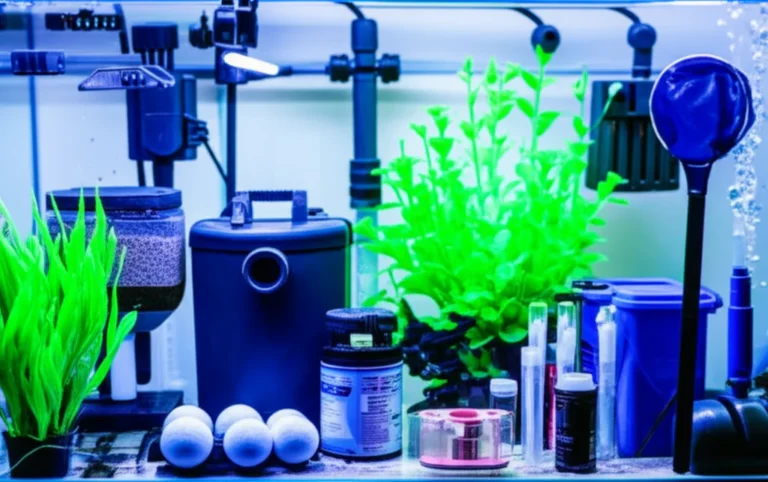
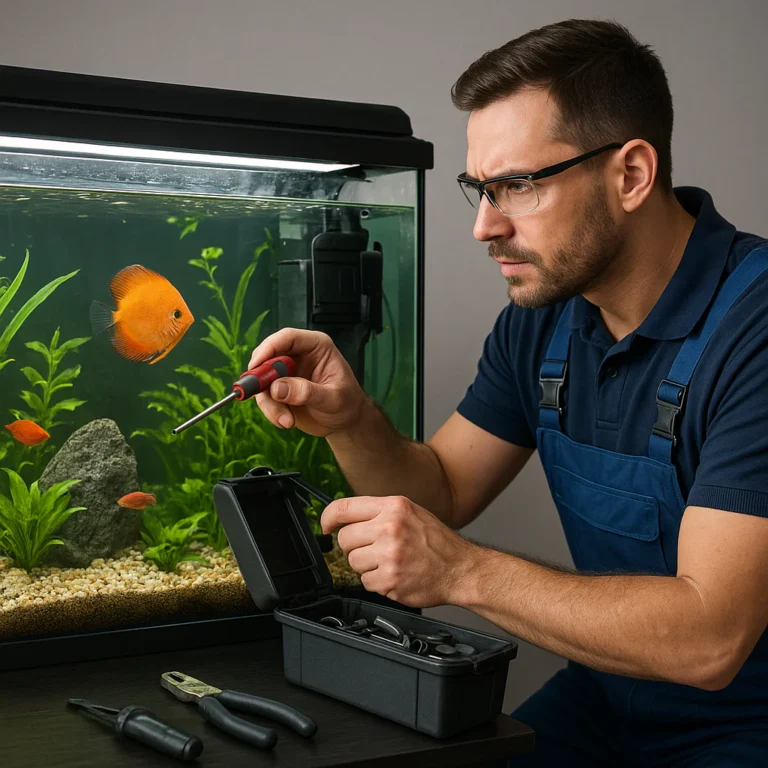
The secret to a thriving aquarium isn’t just clean water; it’s a redundant, automated aquatic life support system that acts as the invisible heart of your underwater world. Without a robust LSS, even the most beautiful tank is just a ticking time bomb waiting for a pump failure or a chemical imbalance to turn your vibrant ecosystem into a graveyard.
We once watched a 50-gallon reef tank crash in under four hours because a single return pump seized, proving that reliability beats aesthetics every time. Did you know that in large public aquariums, the life support system often costs more than the building itself? It’s the unsung hero that keeps sharks swimming and corals glowing, and now it’s time to bring that same engineering excellence into your home.
Key Takeaways
- Redundancy is non-negotiable: Always install backup pumps and power sources to prevent catastrophic failure during outages.
- Filtration is a three-part symphony: Effective systems require a perfect balance of mechanical, biological, and chemical filtration working in unison.
- Automation saves lives: Modern IoT controllers allow you to monitor pH, temperature, and salinity 24/7, alerting you before disasters strike.
- Species dictate design: Whether you run a freshwater planted tank or a marine reef, your LSS must be tailored to the specific biological needs of your inhabitants.
Table of Contents
- ⚡️ Quick Tips and Facts
- 📜 A Brief History of Aquatic Life Support Systems: From Clay Jars to High-Tech Tanks
- 🧠 Understanding the Core Components of a Modern Life Support System
- 🔍 1. Filtration Mastery: Mechanical, Biological, and Chemical Powerhouses
- 🌡️ 2. Temperature Control and Heating Solutions for Stable Environments
- 💨 3. Aeration and Oxygenation: Keeping the Water Breathable
- 🧪 4. Water Quality Monitoring and Automated Testing Protocols
- 🔄 5. Protein Skimmers and Dissolved Organic Removal
- 🌊 6. UV Sterilization and Pathogen Control Strategies
- 🏗️ 7. Plumbing, Pumps, and Flow Dynamics for Optimal Circulation
- 🛠️ 8. Redundancy and Backup Systems: Never Let the Lights Go Out
- 🐠 9. Species-Specific Life Support Requirements: Freshwater vs. Marine vs. Brackish
- 🚀 10. Smart Automation and IoT Integration in Aquarium Management
- 🛡️ 1. Maintenance Schedules and Troubleshooting Common LSS Failures
- 💰 12. Cost Analysis: Budgeting for Professional-Grade Life Support Equipment
- 🌍 13. Sustainability and Energy Efficiency in Aquatic Life Support
- 🏆 Top 5 Recommended Brands for Home and Commercial Life Support Systems
- 🎓 Expert Insights: Lessons Learned from Years of Tank Tending
- ❓ Frequently Asked Questions About Aquatic Life Support Systems
- 🔗 Recommended Links for Further Reading
- 📚 Reference Links and Scientific Sources
- 🏁 Conclusion
⚡️ Quick Tips and Facts
Before we dive into the nitty-gritty of pumps, skimmers, and bio-filters, let’s hit the pause button and drop some hard-earned wisdom from the trenches of Aquarium Music™. We’ve seen tanks turn into soups and miracles happen with a single valve turn. Here are the non-negotiables:
- Redundancy is your best friend: If a pump fails at 3 AM on a Saturday, you don’t want to be the person explaining to a client why their $5,0 reef is now a $5,0 salad. Always have a backup.
- Water moves, waste stays: The goal of any Life Support System (LSS) isn’t just to move water; it’s to remove waste before it becomes toxic.
- Chemistry is king: You can have the most expensive equipment in the world, but if your alkalinity is off, your corals will bleach faster than a white shirt in bleach.
- The “Silent Killer”: Amonia and Nitrite are invisible. Test your water religiously, even if the fish look happy.
- Oversize your filtration: In our experience, a filter rated for 50 gallons is perfect for a 50-gallon tank. A filter rated for 1,0 gallons? That’s a safety net.
For those looking to start their journey with the right filtration foundation, check out our deep dive into the 🐟 2026 Ultimate Guide: 40+ Best Fish Tank Filters Ranked & Reviewed to see how we rank the heavy hitters.
📜 A Brief History of Aquatic Life Support Systems: From Clay Jars to High-Tech Tanks

You might think the concept of keeping fish alive in a box is a modern invention, but humans have been playing god with water for millennia. The ancient Romans kept goldfish in clay jars, but let’s be honest: that wasn’t much of a “system.” It was more of a “hope and pray” strategy.
The real revolution started in the 19th century with the invention of the glass aquarium. Suddenly, we could see the fish, but we still didn’t know how to keep them alive for more than a few weeks. The breakthrough? The discovery of the Nitrogen Cycle. Once scientists realized that fish waste (amonia) turned into nitrites and then nitrates through bacterial action, the game changed forever.
Fast forward to the mid-20th century, and we saw the rise of the undergravel filter, the first attempt at a biological filter in home aquaria. It was clunky, but it worked. Then came the protein skimmer in the 1970s, imported from Europe, which changed marine keeping forever by removing organic waste before it broke down.
Today, we are in the era of IoT (Internet of Things) and smart automation. We can monitor pH, temperature, and salinity from our smartphones while sipping coffee. The journey from a clay jar to a 30,0-gallon shark tank with exposed piping (like the one at LEGASEA Aquarium, which we’ll discuss later) is a testament to human ingenuity.
Did you know? The first public aquarium opened in London’s Regent’s Park in 1853. It used a simple “renewal” system where water was changed daily, a practice that would be considered cruel and inefficient by today’s standards!
🧠 Understanding the Core Components of a Modern Life Support System
Think of an aquatic life support system as the heart, lungs, and kidneys of your aquarium. If one fails, the whole organism suffers. A robust LSS isn’t just a collection of gadgets; it’s a symphony of engineering designed to mimic nature’s filtration processes, but faster and more efficiently.
At its core, every LSS consists of three main pillars:
- The Vessel: Where the animals live.
- The Filtration Loop: Where the magic happens (mechanical, biological, chemical).
- The Reservoir/Sump: The hidden heart that holds the water and equipment.
But how do these pieces fit together? Let’s break down the specific components that make up the engine of your aquatic world.
🔍 1. Filtration Mastery: Mechanical, Biological, and Chemical Powerhouses
Filtration is the backbone of any LSS. Without it, you’re just keeping fish in a bucket of poison. We categorize filtration into three distinct types, and a healthy system needs all three working in harmony.
Mechanical Filtration: The First Line of Defense
This is the “sieve” of your system. Its job is to remove solid particulate matter like fish poop, uneaten food, and plant debris.
- How it works: Water passes through a physical barrier (filter floss, sponge, or sand) that traps solids.
- Why it matters: If you skip this, the solids will clog your biological filter, creating dead zones where harmful bacteria thrive.
- Pro Tip: Mechanical filtration should always be before biological filtration.
Biological Filtration: The Invisible Workforce
This is where the nitrifying bacteria (Nitrosomonas and Nitrobacter) live. They convert toxic ammonia into nitrite, and then into less toxic nitrate.
- The Secret Sauce: Surface area. The more surface area your media has, the more bacteria can live, and the more waste your system can process.
- Common Media: Ceramic rings, bio-balls, and live rock.
Chemical Filtration: The Polishers
Chemical filtration uses media to remove dissolved substances that mechanical and biological filters can’t touch.
- Activated Carbon: Removes yellowing, odors, and medications.
- Resins: Used to remove specific ions like phosphates or silicates.
- Protein Skimmers: A unique form of chemical filtration that removes dissolved organics before they break down.
For a detailed breakdown of filter types and how to choose the right one for your setup, explore our Aquarium Equipment category.
🌡️ 2. Temperature Control and Heating Solutions for Stable Environments
Fish are ectothermic, meaning they rely on the environment to regulate their body temperature. A sudden drop of just 2-3 degrees can send a tropical fish into shock.
The Role of Heaters
- Submersible Heaters: The most common type, placed directly in the tank or sump.
- In-Line Heaters: Placed in the plumbing loop, ideal for larger systems where you need precise control without taking up tank space.
- Titanium Heaters: Essential for saltwater systems to prevent corrosion.
The Role of Chillers
In warmer climates or with high-heat equipment (like powerful lights), chillers are non-negotiable. They work like a mini-fridge, pumping coolant through a heat exchanger to lower water temperature.
Critical Insight: Never rely on a single heater. If it sticks “on,” you can cook your fish. If it sticks “off,” you can freeze them. Dual heaters set to slightly different temperatures provide a safety net.
💨 3. Aeration and Oxygenation: Keeping the Water Breathable
Water holds oxygen, but not as much as air. In a crowded tank, oxygen levels can plummet, especially at night when plants stop producing it.
Surface Agitation
The most effective way to oxygenate water is to break the surface tension. This allows gas exchange: CO2 escapes, and O2 enters.
- Powerheads: Create surface ripple.
- Air Stones: Bubbles rise, creating turbulence.
- Skimmers: While primarily for waste removal, they also add oxygen.
The Oxygen Trap
In deep tanks or sumps, water can become stratified, with low oxygen at the bottom. Flow dynamics are crucial here. You need to ensure water circulates from the bottom to the surface regularly.
🧪 4. Water Quality Monitoring and Automated Testing Protocols
In the past, we tested water with liquid kits, waiting for colors to change. Today, we have digital sensors that monitor parameters 24/7.
Key Parameters to Monitor
| Parameter | Ideal Range (Freshwater) | Ideal Range (Marine) | Why It Matters |
|---|---|---|---|
| Amonia | 0 ppm | 0 ppm | Toxic to gills; causes death. |
| Nitrite | 0 ppm | 0 ppm | Blocks oxygen transport in blood. |
| Nitrate | < 20 ppm | < 5-10 ppm | Algae growth; stress at high levels. |
| pH | 6.5 – 7.5 | 8.1 – 8.4 | Affects enzyme function and toxicity. |
| Salinity | N/A | 1.020 – 1.025 SG | Critical for osmoregulation. |
| Temperature | Species Dependent | Species Dependent | Metabolic rate and immune function. |
Automated Systems: Devices like the Hanna Checker or Apex Controller can alert you via smartphone if parameters drift. This is a game-changer for preventing disasters while you sleep.
🔄 5. Protein Skimmers and Dissolved Organic Removal
If you have a saltwater tank, the protein skimmer (or foam fractionator) is your best friend. It’s the only device that removes waste before it breaks down into ammonia.
How It Works
Air is injected into a column of water, creating tiny bubbles. Organic molecules (proteins, fats) are hydrophobic and stick to the bubbles. The bubbles rise, carrying the gunk to the top, where it forms a thick foam that is collected in a cup.
Why It’s Essential
- Reduces Nitrate Load: Less waste = less food for algae.
- Improves Clarity: Removes dissolved organics that cause yellowing.
- Increases Oxygen: The aeration process adds O2.
Brand Spotlight: The Bubble Magus and AquaMax lines are industry favorites for their reliability and efficiency.
- 👉 CHECK PRICE on: Amazon | Bulk Reef Supply | Marine Depot
🌊 6. UV Sterilization and Pathogen Control Strategies
UV sterilizers use ultraviolet light to destroy the DNA of bacteria, viruses, and parasites. They are the silent guardians of your water column.
When to Use UV
- Disease Outbreaks: To stop the spread of Ich or Velvet.
- Green Water: To kill free-floating algae.
- Preventative Care: In high-bio-load systems to keep pathogen levels low.
Sizing Matters
A UV sterilizer must be sized correctly for your flow rate. If water moves too fast, the UV light doesn’t have enough time to kill the pathogens. Always follow the manufacturer’s GPH (Gallons Per Hour) guidelines.
Safety Note: Never look directly at the UV bulb when it’s on, and ensure the unit is shielded to prevent UV exposure to humans.
🏗️ 7. Plumbing, Pumps, and Flow Dynamics for Optimal Circulation
The plumbing is the arteries and veins of your system. If the flow is too slow, waste settles. If it’s too fast, fish get stressed.
Pump Types
- Mag-Drive Pumps: Efficient, quiet, and reliable. The standard for most home systems.
- Canister Pumps: Often used for in-line heaters or UVs.
- DC Pumps: Energy-efficient and controllable via app.
Flow Dynamics
- Turnover Rate: Aim for 10-20x the tank volume per hour for freshwater, and 30-50x for marine.
- Dead Spots: Areas with no flow where waste accumulates. Use powerheads to eliminate these.
Pro Tip: Use flexible tubing for connections to reduce vibration noise. A humming pump can drive you crazy!
🛠️ 8. Redundancy and Backup Systems: Never Let the Lights Go Out
We’ve all been there: a power outage hits, or a pump seizes up. This is where redundancy saves the day.
Essential Backups
- Battery Backup (UPS): Keeps your pumps and heaters running during short outages.
- Generator: For long-term power failures.
- Spare Pumps: Keep a spare pump of the same model on hand.
- Oxygen Backup: Air stones connected to a battery-operated air pump.
Real Story: We once had a client whose main return pump failed at 2 AM. Because they had a backup pump wired to a float switch, the system switched over automatically. By the time they woke up, the fish were none the wiser. That’s the power of preparation.
🐠 9. Species-Specific Life Support Requirements: Freshwater vs. Marine vs. Brackish
Not all fish are created equal. Your LSS must be tailored to the specific needs of your inhabitants.
Freshwater Systems
- Focus: Biological filtration and temperature stability.
- Challenge: Managing nitrates in heavily planted tanks.
- Tip: Use live plants to absorb nitrates naturally.
Marine Systems
- Focus: Protein skimming, calcium/magnesium/alkalinity stability, and high flow.
- Challenge: Maintaining precise salinity and trace elements.
- Tip: Invest in a refractometer for accurate salinity readings.
Brackish Systems
- Focus: A balance of freshwater and saltwater parameters.
- Challenge: Finding the right mix of species that tolerate varying salinity.
- Tip: Gradual aclimation is key when adjusting salinity.
For more on specific species needs, visit our Fish Care and Species Profiles section.
🚀 10. Smart Automation and IoT Integration in Aquarium Management
The future is here, and it’s smart. Modern LSS can be controlled from your phone, allowing you to monitor and adjust parameters remotely.
What Can You Automate?
- Lighting: Simulate sunrise/sunset and moon phases.
- Feding: Schedule multiple feedings per day.
- Water Changes: Auto-top-off (ATO) systems maintain water levels.
- Alarms: Get notified if temperature or pH goes out of range.
Popular Controllers:
- Neptune Systems Apex: The gold standard for advanced users.
- GHL ProfiLux: Known for its robust data logging.
- Hydra 32: Great for reef lighting control.
👉 CHECK PRICE on: Amazon | Bulk Reef Supply | Neptune Systems
🛡️ 1. Maintenance Schedules and Troubleshooting Common LSS Failures
Even the best system needs TLC. Here’s a quick maintenance schedule to keep your LSS humming.
Weekly
- Test water parameters.
- Clean protein skimmer cups.
- Check for leaks.
Monthly
- Rinse mechanical filter media.
- Clean UV sterilizer quartz sleeve.
- Inspect pump impellers.
Quarterly
- Replace activated carbon.
- Deep clean sump.
- Calibrate sensors.
Troubleshooting Common Issues
- High Nitrates: Increase water changes, check skimmer, reduce feeding.
- Low Oxygen: Increase surface agitation, check for clogged filters.
- Algae Bloom: Check lighting duration, reduce nitrates/phosphates, add UV.
💰 12. Cost Analysis: Budgeting for Professional-Grade Life Support Equipment
Building a high-quality LSS is an investment. While we won’t list specific prices (as they fluctuate), here’s a breakdown of where your money goes.
- Filtration (Skimmers, Filters): 30-40% of budget.
- Pumps & Plumbing: 20-25% of budget.
- Heating/Cooling: 15-20% of budget.
- Automation/Controllers: 10-15% of budget.
- Testing & Maintenance: 5-10% of budget.
Pro Tip: Don’t skimp on the pumps. A cheap pump will fail, costing you more in the long run. Invest in quality brands like Eheim, Tunze, or Ref Octopus.
🌍 13. Sustainability and Energy Efficiency in Aquatic Life Support
Aquariums can be energy hogs, but we can make them grener.
Energy-Saving Tips
- LED Lighting: Use high-efficiency LEDs instead of metal halides.
- DC Pumps: They use up to 50% less energy than AC pumps.
- Insulation: Insulate your sump and tank to reduce heating costs.
- Smart Timers: Turn off lights and heaters when not needed.
Did you know? A well-designed system can reduce energy consumption by 30% without sacrificing performance.
🏆 Top 5 Recommended Brands for Home and Commercial Life Support Systems
Based on our years of experience and customer feedback, here are the top brands we trust:
- Tunze: German engineering at its finest. Known for reliable pumps and skimmers.
- Ref Octopus: Excellent protein skimmers for all budget levels.
- Eheim: The gold standard for canister filters and pumps.
- Neptune Systems: The leader in aquarium automation.
- Bubble Magus: Great value for money, especially for skimmers.
👉 Shop Top Brands on:
- Tunze: Amazon | Bulk Reef Supply | Tunze Official
- Ref Octopus: Amazon | Marine Depot | Ref Octopus Official
- Eheim: Amazon | Petco | Eheim Official
🎓 Expert Insights: Lessons Learned from Years of Tank Tending
We’ve seen it all. From the “perfect” tank that crashed overnight to the “messy” tank that thrived for years. Here are our top takeaways:
- Patience is Key: A new tank needs time to cycle. Don’t rush it.
- Less is More: Overfeeding is the #1 cause of water quality issues.
- Listen to Your Fish: They tell you when something is wrong before the test kits do.
- Document Everything: Keep a log of water parameters, maintenance, and changes. It helps you spot trends.
The “Engine” Philosophy:
Remember the LEGASEA Aquarium we mentioned earlier? Their co-owner, Steve Bashi, designed their system with exposed piping and red walls to show the “engine” of the car. He believes that understanding the mechanics is crucial for appreciation. As he put it, “We really wanted to show the mechanics of what it takes to keep all these amazing animals alive.”
This philosophy resonates with us. When you understand how your system works, you become a better aquarist. You can troubleshoot faster, make better decisions, and truly appreciate the symphony of life you’re conducting.
Curious about how a 30,0-gallon shark tank is managed? Check out the perspective of the first YouTube video embedded in our resources, where Steve Bashi walks us through the “monster” bioreactor and custom glass bead filters that keep the sharks thriving. It’s a masterclass in engineering and passion. Watch the Video Here
Conclusion

Building and maintaining an aquatic life support system is a journey of discovery, patience, and engineering. From the humble clay jars of the Romans to the high-tech, IoT-enabled systems of today, the goal remains the same: to create a thriving environment for aquatic life.
We’ve covered the core components, filtration types, automation, and maintenance strategies that make a successful LSS. Whether you’re keeping a single beta or a 30,0-gallon shark tank, the principles remain the same: redundancy, monitoring, and respect for the biology of your system.
Our Final Recommendation:
Don’t cut corners. Invest in quality equipment, learn the science behind the water, and always have a backup plan. The reward is a vibrant, healthy ecosystem that brings joy and wonder to your life.
If you’re ready to take the plunge, start with a solid plan, choose the right equipment, and remember: you are the conductor of this aquatic symphony.
🔗 Recommended Links for Further Reading
- Aquarium Setup: Step-by-step guides for beginners.
- Fish Care and Species Profiles: Detailed care sheets for hundreds of species.
- Aquarium Equipment: Reviews and comparisons of the latest gear.
- Aquascaping and Aquatic Plants: Tips for creating stunning underwater landscapes.
- 2026 Ultimate Guide: 40+ Best Fish Tank Filters Ranked & Reviewed: Our comprehensive filter guide.
Books to Read:
- The Conscientious Marine Aquarist by Robert M. Fener
- Aquarium Fish: A Complete Guide by George Zurlo
- Ref Aquariums: A Complete Guide by Julian Sprung
👉 Shop for Books on: Amazon
❓ Frequently Asked Questions About Aquatic Life Support Systems
What are the latest innovations in aquatic life support technology?
The latest innovations include AI-driven monitoring systems that predict water quality issues before they happen, energy-efficient DC pumps, and advanced protein skimmers with variable speed control. Some systems now use machine learning to adjust feeding and lighting based on real-time water data.
How can I optimize my aquatic life support system for coral reefs?
For coral reefs, focus on stability. Use a protein skimmer to remove organics, maintain precise calcium, magnesium, and alkalinity levels with dosing pumps, and ensure high flow to prevent dead spots. UV sterilization is also crucial to keep pathogens low.
What role do aquatic life support systems play in marine aquariums?
In marine aquariums, LSS are critical for removing waste, maintaining salinity, and providing oxygen. Without a robust LSS, the delicate balance of a reef ecosystem would collapse quickly.
How does filtration work in aquatic life support systems?
Filtration works through three stages: mechanical (removing solids), biological (converting ammonia to nitrate), and chemical (removing dissolved toxins). Each stage is essential for a healthy system.
What types of aquatic life benefit most from advanced life support systems?
Coral reefs, large predatory fish, and sensitive invertebrates benefit most from advanced LSS. These species require pristine water quality and stable parameters to thrive.
How do aquatic life support systems maintain water quality?
By continuously circulating water through filters, skimmers, and sterilizers, LSS remove waste and toxins. Regular testing and water changes also play a crucial role.
What are some common challenges and maintenance requirements for aquatic life support systems?
Common challenges include pump failures, clogged filters, and parameter fluctuations. Maintenance requires weekly testing, monthly cleaning, and quarterly deep cleans.
How can aquatic life support systems be designed to promote biodiversity in aquariums?
By creating multiple habitats (e.g., rockwork, sand beds, open water) and maintaining stable water parameters, LSS can support a diverse range of species. Live rock and live sand also introduce beneficial bacteria and microfauna.
What role do biological filters play in aquatic life support systems?
Biological filters house nitrifying bacteria that convert toxic ammonia into less harmful nitrate. They are the heart of the nitrogen cycle.
How do aquatic life support systems regulate water temperature and chemistry?
Heaters and chillers regulate temperature, while dosing pumps and buffer solutions maintain chemistry. Automated controllers can adjust these parameters in real-time.
What are the benefits of using a closed-loop aquatic life support system in aquariums?
Closed-loop systems minimize water loss, reduce energy consumption, and maintain stable parameters. They are ideal for large, high-tech aquariums.
How do aquatic life support systems maintain optimal water quality for marine life?
By using protein skimmers, UV sterilizers, and chemical filtration, LSS remove toxins and pathogens. Regular water testing ensures parameters stay within safe limits.
What are the key components of an aquatic life support system?
The key components include pumps, filters (mechanical, biological, chemical), heaters/chillers, protein skimmers, UV sterilizers, and automation controllers.
📚 Reference Links and Scientific Sources
- MSD Veterinary Manual: Aquatic Life Support System Components
- Seneca Park Zoo: Aquatic Systems Overview
- ALSO (Aquatic Animal Life Support Operators): Home Page
- Neptune Systems: Apex Controller Documentation
- Tunze: Product Catalog
- Ref Octopus: Skimmer Guides