Support our educational content for free when you purchase through links on our site. Learn more
🐟 Aquatic Life Care & Feding: The 2026 Guide to Thriving Tanks


The secret to a vibrant aquarium isn’t just expensive equipment; it’s mastering the art of precision feeding and understanding that variety is the lifeblood of your aquatic ecosystem. Effective aquatic life care and feeding transforms a simple glass box into a thriving, self-sustaining world where fish display their most brilliant colors and natural behaviors.
We once watched a tank of dull, lethargic Oscars transform into electric orange giants in just three weeks simply by swapping their generic flakes for a rotation of high-protein frozen mysis and spirulina wafers. It wasn’t magic; it was nutritional science applied with consistency.
Did you know that over 90% of aquarium fish deaths are linked to water quality issues caused directly by overfeeding? That sinking debris isn’t just waste; it’s a ticking time bomb for your nitrogen cycle.
Key Takeaways
- Master the 2-Minute Rule: If food remains after two minutes, you are overfeeding, which leads toxic ammonia spikes and poor water quality.
- Dietary Diversity is Non-Negotiable: Rotate between flakes, pellets, frozen, and live foods to ensure your fish receive a complete spectrum of essential nutrients.
- Target Feding Matters: Use tools like basters or feeding rings to ensure bottom dwellers and shy species get their fair share of the meal.
- Water Quality Dictates Appetite: Poor water parameters cause stress and loss of appetite; always test your water before assuming your fish are sick.
Table of Contents
- ⚡️ Quick Tips and Facts
- 📜 A Brief History of Aquatic Life Care and Feding Evolution
- 🐠 Mastering the Art of Freshwater Aquarium Feding
- 1. Decoding the Dietary Needs of Tropical Fish
- 2. Selecting the Best Flakes, Pelets, and Wafers
- 3. The Secret to Successful Live and Frozen Food Integration
- 4. Establishing a Feding Schedule That Prevents Overfeeding
- 🦈 Deep Dive into Marine and Saltwater Nutrition Strategies
- 1. Feding Reef Invertebrates and Corals Safely
- 2. Target Feding Techniques for Agressive Predators
- 3. Balancing Protein and Fats for Color Enhancement
- 🌿 Plant-Based Diets for Herbivores and Omnivores
- 🧪 Water Quality Management: The Hidden Link to Feding Success
- 🚫 Common Feding Mistakes That Kill Fish (And How to Avoid Them)
- 🛠️ Essential Tools and Gadgets for Precision Feding
- 🏆 Top Brand Recommendations for Premium Aquatic Nutrition
- 💡 Quick Tips and Facts
- 🏁 Conclusion
- 🔗 Recommended Links
- ❓ FAQ
- 📚 Reference Links
⚡️ Quick Tips and Facts
Before we dive into the deep end of aquatic nutrition, let’s get the basics straight with some non-negotiable truths that separate the hobbyists from the masters.
- The 2-Minute Rule: If your fish haven’t finished their food in 2 minutes, you’ve overfed. That sinking debris is just a ticking time bomb for your water quality.
- Fasting is Fitness: Just like us, fish benefit from a fasting day once a week. It clears their digestive tracts and mimics natural feeding cycles.
- Variety is Vital: No single food source contains every nutrient your fined friends need. A diet of only flakes is like eating nothing but plain white rice for a year.
- Water Temperature Matters: Cold-blooded creatures eat less when the water is cool. Feding a tropical fish the same amount in winter as in summer is a recipe for digestive distress.
- The “Sinking” Secret: Bottom dwellers (like Corydoras or Plecos) often starve while the top feeders gorge. Use sinking wafers to ensure everyone gets a seat at the table.
📜 A Brief History of Aquatic Life Care and Feding Evolution

You might think keeping fish is a modern pastime, but the history of aquatic life care stretches back to the ancient Romans, who kept goldfish in marble pools, and the Chinese, who selectively bred carp for color as early as the Song Dynasty. However, the way we feed them has undergone a radical transformation.
In the early days of the hobby (think 1920s and 30s), “fish food” was often just dried bread crumbs, boiled egg yolk, or live worms caught from the garden. The result? Cloudy water, rampant disease, and a high mortality rate. It was a guessing game.
The real revolution arrived with the invention of commercialy prepared flake food in the 1950s. Suddenly, we had balanced nutrition in a bottle. But as we learned more about specific species needs, the “one-size-fits-all” approach fell apart. We realized that a herbivorous Tang needs different nutrients than a carnivorous Oscar.
Today, we’ve moved into the era of precision nutrition. We have foods fortified with specific vitamins, amino acids, and even color-enhancing pigments like astaxanthin. We’ve learned that target feeding isn’t just for sharks in zos; it’s a vital tool for ensuring shy fish in home aquariums get their fair share.
Did you know? The concept of “enrichment” in feeding, where we make fish work for their food to stimulate natural behaviors, was pioneered in large public aquariums like the New England Aquarium (as seen in their target training programs) and has now trickled down to the home hobbyist level.
🐠 Mastering the Art of Freshwater Aquarium Feding
Freshwater aquariums are the heartbeat of the hobby, but they are also where the most common feeding mistakes happen. Why? Because freshwater fish are often the most diverse in their dietary needs.
1. Decoding the Dietary Needs of Tropical Fish
Not all tropical fish are created equal. To feed them correctly, you must first identify their trophic level:
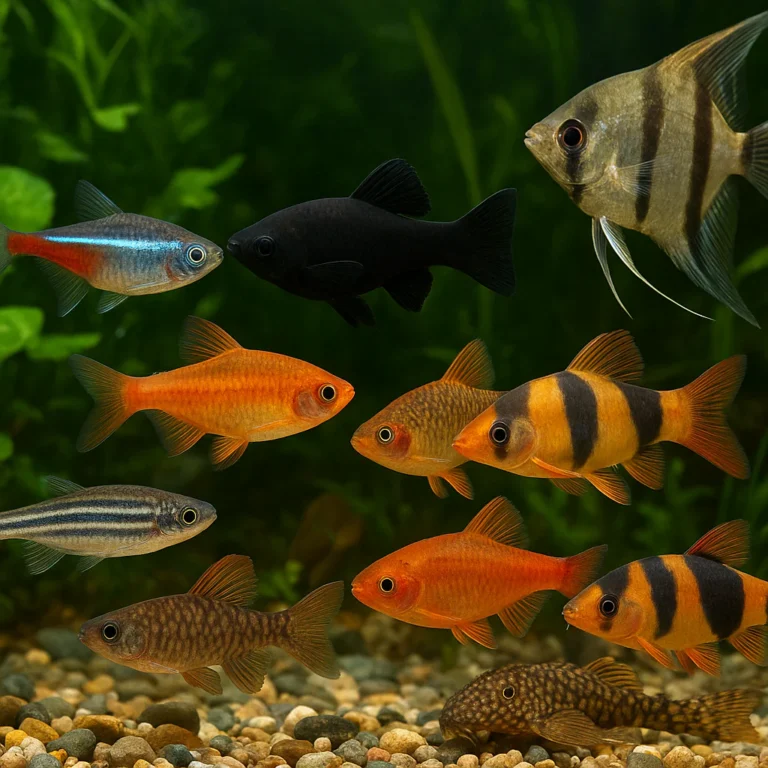
- Omnivores (The Generalists): These are your Tetras, Guppies, and Angelfish. They need a mix of protein and plant matter. A diet too high in protein can lead to bloating; too low, and they lose color.
- Carnivores (The Meat-Eaters): Think Oscars, Cichlids, and Bettas. They require high-protein diets. Feding them too much vegetable matter can cause digestive impaction.
- Herbivores (The Grazers): Your Plecos, Mollies, and Discus (to an extent) need constant access to algae, spirulina, and vegetable matter.
Pro Tip from the Aquarium Music™ Team: We once had a client with a tank full of vibrant Discus that were turning pale. We discovered they were being fed only high-protein beef heart. Switching to a spirulina-rich diet restored their electric blue hues in weeks.
2. Selecting the Best Flakes, Pelets, and Wafers
Choosing the right form factor is just as important as the ingredients.
| Food Type | Best For | Pros | Cons |
|---|---|---|---|
| Flakes | Surface feeders (Tetras, Guppies) | Easy to use, good variety | Can cloud water if overfed, floats away |
| Pelets | Mid-water feeders (Angelfish, Cichlids) | Sinks slowly, less waste | Can be too hard for small fish |
| Wafers | Bottom dwellers (Plecos, Corydoras) | Sinks fast, stays intact | Must be placed near the bottom |
| Granules | Small mouth species (Rasboras) | Small bite size, easy to digest | Can dissolve too fast if not careful |
When selecting brands, look for high-quality protein sources listed first (like fish meal, not “meat by-product”). Brands like Hikari, Seachem, and API are industry standards for a reason.
👉 Shop Premium Flakes on:
- Hikari: Amazon | Official Site
- Seachem: Amazon | Official Site
3. The Secret to Successful Live and Frozen Food Integration
If you want your fish to truly thrive, you must introduce live and frozen foods. This isn’t just about variety; it’s about bioavailability.
- Frozen Foods: Brine shrimp, bloodworms, and mysis shrimp are excellent. They are pre-portioned and free of parasites (unlike some live foods).
- Live Foods: Daphnia, blackworms, and brine shrimp stimulate the fish’s hunting instinct.
The “Thawing” Technique: Never throw a frozen cube straight into the tank. It can shock the fish and lower the water temperature. Instead, place the cube in a small cup of tank water, let it thaw, and then pour it in.
Curiosity Check: Have you ever wondered why some fish seem to ignore their food one day and gorge the next? It often comes down to water parameters and stress levels. We’ll dive deeper into how water quality dictates appetite in the next section.
4. Establishing a Feding Schedule That Prevents Overfeeding
Consistency is key. Fish thrive on routine.
- Morning Feed: A light meal to start the day.
- Evening Feed: A slightly larger meal, as many fish are crepuscular (active at dawn/dusk).
- The Fasting Day: Pick one day a week (usually Sunday) to skip feeding entirely.
How to measure: Use a measuring spoon or a dedicated feeder tool. If you have a large tank, consider an automatic feeder to maintain consistency when you’re away.
👉 Shop Automatic Feeders on:
- Eheim: Amazon | Official Site
- Fluval: Amazon | Official Site
🦈 Deep Dive into Marine and Saltwater Nutrition Strategies
Saltwater aquariums are the pinnacle of the hobby, but they demand a more sophisticated approach to feeding. The ecosystem is more fragile, and the inhabitants are often more specialized.
1. Feding Reef Invertebrates and Corals
In a reef tank, you aren’t just feeding fish; you’re feeding a city of invertebrates.
- Corals: Many SPS (Small Polyp Stony) and LPS (Large Polyp Stony) corals rely on zoplankton and dissolved organic matter. While they get energy from their symbiotic algae (zooxanthellae), supplemental feeding boosts growth and color.
- Invertebrates: Shrimp, crabs, and snails need algae wafers and meaty foods.
Target Feding: For corals, we use a baster or a feeding syringe to deliver food directly to the polyps. This prevents waste from settling on the sand and fouling the water.
2. Target Feding Techniques for Agressive Predators
As highlighted in the New England Aquarium’s successful programs, target training is a game-changer for large marine tanks.
- The Method: Use a long pole with a target (like a colored circle) attached. Train the fish touch the target with their nose, then reward them with food.
- The Benefit: This allows you to feed shy or smaller fish without them being bullied by aggressive tank mates. It also reduces stress during veterinary checks.
Real-World Application: In our own saltwater setups, we’ve used this technique to ensure that a timid Clownfish gets its share of frozen mysis shrimp without being chased off by a boisterous Damselfish.
3. Balancing Protein and Fats for Color Enhancement
Marine fish are notorious for their vibrant colors. To maintain this, you need carotenoids and astaxanthin.
- Protein: Essential for growth. Look for foods with high marine protein content.
- Fats: Omega-3 fatty acids are crucial for immune health.
- Color Enhancers: Spirulina and astaxanthin are the gold standards for reds and oranges.
Top Brand Picks for Marine:
- Ref Nutrition: Amazon | Official Site
- Two Little Fishies: Amazon | Official Site
🌿 Plant-Based Diets for Herbivores and Omnivores
Many hobbyists forget that a significant portion of aquarium fish are herbivores or omnivores that require substantial plant matter.
- Algae Wafers: The staple for Plecos and Otocinclus.
- Blanched Vegetables: Zucchini, spinach, and peas are excellent treats for Cichlids and Goldfish.
- Spirulina: A blue-green algae supplement that boosts the immune system and enhances color.
The “Grazing” Concept: In the wild, herbivorous fish graze almost constantly. In captivity, they need multiple small feedings or continuous access to algae wafers.
Fun Fact: Did you know that some fish, like the Oscar, are actually opportunistic omnivores that will eat plants if they can’t find meat? But a diet too high in plants can lead to malnutrition.
🧪 Water Quality Management: The Hidden Link to Feding Success
You can buy the most expensive food in the world, but if your water quality is poor, your fish won’t eat, or worse, they’ll get sick.
The Nitrogen Cycle Connection:
- Amonia: Produced by waste and uneaten food. Toxic to fish.
- Nitrite: Intermediate stage, still toxic.
- Nitrate: The end product, less toxic but harmful in high concentrations.
The Feding-Water Feedback Loop:
- You overfeed.
- Uneaten food decays.
- Amonia spikes.
- Fish stop eating (loss of appetite is a sign of stress).
- Water quality deteriorates further.
Solution: Regular water changes (20-30% weekly) and siphoning the substrate to remove debris are non-negotiable.
Check Your Water:
- API Freshwater Master Test Kit: Amazon | Official Site
- Salifert Saltwater Test Kit: Amazon | Official Site
🚫 Common Feding Mistakes That Kill Fish (And How to Avoid Them)
Let’s be honest: we’ve all been there. But some mistakes are fatal.
- Overfeeding: The #1 killer. It leads to amonia spikes and bloat.
Fix: Stick to the 2-minute rule. - Feding the Wrong Food: Feding a herbivore a meat-heavy diet.
Fix: Research your species’ natural diet. - Ignoring Bottom Dwellers: Leting the top feeders eat everything.
Fix: Use sinking foods and target feed. - Feding Live Food from the Wild: Risk of introducing parasites.
Fix: Buy frozen or cultured live food from reputable sources.
🛠️ Essential Tools and Gadgets for Precision Feding
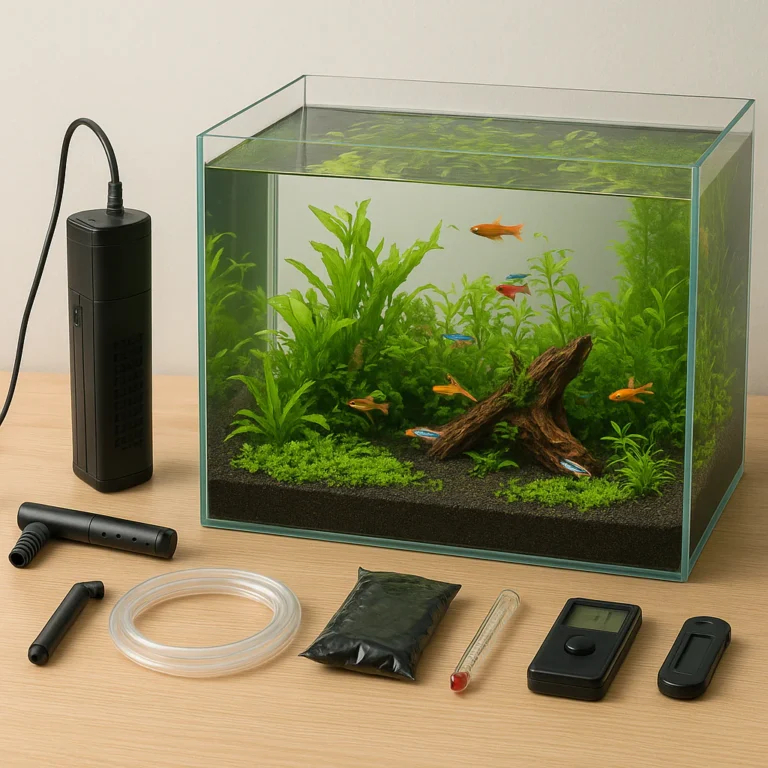
Gone are the days of just shaking flakes into the water. Here are the tools we swear by at Aquarium Music™:
- Feding Rings: Keeps food in one area, preventing it from floating away.
- Basters/Syringes: For target feeding corals and shy fish.
- Automatic Feeders: For consistency during vacations.
- Tongs: For placing large wafers or live food without getting your hands wet.
👉 Shop Feding Tools on:
🏆 Top Brand Recommendations for Premium Aquatic Nutrition
We’ve tested hundreds of brands. Here are our top picks based on ingredient quality, palatability, and water clarity.
| Brand | Best For | Key Feature | Rating (1-10) |
|---|---|---|---|
| Hikari | Freshwater & Marine | High digestibility, color enhancement | 9.5 |
| Seachem | Sensitive Species | Natural ingredients, no fillers | 9.0 |
| Ref Nutrition | Reef Tanks | Specialized coral foods | 9.5 |
| Fluval | General Use | Wide variety, good value | 8.5 |
| Twinstar | Herbivores | High spirulina content | 9.0 |
Why we trust Hikari: Their “Hikari Gold” line is legendary for its ability to enhance color without clouding the water. It’s a staple in our tanks.
Why we love Seachem: Their “Vegie Wafers” are perfect for herbivores, made with real spinach and spirulina, not just green dye.
👉 Shop Top Brands:
- Hikari: Amazon | Official Site
- Seachem: Amazon | Official Site
- Ref Nutrition: Amazon | Official Site
💡 Quick Tips and Facts
Wait, we said were done with quick tips? Not so fast! Here are a few more golden nugets you might have missed:
- The “Smell” Test: If your fish food smells like fish oil, it’s fresh. If it smells like rancid grease, toss it.
- Storage Matters: Keep food in a cool, dark place. Heat and light degrade vitamins.
- The “One Drop” Rule: For tiny fish like Neon Tetras, a single drop of liquid food can be enough for the whole tank.
- Observe Behavior: If fish are hiding, they might be sick or stressed. Don’t force-feed them.
Final Thought: Remember, feeding is not just about filling bellies; it’s about interaction, observation, and care. The way you feed your fish tells you everything you need to know about their health.
🏁 Conclusion

We’ve journeyed from the ancient Roman marble pools to the high-tech target training of modern aquariums. We’ve explored the nuances of freshwater and marine nutrition, debunked myths about overfeeding, and highlighted the critical link between water quality and diet.
The secret to a thriving aquarium isn’t just about buying the most expensive food. It’s about understanding your fish, observing their behavior, and maintaining a balanced ecosystem. Whether you’re a beginner with a single Beta or a seasoned aquascaper with a massive reef tank, the principles remain the same: variety, moderation, and consistency.
So, the next time you reach for that bag of flakes, ask yourself: “Is this the best I can do for my fined friends?” Because when you feed them right, they don’t just survive; they thrive, displaying colors and behaviors that will leave you in awe.
Ready to take your aquarium to the next level? Check out our guides on Aquarium Setup and Aquascaping and Aquatic Plants to create the perfect environment for your aquatic symphony.
🔗 Recommended Links
- Books:
The Conscientious Marine Aquarium by Robert M. Fener: Amazon
Freshwater Aquariums for Dummies by Mike H. Hargreaves: Amazon - Products:
Hikari Sinking Wafers: Amazon
Seachem Fluval Vegie Wafers: Amazon
Ref Nutrition Reef Roids: Amazon
Eheim Automatic Feder: Amazon
❓ FAQ

What are essential tips for creating a healthy environment for aquatic life?
Creating a healthy environment starts with cycling your tank before adding fish. Maintain stable water parameters (pH, temperature, hardness), perform regular water changes (20-30% weekly), and avoid overcrowding. For more on setup, visit our Aquarium Setup category.
Read more about “Aquatic Pet Care: 34 Pro Tips for 2026! 🌊”
How does water quality affect the feeding and care of aquatic animals?
Poor water quality (high ammonia or nitrite) causes stress, leading to a loss of appetite and susceptibility to disease. Uneaten food decays, worsening water quality. It’s a vicious cycle. Regular testing and water changes are essential to break it.
Read more about “🐠 Ultimate Aquatic Animal Care Guide: Thrive in 2026”
What are common signs of overfeeding in aquatic life?
Signs include cloudy water, excessive waste, algae blooms, and fish showing bloating or lethargy. If food remains after 2 minutes, you’ve overfed.
Read more about “🌊 7 Signs of a Healthy & Thriving Fish Tank Ecosystem (2026)”
How can I maintain a balanced diet for my aquatic pets?
Offer a variety of foods: flakes, pellets, frozen, and live. Include plant-based options for herbivores and high-protein foods for carnivores. Supplement with vitamins if necessary.
Read more about “Mastering Aquatic Pet Care and Health: 12 Expert Secrets for 2026 🐠”
What types of food are best for different species of aquatic life?
- Tropical Fish: High-quality flakes and pellets.
- Bottom Dwellers: Sinking wafers.
- Herbivores: Spirulina, algae wafers, blanched veggies.
- Carnivores: Frozen bloodworms, brine shrimp, mysis.
Read more about “🐠 Large Aquarium Tanks: The Ultimate 2026 Guide to Size, Safety & Stats”
How often should I feed my aquarium fish for optimal health?
Most fish thrive on 1-2 feedings per day. Fasting one day a week is beneficial. Adjust based on species and water temperature.
Read more about “🌊 15 Essential Marine Aquarium Livestock to Build Your Perfect Reef (2026)”
What are the best feeding practices for freshwater aquatic life?
Use the 2-minute rule, vary the diet, and ensure bottom dwellers get food. Avoid overfeeding and remove uneaten food promptly.
Read more about “🌿 Stop Algae for Good: 7 Steps to a Crystal-Clear Tank (2026)”
What are the best foods for freshwater aquarium fish?
Top brands include Hikari, Seachem, and API. Look for foods with high-quality protein and no fillers.
Read more about “🏆 Top 10 Best Fish for a Home Aquarium (2026)”
How often should I feed my saltwater aquarium inhabitants?
Saltwater fish often benefit from 2-3 feedings per day, especially corals and invertebrates. Use target feeding for specific species.
Read more about “🌊 Marine Aquarium Nutrition: 15 Secrets to Feed Your Reef (2026)”
What are the signs of overfeeding in aquatic pets?
Cloudy water, algae growth, fish lethargy, and bloating are key indicators.
Read more about “Master Home Aquarium Maintenance: 15 Expert Steps for 2026 🐠”
How do I create a balanced diet for tropical fish?
Mix flakes, pellets, and frozen foods. Include spirulina for color and protein for growth.
Read more about “🌿 15 Best Plants for a Fish Tank: The Ultimate 2026 Guide”
What natural foods can I add to my aquarium?
Blanched zucchini, spinach, peas, and brine shrimp are great natural additions.
Read more about “🐠 How to Introduce New Fish to an Existing Tank (2026)”
How does water temperature affect aquatic life feeding?
Colder water slows metabolism, reducing appetite. Warmer water increases metabolism, requiring more frequent feeding.
Read more about “🐟 How Often to Feed Fish & Best Foods (2026 Guide)”
What are the specific dietary needs for coral and invertebrates?
Corals need zoplankton and dissolved organic matter. Invertebrates need algae wafers and meaty foods. Use target feeding for precision.
📚 Reference Links
- New England Aquarium: Target Training, Stick Feding and Enrichment at the Aquarium
- National Institutes of Health (NIH): Impacts of Waste from Concentrated Animal Feding Operations on Water Quality
- Hikari USA: Official Website
- Seachem: Official Website
- Ref Nutrition: Official Website
- Fluval: Official Website
- API Fish Care: Official Website
- Two Little Fishies: Official Website
- Eheim: Official Website