Support our educational content for free when you purchase through links on our site. Learn more
🐠 Ultimate Aquatic Animal Care Guide: Thrive in 2026

True aquatic animal care isn’t about keeping fish alive; it’s about creating a thriving, self-sustaining ecosystem where every fin flick tells a story of health and happiness. You can skip the guesswork by mastering the nitrogen cycle, stabilizing water parameters, and providing species-specific nutrition from day one.
Many hobbyists start with a small bowl and a single Beta, only to watch the water turn cloudy and the fish fade within weeks. We’ve all been there, staring at a sad, listless fish and wondering what went wrong. The truth is, fish are incredibly sensitive to their environment, and a tiny shift in pH or a spike in ammonia can be fatal.
Did you know that over 50% of new aquariums fail within the first six months due to improper cycling? It’s a heartbreaking statistic, but one that is easily avoidable with the right knowledge. At Aquarium Music™, we’ve seen tanks transform from murky green to crystal-clear paradises simply by respecting the biology of the water.
Whether you are setting up your first 10-gallon tank or managing a complex reef, the principles remain the same: stability is king, and observation is your best tool. Let’s dive into the symphony of life that awaits you.
Key Takeaways
- Stability beats perfection: Maintaining consistent water parameters is far more critical than chasing “perfect” numbers that fluctuate daily.
- The Nitrogen Cycle is non-negotiable: Never add fish to an uncycled tank; establish beneficial bacteria first to prevent toxic ammonia spikes.
- Species-specific needs matter: Research the natural habitat, diet, and social behavior of every animal before adding it to your tank.
- Regular maintenance is key: A strict schedule of water changes and filter cleaning prevents disease and keeps your aquatic pets vibrant.
- Quarantine new arrivals: Isolate new fish for 2-4 weeks to prevent introducing parasites or diseases to your established ecosystem.
Table of Contents
- ⚡️ Quick Tips and Facts
- 📜 A Brief History of Keeping Aquatic Animals: From Ancient Ponds to Modern Tanks
- 🏠 Setting Up the Perfect Habitat: Tank Selection, Filtration, and Substrate
- 💧 Mastering Water Chemistry: Parameters, Cycling, and Stability
- 🥗 Nutrition and Feding Strategies for Freshwater and Saltwater Species
- 🐟 Top 15 Beginner-Friendly Aquatic Pets That Thrive in Home Aquariums
- 🐠 Advanced Care for Specialized Species: Discus, Discus, and Reef Inhabitants
- 🚑 Diagnosing and Treating Common Aquatic Diseases and Parasites
- 🌿 Aquascaping 101: Creating a Thriving Underwater Ecosystem
- 🔄 Maintenance Routines: Weekly, Monthly, and Seasonal Care Schedules
- 🤝 Tank Mates and Compatibility: Avoiding Agression and Stress
- 🔬 Breding Aquatic Animals: From Spawning to Fry Rearing
- ❓ Frequently Asked Questions About Aquatic Animal Care
- 📚 Recommended Links and Resources
- 🔗 Reference Links
- 🏁 Conclusion
⚡️ Quick Tips and Facts
Before we dive into the deep end of aquatic animal care, let’s hit the pause button on the “set it and forget it” myth. That approach is a one-way ticket to a cloudy tank and a very sad fish. Here are the non-negotiables that separate the hobbyists from the masters at Aquarium Music™:
- The Nitrogen Cycle is King: You cannot skip this. It’s the biological engine that converts toxic ammonia (fish poop) into nitrite, and finally into harmless nitrate. Never add fish until your cycle is complete.
- Water Changes are Not Optional: Even the best filters can’t do everything. A 20-30% weekly water change is the single most effective way to remove dissolved organics and replenish trace elements.
- Temperature Stability: Fluctuations stress fish more than slightly sub-optimal temperatures. Use a reliable heater and a thermometer to keep the variance under 1°F (0.5°C).
- Overfeeding is the Silent Killer: Most beginners kill their fish with kindness. Feed only what they can consume in 2 minutes, once or twice a day.
- Quarantine New Arrivals: That cute new fish from the store could be carrying parasites. A 2-4 week quarantine in a separate tank saves your main display from disaster.
For a deep dive into the science behind these rules, check out our guide on 🌊 How to Maintain Perfect Water Quality in Your Fish Tank (2026).
📜 A Brief History of Keeping Aquatic Animals: From Ancient Ponds to Modern Tanks

Did you know that the concept of the “aquarium” is surprisingly modern, even though humans have been keeping fish for millennia? It wasn’t always about neon tetras and LED lights.
The Ancient Roots
The story begins in Ancient China, around 20 years ago, where people kept goldfish in porcelain bowls. They weren’t just pets; they were living art. The Chinese selectively bred goldfish from the Prussian carp, creating the fantails and bubble-eyes we know today. Meanwhile, in Rome, the wealthy kept sea bass in elaborate saltwater ponds attached to their villas, treating them as status symbols rather than companions.
The Victorian Revolution
Fast forward to the 19th century. The invention of glassblowing allowed for larger, clearer viewing windows. But the real game-changer? Robert Warington, a British chemist, who in 1850 demonstrated that a balanced ecosystem could sustain life in a sealed glass jar. He realized that plants produced oxygen for the fish, and fish waste fed the plants. This was the birth of the modern aquarium.
The Modern Era
Today, we’ve moved from clay pots to smart tanks with app-controlled lighting and automated feeders. We understand aquatic animal welfare on a level our ancestors couldn’t dream of. We know that fish feel pain, experience stress, and have complex social structures.
Fun Fact: The first public aquarium opened in London’s Regent’s Park in 1853. It was so popular that it sparked an “aquarium mania” across Europe!
🏠 Setting Up the Perfect Habitat: Tank Selection, Filtration, and Substrate
Choosing the right home for your aquatic charges is like picking a house: location, size, and amenities matter. But unlike real estate, you can’t just knock down a wall if the tank is too small.
Tank Size Matters More Than You Think
There is a persistent myth that “small fish need small tanks.” This is false. Small fish often produce a lot of waste relative to their size, and they need swimming room to exhibit natural behaviors.
- Beginer Recommendation: Start with a 20-gallon (75L) tank. It offers enough water volume to stabilize parameters quickly, unlike a 5-gallon bowl which can swing wildly in temperature and chemistry.
- The “Big Tank” Advantage: Larger bodies of water are more forgiving. If you accidentally overfeed, the dilution factor in a 5-gallon tank is much higher than in a 10-gallon.
Filtration: The Heart of the System
A filter isn’t just a box that makes the water look clean; it’s a biological factory.
- Mechanical Filtration: Traps debris (pop, uneaten food).
- Chemical Filtration: Uses media like activated carbon or Seachem Purigen to remove dissolved organics and odors.
- Biological Filtration: The holy grail. This is where beneficial bacteria (Nitrosomonas and Nitrobacter) colonize and break down toxins.
Pro Tip: Never rinse your filter media in tap water! The chlorine will kill your beneficial bacteria. Always rinse it in old tank water during a water change.
Substrate: More Than Just Pretty Rocks
Your substrate choice affects water chemistry and fish behavior.
- Sand: Great for bottom dwellers like Corydoras and Loaches. It prevents them from damaging their delicate barbels.
- Gravel: Easier to clean with a siphon, but can trap debris if the grains are too large.
- Soil (Aquasoil): Essential for planted tanks. It buffers pH and provides nutrients for roots. Brands like ADA Amazonia or Seachem Flourite are industry standards.
👉 CHECK PRICE on:
- Aqueon Standard Glass Aquariums: Amazon | Petco | Aqueon Official
- Fluval FX6 Canister Filter: Amazon | Chewy | Fluval Official
- Seachem Flourite Black Gravel: Amazon | Bulk Reef Supply | Seachem Official
💧 Mastering Water Chemistry: Parameters, Cycling, and Stability
If you think water is just “wet stuff,” think again. It’s a complex chemical soup that your fish rely on for survival. Understanding water chemistry is the difference between a thriving ecosystem and a graveyard.
The Big Three Parameters
- Amonia (NH3/NH4+): Toxic at any level. Produced by fish waste and decaying food. Target: 0 ppm.
- Nitrite (NO2-): Also toxic. Produced by the first stage of the nitrogen cycle. Target: 0 ppm.
- Nitrate (NO3-): Less toxic, but harmful in high concentrations. Produced by the second stage. Target: <20 ppm for sensitive species, <40 ppm for hardy fish.
The Nitrogen Cycle Explained
This is the process of establishing a colony of beneficial bacteria.
- Step 1: Amonia spikes (from fish or fish food).
- Step 2: Nitrosomonas bacteria convert Amonia to Nitrite.
- Step 3: Nitrobacter bacteria convert Nitrite to Nitrate.
- Step 4: You remove Nitrate via water changes.
Cycling Methods:
- Fishless Cycling: The gold standard. Add pure ammonia or fish food to the empty tank to feed bacteria. No fish are harmed.
- Fish-in Cycling: Not recommended. Fish are exposed toxins while the cycle establishes. If you must, use Seachem Stability or Tetra SafeStart to jumpstart bacteria, but monitor water daily.
pH, Hardness, and Temperature
- pH: Measures acidity. Most freshwater fish prefer 6.5–7.5. Saltwater is usually 8.1–8.4.
- GH (General Hardness): Measures dissolved minerals (calcium, magnesium). Crucial for shrimp and breeding.
- KH (Carbonate Hardness): The buffer that stabilizes pH. Low KH leads to “pH crash.”
Testing is Key: Don’t guess. Use liquid test kits like API Freshwater Master Test Kit or Salifert for saltwater. Strips are okay for a quick check, but liquid kits are far more accurate.
🥗 Nutrition and Feding Strategies for Freshwater and Saltwater Species
You wouldn’t eat pizza every day for every meal, so why should your fish? A varied diet is crucial for vibrant colors, strong immune systems, and successful breeding.
Understanding Dietary Needs
- Omnivores: The majority of aquarium fish (Guppies, Tetras, Cichlids). They need a mix of protein and plant matter.
- Carnivores: Predators like Oscars, Arowanas, and many saltwater fish. They require high-protein diets (brine shrimp, bloodworms, mysis).
- Herbivores: Algae eaters like Plecos and Tangs. They need constant access to vegetable matter (spirulina, blanched zucchini).
Feding Techniques
- Variety is Vital: Rotate between flakes, pellets, frozen, and live foods.
- Soak Frozen Foods: Always thaw frozen food in a small amount of tank water before feeding to prevent digestive issues.
- Target Feding: Use a turkey baster or feeding ring to direct food to specific fish, ensuring the shy ones get a share.
Common Mistake: Overfeeding. Uneaten food rots, spikes ammonia, and clouds the water. If you see food sinking to the bottom after 2 minutes, you’ve fed too much.
👉 Shop
- Hikari Tropical Pelets: Amazon | Chewy | Hikari Official
- Seachem NutriDiet Flakes: Amazon | Petco | Seachem Official
- New Life Spectrum Marine Pelets: Amazon | Bulk Reef Supply | New Life Spectrum Official
🐟 Top 15 Beginner-Friendly Aquatic Pets That Thrive in Home Aquariums
Looking for a starter cast? These 15 species are hardy, forgiving, and bring personality to your tank. Remember, “beginer-friendly” doesn’t mean “low maintenance.” They still need clean water!
- Neon Tetra: The classic. Schooling fish that look stunning in groups of 6+.
- Platy: Livebearers that come in a rainbow of colors. Great for beginners.
- Molly: Hardy and adaptable. Can handle slightly harder water.
- Guppy: The “million fish” for a reason. Breds easily and has endless color variations.
- Zebra Danio: Active, hardy, and perfect for the top of the tank.
- Corydoras Catfish: The ultimate cleanup crew. Peaceful bottom dwellers.
- Betta Fish: Beautiful and solitary. Do not keep with other Bettas or fin-nippers.
- Otocinclus: Tiny algae eaters that are peaceful and effective.
- Swordtail: Similar to Platies but with a distinct tail shape. Active and colorful.
- Harlequin Rasbora: A schooling fish that is slightly hardier than Neon Tetras.
- Cherry Barb: A peaceful schooling fish that turns bright red when mature.
- White Cloud Mountain Minow: Perfect for unheated tanks (coldwater fish).
- Endler’s Livebearer: A smaller, wilder cousin of the Guppy.
- Kuhli Loach: Eel-like, nocturnal, and fun to watch. Needs sand substrate.
- Cherry Shrimp: Great for small tanks and algae control.
Note: Always research the adult size of any fish. A “small” fish at the store might grow to 6 inches!
🐠 Advanced Care for Specialized Species: Discus, Discus, and Reef Inhabitants
Once you’ve mastered the basics, you might be tempted by the “big leagues.” Discus and Ref Tanks require precision, patience, and a deeper understanding of aquatic animal care.
The Discus: The King of the Aquarium
Discus are stunning but notoriously sensitive.
- Water Quality: They demand pristine water. Amonia and nitrate must be near zero.
- Temperature: They prefer warmer water, around 82-86°F (28-30°C).
- Diet: They are carnivorous and need high-protein foods like beef heart or specialized Discus pellets.
- Tank Size: A minimum of 5 gallons for a small group, but 75+ is better.
Reef Tanks: The Ultimate Challenge
Keeping a saltwater reef with corals and invertebrates is like running a miniature ocean.
- Stability: Parameters must be rock solid. Fluctuations in salinity or calcium can kill corals instantly.
- Lighting: Corals need specific spectrums and intensities (PAR) to photosynthesize.
- Protein Skimmer: Essential for removing organic waste before it breaks down.
Comparison: Freshwater vs. Saltwater Care
| Feature | Freshwater (General) | Saltwater (Ref) |
|---|---|---|
| Setup Cost | Low to Moderate | High |
| Maintenance | Weekly water changes | Daily/Weekly testing, frequent water changes |
| Water Stability | Moderate | Extremely Critical |
| Filtration | Canister/Hang-on-Back | Protein Skimmer + Canister + Refugium |
| Difficulty | Beginner to Intermediate | Advanced |
👉 CHECK PRICE on:
- Fluval Sea Marine Salt: Amazon | Bulk Reef Supply | Fluval Official
- Red Sea Reef Foundation A+B+C+D: Amazon | Marine Depot | Red Sea Official
🚑 Diagnosing and Treating Common Aquatic Diseases and Parasites
Even with perfect care, fish can get sick. Early detection is the key to survival.
Common Symptoms
- Clamped Fins: Fish holds fins tight against body. Indicates stress or illness.
- White Spots (Ich): Looks like salt grains on the fish. Caused by a parasite.
- Fin Rot: Fins look raged or disintegrating. Often bacterial.
- Gasping at Surface: Low oxygen or ammonia poisoning.
Treatment Strategies
- Isolate: Move the sick fish to a hospital tank to prevent spreading disease and to treat without harming beneficial bacteria in the main tank.
- Water Change: Immediately perform a 50% water change to dilute toxins.
- Medication:
Ich: Raise temperature to 86°F and use Kordon Rid-Ich Plus.
Fin Rot: Use Seachem Kanaplex or API Melafix.
Fungal: Use API Fungus Cure.
Pro Tip: Always remove activated carbon from the filter before adding medication, as it absorbs the medicine!
🌿 Aquascaping 101: Creating a Thriving Underwater Ecosystem
Aquascaping is the art of arranging plants, rocks, and wood in an aquarium to create a natural-looking landscape. It’s not just about looks; it’s about ecological balance.
The Hardscape
- Driftwood: Releases tannins that lower pH and mimic blackwater environments. Brands like Tropica offer pre-treated wood.
- Rocks: Seiryu stone, Dragon stone, or Lava rock. Ensure they are safe for aquariums (no limestone if you want soft water).
Plant Selection
- Foreground: Small carpeting plants like Hemianthus callitrichoides (HC) or Dwarf Hairgrass.
- Midground: Stem plants like Rotala or Ludwigia.
- Background: Tall plants like Amazon Sword or Vallisneria.
CO2 Injection
For a lush, high-tech look, injecting CO2 is a game-changer. It boosts plant growth and helps plants outcompete algae. However, it requires careful monitoring of pH and KH.
👉 Shop
- ADA Aqua Soil Amazonia: Amazon | Bulk Reef Supply | ADA Official
- Seachem Flourish Excel: Amazon | Chewy | Seachem Official
🔄 Maintenance Routines: Weekly, Monthly, and Seasonal Care Schedules
Consistency is the heartbeat of a healthy tank. Here is a routine that keeps the Aquarium Music™ team’s tanks running smoothly.
Weekly Routine
- Test Water: Check Amonia, Nitrite, Nitrate, and pH.
- Water Change: 25-30% of the tank volume.
- Vacuum Substrate: Remove debris and fish waste.
- Clean Glass: Scrape algae from the front glass.
- Check Equipment: Ensure filters, heaters, and lights are working.
Monthly Routine
- Deep Clean Filter: Rinse mechanical media in tank water. Replace chemical media (carbon) if needed.
- Trim Plants: Remove dead leaves and trim overgrown stems.
- Check Hardscape: Ensure wood and rocks haven’t shifted.
Seasonal Adjustments
- Summer: Water evaporates faster; top off with dechlorinated water. Check heater settings (room temp is higher).
- Winter: Ensure the room doesn’t get too cold. Insulate the tank if necessary.
🤝 Tank Mates and Compatibility: Avoiding Agression and Stress
Not all fish get along. Mixing the wrong species can lead to a tank full of nipped fins and stressed-out fish.
Compatibility Factors
- Temperament: Don’t mix aggressive Cichlids with peaceful Tetras.
- Size: A 6-inch fish will eat a 1-inch fish.
- Water Parameters: Ensure all species have similar pH and temperature requirements.
- Schooling Needs: Many fish (Tetras, Rasboras) need groups of 6+ to feel safe. A single fish will be stressed and hide.
Common Mistakes
- Overcrowding: Too many fish in a small space leads to aggression and poor water quality.
- Wrong Tank Size: Putting a large, active fish in a small tank causes stress.
Pro Tip: Always add the most aggressive fish last, or introduce them to an established tank where they can’t claim territory immediately.
🔬 Breding Aquatic Animals: From Spawning to Fry Rearing
Ready to take on the ultimate challenge? Breding aquatic animals is rewarding but requires specific conditions.
Spawning Triggers
- Water Changes: Simulate the rainy season with large, frequent water changes.
- Temperature: Slight increase in temperature can trigger spawning.
- Diet: High-quality live or frozen foods boost egg production.
Rearing Fry
- Separation: Move parents or fry to a separate tank to prevent cannibalism.
- Food: Fry need tiny foods like infusoria, baby brine shrimp, or crushed high-quality flakes.
- Water Quality: Fry are extremely sensitive to ammonia. Perform small, frequent water changes.
🌊 Featured Video: The Ethics of Aquatic Animal Welfare
Before we wrap up the technical stuff, we need to address a crucial perspective that often gets overlooked in the hobbyist world.
In the video below, we explore the sentience of aquatic animals. It challenges the notion that fish are simple creatures without feelings. The video highlights the vast scale of the industry, from wild capture to aquaculture, and introduces the four stages of suffering in wild fisheries and the five welfare pillars for farmed fish.
Key Takeaway: As aquarists, we have a responsibility to provide not just survival, but welfare. This means providing environmental enrichment, appropriate stocking densities, and humane handling.
Watch the video on Aquatic Animal Welfare
The video emphasizes that understanding the emotional lives of our aquatic charges should drive our care practices. For more on this, visit the Aquatic Life Institute.
Conclusion

Keeping aquatic animals is a journey of continuous learning. From the ancient goldfish ponds of China to the high-tech reef tanks of today, the core principle remains the same: respect the water.
We’ve covered everything from the basics of the nitrogen cycle to the intricacies of breeding Discus. Remember, the most important tool in your arsenal isn’t the most expensive filter or the fanciest heater—it’s your observation skills. Watch your fish, test your water, and adjust as needed.
Final Recommendation:
If you are a beginner, start with a 20-gallon tank, a canister filter, and a group of Neon Tetras or Platies. Invest in a liquid test kit and commit to weekly water changes. Avoid the temptation to overstock. A stable, slightly under-stocked tank is far better than an overcrowded, unstable one.
For those ready to advance, consider the Aquatic Animal Health programs at the University of Florida or Huson University to deepen your professional knowledge. Whether you are a hobbyist or a future veterinarian, the goal is the same: to create a thriving, harmonious underwater world.
👉 CHECK PRICE on:
- API Freshwater Master Test Kit: Amazon | Petco | API Official
- Fluval Plant 3.0 LED Light: Amazon | Chewy | Fluval Official
Recommended Links
Essential Books:
- The Simple Guide to Freshwater Aquariums by David Alderton
- Ref Aquarium Fishes by Eric Borneman
- Aquarium Plants: The Complete Guide by Franko
Online Resources:
- Aquarium Music™: Aquarium Setup
- Aquarium Music™: Fish Care and Species Profiles
- Aquarium Music™: Aquascaping and Aquatic Plants
FAQ

What equipment is necessary for effective aquatic animal care?
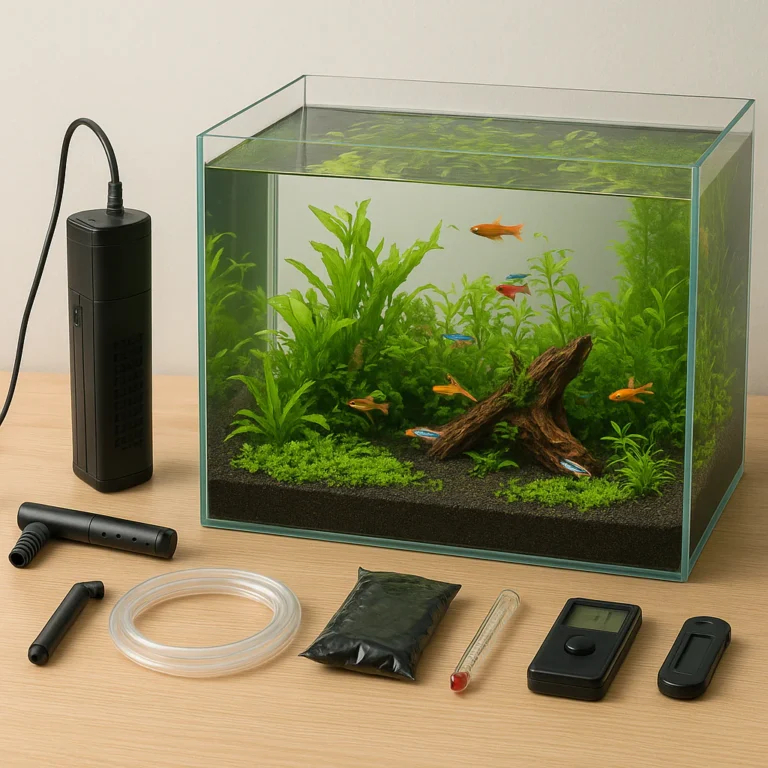
To effectively care for aquatic animals, you need a tank (glass or acrylic), a filtration system (mechanical, chemical, biological), a heater (for tropical species), a thermometer, a lighting system, and water testing kits. Additionally, a siphon for water changes and aquarium-safe decorations are essential.
Read more about “Dive Into 9 Must-Join Aquatic Online Communities & Forums (2026) 🌊”
How can you create a natural habitat for aquatic animals in captivity?
Creating a natural habitat involves selecting appropriate substrate (sand or gravel), hardscape (driftwood, rocks), and live plants that mimic the species’ native environment. Research the specific needs of your fish regarding water flow, hiding spots, and lighting. For example, Amazonian fish often prefer tannin-stained water and leaf litter, while African Cichlids need rocky structures.
Read more about “Betta Fish Secrets Unveiled: 12 Expert Tips for Vibrant, Happy Bettas 🐉 (2026)”
What types of food are best for different aquatic species?
- Omnivores: High-quality flakes or pellets with a mix of plant and animal proteins.
- Carnivores: Frozen or live foods like brine shrimp, bloodworms, and mysis shrimp.
- Herbivores: Spirulina-based foods, blanched vegetables (zucchini, spinach), and algae wafers.
- Specialists: Some species, like Discus, require specific high-protein diets.
Read more about “🐠 15 Types of Fish Tanks: The Ultimate Guide (2026)”
How often should you clean an aquarium to ensure proper aquatic animal care?
A weekly water change of 20-30% is standard. Vacuum the substrate during this time. Clean the filter media in tank water (not tap water) once a month to preserve beneficial bacteria. Scrape algae from the glass as needed.
What are common diseases in aquatic animals and how to prevent them?
Common diseases include Ich (White Spot Disease), Fin Rot, and Dropsy. Prevention involves maintaining pristine water quality, quarantining new fish, avoiding overfeeding, and ensuring a stress-free environment with proper tank mates and hiding spots.
Read more about “🌊 Marine Aquarium Nutrition: 15 Secrets to Feed Your Reef (2026)”
How do you maintain a healthy aquatic environment for fish?
Maintain stable water parameters (pH, temperature, hardness), perform regular water changes, ensure adequate filtration, and provide a balanced diet. Avoid sudden changes in water chemistry, as fish are sensitive to fluctuations.
Read more about “🌊 How to Maintain Perfect Water Quality in Your Fish Tank (2026)”
What are the essential tips for beginner aquatic animal care?
- Cycle your tank before adding fish.
- Test water regularly.
- Don’t overfeed.
- Quarantine new arrivals.
- Research your fish’s specific needs before buying.
Read more about “15 Must-Know Freshwater Aquarium Fish Species for 2026 🐠”
What are some tips and best practices for handling and transporting aquatic animals safely and humanely, without causing them undue stress or harm?
Minimize handling. If necessary, use a soft net and keep the fish in the water as much as possible. For transport, use sealed bags with oxygen, filled halfway with water and halfway with air. Keep the bags in a dark, temperature-stable container. Avoid sudden temperature changes.
What are the signs of stress and illness in aquatic animals, and how can I recognize and address them promptly to ensure their care and well-being?
Signs include clamped fins, loss of color, lethargy, gasping at the surface, white spots, or raged fins. Address by testing water parameters immediately, performing a water change, and isolating the sick fish if necessary. Consult a vet or experienced aquarist for specific treatments.
How can I create a balanced ecosystem in my aquarium and maintain the perfect water chemistry for my aquatic animals?
A balanced ecosystem relies on the nitrogen cycle. Ensure you have enough beneficial bacteria (via cycling), use live plants to absorb nitrates, and maintain a proper bioload (number of fish per gallon). Regular testing and water changes are crucial to maintaining perfect chemistry.
What is the ideal diet and nutrition for different types of aquatic animals, including fish, invertebrates, and algae-eating species?
- Fish: Varied diet of flakes, pellets, frozen, and live foods.
- Invertebrates (Shrimp/Crabs): Sinking pellets, algae wafers, and vegetable matter.
- Algae Eaters: Algae wafers, blanched vegetables, and biofilm.
- Carnivores: High-protein frozen foods.
What are the most common diseases affecting aquatic animals and how can I prevent them in my aquarium?
Ich, Fin Rot, and Fungal infections are common. Prevention includes quarantining new fish, maintaining excellent water quality, avoiding overcrowding, and providing a stress-free environment.
How often should I clean and maintain my aquarium to ensure the health and well-being of my aquatic animals?
Weekly: Water changes (20-30%), substrate vacuuming, glass cleaning.
Monthly: Filter media rinsing (in tank water), deep cleaning of decorations.
As needed: Algae scraping, plant trimming.
What are the basic requirements for setting up a home aquarium and maintaining aquatic animal care?
A tank, filter, heater, light, substrate, decorations, water conditioner, and test kit. Regular maintenance, proper feeding, and research on species compatibility are key to long-term success.
Reference Links
- University of Florida College of Veterinary Medicine: Aquatic Animal Health » College of Veterinary Medicine
- Aquatic Life Institute: Aquatic Animal Welfare
- Seachem Laboratories: Aquarium Products
- Fluval: Aquarium Equipment
- API (Aquarium Pharmaceuticals): Fish Care
- Hikari: Fish Food
- ADA (Aqua Design Amano): Aquascaping
- Bulk Reef Supply: Saltwater Aquarium Supplies
- Marine Depot: Ref Aquarium Supplies