Support our educational content for free when you purchase through links on our site. Learn more
🐠 15 Essential Fish Tank Equipment & Supplies You Can’t Skip (2026)

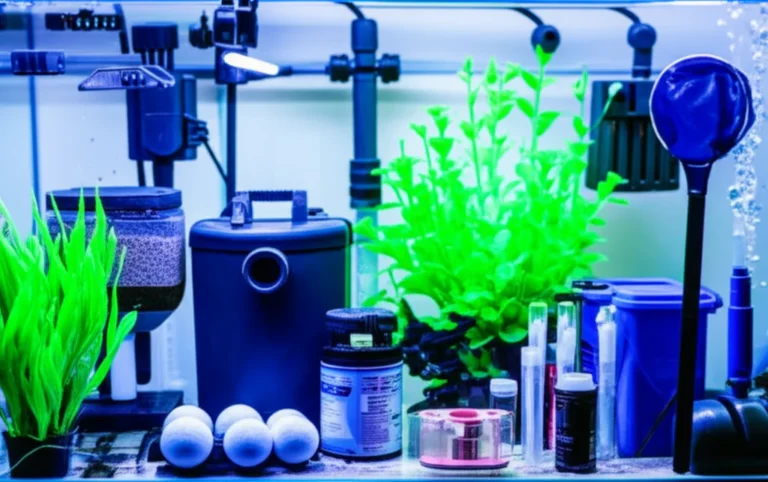
Setting up your very first fish tank can feel like preparing for a grand symphony—every piece of equipment plays a crucial note to keep your aquatic life thriving and vibrant. But what exactly are the essential gear and supplies you need to hit all the right chords? From the tank itself to the tiniest water conditioner drop, missing even one key component can turn your underwater paradise into a watery disaster.
Did you know that nearly 70% of new aquarium setups fail within the first year due to improper equipment choices or neglecting the nitrogen cycle? 😱 Don’t let that be you! In this comprehensive guide, we’ll break down the 15 must-have items that every successful fishkeeper swears by, including expert tips on choosing the right filter, heater, lighting, and even those sneaky extras like CO2 systems and emergency air pumps. Plus, we’ll reveal the one “invisible” secret ingredient that most beginners overlook but makes all the difference.
Ready to dive in and compose your own aquatic masterpiece? Let’s get started!
Key Takeaways
- Choose the right tank size and material—bigger tanks are more forgiving and easier to maintain.
- Filtration is the heart of your aquarium; opt for customizable filters like AquaClear for best results.
- Stable temperature and proper lighting are critical for fish health and plant growth.
- Regular water testing and conditioning prevent toxic buildup and keep fish happy.
- Avoid common mistakes like over-cleaning filters or rushing the nitrogen cycle to ensure long-term success.
- Advanced gear like CO2 systems and smart monitors can elevate your aquascape but aren’t mandatory for beginners.
Curious which brands and models top our expert list? Keep reading for detailed reviews and shopping links to get your tank humming perfectly!
Table of Contents
- ⚡️ Quick Tips and Facts About Essential Fish Tank Equipment
- 🐠 The Aquatic Foundation: Understanding the Basics of Fish Tank Setup
- 1. Essential Equipment for a Healthy Fish Tank
- 2. Must-Have Supplies for Fish Tank Maintenance and Care
- 3. Advanced Equipment and Optional Upgrades for Enthusiasts
- 4. Common Mistakes and How to Avoid Equipment Pitfalls
- 5. Budget-Friendly vs. Premium Equipment: What’s Worth Your Investment?
- Conclusion: Setting Up Your Dream Fish Tank with Confidence
- Recommended Links for Aquarium Equipment and Supplies
- FAQ: Your Burning Questions About Fish Tank Essentials Answered
- Reference Links and Resources for Further Reading
⚡️ Quick Tips and Facts About Essential Fish Tank Equipment
Before we dive into the deep end, here’s a “cheat sheet” to get your fins moving in the right direction:
- The Golden Rule: Bigger is actually easier! Larger volumes of water are more stable and forgive beginner mistakes much better than “nano” tanks.
- The Nitrogen Cycle: You aren’t just keeping fish; you’re farming beneficial bacteria. Never add fish to a brand-new tank without “cycling” it first.
- Surface Agitation: It’s not just for looks; bubbles and ripples are how oxygen enters the water.
- Conditioning is Key: Tap water contains chlorine and chloramines that are toxic to fish. Always use a high-quality water conditioner like Seachem Prime.
- Lighting Logic: Too much light equals an algae explosion. Aim for 6–8 hours a day.
- Emergency Prep: Always keep a battery-powered air pump on hand for power outages. Trust us, your fish will thank you when the lights go out! 💡
🐠 The Aquatic Foundation: Understanding the Basics of Fish Tank Setup
Fishkeeping isn’t just a hobby; it’s an ancient art form that has evolved from simple clay ponds in ancient Sumeria to the high-tech glass ecosystems we see today. When you start an Aquarium Setup, you are essentially playing “Mother Nature” in a glass box.
In the early days, keeping fish alive was a game of luck. Today, thanks to our understanding of the Nitrogen Cycle and advanced filtration, we can keep delicate species thriving for years. But before you go picking out that neon-blue gravel, you need to understand that every piece of equipment serves a biological purpose. Are you ready to build a symphony of aquatic life? Let’s start with the most important choice you’ll make.
If you’re feeling overwhelmed by the sheer number of options, check out our guide on the 🐟 Top 11 Fish Tank Reviews and Comparisons (2026) to see which models are currently leading the pack.
1. Essential Equipment for a Healthy Fish Tank
Setting up a tank is like building a house. You need a solid foundation before you can pick out the curtains. Here is the “Big Five” of aquarium hardware.
1.1 Aquarium Tank: Choosing the Right Size and Material
The tank is your canvas. While it might be tempting to grab a tiny bowl, bowls are death traps for most fish due to poor surface area and lack of filtration.
| Feature | Glass Tanks | Acrylic Tanks |
|---|---|---|
| Scratch Resistance | High ✅ | Low ❌ |
| Weight | Heavy ❌ | Lightweight ✅ |
| Clarity | Good | Excellent (Low Iron Glass is better) |
| Durability | Can crack/shatter | Impact resistant |
Our Expert Take: For beginners, we recommend a 20-gallon long tank. It provides a great footprint for Fish Care and Species Profiles and is much easier to maintain than a 5-gallon desktop unit.
👉 Shop Aquarium Tanks on:
- Aqueon: Amazon | Petco | Official Website
- Fluval: Amazon | Chewy | Official Website
1.2 Filtration Systems: Keeping Your Water Crystal Clear
The filter is the “heart” of your tank. It performs three vital roles: Mechanical (removing gunk), Chemical (removing toxins), and Biological (housing bacteria).
Product Analysis: AquaClear CycleGuard Filter
| Aspect | Rating (1-10) |
|---|---|
| Design | 9 |
| Ease of Maintenance | 10 |
| Filtration Volume | 9 |
| Quietness | 7 |
The AquaClear Power Filter is a legend in the hobby. Unlike many filters that force you to buy expensive cartridges, AquaClear uses a “media basket” that allows you to customize your foam, carbon, and ceramic rings.
Pro Tip: Never wash your filter media in tap water! The chlorine will kill your beneficial bacteria. Always use old tank water during Tank Maintenance.
👉 CHECK PRICE on:
1.3 Heating Equipment: Maintaining Stable Water Temperature
Most aquarium fish are tropical, meaning they need water between 74°F and 80°F. A fluctuating temperature is a one-way ticket to “Ich” (white spot disease).
- Eheim Jager: Known for its precision and “shatterproof” glass.
- Fluval E Series: Features a digital display that changes color if the temp drifts.
Warning: Always turn off your heater 15 minutes before a water change. If the glass element is exposed to air while hot, it can shatter! 😱
1.4 Lighting: Enhancing Fish Health and Aquascape Beauty
Lighting isn’t just so you can see your fish; it’s fuel for Aquascaping and Aquatic Plants.
- NICREW SkyLED: A fantastic budget-friendly option for low-light plants.
- Finnex Planted+ 24/7: Mimics a natural sunrise and sunset cycle.
👉 Shop Aquarium Lighting on:
1.5 Aeration and Oxygenation: Breathing Life Into Your Tank
While filters provide some surface agitation, an air pump ensures your fish aren’t gasping at the surface. As mentioned in the #featured-video, a battery-powered air pump is an absolute must-have for emergencies. If the power goes out, your bacteria and fish can run out of oxygen in hours.
2. Must-Have Supplies for Fish Tank Maintenance and Care
Now that the hardware is set, you need the “consumables” and tools to keep the ecosystem running.
2.1 Water Conditioners and Test Kits: Monitoring Water Quality Like a Pro
You cannot manage what you do not measure. The API Freshwater Master Test Kit is the industry standard.
Why Liquid Kits over Strips? Test strips are notoriously inaccurate and can be affected by humidity. Liquid kits are more precise and, in the long run, cheaper per test. You need to monitor:
- Ammonia: Should always be 0.
- Nitrite: Should always be 0.
- Nitrate: Keep below 20-40 ppm.
👉 CHECK PRICE on:
- API Master Test Kit: Amazon | Chewy
- Seachem Prime: Amazon | Bulk Reef Supply
2.2 Substrate and Decorations: Creating a Natural Habitat
Your choice of substrate depends on your Fish and Aquatic Life.
- Sand: Best for bottom-dwellers like Corydoras (it won’t hurt their barbels).
- Gravel: Easier to clean with a vacuum.
- Aquasoil: Essential for heavy-rooting plants (e.g., ADA Amazonia).
2.3 Fish Food and Feeding Tools: Nourishing Your Aquatic Friends
Don’t settle for the “bargain bin” flakes. High-quality food leads to vibrant colors and stronger immune systems.
- Hikari: Famous for their specialized pellets like “Sinking Wafers.”
- New Life Spectrum: A premium all-around food that uses high-quality krill and herring.
2.4 Cleaning Tools: Keeping Your Aquarium Spotless
Maintenance doesn’t have to be a chore if you have the right gear.
- Gravel Vacuum (Siphon): Essential for water changes. The Python No-Spill Clean and Fill connects directly to your sink—no more buckets!
- Algae Scrapers: As noted in the #featured-video, a simple razor blade on a handle is the most effective tool for glass tanks to remove stubborn green spot algae.
- Squeegee: Use this for the outside of the glass to keep it streak-free in seconds.
3. Advanced Equipment and Optional Upgrades for Enthusiasts
Once you’ve mastered the basics, you might find yourself wanting more. Why do some tanks look like underwater jungles while others look like… well, a box of water?
3.1 CO2 Systems for Planted Tanks: Boosting Aquatic Plant Growth
If you want those lush, red plants and “carpeting” grass, you’ll likely need a pressurized CO2 system. This injects carbon dioxide into the water, which plants use for photosynthesis.
3.2 Automation and Monitoring Devices: Smart Aquarium Tech
Want to check your tank’s temperature from your phone while on vacation?
- Inkbird Temperature Controller: Acts as a failsafe for your heater.
- Auto-Feeders: The Eheim Everyday Fish Feeder is a reliable classic.
4. Common Mistakes and How to Avoid Equipment Pitfalls
We’ve all been there—water on the floor, a broken heater, or the dreaded “cloudy water” phase.
- Mistake: Over-cleaning the filter. ❌ If you scrub your filter pads until they are white, you’ve just evicted your biological workforce.
- Mistake: Buying a “Kit” and assuming it has everything. ❌ Most kits include a subpar heater or a filter that is too weak. Always check the GPH (Gallons Per Hour) rating; you want your water turned over at least 4-5 times per hour.
- Mistake: Skipping the Quarantine Tank. ❌ One sick fish from the pet store can wipe out your entire main display. A simple 10-gallon setup with a sponge filter can save you hundreds of dollars in the long run.
5. Budget-Friendly vs. Premium Equipment: What’s Worth Your Investment?
Is it worth spending the extra cash on “Pro” gear?
| Item | Save Money On… | Splurge On… |
|---|---|---|
| Tank | Standard rimmed glass is fine. | Rimless low-iron glass for aesthetics. |
| Filter | Sponge filters are cheap and effective. | Canister filters (like Oase) for silent, high-capacity flow. |
| Light | Basic LEDs for fish-only tanks. | High-PAR programmable lights for plants. |
| Conditioner | Generic brands (check dosage!). | Seachem Prime (highly concentrated and detoxifies ammonia). |
Our Recommendation: Never skimp on your Heater or your Water Conditioner. These are the two things most likely to cause a “tank crash” if they fail or are poor quality.
But wait—even with all this gear, there is one “invisible” element that most beginners forget until it’s too late. Can you guess what it is? We’ll reveal the secret to long-term success in the next section…
Conclusion: Setting Up Your Dream Fish Tank with Confidence

After swimming through the essentials, advanced gear, and common pitfalls, you’re now equipped to create a thriving aquatic symphony. Remember, the tank size and filtration system form the backbone of a healthy environment, while quality heating, lighting, and aeration keep your fish comfortable and vibrant.
Our expert team at Aquarium Music™ confidently recommends investing in trusted brands like AquaClear for filtration, Seachem Prime for water conditioning, and Eheim Jager for heating. These products strike the perfect balance between reliability, performance, and ease of use.
And what about that “invisible” element we teased earlier? It’s patience and consistency. No matter how fancy your equipment, rushing the nitrogen cycle or skipping regular maintenance will sabotage your efforts. Think of your aquarium as a living, breathing concert—each piece of equipment plays its part, but the conductor is YOU.
So, are you ready to dive in and compose your aquatic masterpiece? We’re here cheering you on every bubble of the way! 🎶🐠
Recommended Links for Aquarium Equipment and Supplies
Here’s your curated shopping list to get started with confidence:
-
Aquarium Tanks:
-
Filters:
-
Heaters:
-
Lighting:
-
Water Conditioners & Test Kits:
-
CO2 Systems:
-
Books for Further Reading:
FAQ: Your Burning Questions About Fish Tank Essentials Answered

What are some common mistakes to avoid when setting up and stocking a new fish tank to ensure the health and well-being of my aquatic pets?
Answer:
Common pitfalls include rushing the nitrogen cycle, overstocking the tank, and over-cleaning the filter media. Cycling your tank before adding fish allows beneficial bacteria to establish, preventing toxic ammonia and nitrite spikes. Overstocking stresses fish and leads to poor water quality. Also, avoid scrubbing filter media with tap water, which kills helpful bacteria. Instead, rinse media gently in old tank water during maintenance. Lastly, always quarantine new fish to prevent disease introduction.
What are the essential water testing kits and supplies I need to monitor and maintain healthy water parameters in my fish tank?
Answer:
A reliable liquid test kit like the API Freshwater Master Test Kit is essential. It measures ammonia, nitrite, nitrate, and pH—the key parameters for fish health. Test strips are convenient but less accurate. Regular testing (weekly or biweekly) helps catch problems early. Additionally, a quality water conditioner such as Seachem Prime detoxifies harmful chemicals in tap water.
How can I choose the right size and type of fish tank filter for my aquarium and the number of fish I plan to keep?
Answer:
Choose a filter rated to turn over your tank’s volume 4-5 times per hour. For example, a 20-gallon tank needs a filter with a flow rate of about 80-100 GPH (gallons per hour). Types include:
- Hang-on-back (HOB): Easy to maintain, good for small to medium tanks.
- Canister filters: Powerful, quiet, and customizable—ideal for larger or heavily stocked tanks.
- Sponge filters: Great for breeding tanks or quarantine setups, providing gentle filtration.
Brands like AquaClear and Marineland offer reliable options with customizable media baskets.
What is the ideal water temperature range for a fish tank and how can I maintain it with the right equipment?
Answer:
Most tropical fish thrive between 74°F and 80°F (23°C to 27°C). Use a reliable aquarium heater such as the Eheim Jager or Fluval E Series with an adjustable thermostat. Place a thermometer in the tank to monitor temperature daily. Avoid sudden temperature fluctuations by performing gradual water changes and turning off heaters before water changes to prevent cracking.
What are the must-have decorations and accessories for a thriving aquatic ecosystem in a home fish tank?
Answer:
Decorations provide hiding spots and reduce stress. Use aquarium-safe materials like smooth rocks, driftwood, and live or artificial plants. Substrate choice depends on fish species and plants: sand for bottom-dwellers, gravel for general use, and nutrient-rich aquasoil for planted tanks. Avoid sharp or painted decorations that can harm fish.
How often should I replace the filter media and other supplies in my fish tank to maintain optimal water quality?
Answer:
Replace chemical media (like activated carbon) every 3-4 weeks as it loses effectiveness. Mechanical media (foam pads) should be rinsed monthly and replaced only when deteriorated. Biological media (ceramic rings) should rarely be replaced to preserve beneficial bacteria. Regularly clean algae scrapers and siphons but replace nets and other tools as they wear out.
What type of fish tank is best for a beginner and what are its specific equipment needs?
Answer:
A 20-gallon long glass tank is ideal for beginners due to its manageable size and stable water parameters. Essential equipment includes a reliable filter (e.g., AquaClear 50), heater (Eheim Jager 50W), LED lighting (NICREW SkyLED), water conditioner, and test kit. Avoid tiny tanks (<5 gallons) as they are harder to maintain.
What type of filter is best for maintaining a healthy fish tank?
Answer:
For most freshwater tanks, a hang-on-back (HOB) filter like the AquaClear Power Filter offers excellent mechanical, chemical, and biological filtration with easy maintenance. For larger or heavily stocked tanks, a canister filter provides superior capacity and quiet operation. Sponge filters are great for fry and quarantine tanks but not for main displays.
How do I choose the right aquarium heater for tropical fish?
Answer:
Select a heater rated for your tank size (usually 3-5 watts per gallon). Choose brands with reliable thermostats and shatterproof glass, such as Eheim Jager or Fluval E Series. Digital heaters with temperature displays and automatic shutoff features add safety and convenience.
What lighting options are ideal for a freshwater fish tank?
Answer:
For fish-only tanks, basic LED lights like NICREW SkyLED provide sufficient illumination. For planted tanks, programmable lights such as the Finnex Planted+ 24/7 simulate natural daylight cycles and promote plant growth. Avoid excessive lighting to prevent algae blooms.
Which substrates are best for planted aquariums?
Answer:
Nutrient-rich aquasoils like ADA Amazonia provide essential minerals for plant roots and promote healthy growth. For low-tech tanks, fine gravel or sand can work but may require additional fertilization. Avoid substrates with sharp edges that can harm fish.
What are the essential water testing kits for aquarium maintenance?
Answer:
The API Freshwater Master Test Kit is the gold standard, testing ammonia, nitrite, nitrate, and pH. Regular testing ensures early detection of water quality issues. Some aquarists supplement with kits for GH/KH (general and carbonate hardness) depending on species needs.
How often should aquarium equipment like filters and heaters be cleaned?
Answer:
Filters should be inspected and rinsed monthly using tank water to preserve bacteria. Heaters should be checked for algae buildup quarterly and gently cleaned with a soft cloth. Avoid harsh chemicals. Regular maintenance extends equipment life and keeps your tank stable.
What are the must-have supplies for setting up a new fish tank?
Answer:
Essentials include:
- Aquarium tank (20 gallons recommended)
- Filtration system (AquaClear or Marineland)
- Heater (Eheim Jager or Fluval E Series)
- Lighting (NICREW or Finnex)
- Water conditioner (Seachem Prime)
- Test kit (API Freshwater Master)
- Substrate and decorations
- Cleaning tools (gravel vacuum, algae scraper)
- Fish food (Hikari, New Life Spectrum)
Starting with these basics ensures a healthy, thriving aquatic environment.
Reference Links and Resources for Further Reading
- The Spruce Pets: Aquarium Checklist
- Chewy: Supplies for Fish Tank
- Facebook Group Post: What are the must-haves for a freshwater tank?
- Seachem Official Website
- AquaClear Official Website
- Eheim Official Website
- API Fish Care
- Fluval Official Website
- NICREW Official Amazon Store
- Finnex Official Amazon Store
Ready to turn your fish tank dreams into reality? Dive into our other expert guides on Fish Care and Species Profiles and Tank Maintenance for more tips and tricks! 🐠🎶