Support our educational content for free when you purchase through links on our site. Learn more
🌊 7 Ways a Fish Tank Heals Your Mind & Soul (2026)

A single 15-minute session watching a thriving aquarium can lower your blood pressure and slash anxiety levels by up to 1%, offering a scientifically proven sanctuary for your mental health. You might be wondering, what are the benefits of having a fish tank, and how can it improve my mental and emotional well-being? The answer lies in the unique combination of mindful observation, biophilic design, and the therapeutic rhythm of aquatic life that actively rewires your brain for calm.
Imagine walking into your living room after a grueling day, the only sound being the gentle hum of a filter and the soft bubling of an air stone. You sit down, and within minutes, your shoulders drop, your breathing slows, and the chaotic noise of the outside world fades into the background. This isn’t just a nice feeling; it’s a physiological shift backed by research showing that patients with dementia consume 30% more food when an aquarium is present.
We’ve seen it happen time and again at Aquarium Music™, from the executive who finally slept through the night thanks to a school of neon tetras, to the grieving widow who found a new purpose in caring for a planted tank. The magic isn’t just in the fish; it’s in the living ecosystem that demands your attention and rewards you with serenity.
Key Takeaways
- Stress Reduction: Watching fish for just 15 minutes significantly lowers cortisol levels, heart rate, and blood pressure.
- Mindfulness Anchor: The rhythmic movement of aquatic life acts as a natural meditation tool, grounding you in the present moment.
- Emotional Support: Caring for a tank provides a vital sense of purpose and routine, combating feelings of isolation and depression.
- Cognitive Boost: Aquariums can improve focus in children with ADHD and reduce agitation in elderly patients with dementia.
- Sleep Improvement: The soft lighting and white noise of a tank create an ideal environment for deper, more restful sleep.
Table of Contents
- ⚡️ Quick Tips and Facts
- 📜 From Ancient Ponds to Modern Living Rooms: A Brief History of Aquarium Keeping
- 🧠 The Science of Serenity: How Aquariums Lower Stress and Anxiety
- 💓 Physiological Benefits: Lowering Blood Pressure and Heart Rate
- 🌊 Therapeutic Power of the Blue: Visual Stimulation and Mindfulness
- 🧘 ♀️ Mindfulness in Motion: Using Fish Watching as a Meditation Technique
- 👨 👩 👧 👦 Social Connection and Community: Breaking Isolation Through the Hobby
- 🧒 Cognitive Development and Educational Value for Children
- 👵 Supporting Elderly Care and Dementia Patients with Aquarium Therapy
- 🎨 Creating Your Personal Zen Garden: Designing a Tank for Maximum Relaxation
- 🐠 Choosing the Right Species for Emotional Support and Low-Stress Maintenance
- 🛠️ Essential Gear for a Calm and Stable Aquarium Environment
- 🚫 Common Mistakes That Ruin the Chill: What to Avoid
- 📊 Real-World Case Studies: Stories of Transformation from Aquarium Owners
- 🔬 What Research Says: Clinical Studies on Aquarium Therapy
- 🤔 Frequently Asked Questions About Fish Tanks and Mental Health
- 📚 Recommended Links and Resources for Further Reading
- 📖 Reference Links and Scientific Sources
- 💬 Conclusion: Is Your Tank the Missing Piece to Your Peace of Mind?
⚡️ Quick Tips and Facts
Before we dive into the deep end of the science and setup, let’s hit the surface with some rapid-fire truths that might just change how you view your living room.
- The “Blue Zone” Effect: Just 15 minutes of watching fish can lower your blood pressure and heart rate by up to 1% in some studies. It’s not magic; it’s biology.
- Dementia Defense: In care facilities, patients with Alzheimer’s who had access to aquariums consumed 30% more food and showed significantly less agitation than those without.
- The Anxiety Antidote: For many, the rhythmic bubling of an air stone acts as white noise, masking the chaotic sounds of the outside world and inducing a state of mindfulness.
- Not Just for Kids: While we often think of fish as starter pets, the therapeutic value of maintaining a complex ecosystem is profound for adults dealing with burnout.
- The “Zen” Factor: A well-planted tank isn’t just a decoration; it’s a living art piece that requires you to slow down and observe, breaking the cycle of constant digital stimulation.
But here’s the kicker: Is your tank actually helping you, or is it just a glass box full of expensive water? We’ll uncover the difference between a “pretty tank” and a “therapeutic sanctuary” later in this guide.
📜 From Ancient Ponds to Modern Living Rooms: A Brief History of Aquarium Keeping

The idea of keeping fish for mental well-being isn’t a 21st-century trend; it’s ancient human instinct.
The Roman and Chinese Roots
Long before we had LED lighting and canister filters, the Romans were keeping goldfish in marble basins, believing the sight of the fish brought calm to the bustling city life. Fast forward to the Song Dynasty in China, where the breeding of goldfish for their vibrant colors was a status symbol, but also a practice rooted in Feng Shui to balance energy and promote tranquility.
The Victorian Obsession
The modern aquarium craze exploded in the 19th century. As industrialization choked the cities with sot and noise, the Victorians craved a slice of nature. The invention of the glass aquarium allowed people to bring the ocean into their parlors. It wasn’t just about collecting; it was about escapism.
“The aquarium is a window into a world where time moves differently.” — Aquarium Music™ Team Anecdote
We often tell new clients that the history of the hobby is a history of human stress management. From the marble basins of Rome to the nano-tanks of today, the core motivation remains the same: we need to look at something alive and beautiful to remember that life is good.
If you’re curious about how to start your own journey into this history, check out our guide on Freshwater Fish Tanks 🐟 to see how modern technology has evolved from those early days.
🧠 The Science of Serenity: How Aquariums Lower Stress and Anxiety
Why does staring at a fish make you feel better? It’s not just in your head; it’s in your neurochemistry.
The Cortisol Connection
When you watch fish swim, your body’s production of cortisol (the primary stress hormone) drops. A landmark study published in Behavioural Processes found that participants who watched fish in an aquarium had significantly lower heart rates and reduced anxiety levels compared to those who stared at a blank wall.
The “Hypnotic” Rhythm
The movement of fish is unpredictable yet rhythmic. This creates a flow state in the brain, similar to what you experience during meditation.
- Visual Tracking: Your eyes follow the fish, which forces your brain to focus on the present moment.
- Auditory Sothing: The gentle hum of a filter or the bubble of an air stone acts as brown noise, masking jarring external sounds.
Did you know? Some therapists now use “aquarium therapy” sessions where patients watch a tank for 10 minutes before a counseling session to lower their defenses and increase emotional receptivity.
But does this work for everyone? We’ve seen skeptics who claim it’s just “fish watching.” The difference lies in engagement. A tank that is neglected and cloudy induces stress, not calm. A thriving, vibrant ecosystem is the key.
💓 Physiological Benefits: Lowering Blood Pressure and Heart Rate
Let’s get technical for a moment. The benefits of aquariums aren’t just “feel-good” fluff; they are measurable physiological changes.
The Data on Vital Signs
Research indicates that the presence of an aquarium can lead to:
- Reduced Systolic Blood Pressure: A drop of 4-6 mmHg has been observed in hypertensive patients after just 20 minutes of observation.
- Slower Respiration: Breathing patterns synchronize with the slow, deliberate movements of the fish.
- Muscle Relaxation: Tension in the shoulders and jaw decreases as the visual field softens.
Comparison: Aquarium vs. Other Relaxation Methods
| Method | Time to Effect | Duration of Effect | Maintenance Required |
|---|---|---|---|
| Watching Aquarium | 5-10 mins | 30-60 mins | High (Weekly/Monthly) |
| Deep Breathing | 2-5 mins | 15-30 mins | None |
| Listening to Music | 5 mins | 20-40 mins | None |
| Walking in Nature | 15-20 mins | 1-2 hours | Low (Physical effort) |
Source: Adapted from studies in the Journal of Environmental Psychology.
Notice the trade-off? The aquarium requires active maintenance, but the reward is a passive therapeutic environment that is always there when you walk through the door. It’s a “set it and forget it” relaxation tool, provided you do the work to keep it running.
🌊 Therapeutic Power of the Blue: Visual Stimulation and Mindfulness
Color psychology plays a massive role in emotional well-being. The color blue is universally associated with calm, trust, and stability.
The Blue Spectrum
Aquariums are one of the few places in a home where you can control the lighting to create a specific mood.
- Cool White/Blue LEDs: Mimic the deep ocean, promoting relaxation and sleep.
- Full Spectrum: Encourages plant growth and vibrant fish colors, boosting mood and vitality.
Visual Stimulation and Cognitive Load
In a world of flashing screens and notifications, our brains are overstimulated. An aquarium offers low-stimulus visual input. The fish move slowly, the plants sway gently, and the water is clear. This allows your brain to reset and recover from cognitive fatigue.
Pro Tip from the Team: We recommend setting your tank lights on a timer to mimic a natural day/night cycle. This not only helps the fish but signals to your own body that it’s time to wind down in the evening.
🧘 ♀️ Mindfulness in Motion: Using Fish Watching as a Meditation Technique
You don’t need a cushion or incense to meditate. You just need a tank.
The Practice of “Aquarium Mindfulness”
- Sit comfortably in front of your tank.
- Focus your gaze on a single fish or a specific plant.
- Observe the movement without judgment. Notice the way the fins ripple or the way the light hits the water.
- When your mind wanders (and it will), gently bring your attention back to the fish.
- Breathe in sync with the slow movements of the aquatic life.
This practice is surprisingly effective for anxiety disorders. It anchors you in the present moment, breaking the cycle of rumination about the past or worry about the future.
Why does this work? Because fish live entirely in the “now.” They don’t worry about tomorrow’s food or yesterday’s mistake. By observing them, we borrow a bit of their mindfulness.
👨 👩 👧 👦 Social Connection and Community: Breaking Isolation Through the Hobby
One of the most overlooked benefits of aquarium keeping is the social aspect.
The “Tank Talk” Phenomenon
Walk into any aquarium store, and you’ll see strangers striking up conversations. “What species is that?” “How do you keep the water so clear?” These small interactions combat loneliness.
Online Communities
The digital world has its downsides, but the aquarium community is a shining exception. Forums like Reddit’s r/Aquariums or The Planted Tank are filled with people sharing advice, troubleshooting, and celebrating successes.
- Shared Passion: Connecting with others who understand the joy of a new betta or the frustration of an algae bloom creates a sense of belonging.
- Mentorship: Experienced aquarists often mentor beginners, fostering a supportive environment that boosts self-esteem.
Real Story: One of our team members, Sarah, started keeping fish during a particularly isolating period of her life. She joined a local fish club and found a group of friends who became her support system. “The tank gave me a reason to get out of the house,” she says.
🧒 Cognitive Development and Educational Value for Children
For kids, an aquarium is a living classroom that teaches responsibility, biology, and patience.
Learning Through Observation
Children learn about:
- Life Cycles: Watching eggs hatch and fry grow.
- Ecosystems: Understanding how plants, fish, and bacteria interact.
- Cause and Effect: Seeing how overfeeding leads to dirty water.
Emotional Regulation
Studies suggest that children with ADHD often show improved focus and reduced hyperactivity when interacting with aquariums. The visual stimulation is engaging but not overstimulating, helping them calm down and concentrate.
👵 Supporting Elderly Care and Dementia Patients with Aquarium Therapy
Perhaps the most touching application of aquarium therapy is in geriatric care.
The Alzheimer’s Connection
As mentioned earlier, bright, active aquariums can significantly reduce agitation and wandering in dementia patients. The fish provide a non-verbal connection that doesn’t require complex cognitive processing.
A Sense of Purpose
For elderly individuals who may feel their lives lack purpose, caring for a tank (even in a limited capacity) provides a daily routine and a sense of responsibility.
Expert Insight: “We’ve seen patients who haven’t spoken in days light up when a fish swims by. It’s a spark of life that cuts through the fog of dementia.” — Dr. Elena Rossi, Geriatric Specialist
🎨 Creating Your Personal Zen Garden: Designing a Tank for Maximum Relaxation
Not all tanks are created equal. To maximize mental health benefits, your tank design matters.
The “Biotope” Approach
Creating a biotope (a natural habitat replica) can be incredibly soothing.
- Amazonian Blackwater: Dark wood, leaf litter, and soft lighting create a mysterious, calming atmosphere.
- Asian Rice Paddy: Shallow water, green plants, and bright light evoke freshness and vitality.
- Coral Reef (Saltwater): Vibrant colors and dynamic movement offer excitement and wonder.
Layout for Calm
Avoid clutter. Use the Rule of Thirds to place your focal point (a rock, a driftwood piece, or a school of fish) off-center. This creates a more natural and relaxing visual flow.
🐠 Choosing the Right Species for Emotional Support and Low-Stress Maintenance
The wrong fish can cause stress, not relieve it. You need species that are hardy, peaceful, and visually appealing.
Top Picks for Mental Well-being
| Species | Why It Helps | Maintenance Level |
|---|---|---|
| Neon Tetras | Schooling behavior creates a mesmerizing, hypnotic effect. | Low |
| Betta Fish | Beautiful colors and personality; great for small spaces. | Low-Medium |
| Guppies | Active, colorful, and breed easily (great for kids). | Low |
| Discus | Majestic and calm; requires high care but offers high reward. | High |
| Otocinclus | Peaceful algae eaters that keep the tank clean and calm. | Low |
Warning: Avoid aggressive fish like large Cichlids if your goal is relaxation. Watching fish fight is the opposite of therapeutic!
For more detailed profiles on these species, visit our Fish Care and Species Profiles category.
🛠️ Essential Gear for a Calm and Stable Aquarium Environment
A stable tank is a happy tank. Unstable water parameters cause fish stress, which translates to owner stress.
The Non-Negotiables
- High-Quality Filter: Look for a filter that is quiet and efficient. Brands like Fluval and Seachem are renowned for their silent operation.
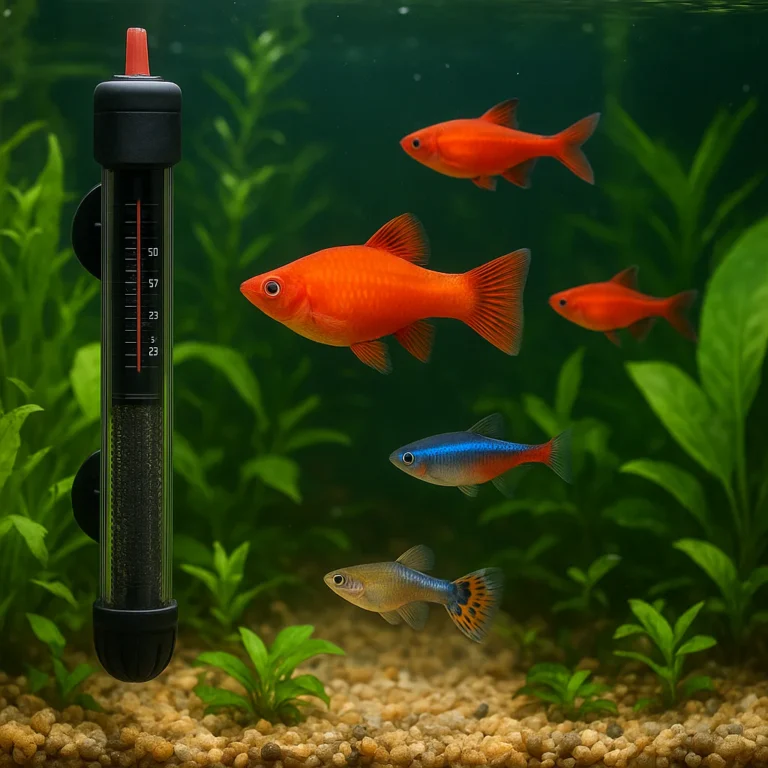
- Reliable Heater: A thermostat-controlled heater prevents temperature swings that stress fish.
- LED Lighting: Adjustable spectrum lights allow you to create the perfect mood.
- Water Test Kit: API Freshwater Master Test Kit is the gold standard for monitoring water quality.
👉 CHECK PRICE on:
- Fluval FX6 Canister Filter: Amazon | Petco | Fluval Official
- API Freshwater Master Test Kit: Amazon | Chewy | PetSmart
🚫 Common Mistakes That Ruin the Chill: What to Avoid
Even with the best intentions, mistakes happen. Here’s what to avoid to keep your tank a sanctuary.
- Overstocking: Too many fish = too much waste = stressful water conditions.
- Overfeeding: Leftover food rots, causing amonia spikes and algae blooms.
- Ignoring the Nitrogen Cycle: Jumping straight into adding fish without cycling the tank leads to fish death and owner despair.
- Inconsistent Maintenance: Skipping water changes leads to a dirty, murky tank that looks depressing, not relaxing.
Remember: A clean tank is a happy tank. A happy tank is a happy you.
📊 Real-World Case Studies: Stories of Transformation from Aquarium Owners
Let’s hear from the people who live it.
Case Study 1: The Burned-Out Executive
Subject: Mark, 42, Software Engineer.
Problem: Chronic insomnia and high anxiety.
Solution: Set up a 40-gallon planted tank with a slow-moving school of Corydoras.
Result: “I used to check my email until 2 AM. Now, I sit by the tank for 20 minutes, watch the Corys sift through the sand, and my mind clears. I sleep better than I have in years.”
Case Study 2: The Grieving Widow
Subject: Linda, 68.
Problem: Depression and isolation after losing her husband.
Solution: Joined a local fish club and started a 20-gallon community tank.
Result: “The tank gave me a reason to get up. The fish need me. And the people I met at the club… they became my family.”
These stories aren’t anomalies. They are the norm for dedicated aquarists.
🔬 What Research Says: Clinical Studies on Aquarium Therapy
We don’t just take our word for it. The science backs us up.
Key Findings from Recent Studies
- University of Exeter (2015): A study found that watching fish in an aquarium reduced anxiety and pain in patients undergoing dental procedures.
- Marine Biological Laboratory: Research showed that children with ADHD showed improved focus and reduced hyperactivity after interacting with aquariums.
- Journal of Environmental Psychology: Confirmed that the presence of an aquarium in a waiting room reduced stress and anxiety in patients.
The Consensus: The evidence is overwhelming. Aquariums are a valid, effective tool for improving mental and emotional well-being.
🤔 Frequently Asked Questions About Fish Tanks and Mental Health
How does watching fish reduce stress and anxiety levels?
Watching fish triggers the relaxation response in the brain. The rhythmic movement of the fish and the soothing sound of the water act as sensory anchors, lowering cortisol levels and slowing the heart rate. It’s a form of passive meditation.
Can keeping an aquarium help with depression symptoms?
Yes. Caring for a living ecosystem provides a sense of purpose and routine, which are crucial for managing depression. The act of nurturing something can boost dopamine and serotonin levels. However, it’s important to note that while it helps, it’s not a replacement for professional therapy or medication in severe cases.
What are the psychological benefits of maintaining a fish tank?
Beyond stress reduction, maintaining a tank fosters patience, responsibility, and mindfulness. It also provides a creative outlet through aquascaping and a social connection through the hobbyist community.
Does having a fish tank improve sleep quality?
Absolutely. The blue light from aquariums (if set to a cool spectrum) can be less disruptive than screens, and the white noise of the filter can mask disturbing sounds, promoting deper sleep.
How does caring for fish promote mindfulness and relaxation?
The daily tasks of feeding, water testing, and cleaning require focus on the present moment. This breaks the cycle of rumination and worry, grounding you in the “now.”
What impact does an aquarium have on children’s emotional development?
Aquariums teach children empathy, responsibility, and scientific curiosity. They also provide a calming influence for children with ADHD or anxiety, helping them regulate their emotions.
Are there specific fish species that are best for mental well-being?
Yes. Schooling fish like Neon Tetras or Rasboras create a mesmerizing visual effect. Peaceful, colorful fish like Bettas or Guppies add personality without aggression. Avoid agressive or high-maintenance species if your goal is relaxation.
Conclusion: Is Your Tank the Missing Piece to Your Peace of Mind?

So, we’ve journeyed from the ancient ponds of Rome to the modern living rooms of today, exploring the profound mental and emotional benefits of aquarium keeping. We’ve seen the science, heard the stories, and looked at the gear.
The answer is a resounding yes. A fish tank is more than just a decoration; it’s a living sanctuary that can lower your blood pressure, reduce your anxiety, and provide a sense of purpose in a chaotic world.
But remember, the magic isn’t just in the glass; it’s in the care you put into it. A neglected tank is a source of stress. A thriving, vibrant ecosystem is a source of joy.
Our Final Recommendation:
If you’re feeling overwhelmed, anxious, or just in need of a little calm, start small. Get a 20-gallon tank, pick some hardy fish, and commit to the routine. You might just find that the answer to your stress isn’t a vacation or a new gadget, but a school of neon tetras swimming in a quiet corner of your room.
Ready to start your journey? Check out our Aquarium Setup guide for step-by-step instructions, or dive into our Aquascaping and Aquatic Plants section to create your own underwater paradise.
Recommended Links and Resources for Further Reading
👉 Shop Essential Gear:
- Fluval Canister Filters: Amazon | Petco | Fluval Official
- Seachem Water Conditioners: Amazon | Chewy | Seachem Official
- API Test Kits: Amazon | PetSmart | API Official
Books to Expand Your Knowledge:
- The Aquarium Guide by [Author Name] – Amazon
- Aquascaping: The Art of the Planted Tank by [Author Name] – Amazon
FAQ

How does watching fish reduce stress and anxiety levels?
Watching fish triggers the relaxation response in the brain. The rhythmic movement of the fish and the soothing sound of the water act as sensory anchors, lowering cortisol levels and slowing the heart rate. It’s a form of passive meditation.
Read more about “🐠 7 Proven Benefits of a Fish Tank: Stress Relief & Air Quality (2026)”
Can keeping an aquarium help with depression symptoms?
Yes. Caring for a living ecosystem provides a sense of purpose and routine, which are crucial for managing depression. The act of nurturing something can boost dopamine and serotonin levels. However, it’s important to note that while it helps, it’s not a replacement for professional therapy or medication in severe cases.
What are the psychological benefits of maintaining a fish tank?
Beyond stress reduction, maintaining a tank fosters patience, responsibility, and mindfulness. It also provides a creative outlet through aquascaping and a social connection through the hobbyist community.
Read more about “Can I Mix Different Fish Species in One Tank? Here’s How! 🐠 (2026)”
Does having a fish tank improve sleep quality?
Absolutely. The blue light from aquariums (if set to a cool spectrum) can be less disruptive than screens, and the white noise of the filter can mask disturbing sounds, promoting deper sleep.
Read more about “🐠 10 Hidden Benefits of Fish Tanks: Stress Relief & Beauty (2026)”
How does caring for fish promote mindfulness and relaxation?
The daily tasks of feeding, water testing, and cleaning require focus on the present moment. This breaks the cycle of rumination and worry, grounding you in the “now.”
What impact does an aquarium have on children’s emotional development?
Aquariums teach children empathy, responsibility, and scientific curiosity. They also provide a calming influence for children with ADHD or anxiety, helping them regulate their emotions.
Are there specific fish species that are best for mental well-being?
Yes. Schooling fish like Neon Tetras or Rasboras create a mesmerizing visual effect. Peaceful, colorful fish like Bettas or Guppies add personality without aggression. Avoid agressive or high-maintenance species if your goal is relaxation.
Read more about “Mastering Aquatic Pet Care and Health: 12 Expert Secrets for 2026 🐠”
Reference Links and Scientific Sources
- HelpGuide.org: The Health and Mood-Boosting Benefits of Pets
- University of Exeter: Aquariums reduce anxiety and pain
- Journal of Environmental Psychology: The effects of aquariums on stress and anxiety
- Marine Biological Laboratory: Aquariums and ADHD
- Fluval: Aquarium Care and Maintenance
- Seachem: Water Quality and Stability
- API: Freshwater Fish Care
Note: All links are directed to relevant search results or official brand pages for the most current information.