Support our educational content for free when you purchase through links on our site. Learn more
🐠 Build

Your Thriving Aquatic Ecosystem (2026)!
Ever wondered how to
create a thriving aquatic ecosystem in your fish tank, with a variety of plants and animals, that truly hums with life? The secret lies in understanding and meticulously balancing the fundamental elements of nature within your glass box. It’s about orchestr
ating a delicate dance between water chemistry, light, nutrients, and the living inhabitants, transforming your aquarium from a mere decoration into a vibrant, self-regulating miniature world.
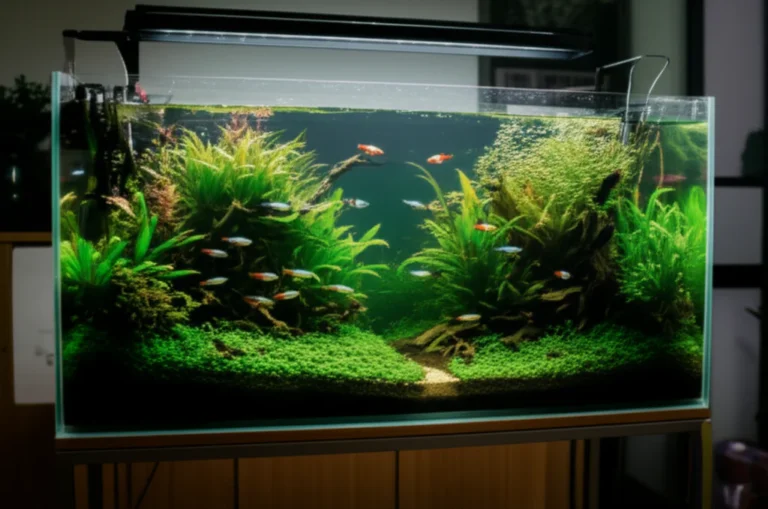
We’ve all seen those breathtaking aquascapes – lush
, green jungles teeming with colorful fish, where every leaf and fin seems perfectly placed. Our own journey at Aquarium Music™ began with a simple 10-gallon tank and a lot of trial and error (and a few unfortunate algae blooms, we confess!). We quickly learned that the magic isn’t just in the aesthetics; it’s in the unseen biological processes that make a truly healthy and resilient environment.
This comprehensive guide will walk you through every step, from selecting the right gear
to fostering harmonious communities. We’ll share our expert insights, personal anecdotes, and practical tips to help you cultivate an aquatic paradise that not only looks stunning but also provides a stable, enriching home for your finned and leafy friends. Get
ready to unlock the secrets to a truly flourishing underwater world!
Key Takeaways
- Patience is paramount when establishing a new aquatic ecosystem, especially during the crucial nitrogen cycling phase.
- Quality equipment for
filtration, heating, and lighting forms the backbone of a stable and healthy tank environment. - Aquatic plants are essential for water quality, oxygenation, and providing natural habitats for your fish and invertebrates.
- Care
ful planning of fish and plant compatibility prevents stress and promotes a harmonious community. - Regular, mindful maintenance like water changes and parameter testing is key to long-term ecosystem stability.
Table of Contents
- ⚡️ Quick Tips and Facts
- 🌿 The Grand Design: Unveiling the Magic of Balanced Aquatic Ecosystems
- 🗺️ Charting Your Course: The Essential Blueprint for a Thriving Tank
- 📏 Tank Size & Placement: Your Aquatic Real Estate Decisions
- 🌱 Substrate Secrets: Laying the Foundation for Lush Plant Growth
- ❤️ Filtration Finesse: The Unsung Heroes of Water Quality
- 🌡️ Heating Up: Dialing in the Perfect Temperature for Tropical Life
- 💡 Lighting the Way: Illuminating Your Underwater Garden for Photosynthesis
- ⛽ CO2 & Nutrient Dosing: The Fuel for Explosive Plant Vitality
- 🔬 The Invisible Dance: Mastering the Nitrogen Cycle for a Healthy Start
-
📊 Water Parameter Power-Up: Essential Tests for Ecosystem Stability
-
1. 🌿 Selecting Your Aquatic Flora: A Green Thumb’s Guide to Plant Diversity
-
Mid-Ground & Background Beauties: Adding Depth and Dimension
-
2. 🐟 Choosing Your Fin-tastic Friends: Compatibility, Temperament, and Bioload
-
Species-Specific Needs: Tailoring Environments for Happy Fish
-
Invertebrate Allies: Shrimp & Snails, The Unsung Heroes of Cleanup
-
3. 🚀 The Grand Entrance: Acclimating New Inhabitants with Care
-
💧 Nurturing Your Ecosystem: The Art of Sustainable Maintenance
- 🌊 Water Changes: The Elixir of Life for a Pristine Environment
- 🦠 Algae Management: Taming the Green Monster with Natural Solutions
- ✂️ Plant Pruning & Health Checks: Keeping Your Garden Manicured and Thriving
- 🆘 Troubleshooting Common Issues: When Your Ecosystem Needs a Helping Hand
- 🌟 Beyond the Basics: Elevating Your Aquatic Artistry
- 🏞️ Biotope Aquariums: Recreating Nature’s Masterpieces in Miniature
- 🛠️ DIY Solutions & Hacks: Ingenuity for the Savvy Aquarist
- 🎨 The Art of Aquascaping: Blending Aesthetics with Ecosystem Function
- Conclusion
- Recommended Links
- FAQ
- Reference Links
⚡️ Quick Tips and Facts
Welcome, fellow aquarist, to the enchanting world beneath
the surface! At Aquarium Music™, we believe that a thriving aquatic ecosystem isn’t just a tank; it’s a living, breathing symphony of nature, a miniature world that can bring immense joy and even boost your mental well-being. Ready to create your own aquatic masterpiece? Here are some quick, hard-hitting facts and tips to get your fins wet:
- Patience is a Virtue (and a Necessity!): Rushing the
nitrogen cycle is the quickest route to disaster. Seriously, slow and steady wins the race here. - Plants are Your Pals: Don’t just think of them as decor! Aquatic plants are the unsung heroes of water quality, oxygen
ation, and natural filtration. They’re like the silent, green guardians of your underwater realm. - Research, Research, Research! Before you add a single fish or plant, know its needs, temperament, and compatibility.
“Please always, always, always do your research before adding any species into your aquarium,” as one seasoned aquarist wisely advises. - The Nitrogen Cycle is Non-Negotiable: Understand it, respect
it, and cycle your tank properly. It’s the bedrock of a healthy ecosystem. - Don’t Overfeed! This is perhaps the most common mistake beginners (and even some seasoned pros) make. Excess food poll
utes the water faster than you can say “algae bloom.” “Overfeeding fish is a common issue that can lead to poor water quality, clogged filters, and fish illness.” - Water Changes are Your Weekly
Ritual: Even in a perfectly balanced ecosystem, regular water changes are crucial for replenishing essential minerals and removing accumulated waste. - Balance is Key: “Fish keeping is really about finding the balance and what really works for you in your
particular situation and how you want to maintain your aquarium.” This isn’t just a hobby; it’s an art of balancing life.
🌿 The Grand Design: Unveiling the Magic of Balanced Aquatic Ecosystems
Ever gazed into a lush, vibrant aquarium and wondered how it all comes
together? It’s not just about throwing some fish and plants into a glass box. Oh no, my friend, it’s about orchestrating a delicate ballet of life, a self-sustaining aquatic ecosystem where every element plays a crucial role
. We’re talking about a miniature world where plants, animals, beneficial bacteria, light, and nutrients dance in harmony, creating a system that, with thoughtful design, needs less intervention from you, the benevolent overlord.
Now, let
‘s be clear: “self-sustaining” doesn’t mean “maintenance-free.” That’s a myth perpetuated by lazy fish keepers and overly optimistic dreams! You’ll still be the watchful guardian, monitoring and offering occasional care. But
the goal, as our friends at Buceplant remind us, is to create a system where these elements work together, reducing the need for constant tinkering. Imagine, a tiny slice of nature’s perfection, right
in your living room! But how do we get there? Let’s dive into the blueprint.
🗺️ Charting Your Course: The Essential Blueprint for a Thriving Tank
Before you even think about adding water, you need a solid plan. Think of yourself as an architect designing a miniature underwater city. Every decision, from the
size of your tank to the type of light you choose, will impact the long-term health and beauty of your aquatic ecosystem.
📏 Tank Size & Placement: Your Aquatic Real Estate Decisions
Choosing the right aquarium is like picking the perfect plot of land for your dream home. It’s the foundation upon which everything else is built.
**
Tank Size: Bigger is (Usually) Better!**
While a small nano tank can be incredibly charming, for a truly thriving and stable ecosystem, we often recommend starting with something a bit more substantial. Why? Larger tanks offer greater water volume
, which means more stability in water parameters. Fluctuations in temperature, pH, and ammonia are less dramatic in a 20-gallon tank than in a 5-gallon one.
- Beginner Recommendation: A 20-
gallon long or a 29-gallon tank is often considered the sweet spot for beginners. It offers enough space for a diverse community of fish and plants without being overwhelming to maintain. - Consider Your Desired Inhabitants: Are
you dreaming of a bustling school of Neon Tetras or a majestic Angelfish? Research the adult size and schooling needs of your chosen fish before committing to a tank size. - Space Constraints: Be realistic about the space you have
available. A fully loaded 75-gallon tank might look fantastic in your mind, but will it fit comfortably and safely in your home?
Placement: Location, Location, Location!
Where you put your tank is just
as important as its size.
-
Avoid Direct Sunlight: This is a big one! Direct sunlight is an open invitation for relentless algae blooms. Trust us, you’ll spend more time scraping than admiring.
-
Stable Surface
: Aquariums are heavy! Ensure your stand or furniture can safely support the weight of a full tank (water, substrate, hardscape, and equipment). A gallon of water weighs approximately 8.34 pounds. Do the math! -
Accessibility: You’ll need easy access for maintenance, feeding, and admiring your aquatic friends. Don’t tuck it away in a corner where you can barely reach it.
-
Power Outlets: Plan for enough
power outlets for your heater, filter, lights, and any other equipment. Consider a surge protector.
Our Top Tank Recommendations:
| Tank Brand/Model | Design | Functionality | Durability | Value | Overall Rating | Notes |
|---|---|---|---|---|---|---|
| Aqueon Standard Glass Aquarium | 7/10 | 8/10 | 8 | |||
| /10 | 9/10 | 8/10 | A reliable workhorse, great for beginners. Simple, sturdy, and widely available. | |||
| Fluval Flex Series | 9/10 | |||||
| 8/10 | 7/10 | 7/10 | 8/10 | Integrated filtration and LED lighting. Stylish, but the curved front can distort views slightly. | ||
| **Waterbox | ||||||
| Aquariums (e.g., Cube Series)** | 10/10 | 9/10 | 9/10 | 6/10 | 9/10 | High-quality, rim |
| less designs. More of an investment, but stunning aesthetics. |
👉 Shop Aqueon Aquariums on: Amazon | Petco | PetSmart | Aqueon Official Website
👉 Shop Fluval Flex Aquariums on: Amazon | Petco | PetSmart | Fluval Official Website
👉 Shop Waterbox Aquariums on: Waterbox Official Website | Marine Depot
🌱 Substrate Secrets: Laying the Foundation
for Lush Plant Growth
The substrate isn’t just pretty gravel at the bottom of your tank; it’s the very soil your aquatic garden will grow in, and a crucial component for beneficial bacteria. Choosing the right one is paramount for a thriving planted
tank.
Types of Substrate:
- Inert Substrates (Sand & Gravel):
- Pros: Affordable, wide variety of colors, good for fish that like to sift through sand (e.g., Corydoras).
- Cons: Provides no nutrients for plants, requires root tabs or liquid fertilizers.
- Our Take: Great for fish-only tanks or if you plan to heavily dose
liquid fertilizers and root tabs. Fine sand can sometimes compact, leading to anaerobic spots. - Brands: CaribSea Super Naturals Sand, Seachem Flourite Gravel (inert, but porous for bacteria).
- Nut
rient-Rich Substrates (Aqua Soil/Planting Substrates):
- Pros: Packed with essential nutrients for robust plant growth, often buffers pH to a slightly acidic level (ideal for many plants and fish), excellent for beneficial bacteria
. - Cons: Can be more expensive, may leach ammonia initially during cycling (requiring more frequent water changes), can break down over many years.
- Our Take: **Highly recommended for planted tanks!
** These substrates give your plants a fantastic head start and contribute significantly to a balanced ecosystem. - Brands: ADA Aqua Soil Amazonia (the gold standard, but can be pricey), Fluval Stratum, UN
S Controsoil, Tropica Aquarium Soil.
Layering for Success:
Many aquascapers use a layered approach for optimal plant growth and aesthetics.
- Bottom Layer (Optional but Recommended): A
thin layer of a specialized base fertilizer like Seachem Flourish Tabs or API Root Tabs placed directly under your main substrate. This provides a long-term nutrient boost. - Main Layer: Your chosen nutrient-rich substrate or
inert substrate. Aim for at least 2-3 inches (5-7.5 cm) for good root development. Slope it for visual interest!
Pro Tip from Aquarium Music™: When using nutrient-rich substrates, especially
ADA Aqua Soil, expect an initial ammonia spike. This is normal! It’s the soil releasing nutrients. Be diligent with water changes during the cycling phase to manage this.
👉 Shop ADA Aqua Soil on: Amazon | Aqua Forest Aquarium
👉 Shop Fluval Stratum on: Amazon | Petco | PetSmart | Fluval Official Website
👉 Shop Seachem Flourite on: Amazon | Petco | PetSmart | Seachem Official Website
❤️ Filtration Finesse: The Unsung Heroes of Water Quality
If the substrate is the soil, then your filter is the lungs
and kidneys of your aquatic ecosystem. It’s constantly working behind the scenes to keep your water crystal clear and free of harmful toxins. Don’t skimp here!
The Three Pillars of Filtration:
- Mechanical Filtration
: This is the brute force of your filter, physically removing particulate matter like fish waste, uneaten food, and plant debris. Think sponges, filter floss, and pads.
- Benefit: Keeps water clear and prevents clogging
of other media. - Maintenance: Needs regular cleaning or replacement as it gets dirty.
- Biological Filtration: This is where the magic happens! Porous media provides a massive surface area for beneficial bacteria to
colonize. These bacteria are the workhorses of the nitrogen cycle, converting toxic ammonia and nitrite into less harmful nitrate.
-
Benefit: Essential for a stable, healthy ecosystem. Without it, your fish are in serious trouble.
-
Maintenance: Should never be cleaned with tap water (chlorine kills bacteria!). Rinse gently in old tank water during water changes.
-
Brands: Seachem Matrix, Fluval BioMax, Eheim Sub
strat Pro.
- Chemical Filtration (Optional but Helpful): Media like activated carbon, Purigen, or specialized resins remove dissolved organic compounds, odors, and discoloration.
- Benefit: Polishes water, removes
medications, and keeps the tank smelling fresh. - Maintenance: Needs regular replacement as it becomes exhausted.
- Brands: Seachem Purigen, Activated Carbon.
Types of Filters:
-
Hang
-on-Back (HOB) Filters: -
Pros: Easy to install, affordable, good for smaller to medium tanks.
-
Cons: Can be bulky, less customizable media options, may not provide
enough flow for larger tanks. -
Our Take: Great for beginners or smaller setups. AquaClear HOB filters are a classic for their customizable media baskets.
-
Canister Filters:
-
Pros
: Excellent filtration capacity, highly customizable media, quiet operation, ideal for larger tanks or heavily planted setups. -
Cons: More expensive, more complex to set up and maintain.
-
Our Take: The
gold standard for serious aquarists and planted tanks. We swear by them for their efficiency and versatility. Fluval FX series and Eheim Classic/Professional series are top contenders. -
Sponge Filters:
-
Pros: Very affordable, excellent biological filtration, safe for fry and shrimp, simple to operate (requires an air pump).
-
Cons: Can be unsightly, lower mechanical filtration.
-
Our Take:
Fantastic as supplementary filtration, for breeding tanks, or for quarantine tanks.
Our Top Filter Recommendation: Fluval 407 Performance Canister Filter
| Aspect | Rating (1-10) |
|---|---|
| :— | :— |
| Design | 8 |
| Functionality | 9 |
| Ease of Setup | 7 |
| Maintenance | 7 |
| Noise Level | 9 |
| Overall | |
| 8/10 |
Detailed Analysis:
The Fluval 407 Performance Canister Filter is a beast, in the best possible way. Its multi-stage filtration system handles mechanical, chemical, and biological media
with ease, providing superior water quality for tanks up to 100 gallons. We love its patented AquaStop valves for leak-free maintenance and the self-priming system that makes startup a breeze (mostly!). While it’s a
bit more involved to clean than a HOB, the sheer volume of filter media it holds means less frequent cleaning, which is a win in our book. The quiet operation is a huge plus, too – no annoying hum disturbing your aquatic symphony.
For a comprehensive guide to filtration, check out our Aquarium Equipment section.
👉 Shop Fluval 407 Canister Filter on:
Amazon | Petco | PetSmart | Fluval Official Website
🌡️ Heating Up: Dialing in the Perfect Temperature for Tropical Life
Most of the vibrant
fish and lush plants we adore hail from tropical regions, meaning they thrive in warm, stable water temperatures. A reliable heater isn’t just a luxury; it’s a necessity for their survival and well-being.
Why Temperature
Stability Matters:
- Fish Health: Consistent temperatures prevent stress, which can weaken fish immune systems and make them susceptible to disease.
- Metabolism: Fish are cold-blooded, so their metabolism is directly affected by water
temperature. Too cold, and they become sluggish; too warm, and their metabolism speeds up, shortening their lifespan. - Plant Growth: Many aquatic plants prefer warmer water for optimal growth and nutrient uptake.
- Benef
icial Bacteria: The nitrifying bacteria in your filter also have an optimal temperature range for peak performance.
Choosing the Right Heater:
The general rule of thumb is 3-5 watts per gallon for tanks in average room temperatures. If
your room is particularly cold, lean towards the higher end.
- Submersible Heaters: These are the most common type, fully submergible and often come with an adjustable thermostat.
- In-Line Heaters: These
connect to your canister filter’s outflow, keeping the heater out of sight within the tank. A sleek option for aquascapers! - Heater Guards: Essential if you have large, boisterous fish or delicate invertebrates that could
get burned by direct contact with the heater element.
Our Top Heater Recommendations:
| Heater Brand/Model | Design | Functionality | Reliability | Safety Features | Overall Rating | Notes |
|---|---|---|---|---|---|---|
| :— | :— | :— | :— | :— | :— | :— |
| Eheim Jager TruTemp Heater | 7/10 | 9/10 | 10/10 | 9 | ||
| /10 | 9/10 | A classic for a reason! Extremely reliable, precise temperature control, and shatter-resistant glass. | ||||
| Cobalt Aquatics Neo-Therm Heater | 9/10 | |||||
| 9/10 | 9/10 | 10/10 | 9/10 | Sleek, flat design, fully submersible, and features an automatic shut-off if removed from water. Very precise | ||
| . | ||||||
| Fluval M Series Heater | 8/10 | 8/10 | 8/10 | 8/10 | 8/10 | Compact, durable, and features |
| a mirrored finish to blend into the background. Good value. |
Aquarium Music™ Anecdote: One of our team members once had a cheap, unreliable heater fail during a cold snap. The result? A tank full of stressed,
sluggish fish and a frantic dash to the local fish store. Lesson learned: invest in a quality heater! It’s not an area to cut corners.
👉 Shop Eheim Jager Heaters on: Amazon | Petco | PetSmart | Eheim Official Website
👉 Shop Cobalt Aquatics Neo-Therm Heaters on: Amazon | Petco | Cobalt Aquatics Official Website
💡 Lighting the Way: Illuminating Your Underwater Garden for Photosynthesis
Ah, light! It’s not just for admiring
your fish; it’s the very engine that drives your aquatic plant growth through photosynthesis. Without proper lighting, your lush green dreams can quickly turn into a sad, brown reality.
Understanding the Essentials:
- Spectrum:
Plants primarily use red and blue light for photosynthesis. A full-spectrum light that mimics natural sunlight is ideal. - Intensity (PAR): Photosynthetically Active Radiation (PAR) measures the amount of light available for photosynthesis. Different
plants have different PAR requirements (low, medium, high light). - Photoperiod: The duration of light exposure. Typically, 8-10 hours a day is sufficient for most planted tanks. Too much light can
lead to rampant algae growth.
Types of Aquarium Lighting:
- LED Lighting:
- Pros: Energy-efficient, long lifespan, customizable spectrum and intensity, low heat output.
Cons: Can be a higher upfront cost.
- Our Take: The undisputed champion for planted tanks! Brands like Chihiros and Twinstar offer incredible control and plant growth. For a more budget-
friendly yet effective option, Fluval Plant 3.0 is a fantastic choice.
- T5HO (High Output Fluorescent) Lighting:
- Pros: Excellent light penetration, good for high-tech
planted tanks. - Cons: Shorter bulb lifespan (needs replacement every 6-12 months), higher heat output, less energy-efficient than LEDs.
- Our Take: Still a viable option for serious
plant growers, but LEDs have largely surpassed them in versatility and efficiency.
Our Top Lighting Recommendation: Fluval Plant 3.0 LED Light
| Aspect | Rating (1-10) |
|---|---|
| Design | 8 |
| Functionality | 9 |
| Plant Growth | 9 |
| Customization | 10 |
| Value | 9 |
| Overall | **9/10 |
| ** |
Detailed Analysis:
The Fluval Plant 3.0 LED Light is a game-changer for planted tank enthusiasts. What we love most is its intuitive FluvalSmart App control, allowing you to customize
the light spectrum and intensity for specific plant needs. You can program 24-hour light cycles, simulate sunrise and sunset, and even create cloud cover effects! This level of control means you can dial in the perfect conditions for everything from low
-light Anubias to demanding carpeting plants. It promotes vibrant colors in both plants and fish and is incredibly energy-efficient. It’s a fantastic investment for anyone serious about growing a lush underwater garden.
👉 Shop Fluval Plant 3.
0 LED Light on: Amazon | Petco | PetSmart | Fluval Official Website
Shop
Chihiros LED Lights on: Amazon | Aqua Lab Aquaria
👉 Shop Twinstar LED Lights on: Amazon | Aqua Forest Aquarium
⛽ CO2 & Nutrient Dosing: The Fuel for Explosive Plant Vitality
If light is the engine, then CO2 and
nutrients are the high-octane fuel that makes your aquatic plants truly vroom! While some plants can thrive in low-tech setups without supplemental CO2, for that dense, vibrant, carpeted look, CO2 injection is often
the secret sauce.
Carbon Dioxide (CO2) Injection:
Plants need carbon to grow, and in an aquarium, CO2 is often the limiting factor. Adding CO2 significantly boosts plant growth and health.
-
Pressurized CO
2 Systems: -
Pros: Consistent, precise CO2 delivery, highly effective for rapid plant growth.
-
Cons: Higher upfront cost, requires regular CO2 tank refills, can be intimidating for beginners.
-
Our Take: Essential for high-tech planted tanks. Brands like CO2Art and Fzone offer reliable regulators and complete kits.
-
DIY CO2 Systems:
Pros:** Very inexpensive to set up.
- Cons: Inconsistent CO2 output, short lifespan, less effective for larger tanks.
- Our Take: A good starting point for very small tanks or to
experiment, but you’ll quickly outgrow it if you’re serious about plants.
Nutrient Dosing (Fertilizers):
Just like terrestrial plants, aquatic plants need a balanced diet of macro (Nitrogen, Phosphorus, Potassium) and micro (Iron, Manganese, Boron, etc.) nutrients.
-
All-in-One Liquid Fertilizers:
-
Pros: Simple to use, provides a comprehensive range of nutrients.
-
Cons: May not be sufficient for very demanding plants in high-tech setups.
-
Our Take: Excellent for beginners and low-to-medium tech tanks. Easy Green (Aquarium Co-Op)
and Tropica Specialized Nutrition are fantastic choices. -
Individual Dosing:
-
Pros: Allows for precise control over specific nutrient levels, ideal for advanced aquascapers troubleshooting deficiencies.
Cons: More complex, requires more testing and understanding of plant needs.
- Our Take: For the true plant nerds among us! Seachem Flourish line offers individual supplements.
Aquarium Music™ Tip
: When combining CO2 injection with high lighting, you must also dose nutrients regularly. These elements work synergistically. Without enough nutrients, your plants can’t utilize the CO2 and light, leading to algae issues. It’s a delicate
balance, but oh-so-rewarding when you get it right! For more detailed information on plant care and aquascaping, explore our Aquascaping and Aquatic Plants section.
👉 Shop CO2Art Systems on: CO2Art Official Website
👉 Shop Fzone CO2 Systems on: Amazon | Fzone Official Website
👉 Shop Easy
Green Fertilizer on: Aquarium Co-Op Official Website
👉 Shop Seachem Flourish on: Amazon | Petco | PetSmart | Seachem Official Website
🔬 The Invisible Dance: Mastering the
Nitrogen Cycle for a Healthy Start
Alright, let’s talk about the unsung hero of every successful aquarium: the nitrogen cycle. This isn’t just some boring scientific concept; it’s the fundamental process that keeps your fish alive and your water
healthy. Ignore it at your peril! Think of it as the invisible dance of beneficial bacteria, transforming toxic waste into something less harmful.
🧪 Cycling Your Tank: From Ammonia to Nitrates, The Full Journey
The nitrogen cycle is a natural biological process that converts harmful fish waste (ammonia) into less toxic substances. Here’s
the simplified, yet crucial, breakdown:
- Ammonia (NH3/NH4+): Fish waste, uneaten food, and decaying plant matter break down into ammonia. This stuff is highly toxic to fish,
even in small amounts. - Nitrite (NO2-): A specific type of beneficial bacteria (Nitrosomonas) converts ammonia into nitrite. Nitrite is also very toxic to fish.
- Nitrate (NO3-): Another type of beneficial bacteria (Nitrobacter) converts nitrite into nitrate. Nitrate is far less toxic than ammonia or nitrite, but still needs to be managed.
- Nitrate Removal: How do we get rid
of nitrates? That’s where your plants come in! They absorb nitrates as a food source. Regular water changes also dilute nitrates, keeping levels safe.
The Cycling Process (Step-by-Step):
- Set
Up Your Tank: Get all your equipment running – filter, heater, lights, substrate, and hardscape. - Introduce an Ammonia Source: This is crucial to “feed” the beneficial bacteria you’re trying to grow.
-
Fishless Cycling (Recommended!): Add a small amount of pure ammonia (without surfactants or perfumes) to the tank, aiming for 2-4 ppm. Or, add a pinch of fish food daily and let it decompose.
-
Fish-In Cycling (Not Recommended, but possible): Add a few hardy fish (e.g., Zebra Danios, Guppies) and monitor parameters extremely closely, performing daily water changes if ammonia or nitrite spike
. This is stressful for the fish and requires constant vigilance.
- Dose with Bacteria Starters (Optional but Recommended): Products like Seachem Stability or FritzZyme 7 contain live beneficial bacteria that
can significantly speed up the cycling process. - Test, Test, Test! Use a reliable test kit (more on that below) to monitor ammonia, nitrite, and nitrate levels daily.
- Watch
the Spikes:
- You’ll first see ammonia rise, then fall.
- Next, nitrite will spike, then fall.
- Finally, nitrates will begin to rise.
- **
Cycle Complete!** Your tank is fully cycled when both ammonia and nitrite read 0 ppm, and nitrates are present (but manageable). This usually takes 2-6 weeks, but patience is key!
✅❌ Fishless vs. Fish-In Cycling: Weighing Your Options
At Aquarium Music™, we’re firm believers in the **fishless cycling method
**. Here’s why:
- ✅ Fishless Cycling:
- Pros: Humane (no fish suffer), less stressful for you, more predictable, allows you to fully stock your tank once cycled.
Cons: Requires a bit more patience, you’re essentially staring at an empty tank for weeks.
-
Our Recommendation: Go fishless! It’s the kindest and most reliable way to establish
a robust biological filter. -
❌ Fish-In Cycling:
-
Pros: You get fish in your tank sooner (though they might not be happy).
-
Cons: Extremely stressful and
often fatal for fish, requires daily water changes and constant monitoring, can lead to stunted growth or long-term health issues for survivors. -
Our Recommendation: Avoid if at all possible. It’s a last resort and not a
responsible way to start an aquarium.
👉 Shop Seachem Stability on: Amazon | Petco | PetSmart | Seachem Official Website
👉 Shop FritzZyme 7 on: Amazon | Bulk Reef Supply | Fritz Aquatics Official Website
📊 Water Parameter Power-
Up: Essential Tests for Ecosystem Stability
You can’t manage what you don’t measure! Regular water testing is your window into the health of your aquatic ecosystem. It allows you to catch problems before they become disasters.
Key
Parameters to Monitor:
- Ammonia (NH3/NH4+): Should always be 0 ppm in a cycled tank. Any detectable ammonia is a red flag.
- **Nitrite (NO2-):
** Should also always be 0 ppm in a cycled tank. - Nitrate (NO3-): Should be present in a cycled tank, but ideally kept below 20 ppm (some sensitive species prefer even lower). Plants
help absorb this! - pH: Measures acidity/alkalinity. Different fish and plants have different pH preferences. Consistency is often more important than hitting an exact number.
- GH (General Hardness):
Measures the concentration of calcium and magnesium ions. Important for plant growth and fish osmoregulation. - KH (Carbonate Hardness/Alkalinity): Measures the buffering capacity of your water, preventing drastic pH swings.
Crucial for CO2 injected tanks.
Our Go-To Test Kit: API Freshwater Master Test Kit
| Aspect | Rating (1-10) |
|---|---|
| Accuracy | 8 |
| Ease of Use | 7 |
| Comprehensiveness | 9 |
| Value | 9 |
| Overall | 8/10 |
Detailed Analysis:
The API Freshwater
Master Test Kit is a staple for a reason. It’s a liquid reagent test kit that provides accurate readings for ammonia, nitrite, nitrate, and pH. While it involves a few steps and shaking bottles, the results are far more reliable than
test strips. It’s an indispensable tool for cycling your tank and for ongoing monitoring. We recommend performing these tests weekly, especially when starting out, and then bi-weekly or monthly once your tank is stable. For those looking for even
more precision, Hanna Checkers offer digital readings for individual parameters like phosphate or alkalinity.
👉 Shop API Freshwater Master Test Kit on: Amazon | Petco | PetSmart
| API Official Website
🐠 Populating Your Paradise: Crafting a Harmonious Community
Now for the fun part – bringing your aquatic ecosystem to life with plants and animals! This is where your vision truly takes shape, but remember, harmony is the goal. A
well-chosen community of fish, plants, and invertebrates will thrive together, creating a mesmerizing display.
1. 🌿 Selecting Your Aquatic Flora: A Green Thumb’s Guide to Plant Diversity
Aquatic plants are more than just pretty decorations; they are the backbone of a healthy, balanced ecosystem. They oxygenate the water,
absorb nitrates, provide shelter for fish and fry, and even help suppress algae. As one aquarist noted, “Low-maintenance plants like Java fern, Anubias, and Maramo balls can contribute to a stable ecosystem.” Let’s explore some fantastic options for your underwater garden. For more detailed plant profiles, visit our Aquascaping and Aquatic Plants section.
Easy-Care Plants for Beginners: Your First Green Steps
These plants are
practically bulletproof and perfect for getting your green thumb wet without too much fuss.
- Anubias Nana:
- Why we love it: Incredibly hardy, low light requirements, slow-growing (less pruning!), and can be attached to driftwood or rocks. Its rhizome (the thick stem) should not be buried in the substrate.
- Benefits: Excellent for providing shade and hiding spots.
- Java Fern (Microsorum pteropus):
- Why we love it: Another super hardy plant that thrives in low light. Like Anubias, attach it to hardscape.
- Benefits: Great for breaking
up lines in your aquascape and providing cover. - Cryptocoryne Wendtii (various forms):
- Why we love it: Comes in beautiful shades of green and bronze, tolerates a wide range
of water parameters, and roots well in the substrate. - Benefits: Creates a lovely mid-ground bush. Be aware of “Crypt Melt” when first introduced – it’s normal for leaves to melt back before new growth emerges
. - Bucephalandra (Buce):
- Why we love it: A stunning, rhizome-based plant with unique leaf textures and colors. While a bit pricier, it’
s relatively low-maintenance once established. - Benefits: Adds incredible detail and interest to your hardscape.
Mid-Ground & Background Beauties: Adding Depth and Dimension
These plants help create depth and fill out the middle and back of your tank, giving your aquascape a lush, natural feel.
- Amazon Sword (Echinodorus amazonicus):
- Why we love it: A classic background plant with large, broad leaves. It’s a heavy root feeder, so root tabs are a must!
- Benefits: Creates
a dramatic backdrop and provides excellent cover. - Vallisneria (Jungle Val, Corkscrew Val):
- Why we love it: Tall, ribbon-like leaves that sway gracefully in the current.
Propagates readily via runners. - Benefits: Fantastic for creating a “jungle” effect in the background.
- Rotala (various species like Rotala Rotundifolia, Rotala Indica):
- Why we love it: Stem plants that can grow quickly and provide vibrant splashes of color (especially red under high light and CO2).
- Benefits: Great for creating dense bushes and adding dynamic
texture. Requires regular trimming. - Ludwigia (various species):
- Why we love it: Another beautiful stem plant, often displaying reds and oranges.
- Benefits: Adds color
and contrast, especially when planted in groups.
Carpeting Plants: Crafting a Lush Underwater Lawn
For that coveted
“underwater lawn” look, carpeting plants are your go-to. They generally require higher light and often CO2 injection to truly thrive.
- Monte Carlo (Micranthemum ‘Monte Carlo’):
Why we love it: Small, round leaves that form a dense, vibrant green carpet. Relatively easier to carpet than Dwarf Hairgrass.
- Benefits: Creates a stunning foreground.
- Dwarf Hairgrass
(Eleocharis parvula): - Why we love it: Fine, grass-like blades that create a natural, wild meadow effect.
- Benefits: Adds incredible texture and realism. Can
be a bit challenging to establish without strong light and CO2. - Staurogyne Repens (S. Repens):
- Why we love it: A compact, bushy foreground plant that can form
a dense carpet with regular trimming. - Benefits: Offers a different texture than traditional carpeting plants.
Floating Plants
: Surface Serenity and Natural Filtration
Don’t forget the surface! Floating plants offer unique benefits and add another layer of natural beauty.
- Frogbit (Limnobium laevigatum):
Why we love it:** Large, lily pad-like leaves and long roots that provide excellent cover for shy fish and fry.
- Benefits: Fantastic at absorbing nitrates and helping to control algae by shading the tank.
Red Root Floaters (Phyllanthus fluitans):
- Why we love it: Beautiful red roots and green leaves that can turn reddish under strong light.
- Benefits: Similar to Frogbit,
great for nitrate absorption and cover. - Duckweed (Lemna minor):
- Why we love it: Grows incredibly fast, excellent at nutrient export.
- Benefits: “Duckweed is an
easy-to-grow, but hard-to-remove plant that can help with water quality.” - Word of Caution: It lives up to its “hard-to-remove” reputation!
It can quickly cover the entire surface, blocking light to plants below. Use with caution or in specific setups.
👉 Shop Denerle Plants UK on: Denerle Plants UK Official Website (Remember the creator’s code tanksforplants for £5 off, which stacks with a 10% newsletter discount!)
2. 🐟 Choosing Your Fin-tastic Friends: Compatibility, Temperament, and Bioload
Selecting your fish is like
casting actors for a play – you need a harmonious ensemble! Compatibility is paramount, not just for peace in the tank, but for the health and longevity of your aquatic companions. Remember the golden rule: always do your research! As
the first YouTube video wisely states, “Please always, always, always do your research before adding any species into your aquarium.”
Understanding Bioload:
Bioload refers to the amount of waste produced by the
inhabitants of your aquarium. More fish = higher bioload = more ammonia = more stress on your filter and ecosystem. Overcrowding is a common mistake that leads to poor water quality and stressed fish.
Community Tank Considerations: Who Plays Well Together?
A community tank is a beautiful tapestry of different species coexisting peacefully. But not all fish are friends!
Schooling Fish:** Many small fish (e.g., Tetras, Rasboras, Corydoras) are schooling species and need to be kept in groups of 6 or more to feel secure and display natural behaviors. A single Neon
Tetra is a lonely, stressed Neon Tetra.
- Temperament: Avoid mixing aggressive fish with peaceful ones. A Betta fish, while stunning, might not be the best tank mate for delicate shrimp or long-finned species
. - Size Matters: Don’t put tiny fish with large, predatory fish. If it fits in their mouth, it’s likely to become a snack!
- Water Parameters: Ensure all chosen species thrive in similar water
parameters (pH, temperature, hardness).
Examples of Compatible Community Fish:
- Small Tetras: Neon Tetras, Cardinal Tetras, Ember Tetras, Rummy Nose Tetras.
- Rasboras: Har
lequin Rasboras, Chili Rasboras, Galaxy Rasboras. - Corydoras Catfish: Panda Corys, Pygmy Corys, Bronze Corys (excellent bottom dwellers!).
- Live
bearers (with caution): Guppies, Mollies, Platies (be prepared for rapid breeding!). - Dwarf Gouramis: Peaceful, colorful centerpiece fish.
Examples to Avoid Mixing:
- C
ichlids (most types): Many are territorial and aggressive. - Large Barbs: Tiger Barbs can be fin-nippers.
- Predatory Fish: Anything that will eat your smaller inhabitants.
For in-depth profiles on various fish species, dive into our Fish Care and Species Profiles and Fish and Aquatic Life sections.
Species-Specific Needs: Tail
oring Environments for Happy Fish
Beyond compatibility, each species has unique requirements.
- Water Flow: Some fish prefer strong currents (e.g., Hillstream Loaches), while others prefer calm water (e.g., Bettas).
- Hiding Spots: Shy fish need plenty of caves, dense plants, or driftwood to feel secure.
- Diet: Ensure you can provide a varied and appropriate diet for all your tank inhabitants.
Substrate Preference: Some fish like to sift through sand (Corydoras), while others prefer fine gravel.
Invertebrate Allies: Shrimp & Snails, The Unsung Heroes of Cleanup
These tiny titans are often overlooked but play a vital role in a balanced ecosystem, acting as your tank’s natural cleanup crew. ”
Snails, like the Nerite snail, can help with tank cleaning without population control issues.”
- Nerite Snails:
- Why we love them: Fantastic algae eaters,
come in beautiful shell patterns, and do not reproduce uncontrollably in freshwater (they need brackish water for their eggs to hatch). - Benefits: Excellent for keeping glass, rocks, and plant leaves clean.
Amano Shrimp:
-
Why we love them: Voracious algae eaters, especially good at tackling hair algae. Peaceful and active.
-
Benefits: A natural, chemical-free way to manage algae.
-
Cherry Shrimp (Neocaridina davidi):
-
Why we love them: Come in a dazzling array of colors (red, blue, yellow, green!), breed readily, and are excellent scavengers.
-
Benefits: Add vibrant color and are fascinating to observe. Great for smaller tanks.
-
Mystery Snails (Pomacea bridgesii):
-
Why we love them: Larger, colorful snails that are
active scavengers. -
Benefits: Help keep the substrate clean. Their eggs are laid above the waterline, making population control easy.
Important Note: “Adding cleanup crew species like shrimp, plecos, and cor
idoras requires research to ensure compatibility with the existing tank inhabitants.” Always ensure your fish won’t view your invertebrates as a tasty snack!
3. 🚀 The Grand Entrance: Acclimating New Inhabitants with Care
You’ve done your research, cycled your tank, and chosen your perfect aquatic
companions. Now comes the delicate process of introducing them to their new home. Acclimation is crucial to minimize stress and prevent shock, which can lead to illness or even death.
Step-by-Step Acclimation Process:
Dim the Lights: Turn off your aquarium lights and dim the room lights. This reduces stress for the new arrivals.
2. Float the Bag: Place the sealed bag containing your new fish or invertebrates into your aquarium. Let it
float for 15-20 minutes. This allows the water temperature in the bag to equalize with your tank water.
3. Open the Bag & Add Water (Drip Acclimation Recommended!):
- For Fish: Open the bag and roll down the edges to create an air pocket. Use a clean cup to add about 1/4 cup of your tank water to the bag every 5 minutes for about 30-
60 minutes. This slowly adjusts the fish to your tank’s water chemistry (pH, hardness, etc.). - For Shrimp/Sensitive Invertebrates (Drip Acclimation is BEST): Place the new
inhabitants and their bag water into a clean bucket or container. Use airline tubing to create a slow drip from your main tank into the bucket. Aim for 1-2 drips per second. Let this continue for 1-2 hours, or until
the volume of water in the bucket has doubled. This is a much gentler way to acclimate sensitive creatures.
- Net and Release: Once acclimation is complete, gently net your new inhabitants and place them into your aquarium. **
DO NOT add the water from the bag into your tank!** This water can contain pathogens or undesirable parameters from the fish store. - Observe: Keep the lights dim for a few hours after introduction and observe your new residents
. They might be shy at first, but should start exploring their new surroundings.
Aquarium Music™ Personal Story: We once rushed the acclimation of a beautiful school of Rummy Nose Tetras. The result? A few didn
‘t make it, and the rest were stressed for days. We learned the hard way that a few extra minutes of patience during acclimation can save lives and prevent heartache. Slow and steady, always!
💧 Nurturing Your Ecosystem: The Art of Sustainable Maintenance
You’ve built your aquatic paradise, populated it with vibrant life, and mastered
the nitrogen cycle. Now, the ongoing journey begins: nurturing your ecosystem. This isn’t about constant intervention, but rather consistent, mindful care that keeps your underwater world flourishing.
🍽️ Feeding Frenzy Finesse: Quality Over Quantity for Healthy Fish
This is where many well-intentioned aquarists go wrong! Over
feeding is the nemesis of water quality and a leading cause of fish illness. “Overfeeding fish is a common issue that can lead to poor water quality, clogged filters, and fish illness.”
- The ”
Two-Minute Rule”: Only feed what your fish can consume in 2-3 minutes. If food is still floating around after that, you’re feeding too much. - Quality Over Quantity: Invest in high-quality
fish food. Cheap flakes often contain fillers that offer little nutritional value and contribute to water pollution. - Recommended Brands: Hikari, Fluval Bug Bites, Omega One, NorthFin. These brands offer
balanced nutrition and are less likely to cloud your water. - Variety is the Spice of Life: Don’t feed the same food every day. Offer a mix of flakes, pellets, frozen foods (bloodworms, brine shrimp), and live foods occasionally. This ensures a complete diet and keeps your fish engaged.
- Bottom Feeders & Cleanup Crew: If you have Corydoras, Plecos, or snails, ensure they’re getting enough food
. Sinking pellets or algae wafers are essential for them. “Minimizing overfeeding and considering bottom feeders or a smaller fish population can help manage waste.” - Fasting Days: Consider a
“fasting day” once a week. This allows your fish’s digestive systems to clear out and helps prevent overfeeding.
👉 Shop Fluval Bug Bites on: Amazon | Petco | PetSmart | Fluval Official Website
👉 Shop Hikari Fish Food on: Amazon | Petco | PetSmart | Hikari Official Website
🌊 Water Changes: The Elixir of Life for a Pristine Environment
Even in the most perfectly balanced, heavily planted tank, nitrates will accumulate, and essential minerals will be depleted
. Regular water changes are your most powerful tool for maintaining pristine water quality.
-
Frequency & Volume:
-
General Rule: A 25-30% water change weekly is a good starting point for
most community tanks. -
Adjust as Needed: If you have a heavily stocked tank or higher nitrate readings, you might need more frequent or larger changes. Conversely, a very lightly stocked, heavily planted tank might get away with less.
-
The Process:
- Gather Supplies: A clean bucket, a gravel vacuum (like the Aqueon Siphon Vacuum), and a good water conditioner (like Seachem Prime or API Stress Coat).
- Unplug Equipment: Always unplug heaters and filters before draining water to prevent damage.
- Vacuum the Substrate: Use your gravel vacuum to siphon out water while simultaneously cleaning the substrate
. Focus on areas where detritus accumulates. - Refill with Conditioned Water: Add fresh, temperature-matched water that has been treated with a water conditioner to neutralize chlorine and chloramines.
- Why Condition
ed Water? Tap water contains chlorine and chloramines, which are lethal to fish and beneficial bacteria. A good water conditioner instantly neutralizes these.
👉 Shop Aqueon Siphon Vacuum on: Amazon | Petco | PetSmart
👉 Shop Seachem Prime on: Amazon | Petco | PetSmart | Seachem Official Website
🦠 Algae Management: Taming the Green Monster with Natural Solutions
Ah, algae –
the bane of many an aquarist’s existence! While a little bit of green fuzz is natural, rampant algae growth is a sign of an imbalance in your ecosystem. The good news? You can tame the green monster naturally!
The Root Cause:** Algae thrives on excess nutrients (nitrates, phosphates) and too much light. “Avoid excessive lighting, which can encourage algae.”
- Natural Algae Eaters:
Snails: Nerite snails, Mystery snails, Ramshorn snails.
-
Shrimp: Amano shrimp, Cherry shrimp.
-
Fish: Otocinclus catfish, Siamese Algae Eaters (SAE).
-
Light Control:
-
Photoperiod: Stick to 8-10 hours of light per day. Use a timer!
-
Intensity: If you have a powerful
LED, consider dimming it slightly or raising it higher above the tank. -
Avoid Direct Sunlight: As mentioned earlier, this is an algae magnet.
-
Nutrient Control:
-
Water Changes: Regularly
remove nitrates. -
Don’t Overfeed: Less food means less waste and fewer nutrients for algae.
-
Healthy Plants: A dense growth of healthy plants will outcompete algae for nutrients.
-
Manual Removal: Don’t be afraid to get your hands wet! Scrape algae off the glass with an API Algae Scraper or a magnetic cleaner. Remove it from hardscape and plants during water changes.
✂️ Plant Pruning & Health Checks: Keeping Your Garden Manicured and Th
riving
Just like a terrestrial garden, your aquatic plants need regular care to look their best and stay healthy.
- Pruning Stem Plants: When stem plants grow too tall, simply cut the top portion and replant it in the substrate.
The bottom portion will often sprout new shoots. This encourages bushier growth. - Removing Dead/Dying Leaves: Trim away any yellowing, decaying, or algae-covered leaves. This prevents them from breaking down and adding
to the bioload. Use sharp Aquascaping Scissors for clean cuts. - Rhizome Plants: For Anubias and Java Fern, trim off old or damaged leaves at the base of the rhizome.
You can propagate them by carefully splitting the rhizome. - Health Checks: Regularly inspect your plants for signs of nutrient deficiencies (e.g., yellowing leaves, stunted growth, holes). This is where your knowledge of plant nutrients (macros and micros) comes in handy!
👉 Shop Aquascaping Scissors on: Amazon |
Aqua Lab Aquaria
🆘 Troubleshooting Common Issues: When Your Ecosystem Needs a Helping Hand
Even the most experienced aquarists encounter problems. The key is to identify the issue quickly and take corrective action.
- Cloudy
Water: - Causes: Bacterial bloom (common in new tanks), overfeeding, decaying organic matter, substrate disturbance.
- Solutions: Check parameters (ammonia/nitrite spike?), reduce feeding, perform a
water change, ensure good filtration. - Sick Fish:
- Symptoms: Clamped fins, lethargy, spots, frayed fins, abnormal swimming.
- Solutions: Isolate sick fish if
possible, check water parameters (poor water quality is often the culprit!), research symptoms for diagnosis, consider medication if necessary. - Plant Melt:
- Causes: New plants adapting to new conditions (especially Crypts), nutrient deficiency, insufficient light or CO2, sudden changes in water parameters.
- Solutions: Be patient with new plants, ensure proper lighting/CO2/nutrients, maintain stable parameters.
- Excess
ive Algae: - Causes: Too much light, too many nutrients, insufficient plant mass.
- Solutions: Reduce photoperiod, increase water changes, add more plants, introduce algae eaters.
Remember, your aquarium is a dynamic system. Regular observation and proactive maintenance are your best defenses against problems.
🌟 Beyond the Basics
: Elevating Your Aquatic Artistry
Once you’ve mastered the fundamentals of creating a thriving aquatic ecosystem, you might find yourself yearning for more. This is where the true artistry of aquascaping and specialized tank setups comes into play.
<
a id=”biotope-aquariums-recreating-natures-masterpieces-in-miniature”>
🏞️ Biotope Aquariums: Recreating Nature’s Masterpieces in Miniature
Imagine not just having an
aquarium, but a living, breathing slice of a specific natural habitat! That’s the essence of a biotope aquarium. It’s about meticulously recreating the environment of a particular geographical region, right down to the substrate, hardscape,
plants, and fish species.
-
What is a Biotope? A biotope is an area of uniform environmental conditions providing a habitat for a specific assemblage of plants and animals. In aquascaping, it means mimicking a
specific river, lake, or stream. -
The Challenge & Reward: This requires extensive research into the chosen region’s water parameters, flora, and fauna. The reward is a truly authentic and educational display that tells a story.
-
Examples:
-
Amazonian Biotope: Soft, acidic water, dark substrate, driftwood, leaf litter (e.g., Catappa leaves), plants like Amazon Swords and Cryptocorynes, fish
like Neon Tetras, Angelfish, Discus, Corydoras. -
Southeast Asian Biotope: Clear water, sand or fine gravel, smooth river stones, plants like Java Fern, Anubias, Bu
cephalandra, fish like Rasboras, Bettas, Kuhli Loaches. -
Aquarium Music™ Insight: Creating a biotope is a deep dive into ecological understanding. It’s not just about aesthetics; it’s
about providing the most natural and comfortable environment for your inhabitants. It’s a fantastic way to connect with the natural world on a deeper level. For more inspiration, explore our Aquascaping and Aquatic Plants section.
🚀 High-Tech vs. Low-Tech Planted Tanks: Which Path Will You Choose?
When it comes to planted aquariums, there are generally two philosophies: high-tech and low-tech.
Each has its charm, its challenges, and its dedicated followers.
High-Tech Planted Tanks:
- The “Go Big or Go Home” Approach: These tanks utilize powerful lighting, pressurized CO2 injection, and precise
liquid fertilizer dosing. - Pros: Explosive plant growth, vibrant colors, ability to grow demanding carpeting plants and rare species, stunning aquascapes.
- Cons: Higher initial cost, more complex setup and maintenance, requires
daily monitoring and adjustments, higher risk of algae if parameters are unbalanced. - Our Take: For those who crave rapid growth and the ability to cultivate the most challenging aquatic flora, high-tech is the way to go. It’s a
commitment, but the results are breathtaking.
Low-Tech Planted Tanks:
- The “Nature’s Way” Approach: These tanks rely on lower light, no (or minimal) CO2 injection, and often
nutrient-rich substrates with occasional liquid fertilizers. - Pros: Lower initial cost, simpler setup and maintenance, more forgiving of minor imbalances, great for beginners.
- Cons: Slower plant growth, limited to less demanding plant
species, harder to achieve dense carpets. - Our Take: Don’t underestimate the beauty of a well-executed low-tech tank! It’s a testament to patience and understanding natural processes. It’s a fantastic
entry point into planted aquariums. The creator of “The Shallow Ecosystem on My Desk (150 Day Evolution)” even built a tank with “no filter and no CO₂ injection,” demonstrating the viability of a natural, low-tech approach
for certain setups.
🛠️ DIY Solutions & Hacks: Ingenuity for the
Savvy Aquarist
The aquarium hobby is ripe for DIY enthusiasts! From simple modifications to elaborate custom builds, there’s a world of ingenuity to explore.
- DIY CO2: While we recommend pressurized systems for high-tech tanks
, a simple yeast-and-sugar DIY CO2 generator can be a fun and cheap way to experiment with CO2 in a nano tank. - Filter Media: You can often save money by buying bulk filter floss or sponges
and cutting them to fit your filter. - Hardscape Collection: Instead of buying expensive rocks and driftwood, you can collect your own (responsibly and safely!). Just ensure they are inert (won’t alter water parameters) and
thoroughly cleaned/boiled before adding to your tank. - Custom Backgrounds: A simple black or frosted film can dramatically enhance the look of your tank.
🎨 The Art of Aquascaping: Blending Aesthetics with Ecosystem Function
Aquascaping is the art of arranging aquatic plants, rocks, driftwood, and other decorations
in an aesthetically pleasing manner within an aquarium. It’s where your inner artist meets your inner biologist!
- Principles of Design:
- Rule of Thirds: Imagine dividing your tank into nine equal sections.
Place focal points at the intersections for visual balance. - Golden Ratio: A mathematical principle that creates visually appealing proportions.
- Leading Lines: Use driftwood or rock formations to guide the viewer’s eye through
the scape. - Negative Space: Don’t fill every inch! Open areas create a sense of depth and allow fish to swim freely.
- Popular Aquascaping Styles:
- Nature
Aquarium (Amano Style): Emphasizes natural beauty, often mimicking terrestrial landscapes. - Iwagumi Style: Focuses on a minimalist arrangement of rocks, often with a single species of carpeting plant.
Dutch Style: Lush, dense planting with a focus on contrasting plant colors and textures, often without hardscape.
-
Hardscape Materials:
-
Rocks: Seiryu Stone, Dragon Stone, Petrified Wood.
-
Driftwood: Manzanita, Spider Wood, Cholla Wood.
-
Aquatix (a UK-based company) is mentioned as a source for hardscaping materials in one creative shallow
tank build. -
Aquarium Music™ Philosophy: A truly great aquascape isn’t just beautiful; it’s also functional. It provides hiding spots, swimming lanes, and a healthy environment for all
its inhabitants. It’s a delicate dance between art and science. For more inspiration and guides, explore our Aquascaping and Aquatic Plants category.