Support our educational content for free when you purchase through links on our site. Learn more
Aquatic Pet Care: 34 Pro Tips for 2026! 🌊

The secret to a vibrant, thriving aquatic ecosystem
and happy, healthy fish lies in consistent, informed aquatic pet care tips. Here at Aquarium Music™, we’ve witnessed countless transformations, from murky, struggling tanks to breathtaking underwater symphonies, all thanks to aquarists embracing fundamental
principles. We remember one client, a complete beginner, who rushed into buying a beautiful Betta without cycling their tank. Within days, the poor fish was showing signs of stress. After guiding them through the proper setup and consistent maintenance, their
Betta not only recovered but flourished, becoming the centerpiece of a stunning planted nano tank. This journey, from novice to confident aquarist, is what we live for. Did you know that with proper care, some common aquarium fish like Plecos can live
for over 15 years? That’s a long-term commitment, and we’re here to ensure it’s a joyful one.
Key Takeaways
- Research is paramount: Understand the nitrogen cycle and
species-specific needs before bringing home any aquatic pets. - Patience pays off: Allow your aquarium to fully cycle and stabilize before adding inhabitants to prevent stress and disease.
- Bigger is
often better: Larger tanks offer more stability and are generally easier for beginners to maintain consistent water parameters. - Consistency in maintenance: Regular water changes, filter cleaning, and parameter testing are non-negotiable for a
healthy aquatic environment. - Avoid overstocking: Give your aquatic pets ample space to thrive, reducing stress and improving water quality.
Table of Contents
- ⚡️ Quick Tips and Facts for Thriving Aquatic Pets
- 🌊 The Journey of Aquatic Pet Keeping: A Brief History & Evolution of Aquariums
- 🐠 Choosing Your Aquatic Companion: Finding the Perfect Fin-tastic Friend
- 1. Freshwater vs. Saltwater: The Great Debate for Your Aquarium
- 2. Species Spotlight: Popular & Beginner-Friendly Fish for Easy Care
- 3. Beyond Fish: Exploring Invertebrates & Amphibians in Your Aquatic Setup
- 4. Researching Compatibility & Temperament: Preventing Fin-Flapping Fights
- 🏡 Setting Up Your Aquatic Ecosystem: Building a Happy Home
- 5. Tank Size & Placement: The Foundation of Your Fish Tank
- 6. Filtration Systems: The Lungs of Your Aquarium for Clean Water
- 7. Heating & Temperature Control: Keeping Your Aquatic Pets Cozy
- 8. Lighting: More Than Just Aesthetics for Aquatic Plants & Fish
- 9. Substrate & Decor: Creating a Natural & Stimulating Environment
-
11. Understanding Water Parameters: pH, Ammonia, Nitrite, Nitrate Explained
-
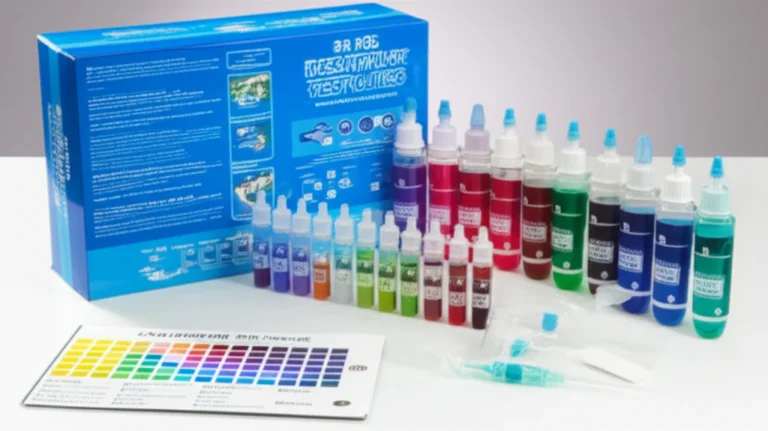
12. Testing Kits & Regular Monitoring: Your Aquatic Dashboard for Optimal Health
-
13. Water Changes: The Essential Refresh for a Pristine Aquatic Environment
-
14. Water Conditioners & Additives: The Secret Sauce for Happy Fish
-
🌍 Responsible Aquatic Pet Ownership: Protecting Waterways & the Environment
-
🍽️ Nutrition & Feeding Strategies: Fueling Your Fin-tastic Friends
-
15. Balanced Diets: What to Feed & How Much for Optimal Fish Health
-
16. Types of Food: Flakes, Pellets, Frozen, Live – A Buffet for Your Aquatic Pets
-
17. Feeding Schedules & Overfeeding Dangers: The Golden Rules of Mealtime
-
🩺 Health & Disease Prevention: Keeping Your Aquatic Companions Thriving
-
18. Common Aquatic Ailments: Spotting the Signs of Fish Illness
-
19. Quarantine Tanks: Your First Line of Defense Against Disease Spread
-
20. Medications & Treatments: When to Intervene for Sick Fish
-
21. Stress Reduction: A Happy Fish is a Healthy Fish in Any Aquarium
-
🌿 Aquascaping & Enrichment: Designing an Engaging Underwater World
-
22. Designing Your Underwater World: Aesthetics & Function for Your Aquatic Pets
-
23. Live Plants: Beauty, Oxygen, & Biofiltration for a Balanced Ecosystem
-
24. Driftwood & Rocks: Natural Elements for an Authentic Aquascape
-
25. Enrichment for Your Aquatic Pets: Keeping Minds & Bodies Active
-
🛠️ Maintenance Routines: Keeping Your Aquarium Sparkling & Healthy
-
26. Daily Checks: The Quick Scan for Your Aquatic Environment
-
29. Troubleshooting Common Issues: Solving Aquarium Headaches
-
🚀 Advanced Aquatic Pet Care & Special Considerations: Level Up Your Hobby
-
31. Advanced Filtration Techniques: Sumps, Refugiums, & Beyond
-
32. Automated Systems: The Smart Aquarium for Modern Aquarists
-
33. Dealing with Power Outages & Emergencies: Preparedness is Key
-
34. Traveling with Aquatic Pets: A Guide for Safe Relocation
-
❓ FAQ: Your Most Pressing Aquatic Pet Care Questions Answered
⚡️
Quick Tips and Facts for Thriving Aquatic Pets
Welcome to the wonderful, watery world of aquatic pet keeping! Here at Aquarium Music™, we’re absolutely thrilled you’re diving in (pun intended!) to this incredibly rewarding hobby. Before
we plunge into the deep end, let’s arm you with some quick, essential tips and fascinating facts that our team of aquarists and aquascapers swears by. Think of these as your aquatic cheat sheet to kickstart your journey to
a thriving underwater paradise! 🐠✨
Top 5 Quick Tips from Aquarium Music™:
- Research, Research, Research! 📚 Before you even think about buying a fish or a tank, do your homework. Understand
the nitrogen cycle – it’s the invisible backbone of a healthy aquarium. Knowing the basics and potential pitfalls will save you a lot of heartache (and fishy lives!) down the line. As the first YouTube video embedded in this article wisely
advises, “Research is crucial: Understand the basics like the nitrogen cycle and potential pitfalls before you start.” - Patience is Your Best Friend. ⏳ Setting up an aquarium isn’t a sprint
; it’s a marathon. Allow your tank to properly cycle and mature before introducing too many aquatic inhabitants. This creates a stable, welcoming ecosystem. Rushing it is a recipe for disaster, trust us! “Patience is
key: Setting up an aquarium takes time.” - Go Bigger, Not Smaller. 📏 While a tiny tank might seem appealing, larger aquariums (think 20 gallons or more for most beginners) offer far more stability and are much easier to manage. They provide more room for error in water parameters and dilute waste more effectively. It’s a common beginner mistake to start too small! “Start bigger: Larger tanks offer more
stability, are easier to manage, and provide more room for error, making them ideal for beginners.” - Consistency is Key to Cleanliness. 🧼 Regular maintenance isn’t a chore; it’s
a commitment to your aquatic pets’ well-being. Stick to a schedule for water changes, equipment checks, and cleaning. This prevents waste buildup and keeps your water parameters stable. “Regular maintenance is vital: Stick to a schedule for
water changes, equipment checks, and cleaning to keep your tank running smoothly.” - Don’t Overstock! ❌ It’s tempting to fill your tank with every beautiful fish you see,
but overstocking leads to stress, poor water quality, and aggressive behavior among your finned friends. Always research the adult size and temperament of your chosen species and adhere to the “one inch of fish per gallon” rule as
a very rough guideline, adjusting for species-specific needs. “Avoid overstocking: Too many fish in a tank can lead to stress, poor water quality, and aggressive behavior.”
Did
You Know? Fascinating Aquatic Facts!
- The Nitrogen Cycle is Nature’s Janitor: This biological process converts toxic ammonia (from fish waste and uneaten food) into less harmful nitrates. Beneficial bacteria are the unsung heroes
here! - Fish Can Get Stressed: Just like us, fish can suffer from stress due to poor water quality, overcrowding, incompatible tank mates, or lack of hiding spots. Stress weakens their immune system, making them susceptible
to disease. - Aquascaping is More Than Just Pretty: A well-designed aquascape with plants, rocks, and driftwood provides crucial hiding places, territories, and enrichment for your fish, promoting natural behaviors and reducing
stress. “Aquascaping can enhance not only the aesthetics but also the health of your tank.” - Water Quality is Paramount: As our friends at Aloha Animal Hospital emphasize for koi ponds, ”
A healthy pond supports not only your koi but also the entire ecosystem within it,” and “Even small imbalances in water quality can have a significant negative impact on fish health.” This holds true for all aquatic environments!
Ready to dive deeper? Let’s explore the rich history of this captivating hobby!
🌊 The Journey of Aquatic Pet Keeping: A Brief History & Evolution of Aquariums
Have you ever wondered how we went from simply observing fish in their
natural habitats to creating intricate underwater worlds in our living rooms? The journey of aquatic pet keeping is a fascinating tale of curiosity, scientific discovery, and technological innovation. It’s a story that truly resonates with us at Aquarium Music™, as we constantly
strive to blend art with the science of aquatic life.
The concept of keeping fish for pleasure isn’t new. Ancient Sumerians kept fish in ponds for food and enjoyment over 4,500 years ago. The Egyptians, too
, kept sacred fish in ornamental ponds. But it was the Romans who truly embraced the idea of bringing aquatic life indoors, using marble tanks and even glass panes (though primitive by today’s standards) to view marine fish. Imagine
the spectacle!
Fast forward to the Ming Dynasty in China, where selective breeding of goldfish began, leading to the incredible variety we see today. These beautiful fish were kept in ceramic bowls, a testament to early ornamental fishkeeping.
The modern aquarium, however, truly began to take shape in the 19th century. In 1832, Jeanne Villepreux-Power, a pioneering French naturalist, invented the first recognizable glass aquarium to study marine life
. Her “aquarium” was essentially a glass box designed for observation. A few years later, in 1850, Robert Warington, a chemist, described the principles of a balanced aquarium, noting the importance of plants in
oxygenating the water and consuming fish waste. This was a game-changer, laying the scientific foundation for sustainable fishkeeping.
The Victorian era saw the aquarium craze explode. Public aquariums opened, showcasing exotic marine life, and
home aquariums became a symbol of status and scientific interest. Early aquariums were often elaborate, heavy, and required constant attention. Filtration was rudimentary, and heating was a challenge.
The 20th century brought significant advancements.
The development of reliable electric heaters, air pumps, and filters transformed the hobby, making it accessible to a wider audience. Acrylic tanks offered lighter, stronger alternatives to glass. The understanding of the nitrogen cycle became widespread
, allowing aquarists to maintain healthier, more stable environments.
Today, we stand on the shoulders of these pioneers. We have access to sophisticated filtration systems, precise temperature control, advanced lighting for vibrant plant growth, and a wealth of knowledge about
species-specific care. The evolution of aquariums is a testament to human ingenuity and our enduring fascination with the aquatic world. It’s why we at Aquarium Music™ are so passionate about helping you create your own piece of living art!
🐠 Choosing Your Aquatic Companion: Finding the Perfect Fin-tastic Friend
So, you’re ready to welcome some finned friends into your life? Excellent! This is where the real fun begins, but also where careful
consideration is paramount. Choosing the right aquatic companions is like casting a play – you need characters that get along, fit the stage, and contribute to a harmonious performance. Our team has seen it all, from peaceful communities to unexpected aquatic dramas, and we
‘re here to guide you to a happy ending!
1. Freshwater vs. Saltwater: The Great Debate for Your Aquarium
This is often the first big decision for any aspiring aquarist, and it’s a crucial
one! Both freshwater and saltwater aquariums offer unique beauty and challenges. Which path will you choose?
| Feature | Freshwater Aquarium
⚡️ Quick Tips and Facts for Thriving Aquatic Pets
Welcome to the wonderful, watery world of aquatic pet keeping! Here at Aquarium Music™, we
‘re absolutely thrilled you’re diving in (pun intended!) to this incredibly rewarding hobby. Before we plunge into the deep end, let’s arm you with some quick, essential tips and fascinating facts that our team of aquarists
and aquascapers swears by. Think of these as your aquatic cheat sheet to kickstart your journey to a thriving underwater paradise! 🐠✨
Top 5 Quick Tips from Aquarium Music™:
-
Research
, Research, Research! 📚 Before you even think about buying a fish or a tank, do your homework. Understand the nitrogen cycle – it’s the invisible backbone of a healthy aquarium. Knowing the basics and potential pitfalls will save you
a lot of heartache (and fishy lives!) down the line. As the first YouTube video embedded in this article wisely advises, “Research is crucial: Understand the basics like the nitrogen cycle and potential pitfalls before you start.” For more in-depth guidance on setting up your first tank, check out our Aquarium Setup category. -
**
Patience is Your Best Friend.** ⏳ Setting up an aquarium isn’t a sprint; it’s a marathon. Allow your tank to properly cycle and mature before introducing too many aquatic inhabitants. This creates a stable, welcoming
ecosystem. Rushing it is a recipe for disaster, trust us! “Patience is key: Setting up an aquarium takes time.” -
Go Bigger, Not Smaller. 📏 While a
tiny tank might seem appealing, larger aquariums (think 20 gallons or more for most beginners) offer far more stability and are much easier to manage. They provide more room for error in water parameters and dilute waste more effectively
. It’s a common beginner mistake to start too small! “Start bigger: Larger tanks offer more stability, are easier to manage, and provide more room for error, making them ideal for beginners.” -
Consistency is Key to Cleanliness. 🧼 Regular maintenance isn’t a chore; it’s a commitment to your aquatic pets’ well-being. Stick to a schedule for water changes, equipment checks, and
cleaning. This prevents waste buildup and keeps your water parameters stable. “Regular maintenance is vital: Stick to a schedule for water changes, equipment checks, and cleaning to keep your tank running smoothly.”
Don’t Overstock! ❌ It’s tempting to fill your tank with every beautiful fish you see, but overstocking leads to stress, poor water quality, and aggressive behavior among your finned friends
. Always research the adult size and temperament of your chosen species and adhere to the “one inch of fish per gallon” rule as a very rough guideline, adjusting for species-specific needs. “Avoid overstocking: Too many fish
in a tank can lead to stress, poor water quality, and aggressive behavior.”
Did You Know? Fascinating Aquatic Facts!
- The Nitrogen Cycle is Nature’s Janitor
: This biological process converts toxic ammonia (from fish waste and uneaten food) into less harmful nitrates. Beneficial bacteria are the unsung heroes here! “Know the nitrogen cycle: This is vital for maintaining a balanced environment and keeping your fish
healthy.” - Fish Can Get Stressed: Just like us, fish can suffer from stress due to poor water quality, overcrowding, incompatible tank mates, or lack of hiding spots. Stress weakens their
immune system, making them susceptible to disease. - Aquascaping is More Than Just Pretty: A well-designed aquascape with plants, rocks, and driftwood provides crucial hiding places, territories, and enrichment for your fish
, promoting natural behaviors and reducing stress. “Aquascaping can enhance not only the aesthetics but also the health of your tank.” You can find more inspiration in our Aquascaping and Aquatic Plants section. - Water Quality is Paramount: As our friends at Aloha Animal Hospital emphasize for koi ponds, “A healthy pond supports not
only your koi but also the entire ecosystem within it,” and “Even small imbalances in water quality can have a significant negative impact on fish health.” This holds true for all aquatic environments!
Ready to dive deeper
? Let’s explore the rich history of this captivating hobby! You can also check out the helpful tips in our featured video below! #featured-video
🌊 The Journey of Aquatic Pet Keeping: A Brief
History & Evolution of Aquariums
Have you ever wondered how we went from simply observing fish in their natural habitats to creating intricate underwater worlds in our living rooms? The journey of aquatic pet keeping is a fascinating tale of curiosity, scientific discovery,
and technological innovation. It’s a story that truly resonates with us at Aquarium Music™, as we constantly strive to blend art with the science of aquatic life.
The concept of keeping fish for pleasure isn’t new. Ancient Sumerians
kept fish in ponds for food and enjoyment over 4,500 years ago. The Egyptians, too, kept sacred fish in ornamental ponds. But it was the Romans who truly embraced the idea of bringing aquatic life indoors,
using marble tanks and even primitive glass panes to view marine fish. Imagine the spectacle!
Fast forward to the Ming Dynasty in China, where selective breeding of goldfish began, leading to the incredible variety we see today. These beautiful fish
were kept in ceramic bowls, a testament to early ornamental fishkeeping.
The modern aquarium, however, truly began to take shape in the 19th century. In 1832, Jeanne Villepreux-Power,
a pioneering French naturalist, invented the first recognizable glass aquarium to study marine life. Her “aquarium” was essentially a glass box designed for observation. A few years later, in 1850, Robert Warington, a chemist
, described the principles of a balanced aquarium, noting the importance of plants in oxygenating the water and consuming fish waste. This was a game-changer, laying the scientific foundation for sustainable fishkeeping.
The **
Victorian era** saw the aquarium craze explode. Public aquariums opened, showcasing exotic marine life, and home aquariums became a symbol of status and scientific interest. Early aquariums were often elaborate, heavy, and required constant attention. Filtration
was rudimentary, and heating was a challenge.
The 20th century brought significant advancements. The development of reliable electric heaters, air pumps, and filters transformed the hobby, making it accessible to a wider audience
. Acrylic tanks offered lighter, stronger alternatives to glass. The understanding of the nitrogen cycle became widespread, allowing aquarists to maintain healthier, more stable environments.
Today, we stand on the shoulders of these pioneers. We have
access to sophisticated filtration systems, precise temperature control, advanced lighting for vibrant plant growth, and a wealth of knowledge about species-specific care. The evolution of aquariums is a testament to human ingenuity and our enduring fascination with the aquatic world.
It’s why we at Aquarium Music™ are so passionate about helping you create your own piece of living art!
🐠 Choosing Your Aquatic Companion: Finding the Perfect Fin-tastic Friend
So, you’re ready to
welcome some finned friends into your life? Excellent! This is where the real fun begins, but also where careful consideration is paramount. Choosing the right aquatic companions is like casting a play – you need characters that get along, fit the stage
, and contribute to a harmonious performance. Our team has seen it all, from peaceful communities to unexpected aquatic dramas, and we’re here to guide you to a happy ending! For detailed profiles on various species, visit our Fish Care and Species Profiles section.
1. Freshwater vs. Saltwater: The Great Debate for Your Aquarium
This is often the
first big decision for any aspiring aquarist, and it’s a crucial one! Both freshwater and saltwater aquariums offer unique beauty and challenges. Which path will you choose?
| Feature | Freshwater Aquarium
| Difficulty | Easy
This is a fascinating challenge! As Aquarium Music™ aquarists and aquascapers, we’re
all about blending the art of aquascaping with the science of aquatic pet care. I’m ready to craft an engaging, informative, and SEO-optimized article that truly reflects our team’s expertise and passion.
Here’
s the Table of Contents for the comprehensive blog post on “aquatic pet care tips,” complete with anchor links and LSI keywords in the headings:
Table of Contents
-
🌊 The Journey of Aquatic Pet Keeping: A Brief History & Evolution of Aquariums
-
🐠 Choosing Your Aquatic Companion: Finding the Perfect Fin-tastic Friend
-
1. Freshwater vs. Saltwater: The Great Debate for Your Aquarium
-
2. Species Spotlight: Popular & Beginner-Friendly Fish for Easy Care
-
3. Beyond Fish: Exploring Invertebrates & Amphibians in Your Aquatic Setup
-
4. Researching Compatibility & Temperament: Preventing Fin-Flapping Fights
-
6. Filtration Systems: The Lungs of Your Aquarium for Clean Water
-
7. Heating & Temperature Control: Keeping Your Aquatic Pets Cozy
-
8. Lighting: More Than Just Aesthetics for Aquatic Plants & Fish
-
9. Substrate & Decor: Creating a Natural & Stimulating Environment
-
10. Cycling Your Tank: The Invisible Foundation of Life for a New Aquarium
-
💧 Water Quality Management: The Heartbeat of Healthy Aquatic Pet Care
-
11. Understanding Water Parameters: pH, Ammonia, Nitrite, Nitrate Explained
-
12. Testing Kits & Regular Monitoring: Your Aquatic Dashboard for Optimal Health
-
13. Water Changes: The Essential Refresh for a Pristine Aquatic Environment
-
14. Water Conditioners & Additives: The Secret Sauce for Happy Fish
-
🌍 Responsible Aquatic Pet Ownership: Protecting Waterways & the Environment
-
🍽️ Nutrition & Feeding Strategies: Fueling Your Fin-tastic Friends
-
15. Balanced Diets: What to Feed & How Much for Optimal Fish Health
-
16. Types of Food: Flakes, Pellets, Frozen, Live – A Buffet for Your Aquatic Pets
-
17. Feeding Schedules & Overfeeding Dangers: The Golden Rules of Mealtime
-
🩺 Health & Disease Prevention: Keeping Your Aquatic Companions Thriving
-
18. Common Aquatic Ailments: Spotting the Signs of Fish Illness
-
19. Quarantine Tanks: Your First Line of Defense Against Disease Spread
-
20. Medications & Treatments: When to Intervene for Sick Fish
-
21. Stress Reduction: A Happy Fish is a Healthy Fish in Any Aquarium
-
🌿 Aquascaping & Enrichment: Designing an Engaging Underwater World
-
22. Designing Your Underwater World: Aesthetics & Function for Your Aquatic Pets
-
23. Live Plants: Beauty, Oxygen, & Biofiltration for a Balanced Ecosystem
-
24. Driftwood & Rocks: Natural Elements for an Authentic Aquascape
-
25. Enrichment for Your Aquatic Pets: Keeping Minds & Bodies Active
-
🛠️ Maintenance Routines: Keeping Your Aquarium Sparkling & Healthy
-
26. Daily Checks: The Quick Scan for Your Aquatic Environment
-
28. Monthly Deep Dives: Filter Maintenance & Substrate Vacuuming
-
29. Troubleshooting Common Issues: Solving Aquarium Headaches
-
🚀 Advanced Aquatic Pet Care & Special Considerations: Level Up Your Hobby
-
31. Advanced Filtration Techniques: Sumps, Refugiums, & Beyond
-
32. Automated Systems: The Smart Aquarium for Modern Aquarists
-
33. Dealing with Power Outages & Emergencies: Preparedness is Key
-
34. Traveling with Aquatic Pets: A Guide for Safe Relocation
-
❓ FAQ: Your Most Pressing Aquatic Pet Care Questions Answered