Support our educational content for free when you purchase through links on our site. Learn more
Aquarium Water Treatment: 10 Smart Fixes for Clear, Safe Water 🐠

The best aquarium water treatment starts with testing your water, then using a suitable conditioner to neutralize chlorine or chloramine in tap water. No single bottle can fix every aquarium problem: cloudy water, ammonia spikes, and algae blooms each need a different approach.
We’ve seen new fishkeepers reach for a clarifier when the real issue was an uncycled filter, and experienced hobbyists discover their “safe” tap water contained chloramine. The useful rule is simple: test first, treat the cause, and avoid adding products just because the water looks a little suspicious.
A stable aquarium isn’t built by chasing perfect-looking water. It comes from consistent water changes, a healthy biological filter, and parameters suited to your fish, plants, or shrimp. Even the lighting you choose can affect algae and plant growth, so it’s worth pairing water care with the right fish tank lighting.
Key Takeaways
- Use a water conditioner for untreated tap water and make sure it handles the disinfectant your water provider uses, including chloramine when applicable.
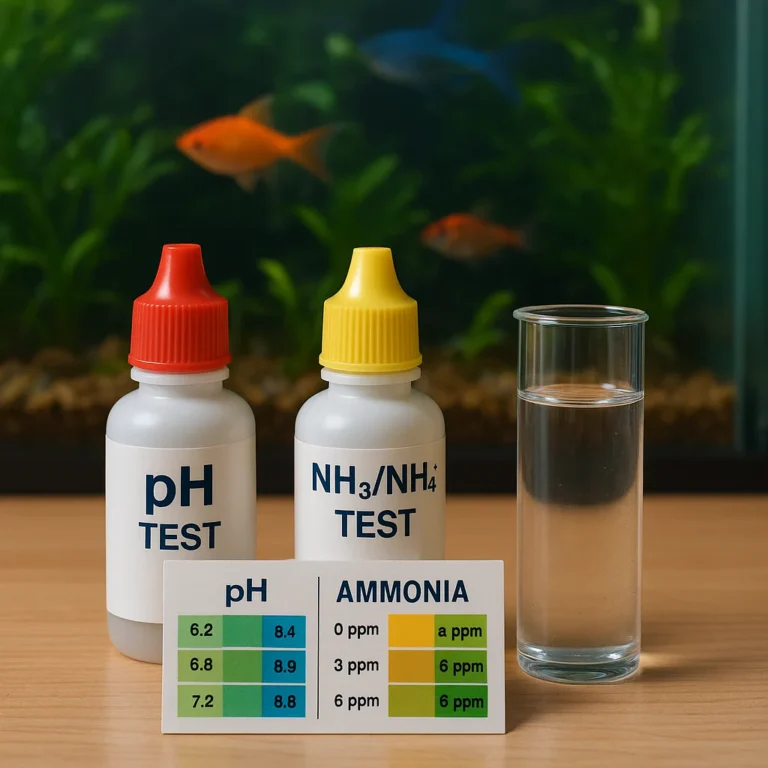
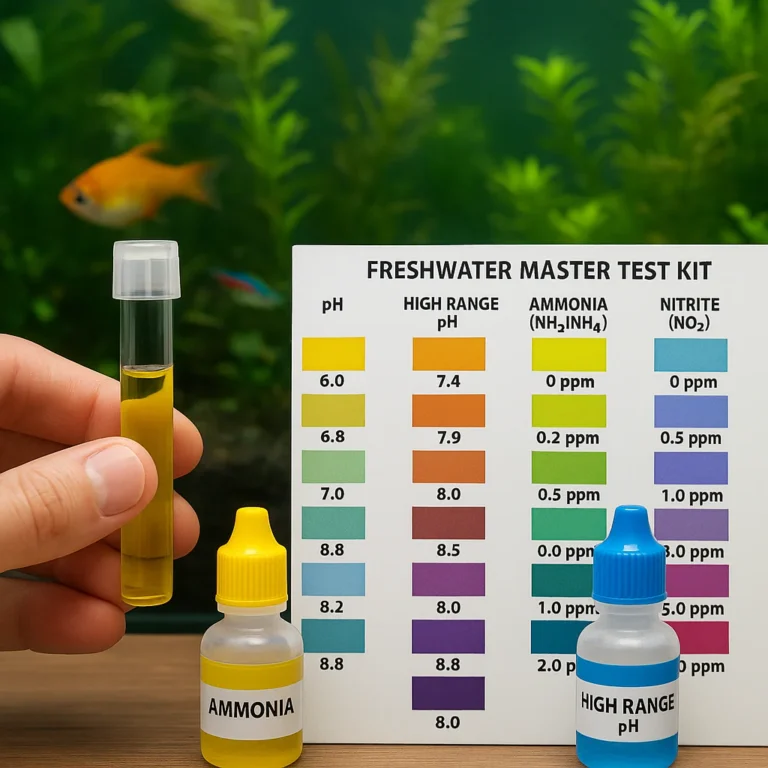
- Test before treating. Check ammonia, nitrite, nitrate, pH, and water hardness to identify what actually needs attention.
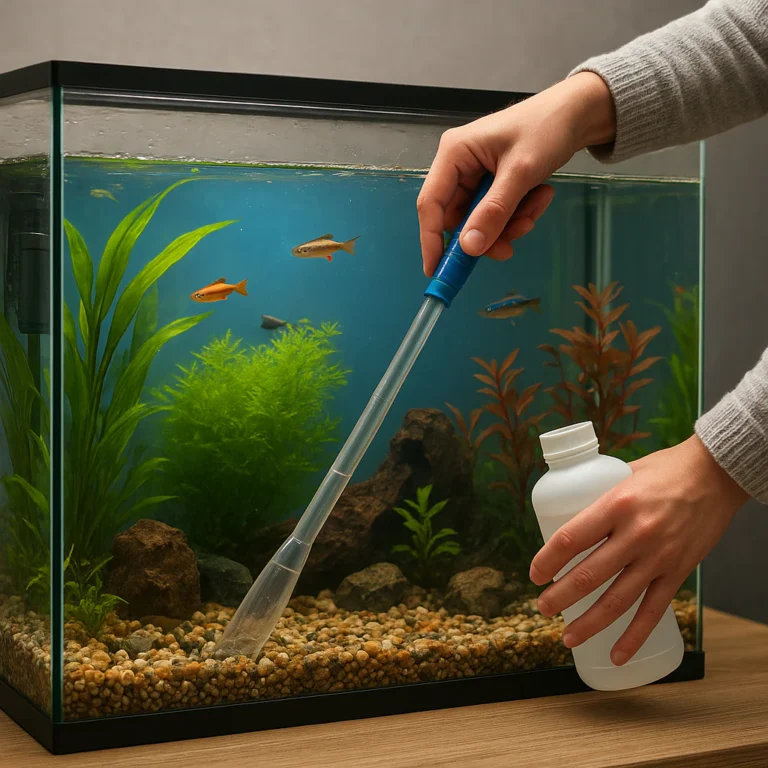
- Water changes and biological filtration are the foundation of healthy aquarium water; additives can support good husbandry, but they don’t replace it.
- Choose treatments for the specific problem. Bacterial starters, clarifiers, algae-control products, and medications are not interchangeable.
- Follow product directions carefully and consider the needs of fish, shrimp, plants, and beneficial filter bacteria before dosing.
Table of Contents
- ⚡️ Quick Tips and Facts
- 🧪 Aquarium Water Treatment: What It Is and Why It Matters
- A brief history of aquarium water care
- How aquarium water treatment differs from water testing
- 💧 The Essential Water Parameters to Test
- Chlorine and chloramine
- Amonia, nitrite, and nitrate
- pH, KH, and GH
- Temperature, dissolved oxygen, and TDS
- 🚰 Tap Water, Well Water, and Other Aquarium Water Sources
- How to check your local tap water
- Using well water safely
- RO, distilled, and remineralized water
- Pre-conditioned bottled aquarium water
- ✅ The 10 Best Types of Aquarium Water Treatment
- 1. Tap-water conditioners and dechlorinators
- 2. Chloramine and heavy-metal neutralizers
- 3. Beneficial bacteria and aquarium cycling starters
- 4. Amonia detoxifiers
- 5. Water clarifiers for cloudy aquariums
- 6. Biological cleaners and filter-support treatments
- 7. Nitrate and phosphate management
- 8. Aquarium salts and mineral additives
- 9. Natural conditioners: botanicals and catappa leaves
- 10. Algae-control and disease-treatment products
- 🏆 Aquarium Water Conditioner and Treatment Brands Compared
- Seachem Prime, Stability, and other Seachem products
- API water conditioners, Quick Start, and water treatments
- Tetra AquaSafe, SafeStart, and water clarifiers
- Fluval, Aqueon, Fritz, and Top Fin options
- Choosing a treatment for betas, planted tanks, and ponds
- 🔍 How to Choose the Right Aquarium Water Treatment
- Match the treatment to the water problem
- Freshwater versus saltwater compatibility
- Fish, shrimp, plants, and sensitive species
- Reading labels, ingredients, and dosing directions
- 🪣 How to Condition Tap Water for an Aquarium
- Step-by-step water preparation
- How much conditioner to use
- Treating water in the aquarium versus in a bucket
- Water changes, top-offs, and emergency replacement water
- 🔄 Aquarium Cycling and Beneficial Bacteria
- The nitrogen cycle explained
- Fishless cycling and bottled bacteria
- How to protect your biofilter during maintenance
- What to do after a filter crash or medication
- 🌫️ Cloudy Aquarium Water: Causes and Treatments
- Bacterial blooms and new-tank cloudiness
- Green water, suspended debris, and substrate dust
- When to use a clarifier, UV sterilizer, or filter media
- 🩺 Aquarium Water Treatments for Fish Health
- Water quality first: stress, fin damage, and illness
- Medication safety and treatment-tank setup
- Why “natural” remedies still need careful dosing
- 🌿 Water Treatment for Planted Aquariums, Shrimp, and Bettas
- Aquatic plants and liquid additives
- Shrimp-safe conditioners and mineral balance
- Beta water care and pre-conditioned beta water
- 🐟 Pond Water Conditioners and Outdoor Water Care
- Treating tap water in ponds
- Algae control and UV clarification
- Seasonal water testing and fish safety
- ⚠️ Common Aquarium Water Treatment Mistakes
- Overdosing conditioners or combining products
- Treating symptoms without testing water
- Using aquarium salt or clarifiers indiscriminately
- Replacing water too quickly or changing parameters abruptly
- 🧰 Aquarium Water Testing and Maintenance Schedule
- Test kits, strips, and reliable testing habits
- A practical weekly and monthly water-care routine
- Keeping a water-parameter log
- ❓ Aquarium Water Treatment FAQs
- Do I need to treat tap water every time I change it?
- Can water conditioner remove ammonia and nitrite?
- How long should aquarium water sit before adding fish?
- Can I use multiple water treatments together?
- What should I do if my fish react badly after dosing?
- 🎯 Conclusion
- 🔗 Recommended Links
- 📚 Reference Links