Support our educational content for free when you purchase through links on our site. Learn more
Aquarium Equipment Reviews: 15 Gear Picks That Matter 🐠

The best aquarium equipment is gear that suits your tank, works reliably, and stays easy to maintain. Our aquarium equipment reviews compare filters, heaters, lights, pumps, test kits, and more so you can spend less time wrestling with gadgets—and more time enjoying your fish.
We’ve seen a familiar scene: a new aquarist buys a powerful filter, turns it on, and watches their fish get swept around like leaves in a tiny storm. The fix isn’t always a bigger or more expensive product; it’s equipment matched to the aquarium’s inhabitants, setup, and real-world needs.
Key Takeaways
- Match equipment to your aquarium. Tank size, stocking, water type, plants, and livestock behavior all affect what works.
- Prioritize reliability and maintenance. A filter you can clean properly and a heater you can verify with a thermometer are better than flashy features you won’t use.
- Treat ratings and owner reviews as part of the picture. Check manufacturer specifications, compatibility, replacement parts, and safety instructions before buying.
- Keep water testing and cycling in the plan. New equipment won’t instantly establish biological filtration or guarantee safe water.
- Start with the essentials; add specialized gear when you have a clear need. CO₂ systems, chillers, controllers, and reef equipment can be useful, but they also add complexity.
- Browse our Aquarium Equipment recommendations and compare options from Fluval, EHEIM, Seachem, and Aqueon.
Table of Contents
- ⚡️ Quick Tips and Facts: Aquarium Equipment Reviews
- 🐠 Aquarium Equipment Basics: What Your Tank Actually Needs
- Essential gear vs. nice-to-have upgrades
- Freshwater, planted, saltwater, and reef tank equipment
- 🔎 How We Review Aquarium Equipment
- Testing criteria: performance, reliability, noise, and value
- How to read aquarium product specifications
- What warranties and safety certifications tell you
- 🛒 Best Aquarium Equipment Reviews by Category
- 1. Aquarium filters: hang-on-back, canister, sponge, and sump
- 2. Aquarium heaters and temperature controllers
- 3. Aquarium lights for fish tanks and planted aquariums
- 4. Air pumps, air stones, and aquarium circulation pumps
- 5. Aquarium powerheads and wavemakers for reef tanks
- 6. Aquarium test kits, digital meters, and water monitors
- 7. Aquarium substrates, gravel, and planted-tank soils
- 8. CO₂ systems and accessories for planted aquariums
- 9. Aquarium lids, stands, and canopies
- 10. Automatic fish feeders and aquarium timers
- 11. Aquarium chillers, fans, and temperature-control gear
- 12. Reverse osmosis systems and aquarium water conditioners
- 13. Saltwater protein skimmers and reef filtration
- 14. Aquarium cleaning tools, gravel vacums, and algae scrapers
- 15. Aquarium controllers, smart plugs, and monitoring systems
- 🏆 Best Aquarium Equipment Brands: What We Recommend
- Reliable brands for freshwater and planted tanks
- Trusted brands for marine and reef aquariums
- When a budget brand is worth buying—and when it isn’t
- ⚖️ Aquarium Equipment Comparison: Choosing the Right Setup
- Equipment recommendations by tank size
- Best gear for beginners, planted tanks, and advanced reef systems
- Quiet aquarium equipment for bedrooms and living spaces
- Energy-efficient equipment and running costs
- 📏 How to Choose Aquarium Equipment That Fits Your Tank
- Calculate filter flow rate and aquarium turnover
- Choose the right heater wattage and temperature range
- Match aquarium lighting to plants, fish, or coral
- Check compatibility, dimensions, and electrical needs
- 💧 Aquarium Setup Essentials: From Unboxing to First Fish
- A practical aquarium equipment checklist
- Installing filters, heaters, lights, and air pumps safely
- Cycling your aquarium before adding livestock
- The drip loop, surge protection, and electrical safety
- 🧽 Aquarium Equipment Maintenance and Troubleshooting
- Cleaning filter media without harming beneficial bacteria
- Heater, pump, and filter problems: quick checks
- When to replace filter media, bulbs, and equipment
- Backup equipment for power outages and emergencies
- ❌ Common Aquarium Equipment Buying Mistakes
- ✅ Quick Tips for Smarter Aquarium Gear Shopping
- 🏁 Conclusion
- 🔗 Recommended Links
- ❓ FAQ: Aquarium Equipment Reviews
- What equipment do you need for a basic aquarium?
- What is the most reliable aquarium filter type?
- How many watts should an aquarium heater be?
- How often should aquarium equipment be replaced?
- Are expensive aquarium products always better?
- Can you use freshwater equipment in a saltwater tank?
- 📚 Reference Links
⚡️ Quick Tips and Facts: Aquarium Equipment Reviews
For a closer look at lighting choices, see our guide to 35 Fish Tank Lighting Options: Find Your Perfect Glow 💡. The right equipment makes aquarium care easier, but stable, well-matched gear beats a cabinet full of gadgets every time.
| Equipment | What it does | The practical buying rule |
|---|---|---|
| Filter | Provides mechanical, biological, and sometimes chemical filtration | Choose for tank size, livestock, flow needs, and room for biological media |
| Heater | Maintains a suitable water temperature | Select wattage for tank volume and room temperature, then verify with a separate thermometer |
| Light | Supports viewing, plant growth, or coral photosynthesis | Match intensity and spectrum to the tank’s inhabitants |
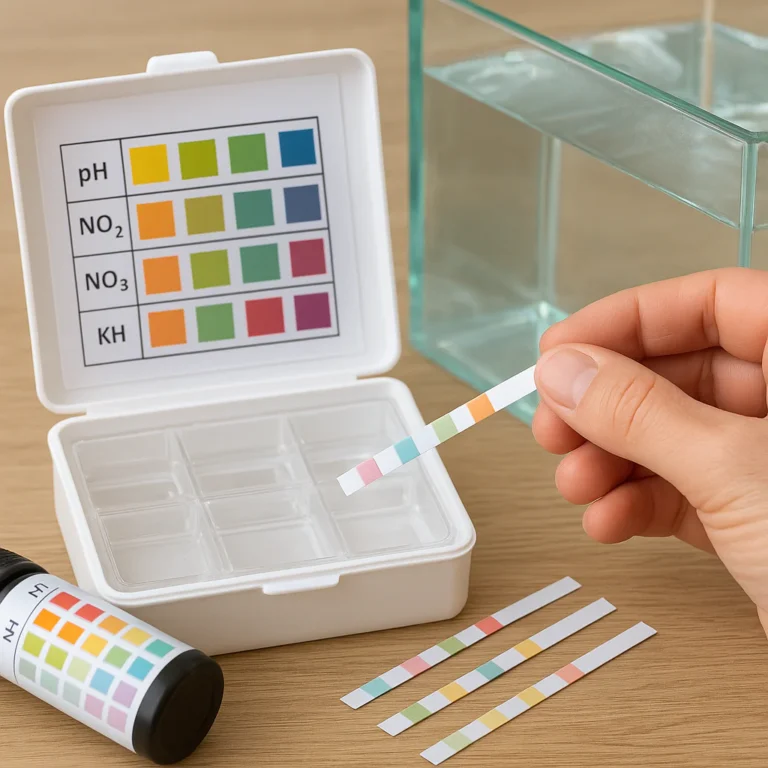
| Water test kit | Measures key water parameters | Test ammonia, nitrite, nitrate, and pH; add tests appropriate to your setup |
| Air pump or circulation pump | Moves water and supports gas exchange | Use only as much flow as livestock and aquascape can comfortably handle |
| Maintenance tools | Make water changes and cleaning safer and easier | Buy tools suited to your tank material and keep them aquarium-only |
- ✅ Cycle the filter before relying on it. Beneficial bacteria colonize filter media and other wet surfaces; new equipment does not instantly make a tank biologically mature. See USGS guidance on the nitrogen cycle.
- ✅ A filter’s advertised flow rate is not a promise of real-world performance. Media, plumbing, head height, and cloging can reduce flow.
- ✅ Use a thermometer even with a heater that has a thermostat. It’s a simple independent check against drift or failure.
- ❌ Don’t replace all biological media at once. Doing so can discard much of the tank’s established biofiltration.
- ❌ Don’t use metal blades on acrylic. They can scratch the viewing panel; use a compatible plastic scraper.
- ⚠️ Saltwater, planted, and high-flow aquariums have different equipment needs. A setup designed for a quiet beta tank may be a poor fit for a reef or demanding planted aquascape.
- 🐟 For setup and care fundamentals, browse our Aquarium Setup, Fish Care and Species Profiles, and Aquarium Equipment guides.
🐠 Aquarium Equipment Basics: What Your Tank Actually Needs
Aquarium equipment reviews are most useful when they answer a basic question: does this product solve a real problem in your aquarium? A beautifully packaged gadget can still be unnecessary, noisy, difficult to clean, or mismatched to your livestock.
We think of a tank as a small ecosystem with a support crew. The filter processes water and houses beneficial microbes; the heater reduces temperature swings; lighting sets the day-night rhythm and supports plants or corals. Test kits help you spot trouble before fish do. The rest depends on the tank.
Essential gear vs. nice-to-have upgrades
| Gear | Usually essential? | Why you might need it |
|---|---|---|
| Filter or other planned biofiltration | ✅ | Supports water movement and biological filtration in most stocked aquariums |
| Thermometer | ✅ for heated tanks | Confirms the water temperature rather than trusting a dial |
| Heater | Depends | Needed when livestock requires warmer water than the room can reliably provide |
| Aquarium light | ✅ | Needed to view the tank; plant- or coral-specific output depends on the inhabitants |
| Water conditioner | Often | Required when municipal tap water contains chlorine or chloramine |
| Test kit | Strongly recommended | Helps monitor cycling and water quality |
| Air pump | Optional | Useful for sponge filters, additional aeration, or emergency oxygen support |
| CO₂ system | Optional | Can support demanding planted aquascapes, but adds complexity and monitoring |
| Chiller | Optional | Useful only when heat control is needed and simpler cooling methods are inadequate |
| Automatic feeder | Optional | Convenient, but it must be tested and portioned carefully |
For water-quality basics, the US Environmental Protection Agency’s explanation of dissolved oxygen is a helpful reminder that oxygen conditions matter to aquatic life. Surface movement can improve gas exchange, but more bubbles are not automatically better for every setup.
Freshwater, planted, saltwater, and reef tank equipment
| Aquarium type | Common equipment priorities | Watch-outs |
|---|---|---|
| Community freshwater | Reliable filter, suitable heater, light, test kit | Excessive flow can stress slow-swimming fish |
| Beta or low-flow setup | Gentle filter, secure lid, appropriately sized heater where needed | Strong intakes and currents can be hard on long fins |
| Planted aquarium | Plant-appropriate light, substrate, filtration, optional CO₂ | More light without nutrient and algae management can create problems |
| Cichlid aquarium | Robust filtration, durable equipment, room for waste load | Large fish may damage or dislodge delicate equipment |
| Marine fish-only | Marine-safe materials, circulation, filtration, salinity testing | Salt creep and corrosion make material compatibility important |
| Reef aquarium | Strong, adjustable circulation; reef lighting; filtration; salinity and alkalinity testing | Livestock needs vary, so equipment should suit the actual coral and stocking plan |
Our aquascapers often tell beginners to buy for the tank they have planned, not the display tank they saw online. If you’re growing live plants, our Aquascaping and Aquatic Plants section can help you match gear to plant goals. For saltwater livestock, start with species-specific care research in Fish and Aquatic Life.
🔎 How We Review Aquarium Equipment
A product review should separate what a product claims from what it can reasonably do in a home aquarium. We look at fit, usability, maintenance, noise, durability, and safety—not just the number printed on the box.
The competing Aquarium Co-Op preview notes that “Undergravel filters have been around for a very long time.” That’s useful historical context, but age alone doesn’t prove a design is right or wrong. Undergravel filtration can work in particular setups; modern sponge, hang-on-back, canister, and sump systems offer other trade-offs in maintenance, media access, flow, and installation. The right choice depends on livestock and tank design, not fashion.
Testing criteria: performance, reliability, noise, and value
| Review factor | What we look for | Why it matters |
|---|---|---|
| Performance | Does it do the job in a realistic tank setup? | A product should meet the actual need, not just sound impressive |
| Reliability | Does it operate consistently and restart as expected? | A failed filter or heater can threaten livestock |
| Usability | Is setup, adjustment, and cleaning straightforward? | Complicated maintenance often gets postponed |
| Noise and vibration | Can you live with it in your space? | A quiet room makes pump hum surprisingly noticeable |
| Compatibility | Does it fit the tank, water type, and inhabitants? | Materials and flow can be unsuitable for some setups |
| Safety | Are electrical parts, guards, and instructions appropriate? | Water and electricity demand careful installation |
| Long-term practicality | Are consumables available, and is servicing manageable? | A low-maintenance product is useful only if it remains serviceable |
| Value | Does the performance justify the cost and complexity? | The best choice is not always the most expensive or feature-rich |
Our team weighs owner feedback carefully, but treats it as one part of the evidence, not a lab result. A review saying “quiet” may describe a cabinet installation; the same pump on a hollow shelf can sound like a tiny helicopter.
How to read aquarium product specifications
Before buying, check the details that tend to get buried in the listing:
- Tank volume range: Treat the range as a starting point, not a guarantee. Stocking density and waste production matter.
- Flow rate: Check whether the figure is measured without media or lift height.
- Dimensions and clearance: Confirm the product fits behind or beneath the tank.
- Power and voltage: Match local electrical requirements and follow the manufacturer’s instructions.
- Replacement parts: Look for available impellers, cartridges, seals, or probes.
- Water compatibility: Confirm whether the product is approved for freshwater, saltwater, or both.
- Maintenance schedule: A product that needs frequent cleaning may be a poor fit if you want a low-fuss setup.
For filtration and fishless cycling, the Aquarium Co-Op nitrogen cycle guide explains why biological filtration needs time to establish. It’s a useful counterweight to product listings that imply a new filter is “ready” as soon as it’s plugged in.
What warranties and safety certifications tell you
A warranty can tell you how the manufacturer handles defects, but it does not guarantee a product is appropriate for your tank. Read the terms, required registration, exclusions, and support process before purchase.
For electrical equipment:
- Follow the manufacturer’s installation and maintenance instructions.
- Keep plugs and connections away from splash zones.
- Create a drip loop so water traveling down a cord is less likely to reach an outlet.
- Use a grounded, appropriately protected outlet where required by local code.
- Unplug equipment before putting hands in the water, unless the equipment instructions specify otherwise.
- Never run damaged cords or operate equipment outside its stated conditions.
The U.S. Consumer Product Safety Commission provides general household electrical-safety guidance. Aquarium-specific installation instructions from the equipment manufacturer should also be followed.
🛒 Best Aquarium Equipment Reviews by Category
There isn’t one universal “best aquarium filter” or “best aquarium light.” Below, we compare widely used products and designs by where they make sense, alongside their trade-offs. Model availability and specifications can change, so verify current product details on the linked manufacturer pages before buying.
1. Aquarium filters: hang-on-back, canister, sponge, and sump
| Filter type or example | Best suited to | Strengths | Trade-offs |
|---|---|---|---|
| Fluval AquaClear hang-on-back | Small-to-medium freshwater tanks | Accessible media basket; adjustable flow on many models | Requires rear clearance; water-level drop can increase noise |
| Seachem Tidal hang-on-back | Freshwater hobbyists wanting easy access | Surface skimmer and accessible filter chamber on the range | Needs enough clearance and regular debris checks |
| Fluval 07 Series canister | Larger freshwater tanks and planted layouts | High media capacity; hidden cabinet installation | Hoses and canister require routine servicing |
| EHEIM Classic canister | Aquarists who value a simple external-filter design | Long-standing canister format with broad model range | Setup and priming can be less convenient than a HOB |
| AquaClear Powerhead with sponge | Breding, shrimp, or gentle-flow tanks | Simple, visible mechanical and biological media | Sponge needs rinsing; visible equipment occupies tank space |
| Sump | Marine systems and larger custom aquariums | Large equipment and media capacity; easy access | Plumbing, overflow planning, and setup add complexity |
Our practical verdict: For an uncomplicated freshwater tank, a sponge filter or hang-on-back model is often easier to maintain. For a larger tank with a cabinet and more media needs, a canister can be a tidy solution. A sump offers flexibility, but it’s not a mandatory rite of passage.
Maintenance steps for a new filter:
- Rinse reusable media as directed; don’t use soaps or household cleaners.
- Fill or prime the filter according to its instructions.
- Check for leaks, unusual vibration, and stable flow.
- Add established media only from a healthy, compatible aquarium.
- Test water during cycling and after major maintenance.
- Clean mechanical media when flow drops, while protecting biological media from unnecessary disruption.
- 👉 Shop Fluval AquaClear on: Amazon | Fluval Official Website
- 👉 Shop Seachem Tidal on: Amazon | Seachem Official Website
- 👉 Shop Fluval 07 Series on: Amazon | Fluval Official Website
- 👉 Shop EHEIM Classic on: Amazon | EHEIM Official Website
2. Aquarium heaters and temperature controllers
| Product or type | Advantages | Drawbacks | Best use |
|---|---|---|---|
| EHEIM Jäger TruTemp heater | Adjustable heater design; widely used format | Must be sized and calibrated to the tank and room | General heated freshwater setups |
| Fluval M Series heater | Submersible format with a concealed heating element | Installation position and clearance matter | Community aquariums following the model instructions |
| Aqueon Pro heater | Protective housing and adjustable models in the range | Thermostat accuracy should still be checked independently | Freshwater tanks needing a guarded heater |
| External temperature controller | Adds a separate control point for compatible heaters | Requires correct probe placement and safe configuration | Higher-value tanks or setups needing extra monitoring |
A heater’s wattage recommendation is only a starting point because room temperature and tank insulation change the workload. Use a thermometer to check the actual aquarium temperature, position the heater as instructed, and avoid switching it on dry.
Our routine: We place a thermometer away from the heater, let the tank circulate, and check readings over time rather than trusting a single glance. If the tank’s temperature swings or the heater behaves erratically, unplug it safely and investigate before livestock is exposed to a changing climate.
- 👉 Shop EHEIM Jäger heaters on: Amazon | EHEIM Official Website
- 👉 Shop Fluval M Series on: Amazon | Fluval Official Website
- 👉 Shop Aqueon Pro heaters on: Amazon | Aqueon Official Website
3. Aquarium lights for fish tanks and planted aquariums
| Product or range | Strengths | Considerations |
|---|---|---|
| NICREW ClassicLED Plus | Accessible LED choice for basic viewing and many lower-demand setups | Confirm dimensions, mounting, and plant needs |
| Fluval Plant 3.0 | Programmable features and plant-focused positioning | More control means more settings to manage |
| Chihiros WRGB II | Popular among aquascapers seeking strong, adjustable planted-tank lighting | High output can encourage algae if the rest of the system is unbalanced |
| AI Prime 16HD | Compact reef-light option with controllable output | Coral placement and tank depth require careful planning |
For plants, light intensity, duration, nutrients, and carbon availability interact. Turning a light up to “fix” weak plant growth can instead feed algae. For additional choices and setup advice, see our fish tank lighting guide and Aquascaping and Aquatic Plants.
A sensible setup sequence:
- Identify the tank’s plant or coral requirements.
- Check the light’s dimensions and mounting compatibility.
- Start with a conservative photoperiod and intensity.
- Observe plant growth, fish behavior, and algae.
- Adjust gradually, changing one variable at a time.
- 👉 Shop NICREW aquarium lights on: Amazon | NICREW Official Website
- 👉 Shop Fluval Plant 3.0 on: Amazon | Fluval Official Website
- 👉 Shop Chihiros WRGB II on: Amazon | Chihiros Official Website
- 👉 Shop AI Prime 16HD on: Amazon | Aqua Illumination Official Website
4. Air pumps, air stones, and aquarium circulation pumps
An air pump pushes air through tubing to an air stone or sponge filter. A circulation pump moves aquarium water directly. They can complement each other, but they aren’t interchangeable in every setup.
| Equipment | Common use | Buying check |
|---|---|---|
| Tetra Whisper Air Pump | Sponge filters and air stones | Match output to the number and depth of outlets |
| EHEIM air pumps | Aeration and air-driven filtration | Review output, noise, and installation instructions |
| Sice Voyager | Broad water movement in freshwater or marine systems | Match flow pattern to tank dimensions and livestock |
| Hydor Koralia | Circulation in marine and freshwater aquariums | Aim to avoid harsh direct flow and dead spots |
If fish are gasping at the surface, don’t treat an air stone as a substitute for diagnosing the cause. Check temperature, filtration, water quality, and circulation. The EPA’s dissolved oxygen overview explains why oxygen levels can affect aquatic organisms.
- 👉 Shop Tetra Whisper pumps on: Amazon | Tetra Official Website
- 👉 Shop Sice Voyager pumps on: Amazon | Sice Official Website
- 👉 Shop Hydor Koralia pumps on: Amazon | Hydor Official Website
5. Aquarium powerheads and wavemakers for reef tanks
Ref corals and other marine animals can need more dynamic circulation than a typical quiet community tank. A wavemaker spreads flow through the aquarium; it should not blast one coral like a garden hose.
| Product | Advantages | Trade-offs |
|---|---|---|
| EcoTech Marine VorTech | External motor design on the VorTech line; adjustable flow modes | Premium ecosystem; placement and programming take planning |
| Aqua Illumination Nero | Compact, controllable circulation-pump range | Needs careful placement to avoid direct high-flow zones |
| Sice Voyager | Straightforward circulation-pump range | Less specialized control than some smart wavemakers |
Placement tip: Aim flow toward glass or rockwork so it disperses, then watch coral extension and debris movement. If sand is blowing into drifts or livestock is pinned against the rock, reduce or redirect the flow.
- 👉 Shop EcoTech VorTech on: Amazon | EcoTech Official Website
- 👉 Shop AI Nero on: Amazon | Aqua Illumination Official Website
6. Aquarium test kits, digital meters, and water monitors
| Test tool | Useful for | Limitations |
|---|---|---|
| API Freshwater Master Test Kit | Common freshwater cycling and maintenance checks | Color comparison takes careful lighting and timing |
| Salifert test kits | Marine parameters, with tests available for different needs | Read the instructions closely; test range differs by product |
| Hanna Instruments checkers | Digital colorimetric testing for selected parameters | Requires appropriate reagents, clean handling, and calibration where applicable |
| Digital thermometer | Temperature spot checks | Cheap models can drift or read inconsistently |
| Conductivity or TDS meter | Comparing dissolved-solids readings, especially with purified water | Does not identify which substances are present |
For a new aquarium, test ammonia and nitrite during cycling and monitor nitrate as part of routine care. For reef tanks, add tests based on the animals and husbandry plan. A test result is only as useful as the procedure: use clean vials, follow timing, check expiration dates, and compare colors under consistent lighting.
- 👉 Shop API Freshwater Master Test Kit on: Amazon | API Official Website
- 👉 Shop Salifert aquarium tests on: Amazon | Salifert Official Website
- 👉 Shop Hanna aquarium checkers on: Amazon | Hanna Instruments Official Website
7. Aquarium substrates, gravel, and planted-tank soils
Substrate is part of the layout and maintenance plan. Gravel is durable and easy to vacuum; sand suits some fish and visual styles; nutrient-rich planted substrates can support plant growth but may require careful setup and water monitoring.
| Substrate type | Benefits | Considerations |
|---|---|---|
| Inert gravel | Easy to find and maintain | Root-feding plants may need root tabs |
| Aquarium sand | Natural look; useful for some bottom-dwellers | Fine particles can compact; choose fish-compatible grain |
| Active aquasoil | Plant-focused nutrients and aquascaping control | Can affect water chemistry and release nutrients during setup |
| Bare-bottom | Simple debris removal and quarantine use | Less natural appearance and fewer substrate-based habitats |
Brands such as Fluval Stratum and CaribSea offer different substrate lines. Check product guidance and livestock requirements before use. For plant planning, see Aquascaping and Aquatic Plants.
Setup sequence: Rinse inert substrates if the manufacturer recommends it, place hardscape securely, add water gently to avoid clouding, and test parameters during the initial setup. Some active soils are intended to be used without rinsing, so follow the specific product instructions rather than applying one rule to everything.
- 👉 Shop Fluval Stratum on: Amazon | Fluval Official Website
- 👉 Shop CaribSea substrates on: Amazon | CaribSea Official Website
8. CO₂ systems and accessories for planted aquariums
Pressurized CO₂ can support demanding planted layouts, but it adds monitoring and tuning. A regulator, cylinder, tubing, diffuser, and check valve should be compatible and installed according to the manufacturer’s directions.
| CO₂ component | Role | Practical note |
|---|---|---|
| Cylinder and regulator | Supplies and controls gas | Secure the cylinder upright and use compatible fittings |
| Solenoid | Allows scheduled gas control | Use with a suitable timer and follow product instructions |
| Diffuser or reactor | Disperses CO₂ into water | Match to tank size and circulation |
| Drop checker or other monitor | Helps observe CO₂ conditions indirectly | It responds slowly and should not be treated as an instant safety alarm |
| Timer | Coordinates lighting and CO₂ routines | Avoid abrupt or unmonitored changes |
Too much CO₂ can harm livestock. Start conservatively, watch fish behavior, and ensure adequate surface exchange. For a lower-complexity planted tank, begin with plant selection and lighting before assuming pressurized gas is necessary.
- 👉 Shop Fluval CO₂ systems on: Amazon | Fluval Official Website
- 👉 Shop CO₂Art planted-tank equipment on: Amazon | CO₂Art Official Website
9. Aquarium lids, stands, and canopies
A lid can reduce evaporation and discourage jumpers, while a stable, level stand supports the tank’s load. A stand must be designed for the aquarium’s size and weight; household furniture is not automatically a safe substitute.
- Check tank and stand dimensions before assembly.
- Place the aquarium on a suitable, level surface and follow the tank maker’s support requirements.
- Leave room for filters, cords, and maintenance access.
- Make sure lid openings do not create an escape route for jump-prone fish.
- Keep the light properly supported and away from water exposure.
For setup planning, see our Aquarium Setup resources. Product-specific compatibility should come from the aquarium and stand manufacturer, not a guess based on “it looks sturdy.”
10. Automatic fish feeders and aquarium timers
Automatic feeders can make routines more consistent, but they are not a license to overfeed or leave a tank unattended indefinitely. Food can absorb moisture, clump, or dispense in larger portions than expected.
Before relying on a feeder:
- Install it securely and keep food dry.
- Use the food intended for the feeder mechanism.
- Run it while you are home and measure the actual portion.
- Check that food lands where the fish can reach it.
- Ask a person to check the tank during longer absences.
A timer can simplify lighting schedules. Test the complete setup for several days so a programming mistake doesn’t turn your aquarium into a 24-hour disco.
- 👉 Shop Eheim automatic feeders on: Amazon | EHEIM Official Website
- 👉 Shop Fluval automatic feeders on: Amazon | Fluval Official Website
11. Aquarium chillers, fans, and temperature-control gear
Fans cool water mainly through evaporation, while a chiller actively removes heat. A fan may be enough for modest cooling in a suitable room; a chiller may be necessary for systems that need tighter temperature control. Both require attention to room conditions and evaporation.
| Cooling option | Benefits | Limitations |
|---|---|---|
| Room air conditioning | Cools the whole space and reduces temperature swings | Not always practical or energy-efficient for one tank |
| Clip-on aquarium fan | Simple evaporative cooling | Increases evaporation; effectiveness depends on humidity and airflow |
| Aquarium chiller | More controlled cooling for demanding systems | Higher complexity; needs ventilation and maintenance |
| Controller and temperature probe | Can automate compatible cooling equipment | Probe placement and settings must be checked |
The Temu-product review summarized for this article gave a small cooling fan a mixed verdict: it worked and moved air, but the reviewer personally would not use it. That’s a useful reminder that “it turns on” is not the same as “it’s a good solution for my tank.” The reviewer’s practical view is most relevant to convenience and perceived usefulness, not a controlled temperature-performance test.
- 👉 Shop AquaEuroUSA chillers on: Amazon | AquaEuroUSA Official Website
- 👉 Shop JBJ aquarium chillers on: Amazon | JBJ Official Website
12. Reverse osmosis systems and aquarium water conditioners
Reverse osmosis (RO) filtration can produce low-mineral water for marine aquariums, sensitive setups, and specific freshwater applications. Water conditioner treats tap water for compounds specified by its manufacturer; it does not replace cycling or testing.
| Water approach | Common application | Key check |
|---|---|---|
| Conditioned tap water | Many freshwater aquariums | Test source-water parameters and use a conditioner appropriate for the supply |
| RO water | Reef, sensitive, or parameter-controlled systems | Remineralize or mix as required for livestock |
| RO/DI water | Reef systems seeking very low dissolved solids | Maintain cartridges and verify output with an appropriate meter |
A TDS reading indicates the amount of dissolved material in a sample, but not its identity. It is a useful process check, not a complete water-quality analysis. For drinking-water context on filtration and contaminants, consult the U.S. EPA drinking-water resources.
- 👉 Shop RO Budie systems on: Amazon | Aquatic Life Official Website
- 👉 Shop Seachem Prime on: Amazon | Seachem Official Website
13. Saltwater protein skimmers and reef filtration
Protein skimmers remove certain organic compounds from marine aquarium water by collecting foam in a cup. They can be valuable in reef systems, but performance depends on correct sizing, adjustment, maintenance, and system design.
| Product line | Considerations |
|---|---|
| Ref Octopus skimmers | Broad product range; choose based on system volume and intended bioload |
| Tunze Comline DOC skimmers | Compact options for specific aquarium layouts |
| Nyos Quantum skimmers | Reef-oriented designs with model-specific sizing |
A skimmer is not a substitute for regular maintenance, appropriate feeding, water testing, or biological filtration. For marine systems, keep pumps and equipment clean of salt creep and inspect electrical connections often.
- 👉 Shop Ref Octopus skimmers on: Amazon | Ref Octopus Official Website
- 👉 Shop Tunze skimmers on: Amazon | Tunze Official Website
- 👉 Shop Nyos Quantum skimmers on: Amazon | Nyos Official Website
14. Aquarium cleaning tools, gravel vacums, and algae scrapers
| Tool | Best for | Caution |
|---|---|---|
| Gravel vacuum | Removing debris during water changes | Avoid uproting plants or disturbing deep substrate unnecessarily |
| Magnetic algae cleaner | Routine glass cleaning | Trapped grit can scratch glass |
| Plastic scraper | Acrylic and delicate surfaces | Use a blade suited to the tank material |
| Dedicated bucket and hose | Water changes | Keep aquarium tools separate from household chemicals |
| Mesh media bag | Organizing filter media | Use aquarium-safe material and a secure closure |
In the summarized Temu review, the reviewer said a plastic-blade algae scraper “actually works pretty well” and felt safer than a metal blade. The useful takeaway is material compatibility: plastic can be a sensible choice for acrylic, but check the tank manufacturer’s cleaning advice and keep grit out from under the scraper.
The same review praised zipered filter-media bags for keeping media organized during maintenance. That is practical owner feedback—not proof that a generic media pouch performs like a branded chemical filtration product.
- 👉 Shop Python gravel cleaners on: Amazon | Python Official Website
- 👉 Shop Flipper algae cleaners on: Amazon | Flipper Official Website
15. Aquarium controllers, smart plugs, and monitoring systems
Controllers can coordinate lights, pumps, heaters, dosing, and alerts, depending on the system. They add convenience, but automation does not remove the need for observation.
| Controller type | Useful for | Check before buying |
|---|---|---|
| Neptune Systems Apex | Monitoring and automation for marine systems | Compatibility, probes, configuration, and support |
| Inkbird temperature controllers | Temperature control with compatible heating or cooling equipment | Probe placement, output ratings, and fail-safe behavior |
| Smart plug | Scheduling compatible lights or accessories | Verify electrical load and ensure the device is suitable for the environment |
Never put a heater on an unsuitable controller or exceed the controller’s rated load. Test alarms and backup behavior while you are present. For gear that is critical to livestock, keep a manual check routine even after adding automation.
- 👉 Shop Neptune Systems Apex on: Amazon | Neptune Systems Official Website
- 👉 Shop Inkbird aquarium controllers on: Amazon | Inkbird Official Website
🏆 Best Aquarium Equipment Brands: What We Recommend
Brand reputation is a starting point, not a substitute for checking model fit and support. Established manufacturers often provide manuals, replacement parts, and clearer specifications, but individual products can still vary.
Reliable brands for freshwater and planted tanks
- Fluval: Broad range covering filters, lights, heaters, and planted-tank gear.
- EHEIM: Known for filtration and aquarium technology, including canister filters and heaters.
- Seachem: Water-care products, filtration media, and equipment.
- Aqueon: Common freshwater equipment and aquarium products.
- NICREW: Aquarium lighting and accessories across different use cases.
- Chihiros: Planted-aquarium lighting and aquascaping equipment.
- Aquarium Co-Op: Practical freshwater supplies and educational resources.
Trusted brands for marine and reef aquariums
- EcoTech Marine: Reef circulation and lighting products.
- Aqua Illumination: Reef lighting and circulation equipment.
- Sice: Pumps and water-movement products.
- Ref Octopus: Protein skimmers and filtration equipment.
- Tunze: Marine filtration and circulation equipment.
- Hanna Instruments: Digital testing equipment for selected water parameters.
When a budget brand is worth buying—and when it isn’t
Budget gear can be a reasonable choice for noncritical accessories such as a plastic scraper, spare tubing, or media bags, provided the materials are appropriate and quality is acceptable. We are more cautious about low-cost products responsible for heating, circulation, filtration, or precise water control.
A summarized review of Temu-suggested aquarium products illustrates the split. The reviewer approved several practical accessories, including a fish-feding tube and filter-media zipper bags, while treating the cooling fan as something they personally would not use. They also described a generic “pure resin” media pouch as a preliminary “not bad,” while planning longer-term testing. That’s sensible: a quick unboxing can assess fit and basic function, but it cannot establish long-term performance or validate chemical claims.
The broader Aquarium Co-Op preview describes undergravel filters as longstanding equipment, while the Jay Wilson Aquarium Store Tours & Reviews playlist offers a shop-floor perspective rather than a technical product comparison. These sources answer different questions: history and hobby context are not the same as controlled product testing.
⚖️ Aquarium Equipment Comparison: Choosing the Right Setup
Equipment recommendations by tank size
| Tank scale | Practical equipment priorities | Common mistake |
|---|---|---|
| Nano | Compact filter, stable temperature plan, small maintenance tools | Assuming tiny water volume makes care easier |
| Small community tank | Appropriately sized filter, thermometer, light, test kit | Choosing equipment based only on the tank’s stated maximum |
| Medium planted tank | Adjustable filter flow, plant-capable light, substrate plan | Increasing light without considering nutrients and algae |
| Large freshwater tank | Higher media capacity, accessible maintenance, sturdy stand | Underestimating weight and maintenance effort |
| Reef tank | Circulation, marine-compatible filtration, salinity testing, appropriate light | Buying one pump or light without considering coral placement and tank shape |
These are planning categories, not equipment prescriptions. Stocking, tank dimensions, species, and local room conditions can change what works.
Best gear for beginners, planted tanks, and advanced reef systems
| Hobby goal | Prioritize | Add later if needed |
|---|---|---|
| Beginner freshwater | Reliable filter, thermometer, test kit, maintenance tools | Feder, controller, specialized media |
| Low-tech planted tank | Suitable light, substrate choice, dependable filtration | Pressurized CO₂ and advanced dosing |
| High-tech aquascape | Adjustable lighting, CO₂ control, precise maintenance routine | Automated dosing or monitoring |
| Reef aquarium | Stable circulation, appropriate reef light, salinity and parameter testing | Controller, chiller, advanced filtration |
If you’re just starting, our recommendation is to make the system easy to inspect and clean. Every extra device adds a task, a cable, or another failure point.
Quiet aquarium equipment for bedrooms and living spaces
Noise comes from more than the motor. Vibration, trapped air, a waterline that is too low, loose lids, and cabinet resonance can all contribute.
- Place air pumps on a stable, vibration-dampening surface.
- Keep hoses from tapping against glass or furniture.
- Maintain water level around hang-on-back filter outlets.
- Clean impellers and intake guards according to instructions.
- Don’t enclose a pump or chiller in a space that blocks ventilation.
- Read owner reviews for the exact model and installation style, not just the brand.
A pump that sounds quiet in a shop can be loud on a hollow cabinet. If possible, plan for an easy way to adjust or isolate the equipment before the tank is full.
Energy-efficient equipment and running costs
The biggest energy users are often heaters, chillers, and powerful lighting, but actual consumption depends on the unit, settings, room temperature, and run time. Check the product’s electrical rating and compare energy use with a suitable meter if you need a real-world estimate.
| Equipment | What affects energy use |
|---|---|
| Heater | Room-to-tank temperature difference, insulation, lid, and heater cycling |
| Chiller | Room temperature, ventilation, set point, and heat load |
| Light | Power draw, intensity, and photoperiod |
| Pump | Wattage, operating duration, head height, and restriction |
| Controller | Connected devices and continuous monitoring features |
A lid can reduce evaporation and heat loss in many setups, but ventilation, access, and livestock needs still matter. Choose efficient gear without compromising reliable temperature control or suitable water movement.
📏 How to Choose Aquarium Equipment That Fits Your Tank
Calculate filter flow rate and aquarium turnover
A simple planning calculation is:
Turnover per hour = filter flow rate ÷ actual water volume
For example, if the aquarium contains 40 gallons of water and a filter moves 200 gallons per hour under real operating conditions, the calculated turnover is 5 times per hour. That figure is not a universal target. Media resistance, filter height, livestock, and desired current all affect the useful flow.
- Find the tank’s approximate actual water volume after substrate and decor.
- Check the manufacturer’s stated flow rate.
- Account for media and plumbing that reduce flow.
- Observe whether debris moves and whether fish can swim comfortably.
- Adjust outlets or add circulation when appropriate.
Choose the right heater wattage and temperature range
Use the manufacturer’s sizing chart as a starting point and consider the temperature difference between the room and the target aquarium. A cool room can demand more heating than a warm room; a lid and tank location may also influence heat loss.
- Match the heater to the tank volume and ambient conditions.
- Confirm the product’s temperature range suits your livestock.
- Place it where water circulation can distribute heat, as directed.
- Use a separate thermometer to verify temperature.
- Avoid dry operation and follow safe unpluging and cooling instructions.
For species-specific temperature needs, consult reputable husbandry sources and our Fish Care and Species Profiles section.
Match aquarium lighting to plants, fish, or coral
Start with the inhabitants, not the color setting. Fish-only viewing needs are different from a carpeted planted aquascape or coral reef.
- Check tank depth, width, and mounting options.
- Identify plant or coral requirements.
- Review manufacturer guidance for coverage and output.
- Begin with a moderate schedule.
- Watch for algae and changes in livestock behavior.
- Adjust gradually rather than changing intensity and duration at once.
Check compatibility, dimensions, and electrical needs
Before adding to cart, measure:
- Tank length, width, and depth.
- Space behind the aquarium for HOB filters and tubing.
- Cabinet clearance for canisters, sumps, and ventilation.
- Lid and light compatibility.
- Outlet access and cord reach.
- Freshwater or saltwater approval.
- Required replacement parts, media, probes, or consumables.
A product that technically fits but blocks a lid, traps heat, or leaves no room for maintenance is not a good fit.
💧 Aquarium Setup Essentials: From Unboxing to First Fish
A practical aquarium equipment checklist
Core checklist:
- Aquarium and correctly rated stand
- Filter or planned filtration system
- Heater, if required by the livestock
- Thermometer
- Aquarium light and secure mounting
- Water conditioner appropriate to the water source
- Test kit
- Substrate and decor suitable for the species
- Dedicated bucket, siphon, and cleaning tools
- Power strip or outlet arrangement suitable for the location
Optional by setup:
- Air pump and sponge filter
- CO₂ equipment
- RO/DI system
- Chiller or fan
- Automatic feeder
- Controller or monitoring system
- Backup air pump or battery-powered aeration
Installing filters, heaters, lights, and air pumps safely
- Inspect equipment. Check cords, housings, seals, accessories, and instructions before use.
- Place the tank and stand. Follow manufacturer support requirements and confirm the surface is level.
- Install the filter. Secure the intake and outlet, then prime it exactly as instructed.
- Position the heater. Keep it submerged or mounted as its manual requires; never power it dry.
- Set up lighting. Secure the light away from splash exposure and route cords safely.
- Add air equipment if needed. Use tubing and check valves as directed, and prevent water from siphoning backward.
- Create drip loops. Arrange every cord so it dips below the outlet before rising to the plug.
- Test operation. Look for leaks, noise, stable flow, and correct temperature before adding livestock.
Cycling your aquarium before adding livestock
A new aquarium’s filter must develop a biological community capable of processing fish waste. That process takes time. Clear water does not prove a tank is cycled.
- Set up filtration and temperature control.
- Use a reliable test kit to establish baseline readings.
- Follow a reputable fishless-cycling method and monitor ammonia and nitrite.
- Avoid adding livestock until the system is ready for the planned stocking.
- Add fish gradually and continue monitoring water quality.
The Aquarium Co-Op nitrogen cycle guide provides a practical hobbyist explanation, while the USGS overview of aquatic ecosystems and water quality gives broader context. For more setup help, visit Aquarium Setup.
The drip loop, surge protection, and electrical safety
- Keep plugs and power connections above likely splash areas.
- Route cables downward before they reach the outlet.
- Use equipment only as directed and do not exceed a power strip’s rating.
- Keep cords intact and replace damaged equipment rather than improvising repairs.
- Unplug devices safely before maintenance.
- Consider a suitable ground-fault protection device where required or recommended locally.
- Keep electrical equipment dry and ventilated.
General household guidance from the CPSC electrical safety resources is useful, but follow local electrical codes and product instructions.
🧽 Aquarium Equipment Maintenance and Troubleshooting
Cleaning filter media without harming beneficial bacteria
Mechanical media catches debris; biological media provides surfaces for beneficial microbes. Clean media when it is clogged or flow drops, but avoid replacing all established biological media at once.
- Unplug the filter safely before opening it.
- Remove debris and inspect the impeller and intake.
- Rinse reusable media in removed aquarium water or as the manufacturer recommends.
- Keep biological media wet and avoid soap or household cleaners.
- Reassemble and confirm the filter restarts with normal flow.
- Test water if a large amount of media was cleaned or replaced.
The Temu review summary noted the usefulness of zipper media bags for organizing filter media during maintenance. That’s a practical convenience; it does not change the need to preserve established biofiltration.
Heater, pump, and filter problems: quick checks
| Symptom | Check first | Safe next step |
|---|---|---|
| Filter stops | Power, priming, intake blockage, impeller | Unplug before inspection; follow the manual |
| Flow drops | Clogged sponge or media, kinked hose, dirty impeller | Clean as directed and preserve biological media |
| Heater light is on but water seems cool | Thermometer accuracy, heater placement, room conditions | Verify with a second thermometer before changing settings |
| Pump rattles | Air trapped, loose mounting, debris, contact with glass | Unplug and inspect; don’t run damaged equipment |
| Algae increases | Photoperiod, nutrients, feeding, maintenance | Change one factor at a time and monitor |
| Water turns cloudy after maintenance | Substrate disturbance, new media, bacterial changes | Test parameters and observe livestock; avoid panic dosing |
If fish show distress, prioritize water testing, temperature verification, aeration where appropriate, and species-specific guidance. Don’t assume every problem is solved by buying a stronger filter.
When to replace filter media, bulbs, and equipment
Replace consumables based on condition and manufacturer instructions, not an automatic urge to throw everything out on a calendar. Mechanical pads may need frequent rinsing or replacement; biological media often lasts much longer if intact and functioning. Lights may lose output over time, but plants and coral response are more useful than a vague “new bulb” rule for many LED systems.
Replace equipment promptly when it has damaged cords, cracked housings, persistent leaks, unreliable temperature control, or a failed motor. Keep model and warranty details so you can source compatible parts.
Backup equipment for power outages and emergencies
A power outage can affect temperature, filtration, and gas exchange. A basic emergency plan should include:
- Battery-powered air pump or a charged backup option.
- Insulation suitable for temporary temperature stabilization.
- A thermometer and water test kit.
- A spare, working filter or essential replacement parts where appropriate.
- A written list of livestock needs and local emergency contacts.
The right response depends on outage duration, room temperature, and aquarium type. Avoid making drastic changes without monitoring; focus first on livestock safety and maintaining appropriate temperature and oxygen conditions.
❌ Common Aquarium Equipment Buying Mistakes
- Buying by tank-size label alone: Stocking, waste, aquascape, and flow needs matter.
- Treating maximum flow as ideal flow: Fish and coral need appropriate—not merely powerful—movement.
- Skipping a thermometer: Heater settings can be inaccurate or affected by placement.
- Replacing all filter media at once: This can remove established biological filtration.
- Buying lighting before choosing plants or corals: Requirements vary widely.
- Assuming a product review proves long-term reliability: An unboxing can’t reveal months of wear.
- Using generic chemical media without verifying claims: Confirm the product’s contents, directions, and compatibility.
- Using metal blades on acrylic: Scratches are a frustrating souvenir.
- Relying on an automatic feeder without testing it: Portion sizes and food flow need a trial run.
- Ignoring maintenance access: Gear that is hard to reach is more likely to be neglected.
- Assuming a shop tour is a technical review: Store walkthroughs show selection and presentation, not necessarily measured equipment performance.
The Jay Wilson aquarium-store playlist contains store-tour videos, but the supplied playlist information does not provide product specifications or equipment ratings. A tour can still be entertaining and useful for seeing how retailers present livestock and supplies; for a purchase decision, verify model details with the manufacturer.
✅ Quick Tips for Smarter Aquarium Gear Shopping
- Buy for livestock and maintenance habits. A quieter, simpler filter you clean regularly can beat a complicated system you avoid touching.
- Check replacement-part availability. Impellers, seals, probes, and media matter after the unboxing.
- Read negative owner reviews for patterns. One damaged shipment is different from repeated reports of leaks or failed controls.
- Separate product features from product claims. “Smart,” “high output,” and “chemical filtration” need specific details.
- Test budget accessories before trusting them. The Temu review summary found useful low-cost tools, but treated some products as preliminary or personally unsuitable.
- Keep receipts and manuals. They help with warranty support and safe maintenance.
- Choose one change at a time. When troubleshooting, changing several settings at once makes it harder to identify what helped.
- Use expert sources for livestock and water quality. Product reviews can’t replace species-specific care research.
One question we hear often is whether a popular brand or the newest gadget is automatically the safest choice. The more useful question is: can you verify the equipment’s fit, maintain it properly, and confirm that it’s doing its job? That’s the standard that keeps a good aquarium sounding like a calm little symphony instead of an emergency orchestra.