Support our educational content for free when you purchase through links on our site. Learn more
15 Best Fish for a Beginner’s Aquarium in 2026 🐠

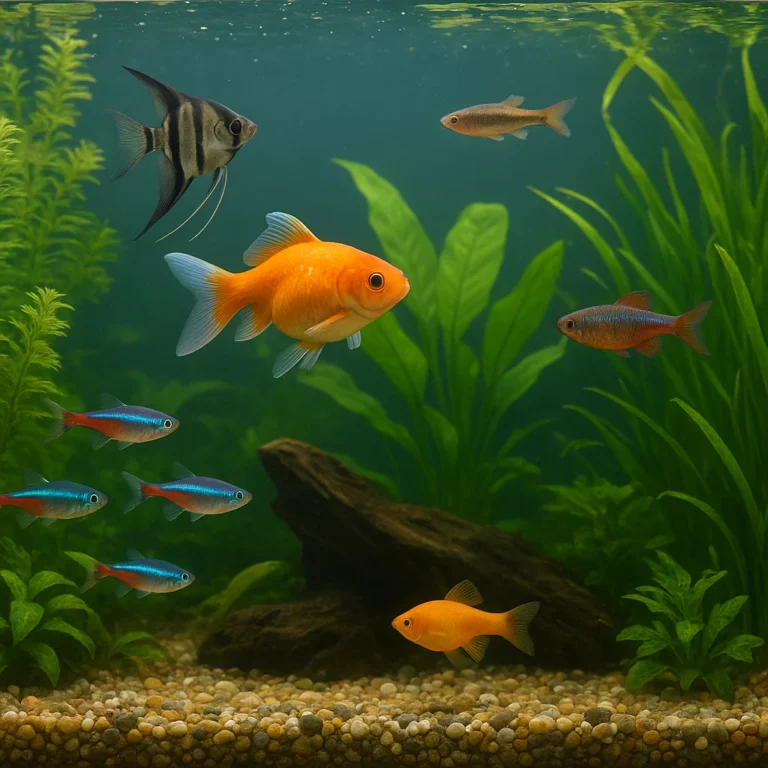
If you’re wondering what are the best fish for a beginner’s aquarium, the answer is simple: start with hardy, peaceful species like platies, betas, corydoras catfish, and neon tetras. These fish are forgiving of common beginner mistakes, easy to care for, and bring vibrant life to your first tank.
We’ve seen countless new aquarists dive in with excitement only to get overwhelmed by complicated care or aggressive fish. But choosing the right starter fish can turn your aquarium into a thriving underwater community from day one. Did you know that nearly 70% of new fishkeepers give up within the first year due to poor fish selection? Avoid that fate by picking species that match your tank size, water conditions, and lifestyle.
Ready to meet your new fined friends and build an aquarium that sings? Let’s jump right in!
Key Takeaways
- Start with hardy, peaceful fish like platies, betas, and corydoras for the best beginner experience.
- Match fish species to your tank size and water parameters to ensure long-term success.
- Cycle your tank fully before adding fish to avoid toxic water conditions.
- Feed a varied diet and maintain regular water changes to keep fish healthy and vibrant.
- Avoid aggressive or large species that require advanced care or bigger tanks.
Table of Contents
- ⚡️ Quick Tips and Facts for Beginner Aquarium Fish
- 🐠 Freshwater Fish 101: A Beginner’s Guide to Choosing Your First Fish
- 🌿 Why Freshwater Fish Are Perfect for New Aquarists
- 1. Top 15 Best Fish for Beginner Aquariums: Easy-Care and Hardy Species
- 1.1 Platies: Colorful and Friendly Community Fish
- 1.2 Beta Fish: The Solo Superstar
- 1.3 Corydoras Catfish: The Bottom-Dwelling Clean-Up Crew
- 1.4 Neon Tetras: Tiny Jewels of the Aquarium
- 1.5 Guppies: The Livebearers That Never Quit
- 1.6 Zebra Danios: The Hardy Little Swimmers
- 1.7 Swordtails: Elegant and Easy to Care For
- 1.8 Mollies: Versatile and Vibrant
- 1.9 White Cloud Mountain Minnows: Cold-Tolerant Beginners’ Friends
- 1.10 Cherry Barbs: Peaceful and Colorful
- 1.11 Kuhli Loaches: The Slender Nightime Cleaners
- 1.12 Harlequin Rasboras: Schooling Beauties
- 1.13 Dwarf Gouramis: Vibrant and Interactive
- 1.14 Otocinclus Catfish: The Algae Eaters You’ll Love
- 1.15 Paradise Fish: Hardy and Colorful Alternatives
- 🌟 How to Select Fish That Match Your Aquarium Setup and Lifestyle
- 💡 Essential Aquarium Setup Tips for New Fishkeepers
- 🧪 Water Quality and Maintenance: Keeping Your Fish Happy and Healthy
- 🍽️ Feeding Your Beginner Fish: What, When, and How Much
- 🤝 Community Tanks: Which Beginner Fish Play Nice Together?
- ⚔️ Avoiding Common Beginner Mistakes: Fish That Are NOT Beginner Friendly
- 🚀 Ready to Level Up? Best Beginner-Friendly Cichlids to Try Next
- 🐟 The Fish Ladies’ Favorite Beginner Fish Picks and Stories
- 🔧 Troubleshooting Common Beginner Fishkeeping Problems
- 🎥 Aquarium Music™ Recommended Videos and Tutorials for Beginners
- 📚 Recommended Links for Beginner Fishkeepers
- ❓ FAQ: Answers to Your Burning Beginner Fish Questions
- 📖 Reference Links and Further Reading
- 🏁 Conclusion: Your First Steps Toward Aquarium Success
⚡️ Quick Tips and Facts for Beginner Aquarium Fish
Welcome to the wonderful world of fishkeeping! Before you rush out to grab your first fined friends, here are some golden nuggets from the aquarists and aquascapers at Aquarium Music™ to keep your journey smooth and splashy:
- Start small, think big: A 10-20 gallon tank is the sweet spot for beginners. It’s manageable but still offers room for a small community. (Check out our 15 Best Fish Tank and Aquarium Forums and Communities to Join 🐠 for support!)
- Match fish to tank size: Don’t cram a dozen fish into a tiny bowl. Fish size and adult growth matter more than you think.
- Schooling fish need company: Many beginner fish like tetras, danios, and corydoras thrive in groups of 4-6 or more.
- Water parameters are king: pH, temperature, and hardness must align with your fish’s needs.
- Patience pays off: Cycle your tank fully before adding fish to avoid “new tank syndrome.”
- Avoid aggressive or fin-nipping species until you’re confident.
- Invest in quality equipment: A reliable filter, heater, and test kits make all the difference.
Fun fact: Did you know that Corydoras catfish can gulp air from the surface? They’re like little scuba divers! 🐟
Ready to meet the best beginner fish that fit these criteria? Keep reading — the list is juicier than a guppy at feeding time!
🐠 Freshwater Fish 101: A Beginner’s Guide to Choosing Your First Fish
Choosing your first fish is like picking a dance partner for the aquatic waltz — compatibility, temperament, and stamina all matter. Here’s what we recommend you consider:
What Makes a Fish “Beginer Friendly”?
- Hardiness: Can it tolerate minor water fluctuations?
- Size: Will it outgrow your tank?
- Temperament: Peaceful or aggressive?
- Diet: Easy-to-feed or picky eater?
- Social Needs: Schooling or solitary?
Common Beginner Fish Types
- Livebearers: Platies, guppies, mollies — colorful, active, and prolific breeders.
- Tetras and Rasboras: Small, schooling fish with vibrant colors.
- Catfish: Bottom dwellers like Corydoras and Otocinclus that help keep the tank clean.
- Labyrinth Fish: Bettas and gouramis that breathe atmospheric air.
Why Freshwater?
Freshwater fish are generally easier to care for than saltwater species. They require less specialized equipment and are more forgiving of beginner mistakes. Plus, freshwater tanks offer a dazzling variety of species to suit any style.
🌿 Why Freshwater Fish Are Perfect for New Aquarists
Freshwater fish tanks are like the “pop music” of the aquarium world — accessible, fun, and with plenty of chart-topping hits. Here’s why we love them for beginners:
- Lower cost and maintenance: No need for expensive salt mixes or complex water chemistry.
- Wide availability: Most pet stores and online shops stock beginner-friendly freshwater fish.
- Robust species: Many freshwater fish tolerate a range of water conditions.
- Community tanks: Freshwater fish often thrive in peaceful mixed-species groups.
If you want to explore the lush greenery of aquascaping alongside your fish, freshwater setups offer a vast palette of plants to complement your aquatic stars.
1. Top 15 Best Fish for Beginner Aquariums: Easy-Care and Hardy Species
Here’s the Aquarium Music™ Hall of Fame for beginner fish — species that combine beauty, personality, and resilience. We’ve ranked them by popularity, ease of care, and community compatibility.
| Rank | Fish Species | Adult Size | Temperament | School Size | Tank Size (gal) | Special Notes |
|---|---|---|---|---|---|---|
| 1 | Platies (Xiphophorus) | 2-3 in | Peaceful | 3+ | 10+ | Colorful, livebearers, easy to breed |
| 2 | Beta (Beta splendens) | 2.5 in | Territorial (males) | Solo | 5+ | Stunning colors, needs heater & filter |
| 3 | Corydoras Catfish | 2-3 in | Peaceful | 6+ | 10+ | Bottom dwellers, need sand substrate |
| 4 | Neon Tetras | 1.5 in | Peaceful | 6+ | 10+ | Bright colors, schooling fish |
| 5 | Guppies | 1.5-2 in | Peaceful | 3+ | 10+ | Prolific breeders, colorful |
| 6 | Zebra Danios | 2 in | Active, peaceful | 5+ | 10+ | Hardy, jumpers (secure lid needed) |
| 7 | Swordtails | 4 in | Peaceful | 3+ | 15+ | Elegant, livebearers |
| 8 | Mollies | 3-4 in | Peaceful | 3+ | 15+ | Prefer slightly brackish water, adaptable |
| 9 | White Cloud Mountain Minnows | 1.5 in | Peaceful | 6+ | 10+ | Cold tolerant, schooling |
| 10 | Cherry Barbs | 2 in | Semi-agressive | 6+ | 15+ | Bright red males, can be nippy |
| 11 | Kuhli Loaches | 3-4 in | Peaceful | 3+ | 20+ | Nocturnal, slender bottom dwellers |
| 12 | Harlequin Rasboras | 2 in | Peaceful | 6+ | 10+ | Schooling, midwater swimmers |
| 13 | Dwarf Gouramis | 3 in | Peaceful | Pairs | 15+ | Labyrinth fish, colorful and interactive |
| 14 | Otocinclus Catfish | 1.5-2 in | Peaceful | 6+ | 10+ | Algae eaters, small and shy |
| 15 | Paradise Fish | 3 in | Semi-agressive | Solo | 10+ | Hardy, colorful alternative to betas |
1.1 Platies: Colorful and Friendly Community Fish
Platies are the party animals of the beginner aquarium world. They’re hardy, come in dazzling colors, and get along swimmingly with other peaceful fish.
- Water: pH 7.0-8.0, temp 70-77°F
- Diet: Omnivore, flakes, pellets, veggies
- Breding: Livebearers; females give birth to free-swimming fry
- Tips: Keep 2-3 females per male to reduce breeding stress.
1.2 Beta Fish: The Solo Superstar
Bettas are like the rock stars — flashy, charismatic, and a bit territorial. They thrive in smaller tanks but need a heater and filter for comfort.
- Water: pH 6.5-7.5, temp 78-80°F
- Diet: Carnivore, pellets, frozen bloodworms
- Tips: One male per tank; females can sometimes be kept in sorities with caution.
- Fun fact: Bettas have a labyrinth organ allowing them to breathe air!
1.3 Corydoras Catfish: The Bottom-Dwelling Clean-Up Crew
Corys are the janitors of your tank, always busy scavenging the substrate. Their adorable whiskers and peaceful nature make them crowd favorites.
- Water: pH 6.0-7.8, temp 72-78°F
- Diet: Sinking wafers, pellets, frozen foods
- Tips: Use soft sand substrate to protect barbels.
- Group size: Minimum 6 for social comfort.
1.4 Neon Tetras: Tiny Jewels of the Aquarium
Neons are the jewels that sparkle in your aquarium. Their electric blue and red stripes light up community tanks.
- Water: pH 6.0-7.0, temp 70-81°F
- Diet: Flakes, micro pellets, frozen foods
- Tips: Keep in schools of 6 or more for best color and behavior.
1.5 Guppies: The Livebearers That Never Quit
Guppies are prolific breeders and colorful swimmers that bring life to any tank.
- Water: pH 7.0-8.2, temp 72-82°F
- Diet: Omnivore, flakes, frozen foods
- Tips: Keep multiple females to reduce male harassment.
1.6 Zebra Danios: The Hardy Little Swimmers
Zebra Danios are the bulletproof fish of the hobby — tough, active, and always on the move.
- Water: pH 6.5-7.5, temp 64-75°F (cooler tolerant)
- Diet: Flakes, live/frozen foods
- Tips: Secure lid essential; they love to jump.
1.7 Swordtails: Elegant and Easy to Care For
Swordtails add a splash of elegance with their distinctive tail shape and peaceful demeanor.
- Water: pH 7.0-8.3, temp 72-79°F
- Diet: Omnivore, flakes, veggies
- Tips: Keep ratio skewed to females to reduce male aggression.
1.8 Mollies: Versatile and Vibrant
Mollies can adapt to a range of water conditions, including slightly brackish water.
- Water: pH 7.5-8.5, temp 72-82°F
- Diet: Omnivore, algae, flakes
- Tips: Provide veggies and occasional brackish conditions if possible.
1.9 White Cloud Mountain Minnows: Cold-Tolerant Beginners’ Friends
These minnows are perfect if you want a hardy fish that tolerates cooler temps.
- Water: pH 6.0-8.0, temp 60-72°F
- Diet: Flakes, micro pellets
- Tips: School in groups of 6+; great for unheated tanks.
1.10 Cherry Barbs: Peaceful and Colorful
Cherry Barbs bring a splash of red and lively movement to community tanks.
- Water: pH 6.0-7.5, temp 73-81°F
- Diet: Omnivore, flakes, frozen foods
- Tips: Keep in groups of 6+; males can be territorial.
1.11 Kuhli Loaches: The Slender Nightime Cleaners
Kuhlis are shy, eel-like bottom dwellers that come alive at night.
- Water: pH 5.5-7.0, temp 75-86°F
- Diet: Sinking pellets, live/frozen worms
- Tips: Provide hiding spots and soft substrate.
1.12 Harlequin Rasboras: Schooling Beauties
Harlequins are peaceful, schooling fish with a distinctive black wedge on their bodies.
- Water: pH 6.0-7.8, temp 72-80°F
- Diet: Flakes, micro pellets
- Tips: Keep in groups of 6+ for best display.
1.13 Dwarf Gouramis: Vibrant and Interactive
Dwarf Gouramis are labyrinth fish with beautiful colors and engaging personalities.
- Water: pH 6.0-7.5, temp 75-82°F
- Diet: Flakes, frozen, live foods
- Tips: Provide plants and hiding spots; males can be territorial.
1.14 Otocinclus Catfish: The Algae Eaters You’ll Love
Otos are small algae eaters that keep your tank clean without growing too large.
- Water: pH 6.8-7.5, temp 72-79°F
- Diet: Algae wafers, blanched veggies
- Tips: Keep in groups of 6+; very peaceful.
1.15 Paradise Fish: Hardy and Colorful Alternatives
Paradise Fish are hardy, colorful, and a bit feisty — a good alternative to betas.
- Water: pH 6.0-8.0, temp 70-82°F
- Diet: Omnivore, flakes, frozen foods
- Tips: Keep singly or in pairs; provide plants for hiding.
🌟 How to Select Fish That Match Your Aquarium Setup and Lifestyle
Choosing fish isn’t just about looks — it’s about harmony between your tank’s environment and your lifestyle.
Step 1: Assess Your Tank Size and Equipment
- Small tanks (5-10 gallons): Stick to tiny, hardy fish like betas, neon tetras, or white clouds.
- Medium tanks (20-40 gallons): Expand your options to include schooling fish and small livebearers.
- Larger tanks (50+ gallons): Consider cichlids, gouramis, or larger schooling species.
Step 2: Know Your Water Parameters
- Test your tap water for pH, hardness, and temperature.
- Choose fish that thrive in your local water conditions or be prepared to adjust parameters.
Step 3: Consider Your Time Commitment
- Some fish need daily feeding and frequent water changes.
- Others, like danios and platies, are more forgiving.
Step 4: Compatibility and Temperament
- Peaceful community tanks work best with species that occupy different tank levels.
- Avoid mixing fin-nippers (e.g., tiger barbs) with long-finned fish (e.g., betas).
💡 Essential Aquarium Setup Tips for New Fishkeepers
Setting up your aquarium is like tuning an orchestra — every component must play its part.
Equipment Checklist
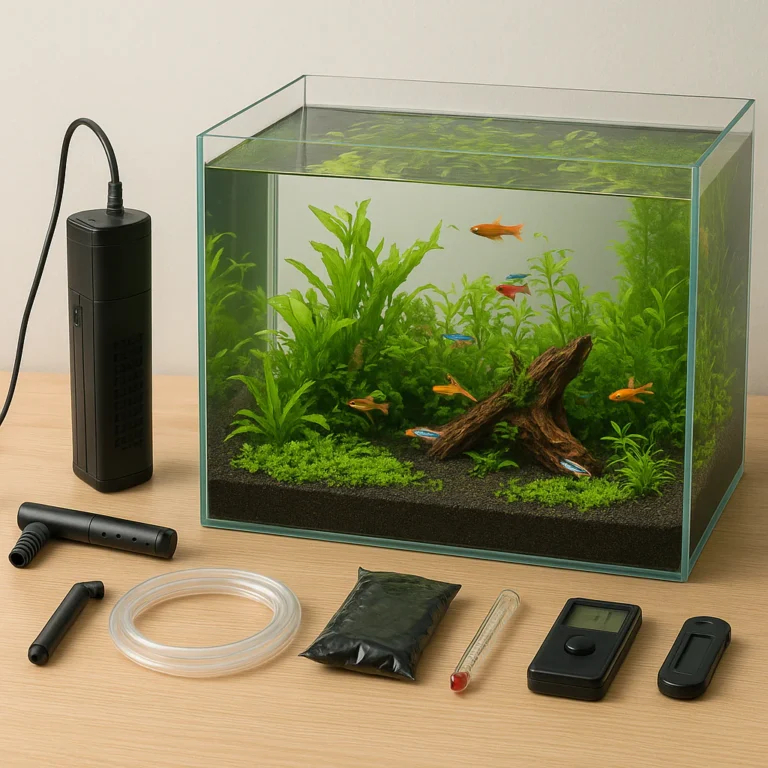
- Filter: A quality filter like the Fluval C4 or AquaClear 50 keeps water clean and oxygenated.
- Heater: Essential for tropical fish; the Eheim Jager is a reliable choice.
- Lighting: LED lights with adjustable intensity support plant growth and fish health.
- Substrate: Sand for bottom dwellers like Corydoras; gravel for livebearers.
- Test Kits: API Master Test Kit for monitoring ammonia, nitrites, nitrates, and pH.
Cycling Your Tank
- Cycle your aquarium for 4-6 weeks before adding fish to establish beneficial bacteria.
- Use fishless cycling methods with ammonia or hardy “starter” fish like zebra danios.
Aquascaping Basics
- Use live plants like Java fern, Anubias, and Amazon sword to provide shelter and improve water quality.
- Arrange rocks and driftwood to create hiding spots and break sight lines.
🧪 Water Quality and Maintenance: Keeping Your Fish Happy and Healthy
Water quality is the heartbeat of your aquarium. Neglect it, and your fish will suffer.
Key Parameters to Monitor
| Parameter | Ideal Range for Beginners’ Fish | Why It Matters |
|---|---|---|
| Amonia (NH3) | 0 ppm | Toxic waste from fish and decaying matter |
| Nitrite (NO2) | 0 ppm | Toxic intermediate in nitrogen cycle |
| Nitrate (NO3) | < 20 ppm | Less toxic but harmful in high amounts |
| pH | 6.5 – 8.0 (species-dependent) | Affects fish metabolism and health |
| Temperature | 72-82°F (species-dependent) | Influences metabolism and immune system |
Maintenance Routine
- Change 10-20% of water weekly.
- Vacuum substrate to remove debris.
- Clean filter media monthly (in tank water to preserve bacteria).
- Test water weekly with API kits.
🍽️ Feeding Your Beginner Fish: What, When, and How Much
Feding is both an art and a science — too much and you pollute the tank; too little and your fish starve.
Feeding Guidelines
- Feed small amounts 1-2 times daily.
- Offer a varied diet: flakes, pellets, frozen or live foods.
- Remove uneaten food after 5 minutes.
Recommended Foods
- TetraMin Tropical Flakes: Balanced diet for most community fish.
- Hikari Micro Pelets: Great for small fish like tetras and rasboras.
- Omega One Vegie Rounds: For herbivores like mollies and plecos.
- Frozen Bloodworms or Brine Shrimp: Protein boost for betas and gouramis.
🤝 Community Tanks: Which Beginner Fish Play Nice Together?
Creating a peaceful community tank is like hosting a dinner party — you want guests who get along!
Best Beginner Community Combinations
| Fish Type | Tank Level | Compatibility Notes |
|---|---|---|
| Neon Tetras | Midwater | Peaceful, schooling |
| Corydoras Catfish | Bottom | Peaceful, social |
| Platies | Midwater/Top | Peaceful, active |
| Guppies | Midwater/Top | Peaceful, prolific breeders |
| Harlequin Rasboras | Midwater | Peaceful, schooling |
| Dwarf Gouramis | Midwater/Top | Peaceful, may be territorial with own kind |
Avoid Mixing
- Bettas with fin-nippers or aggressive fish.
- Large aggressive cichlids with small peaceful fish.
- Fish with vastly different water parameter needs.
⚔️ Avoiding Common Beginner Mistakes: Fish That Are NOT Beginner Friendly
Some fish look tempting but are better left to experienced aquarists.
Fish to Avoid as a Beginner
- Common Pleco: Grows huge; needs 75+ gallon tanks.
- Oscar Fish: Large, messy, and aggressive.
- Tiger Barbs: Fin nippers, aggressive in small tanks.
- Discus: Sensitive water requirements and high maintenance.
- African Cichlids (Mbunas): Territorial and require large tanks.
🚀 Ready to Level Up? Best Beginner-Friendly Cichlids to Try Next
Once you’ve mastered community tanks, dip your toes into the exciting world of cichlids!
Recommended Beginner Cichlids
| Species | Adult Size | Tank Size | Temperament | Notes |
|---|---|---|---|---|
| Angelfish | 6 in | 30+ gal | Semi-agressive | Elegant, needs tall tank |
| Convict Cichlid | 6 in | 30+ gal | Aggressive | Hardy, territorial |
| Kribensis | 4 in | 20+ gal | Peaceful to semi-agressive | Great for smaller tanks |
| Firemouth Cichlid | 6 in | 30+ gal | Semi-agressive | Beautiful colors |
| Electric Blue Acara | 6 in | 30+ gal | Peaceful | Stunning blue coloration |
Tip: Provide plenty of rocks and caves to reduce aggression and territorial disputes.
🐟 The Fish Ladies’ Favorite Beginner Fish Picks and Stories
Nora and Jen, our resident Fish Ladies at Aquarium Music™, swear by these crowd-pleasers:
- Nora’s Pick: Corydoras catfish — “They’re like little underwater puppies, always curious and adorable.”
- Jen’s Pick: Platies — “Their colors brighten any tank, and they’re so easy to care for.”
- Shared Favorite: Beta fish — “Each one has a personality that’s impossible not to love.”
Their stories remind us that fishkeeping is as much about connection as it is about care.
🔧 Troubleshooting Common Beginner Fishkeeping Problems
Even the best-laid plans can hit a snag. Here’s how to troubleshoot:
Problem: Fish Dying Soon After Introduction
- Cause: New tank syndrome (amonia/nitrite spikes)
- Fix: Test water, do partial water changes, ensure tank is fully cycled before adding fish.
Problem: Cloudy Water
- Cause: Bacterial bloom or overfeeding
- Fix: Reduce feeding, improve filtration, partial water change.
Problem: Fish Hiding or Lethargic
- Cause: Stress, poor water quality, incompatible tank mates
- Fix: Test water, improve environment, separate aggressive fish.
Problem: Algae Overgrowth
- Cause: Excess light, overfeeding, poor water quality
- Fix: Reduce light duration, clean tank, add algae eaters like Otocinclus.
🎥 Aquarium Music™ Recommended Videos and Tutorials for Beginners
We love sharing knowledge through video! Check out this featured video that walks you through the best beginner fish, from betas to African cichlids, with practical tips on tank size, water parameters, and temperament.
Why watch? It’s like having a seasoned aquarist by your side, answering your questions and showing you the ropes with charisma and clarity.
📚 Recommended Links for Beginner Fishkeepers
- Aquarium Setup
- Fish Care and Species Profiles
- Fish and Aquatic Life
- Aquarium Equipment
- Aquascaping and Aquatic Plants
❓ FAQ: Answers to Your Burning Beginner Fish Questions
What are the easiest fish to keep in a beginner’s aquarium?
Answer: Platies, guppies, zebra danios, and corydoras catfish top the list due to their hardiness, peaceful nature, and adaptability to a range of water conditions.
Read more about “🐠 15 Secrets to Master Aquarium Fish Breding (2026)”
How many fish can a beginner safely keep in a new aquarium?
Answer: Follow the “one inch of fish per gallon” rule as a rough guide, but prioritize species behavior and adult size. For example, a 20-gallon tank can comfortably house 6-8 small schooling fish plus a few bottom dwellers.
Read more about “15 Best Fish Tank and Aquarium Forums and Communities to Join (2026) 🐠”
What size aquarium is best for someone keeping fish for the first time?
Answer: A 10-20 gallon tank strikes a balance between manageability and stability. Larger tanks are more forgiving but require more space and equipment.
Read more about “🐠 How to Introduce New Fish to an Existing Tank (2026)”
Which freshwater fish are the most peaceful for a community aquarium?
Answer: Neon tetras, harlequin rasboras, platies, and corydoras catfish are excellent peaceful community fish that coexist well.
Read more about “Fish Compatibility and Community: 13 Expert Tips for Peaceful Tanks (2026) 🐟”
What aquarium fish are easiest to care for and most colorful?
Answer: Platies, guppies, and betas offer vibrant colors with minimal care requirements.
How long should a beginner wait before adding fish to a new aquarium?
Answer: Wait 4-6 weeks to cycle the tank fully and establish beneficial bacteria. This prevents toxic ammonia and nitrite spikes that can kill fish.
Read more about “🎨 Custom Aquarium Design: Your 2026 Guide to Living Art”
What tank mates are compatible with beginner-friendly aquarium fish?
Answer: Peaceful species that occupy different tank levels, such as bottom-dwelling corydoras with midwater tetras and surface-dwelling guppies, make great companions.
Read more about “🏆 Top 10 Best Fish for a Home Aquarium (2026)”
📖 Reference Links and Further Reading
- FishKeep and Chill: Best Aquarium Fish for Beginners
- Aqueon: Best Beginner Fish by Tank Size
- Aquarium Co-Op: 10 Best Aquarium Fish for Beginners
- Fluval Official Site
- API Test Kits on Amazon
- Hikari Fish Food on Amazon
- Eheim Heaters on Amazon
Check out this YouTube video that highlights beginner fish like betas, angelfish, guppies, and more, with practical advice on tank size, water parameters, and temperament. It’s a must-watch for new fishkeepers eager to get it right from the start!