Support our educational content for free when you purchase through links on our site. Learn more
🐟 Top 15 Best Fish for a Beginner Aquarium (2025 Guide)

Starting your first aquarium can feel like stepping onto a vast, mysterious stage where every ripple and shimmer tells a story. We’ve all been there—excited but overwhelmed by the sheer number of fish species, tank setups, and care requirements. Did you know that nearly 70% of new aquarists give up within the first year? 😱 But fear not! With the right fish choices and expert guidance, your aquarium can become a thriving underwater symphony that brings calm and joy to your home.
In this comprehensive guide, we’ll reveal the 15 best beginner fish that are hardy, colorful, and community-friendly. From tiny schooling gems perfect for nano tanks to vibrant mid-sized swimmers for larger setups, we’ll help you pick the perfect finned companions. Plus, we’ll walk you through essential setup tips, water care wisdom, and feeding secrets that ensure your aquatic orchestra plays on beautifully. Ready to dive in and discover which fish will make your first tank a dazzling success? Let’s go! 🎶🐠
Key Takeaways
- Choose hardy, peaceful fish like Corydoras, Harlequin Rasboras, and Zebra Danios for beginner success.
- Start with a 10-20 gallon tank to maintain stable water conditions and accommodate schooling fish.
- Cycle your tank fully before adding fish to avoid toxic ammonia and nitrite spikes.
- Feed high-quality food in moderation and maintain regular water changes for healthy fish.
- Create a harmonious community by matching fish temperament, size, and water needs.
Ready to shop for your new aquatic friends and gear? Check out these trusted categories:
- Aquarium Starter Kits: Amazon | Chewy
- Water Test Kits: API Freshwater Master Test Kit on Amazon
- Fish Food: Hikari Sinking Wafers on Amazon | Repashy Super Gold on Amazon
Dive into your aquarium adventure with confidence and watch your underwater world flourish!
Table of Contents
- ⚡️ Quick Tips and Facts
- 🐠 The Beginner’s Journey: A Deep Dive into Starting Your First Aquarium
- 🛠️ Setting the Stage: Essential Aquarium Setup for New Fish Keepers
- 💧 Water Wisdom: Understanding Water Parameters for Thriving Fish
- 🧪 The Cycling Saga: Why Your Tank Needs to Cycle Before Fish Arrive
- 🏆 Top Picks for Your First Fin-tastic Friends: Our Expert Recommendations!
- 🤝 Fishy Friends & Foes: Understanding Compatibility and Community Tanks
- 🍽️ Feeding Frenzy: What, When, and How to Feed Your New Fish
- 🩺 Health Check: Spotting Common Ailments and Keeping Your Fish Happy
- 🌿 Aquascaping for Beginners: Creating a Beautiful and Functional Home
- ✅ The Golden Rules of Fish Keeping: Do’s and Don’ts for Success
- 🚀 Beyond the Basics: Next Steps for the Aspiring Aquarist
- 🎉 Conclusion: Your Journey to a Thriving Aquarium Starts Now!
- 🔗 Recommended Links: Dive Deeper with Aquarium Music™
- ❓ FAQ: Your Burning Beginner Fish Questions Answered
- 📚 Reference Links: Our Trusted Sources
⚡️ Quick Tips and Facts
Welcome to the wonderful world of fishkeeping! 🐠 Whether you’re eyeing your first fish tank or just curious about the best beginner-friendly fish, we’ve got you covered. At Aquarium Music™, we believe every new aquarist deserves a smooth start with happy, healthy fish that won’t turn your tank into a drama zone.
Here are some quick nuggets from our experience:
- ✅ Start small but not too small: A 10-20 gallon tank is often the sweet spot for beginners. It’s easier to maintain stable water parameters than in tiny tanks.
- ✅ Choose hardy, peaceful species: Fish like Corydoras catfish, Harlequin Rasboras, and Zebra Danios are forgiving and sociable.
- ✅ Schooling is key: Many beginner fish thrive in groups of 6 or more — it keeps them happy and reduces stress.
- ❌ Avoid large or aggressive fish: Fancy goldfish, Oscars, or aggressive cichlids are not beginner-friendly.
- ✅ Cycle your tank first: Never add fish before your tank is fully cycled to avoid “new tank syndrome.”
- ✅ Regular maintenance: Weekly 10-20% water changes and monitoring water parameters ensure a healthy environment.
Curious why some fish are easier than others? Or how to pick the perfect community? Stick with us — the symphony of aquatic life is about to begin! 🎶
For a detailed dive into setting up your first tank, check out our Fish Tank Setup Guide.
🐠 The Beginner’s Journey: A Deep Dive into Starting Your First Aquarium
Starting your first aquarium is like composing a beautiful symphony — every element must harmonize. From tank size to fish selection, each choice influences your success.
Why Do Beginners Struggle?
Many new aquarists jump in with enthusiasm but get overwhelmed by:
- Choosing fish that grow too large or need special care
- Ignoring water chemistry basics
- Adding fish too soon before cycling
- Overfeeding or underfeeding
- Mixing incompatible species
Our team at Aquarium Music™ has seen it all. We recommend starting with small, hardy, peaceful fish that tolerate a range of water conditions. This approach builds confidence and sets you up for long-term success.
The Emotional Rewards
There’s nothing like watching your first fish explore their new home, interact, and thrive. It’s a calming, almost meditative experience that connects you to nature’s rhythms. Plus, you’ll learn patience and responsibility — skills that extend beyond the tank.
Ready to compose your aquatic masterpiece? Let’s dive into the essentials!
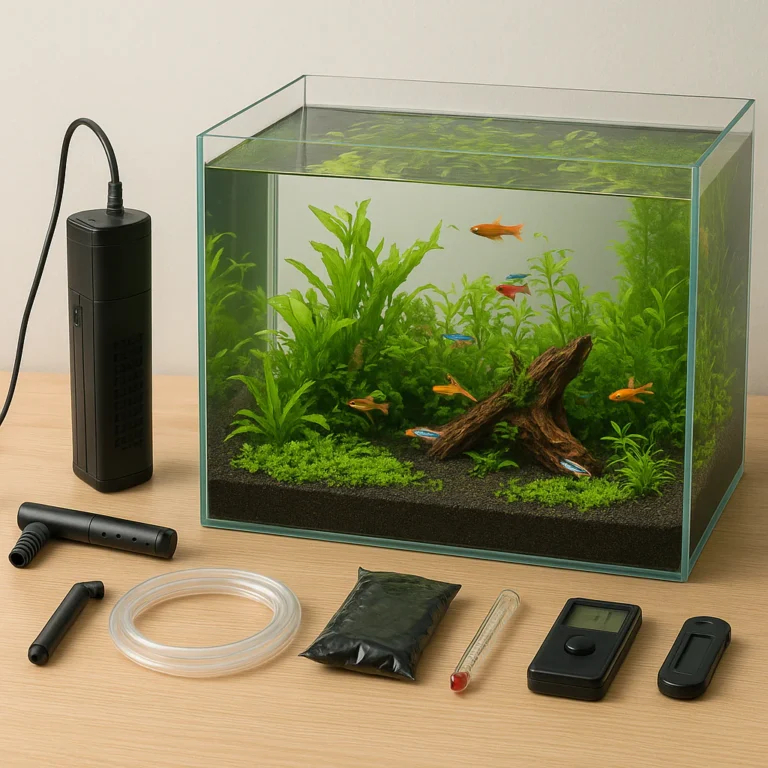
🛠️ Setting the Stage: Essential Aquarium Setup for New Fish Keepers
Before you add your finned friends, your tank needs a solid foundation. Here’s what you’ll need:
| Equipment | Purpose | Recommended Brands |
|---|---|---|
| Aquarium Tank | Size depends on fish choice (10-20 gal ideal) | Aqueon, Fluval, Marineland |
| Filter | Keeps water clean and oxygenated | AquaClear, Fluval, Eheim |
| Heater | Maintains stable tropical temperatures | Eheim Jager, Fluval M, Aqueon |
| Lighting | Supports plants and fish health | Finnex, NICREW, Fluval |
| Substrate | Gravel or sand for plants and fish comfort | CaribSea, Seachem Flourite |
| Water Test Kit | Measures pH, ammonia, nitrites, nitrates | API Freshwater Master Test Kit |
| Decorations & Plants | Provide hiding spots and natural feel | Live plants (Anubias, Java Fern), driftwood |
Step-by-Step Setup
- Choose your tank size: We recommend at least 10 gallons for beginners to maintain stable water chemistry.
- Rinse substrate and decorations: Avoid soap; just rinse with water.
- Install filter and heater: Position according to manufacturer instructions.
- Add water: Use dechlorinated water or a water conditioner like Seachem Prime.
- Cycle your tank: Establish beneficial bacteria to process fish waste (see next section).
- Add plants and decorations: Create hiding spots to reduce fish stress.
- Monitor water parameters daily: Use your test kit to track progress.
For a detailed setup walkthrough, visit our Aquarium Setup category.
💧 Water Wisdom: Understanding Water Parameters for Thriving Fish
Water is the stage where your aquatic symphony plays. Getting parameters right is crucial.
| Parameter | Ideal Range for Most Beginners | Why It Matters |
|---|---|---|
| Temperature | 74-78°F (23-26°C) | Most tropical fish thrive here |
| pH | 6.5-7.5 | Affects fish metabolism and health |
| Ammonia (NH3) | 0 ppm | Toxic; should always be zero |
| Nitrite (NO2) | 0 ppm | Toxic; should always be zero |
| Nitrate (NO3) | <20 ppm | Less toxic but keep low with water changes |
Pro Tips from Aquarium Music™
- Use a reliable test kit like the API Freshwater Master Test Kit for daily checks.
- Keep a logbook to track changes and spot trends.
- Avoid sudden parameter swings — acclimate fish slowly.
- If parameters are off, perform partial water changes and check filter function.
Understanding water chemistry is like tuning your instruments — it ensures harmony and longevity for your fish.
🧪 The Cycling Saga: Why Your Tank Needs to Cycle Before Fish Arrive
Cycling your tank is the unsung hero of fishkeeping. It establishes colonies of beneficial bacteria that convert toxic ammonia from fish waste into harmless nitrates.
The Nitrogen Cycle in a Nutshell
- Ammonia produced by fish waste and uneaten food is toxic.
- Nitrosomonas bacteria convert ammonia to nitrite — also toxic.
- Nitrobacter bacteria convert nitrite to nitrate — less harmful.
- Water changes keep nitrate levels safe.
How to Cycle Your Tank
- Fishless Cycling: Add pure ammonia or fish food to feed bacteria without stressing fish.
- Fish-in Cycling: Add hardy fish like Zebra Danios but this risks fish health.
- Use commercial bacteria starters: Products like Seachem Stability can speed up cycling.
Cycling takes 4-6 weeks. Patience pays off — adding fish too early leads to “new tank syndrome” and fish deaths.
For more on cycling, visit our Tank Maintenance category.
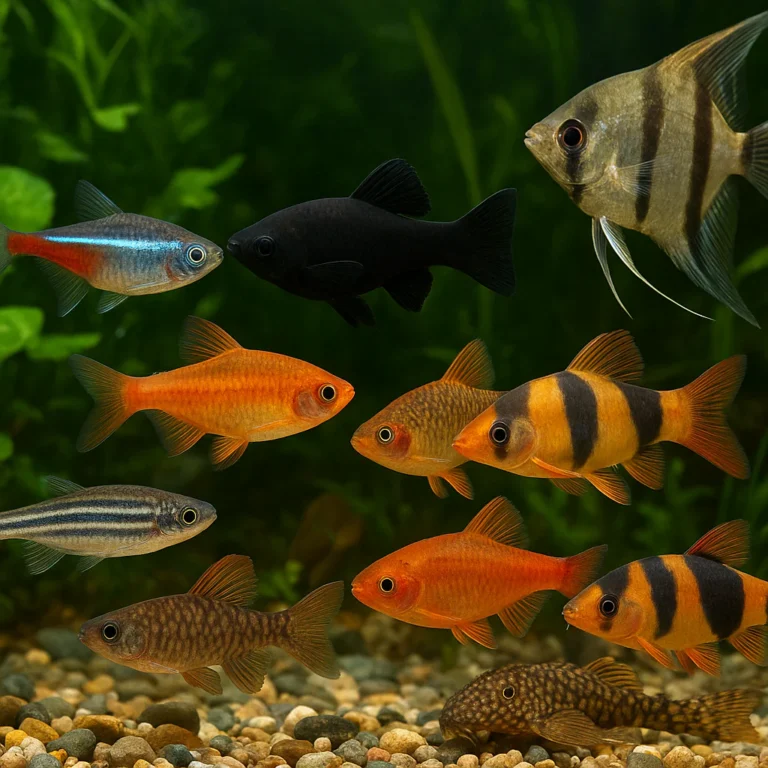
🏆 Top Picks for Your First Fin-tastic Friends: Our Expert Recommendations!
Choosing the right fish is like selecting instruments for your orchestra — each has its role and personality. Here’s our breakdown by tank size, inspired by expert sources like Aqueon, Aquarium Co-Op, and FishKeep & Chill.
1. Tiny Treasures: Best Fish for Nano and Smaller Aquariums (5-10 Gallons)
| Fish Species | Size (inches) | Temperament | School Size | Notes |
|---|---|---|---|---|
| Harlequin Rasbora | 1.5-2 | Peaceful | 6+ | Bright orange, easy to feed |
| Neon Tetra | 1.5 | Peaceful | 6+ | Sensitive to water changes |
| Betta Fish (Male) | 2.5-3 | Aggressive | Solitary | Needs 5+ gallon tank, no tank mates |
| Endler’s Livebearer | 1.5-2 | Peaceful | 6+ | Hardy, colorful |
| Pygmy Corydoras | 1.2-1.5 | Peaceful | 4-6 | Bottom dweller, scavenger |
Why these fish? They are small, hardy, and don’t require complex care. Harlequin Rasboras and Neon Tetras add vibrant color and schooling behavior, while Pygmy Corydoras keep the substrate tidy.
Beware: Avoid overcrowding; small tanks have limited bio-load capacity.
2. Mid-Sized Marvels: Ideal Fish for 10-20 Gallon Tanks
| Fish Species | Size (inches) | Temperament | School Size | Notes |
|---|---|---|---|---|
| Zebra Danio | 2-2.5 | Active | 6+ | Hardy, great for beginners |
| Corydoras Catfish | 2-3 | Peaceful | 4-6 | Bottom feeder, social |
| Platies | 2-3 | Peaceful | 3+ | Livebearer, colorful |
| Cherry Barb | 2 | Semi-aggressive | 6+ | Bright red males, active |
| Honey Gourami | 2 | Peaceful | Pairs | Labyrinth fish, needs cover |
Our Take: This size tank allows more variety and schooling fish. Zebra Danios bring energy, while Corydoras and Platies add community balance. Honey Gouramis provide a splash of color and personality.
3. Spacious Swimmers: Top Choices for 20+ Gallon Beginner Aquariums
| Fish Species | Size (inches) | Temperament | School Size | Notes |
|---|---|---|---|---|
| Pearl Gourami | 3-4 | Peaceful | Pairs | Beautiful, needs plants |
| Angelfish | 6 | Semi-aggressive | Pairs | Tall tank required, territorial |
| Bristlenose Pleco | 4-5 | Peaceful | Solitary | Algae eater, nocturnal |
| Boesemani Rainbowfish | 4 | Peaceful | 6+ | Colorful, active swimmer |
| Bolivian Ram | 3 | Peaceful | Pairs | Cichlid, good for beginners |
Why upgrade? Larger tanks offer more stable water parameters and space for bigger or more active fish. Angelfish and Bolivian Rams introduce cichlid charm without extreme aggression.
🤝 Fishy Friends & Foes: Understanding Compatibility and Community Tanks
Building a harmonious community tank is like orchestrating a jam session — everyone must play well together.
Compatibility Considerations
- Temperament: Peaceful fish like Corydoras and Rasboras mix well; avoid pairing aggressive species with timid ones.
- Size: Avoid mixing tiny fish with large, predatory species.
- Water Parameters: Match fish with similar pH and temperature needs.
- Schooling: Keep schooling fish in groups to reduce stress and aggression.
- Territoriality: Some fish, like Angelfish, claim territories; provide ample hiding spots.
Common Pitfalls
- Adding fin-nippers (Tiger Barbs) with long-finned fish (Betta) often ends badly.
- Overcrowding leads to stress and disease.
- Mixing incompatible cichlids can cause fights.
Our advice? Start with peaceful community fish and expand your tank’s complexity as you gain experience.
🍽️ Feeding Frenzy: What, When, and How to Feed Your New Fish
Feeding is both an art and science. Overfeeding is the #1 cause of water quality issues.
Feeding Basics
- Feed small amounts 1-2 times daily — only what fish can consume in 2-3 minutes.
- Use high-quality flakes, pellets, and frozen foods tailored to your species.
- Include vegetable matter for herbivores like Plecos and Mollies.
- Avoid overfeeding to prevent ammonia spikes.
Recommended Brands
- Hikari: Known for sinking wafers and pellets for bottom feeders like Corydoras.
- Omega One: High-protein, natural ingredients.
- Repashy Super Gold: Great for goldfish and herbivores.
Feeding Tips from Aquarium Music™
- Observe fish behavior during feeding — are all fish getting food?
- Use feeding rings or target feeders for shy bottom dwellers.
- Vary diet to keep fish healthy and colorful.
🩺 Health Check: Spotting Common Ailments and Keeping Your Fish Happy
Fish health can be fragile, but early detection saves lives.
Common Beginner Fish Diseases
| Disease | Symptoms | Treatment |
|---|---|---|
| Ich (White Spot) | White spots, scratching on decor | Raise temp, use Ich treatment meds |
| Fin Rot | Ragged fins, discoloration | Improve water quality, antibiotics |
| Swim Bladder | Difficulty swimming, floating | Fasting, feeding peas |
| Velvet Disease | Gold dust appearance, lethargy | Copper-based meds, dark tank |
Prevention Tips
- Quarantine new fish for 2 weeks.
- Maintain stable water parameters.
- Avoid overcrowding.
- Perform regular water changes.
Our aquarists swear by Seachem Prime for water conditioning and API medications for treatments.
🌿 Aquascaping for Beginners: Creating a Beautiful and Functional Home
A well-planted tank is a happy tank! Aquascaping not only beautifies but also benefits fish health.
Easy Starter Plants
- Java Fern: Hardy, low light, attaches to rocks/wood.
- Anubias: Slow-growing, tough leaves.
- Amazon Sword: Larger background plant.
- Cryptocoryne: Adds texture and color variety.
Aquascaping Tips
- Create hiding spots with plants and driftwood.
- Use a nutrient-rich substrate like Seachem Flourite.
- Balance open swimming space with planted areas.
- Avoid overcrowding plants to prevent algae.
For inspiration and plant care, visit our Aquascaping and Aquatic Plants category.
✅ The Golden Rules of Fish Keeping: Do’s and Don’ts for Success
Here’s the distilled wisdom from our experts at Aquarium Music™ to keep your aquarium thriving:
- ✅ Do cycle your tank fully before adding fish.
- ✅ Do research fish species’ needs and compatibility.
- ✅ Do maintain stable water parameters with regular testing.
- ✅ Do perform regular water changes (10-20% weekly).
- ✅ Do feed high-quality food in moderation.
- ✅ Don’t overcrowd your tank.
- ❌ Don’t add fish too quickly or mix incompatible species.
- ❌ Don’t ignore signs of stress or disease.
- ❌ Don’t use soap or chemicals on tank equipment.
Follow these, and your aquatic symphony will play on beautifully! 🎶
🚀 Beyond the Basics: Next Steps for the Aspiring Aquarist
Once you’ve mastered your first tank and fish, the aquatic world opens wide:
- Experiment with more challenging species like dwarf cichlids or live plants.
- Try breeding livebearers or egg layers.
- Explore aquascaping styles like Dutch, Iwagumi, or Nature Aquarium.
- Upgrade to larger tanks for bigger fish and more complex communities.
- Join online forums and local clubs to share your journey.
Remember, every expert was once a beginner. Keep learning, experimenting, and enjoying the music of your aquarium.
🎉 Conclusion: Your Journey to a Thriving Aquarium Starts Now!
So, what are the best fish for a beginner aquarium? After our deep dive, it’s clear that hardy, peaceful, and sociable species like Corydoras catfish, Harlequin Rasboras, Zebra Danios, and Platies make the perfect first finned companions. They’re forgiving of beginner mistakes, adapt well to a range of water conditions, and bring vibrant life to your tank.
Starting with a properly cycled 10-20 gallon tank, equipped with reliable filtration and heating, sets you up for success. Remember, patience is your best friend — rushing to add fish before cycling or overcrowding your tank leads to stress and disease. Feed quality food in moderation, maintain stable water parameters, and provide plenty of hiding spots with plants and décor.
If you’ve ever wondered why some fish are easier than others or how to build a peaceful community, now you have the answers. Your aquarium is your personal symphony — with the right instruments (fish) and tuning (water care), it will play beautifully for years to come.
Dive in, experiment, and enjoy the calming, mesmerizing world of aquarium keeping. Your aquatic orchestra awaits its conductor — that’s you! 🎶🐟
🔗 Recommended Links: Dive Deeper with Aquarium Music™
Ready to start shopping or learn more? Here are some trusted products and resources we recommend:
- Aqueon Aquarium Starter Kits: Amazon | Chewy | Aqueon Official Website
- API Freshwater Master Test Kit: Amazon | Petco
- Seachem Prime Water Conditioner: Amazon | Bulk Reef Supply
- Hikari Sinking Wafers: Amazon | Chewy
- Repashy Super Gold Goldfish Food: Amazon
- Fluval Aquarium Heaters: Amazon | Fluval Official Website
- Books for Beginners:
❓ FAQ: Your Burning Beginner Fish Questions Answered
What are the easiest fish to care for in a home aquarium?
Easy-care fish are hardy, adaptable, and tolerant of a range of water conditions. Species like Zebra Danios, Corydoras catfish, Harlequin Rasboras, and Platies top the list. They require minimal specialized care, are peaceful, and thrive in community tanks. Bettas are also easy but need solitary housing or carefully chosen tank mates.
How do I choose the right fish for my aquarium size and type?
Choosing fish depends on your tank size, water parameters, and your experience level. For small tanks (5-10 gallons), tiny schooling fish like Harlequin Rasboras and Pygmy Corydoras are ideal. Medium tanks (10-20 gallons) allow for more variety, including Platies and Cherry Barbs. Larger tanks (20+ gallons) can support Angelfish or Pearl Gouramis. Always consider adult size, temperament, and compatibility.
What are the most colorful and vibrant fish for a beginner aquarium?
If you want a splash of color, consider:
- Harlequin Rasboras — bright orange with black markings
- Neon and Cardinal Tetras — electric blue and red hues
- Cherry Barbs — vivid red males
- Boesemani Rainbowfish — iridescent blues and oranges
- Betta Fish — a kaleidoscope of colors and fin shapes
These species are beginner-friendly and visually stunning.
What fish are compatible with each other in a community aquarium?
Compatibility depends on temperament, size, and water needs. Peaceful schooling fish like Tetras, Rasboras, and Corydoras mix well. Avoid pairing aggressive or fin-nipping species with timid or long-finned fish. For example, Tiger Barbs may nip fins, so avoid housing them with Bettas or Angelfish. Always research species-specific behaviors.
How often should I feed my fish and what type of food is best?
Feed your fish small amounts 1-2 times daily, only what they can consume in 2-3 minutes. Overfeeding leads to water quality problems. Use high-quality flakes, pellets, and frozen foods tailored to your fish’s diet. For bottom dwellers like Corydoras, sinking wafers (e.g., Hikari Sinking Wafers) are essential. Herbivores benefit from vegetable-based foods.
What are the basic water parameters I need to maintain for a healthy aquarium?
Maintain:
- Temperature: 74-78°F (23-26°C) for tropical fish
- pH: 6.5-7.5 (species-dependent)
- Ammonia and Nitrite: 0 ppm (toxic at any level)
- Nitrate: below 20 ppm (safe with regular water changes)
Regular testing with kits like the API Freshwater Master Test Kit is crucial.
Can I keep tropical fish with cold-water fish in the same aquarium?
❌ No. Tropical fish require warm water (74-78°F), while cold-water fish like goldfish thrive at cooler temperatures (65-72°F). Mixing them stresses both groups and leads to health problems. Keep tropical and cold-water fish in separate tanks.
How long does it take to cycle a new aquarium, and can I speed it up?
Cycling typically takes 4-6 weeks to establish beneficial bacteria. You can speed it up by adding commercial bacterial starters like Seachem Stability or using filter media from an established tank. Avoid adding fish before cycling completes to prevent “new tank syndrome.”
What are the signs of a healthy fish versus a stressed or sick fish?
Healthy fish:
- Swim actively and normally
- Have vibrant colors
- Eat regularly
- Show no visible spots, frayed fins, or abnormal behavior
Signs of stress or illness include:
- Lethargy or hiding
- Loss of appetite
- White spots (Ich)
- Ragged fins (Fin rot)
- Erratic swimming or gasping at surface
Early detection and treatment are key.
📚 Reference Links: Our Trusted Sources
- Aqueon: Best Beginner Fish by Tank Size
- Aquarium Co-Op: 10 Best Aquarium Fish for Beginners
- FishKeep & Chill: Best Aquarium Fish for Beginners
- API Test Kits
- Seachem Prime Water Conditioner
- Hikari Fish Food
- Repashy Super Gold
- Fluval Aquarium Equipment
- Aquarium Music™ Fish Care and Species Profiles
- Aquarium Music™ Tank Maintenance
- Aquarium Music™ Aquascaping and Aquatic Plants
- Aquarium Music™ Aquarium Setup
- Aquarium Music™ Aquarium Equipment