Support our educational content for free when you purchase through links on our site. Learn more
10 Powerful Ways to Boost Marine Life Conservation in 2025 🌊

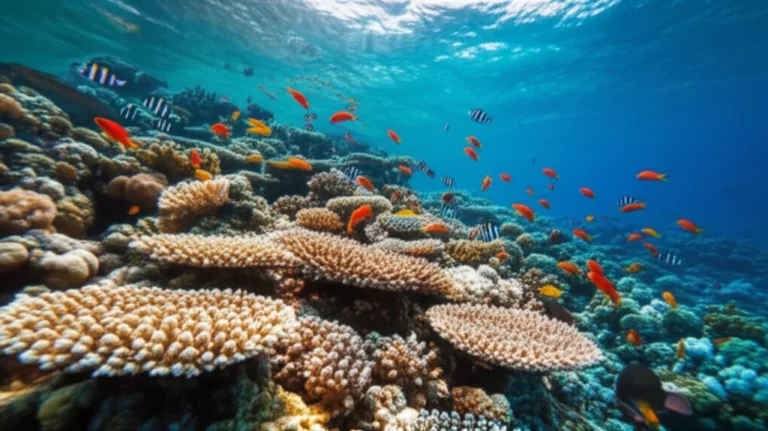
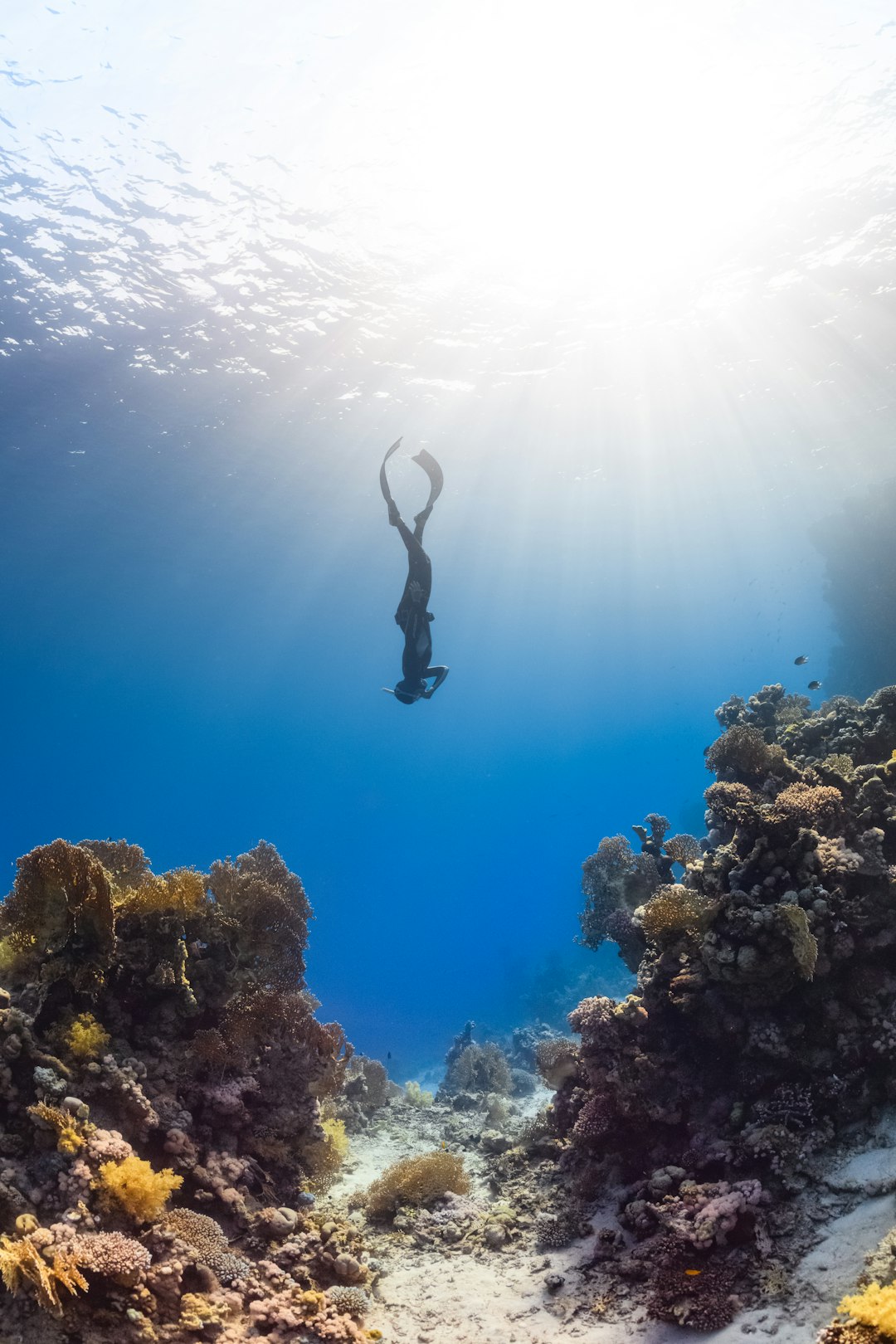
Imagine standing on a sunlit beach, watching a kaleidoscope of fish dart through vibrant coral reefs—only to learn that less than 3% of the ocean is truly protected and many species face extinction. The ocean’s symphony is fading, but here’s the good news: with the right knowledge and action, we can turn the tide and restore harmony beneath the waves.
In this comprehensive guide, Aquarium Music™ dives deep into the history, threats, and most effective strategies for marine life conservation. From the pioneering Marine Life Conservation Districts in Hawai‘i to cutting-edge innovations like coral restoration and plastic cleanup technologies, we’ll explore 10 powerful ways you and the global community can safeguard our blue planet. Ready to become an ocean champion? Let’s make waves together!
Key Takeaways
- Marine Protected Areas (MPAs) are essential sanctuaries that can increase fish biomass by up to 600% when well-managed.
- Plastic pollution, overfishing, and climate change are the top threats disrupting marine ecosystems worldwide.
- Sustainable seafood choices and reducing single-use plastics are simple yet impactful actions you can take today.
- Community engagement, indigenous knowledge, and education amplify conservation success.
- Innovative projects like The Ocean Cleanup and coral gardening offer hope and practical solutions.
👉 Shop sustainable aquarium and ocean-friendly products:
- Fluval Aquarium Systems on Amazon | Fluval Official Website
- Marine Stewardship Council (MSC) Certified Seafood
- Eco-Friendly Aquarium Filters on Marine Depot
Dive into the full article to discover how every ripple of effort counts in preserving marine life for generations to come!
Table of Contents
- ⚡️ Quick Tips and Facts
- 🌊 The Ocean’s Symphony: A Deep Dive into Marine Conservation History
- 🚨 The Unseen Threats: Why Our Oceans Are Crying Out for Help
- 🗑️ Plastic Pollution & Marine Debris: A Tsunami of Trash
- 🎣 Overfishing & Unsustainable Practices: Emptying the Seas
- 🌡️ Climate Change & Ocean Acidification: The Warming, Acidifying Waters
- 🏗️ Habitat Destruction & Coastal Development: Paving Paradise
- 🚢 Shipping & Noise Pollution: A Cacophony of Chaos
- 🦠 Invasive Species & Disease: Uninvited Guests
- 🧪 Chemical Pollution & Runoff: A Toxic Brew
- 💡 Turning the Tide: Powerful Strategies for Marine Life Conservation
- 🌐 Establishing & Expanding Marine Protected Areas (MPAs): Sanctuaries for Sea Life
- ♻️ Reducing Plastic & Combating Marine Debris: From Source to Sea
- 🐟 Promoting Sustainable Fisheries & Aquaculture: Eating Smart, Saving Oceans
- 🌍 Mitigating Climate Change & Ocean Acidification: A Global Imperative
- 🌱 Restoring Critical Marine Habitats: Rebuilding Underwater Cities
- 🔬 Advancing Marine Science & Research: Understanding to Protect
- ⚖️ Strengthening Policy & International Cooperation: Laws of the Ocean
- 🗣️ Fostering Ocean Literacy & Education: Inspiring the Next Generation
- 🤝 Engaging Local Communities & Indigenous Knowledge: Wisdom of the Waves
- 💰 Innovative Funding & Blue Economy Initiatives: Investing in Our Oceans
- 🌟 Your Ripple Effect: How You Can Become an Ocean Champion
- 🏆 Success Stories & Hope Spots: Glimmers of Light in the Deep
- 🐠 The Role of Aquariums & Zoos in Conservation: Beyond the Glass
- 🔮 Navigating the Future: Challenges & Opportunities in Marine Conservation
- ✅ Conclusion: Our Shared Ocean, Our Shared Responsibility
- 🔗 Recommended Links: Dive Deeper!
- ❓ FAQ: Your Burning Ocean Questions Answered
- 📚 Reference Links: Where We Get Our Facts (and You Can Too!)
⚡️ Quick Tips and Facts
Welcome aboard the Aquarium Music™ ocean liner, where we dive into the symphony of marine life conservation! 🌊 If you’re new to this vast blue topic, here are some quick, splashy facts to get your fins wet:
- Less than 3% of the world’s oceans are effectively protected, yet they harbor over 230,000 known marine species. (Source: Marine Conservation Institute)
- Coral reefs, often called the “rainforests of the sea,” support about 25% of all marine life despite covering less than 1% of the ocean floor.
- Plastic pollution kills an estimated 1 million seabirds and 100,000 marine mammals annually. (Source: NOAA Fisheries)
- Marine Protected Areas (MPAs) like Hawai‘i’s Marine Life Conservation Districts (MLCDs) have been shown to increase fish biomass by up to 600% inside their boundaries.
- The Endangered Species Act (ESA) and Marine Mammal Protection Act (MMPA) are two powerful U.S. laws safeguarding marine biodiversity.
Want to know how these facts translate into action? Stick with us as we unravel the waves of marine conservation, from history to hands-on tips you can use today. 🌟
🌊 The Ocean’s Symphony: A Deep Dive into Marine Conservation History
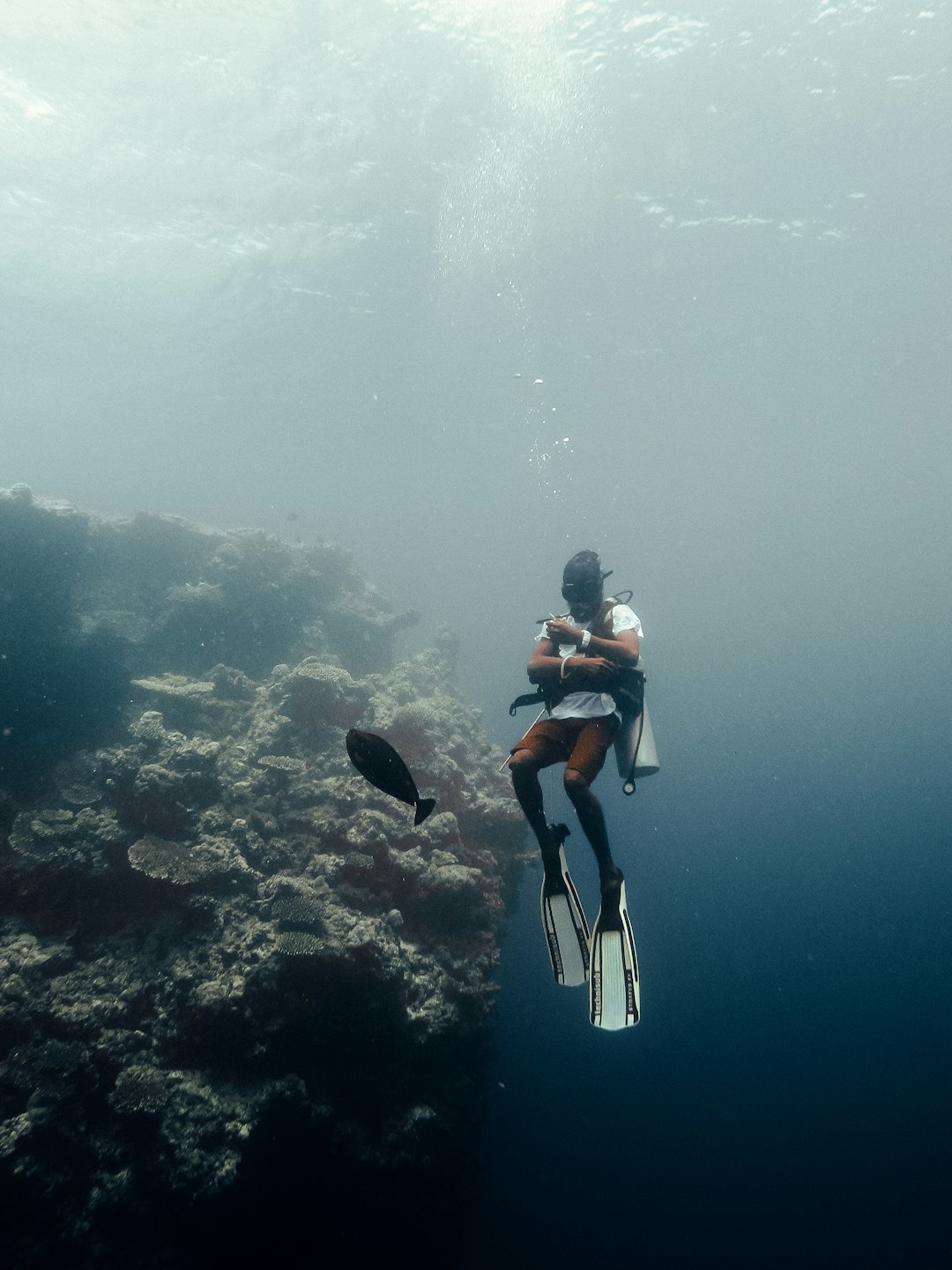
Marine life conservation is no overnight sensation—it’s a centuries-old composition with many movements. Let’s tune into the key historical notes that shaped today’s efforts.
Early Awareness and Indigenous Stewardship
Long before modern laws, indigenous peoples practiced sustainable fishing and habitat stewardship, understanding the ocean’s rhythms intimately. Hawai‘i’s native communities, for example, managed nearshore resources through kapu systems, restricting fishing in certain areas and seasons.
The Birth of Modern Marine Conservation
- 1967: Hawai‘i established the first Marine Life Conservation District (MLCD) at Hanauma Bay, pioneering protected areas that limit fishing and human impact.
- 1972: The U.S. passed the Marine Mammal Protection Act (MMPA), prohibiting the “take” of marine mammals.
- 1973: The Endangered Species Act (ESA) was enacted, offering protection to imperiled marine species.
- Internationally, the Convention on Biological Diversity (CBD) and later the United Nations Sustainable Development Goals (SDGs) emphasized ocean conservation.
The Rise of Marine Protected Areas (MPAs)
MPAs have become the cornerstone of marine conservation, with over 15,000 MPAs worldwide, but only a fraction are fully protected. The goal? To safeguard at least 30% of the ocean by 2030—a global call to action echoed by organizations like the Marine Conservation Institute.
🚨 The Unseen Threats: Why Our Oceans Are Crying Out for Help
The ocean’s symphony is under threat from a cacophony of human impacts. Let’s break down the main villains drowning out the harmony.
1. 🗑️ Plastic Pollution & Marine Debris: A Tsunami of Trash
Every year, 8 million metric tons of plastic enter the ocean, breaking down into microplastics that infiltrate the food chain. Sea turtles mistake plastic bags for jellyfish, seabirds ingest microplastics, and coral reefs suffer from smothering debris.
2. 🎣 Overfishing & Unsustainable Practices: Emptying the Seas
Over 90% of global fish stocks are either fully exploited or overfished. Practices like bottom trawling destroy habitats, while bycatch kills millions of non-target species, including endangered turtles and sharks.
3. 🌡️ Climate Change & Ocean Acidification: The Warming, Acidifying Waters
Rising CO₂ levels increase ocean temperatures and lower pH, bleaching coral reefs and disrupting marine food webs. Species like the leatherback sea turtle face shrinking nesting beaches and altered prey availability.
4. 🏗️ Habitat Destruction & Coastal Development: Paving Paradise
Mangroves, seagrasses, and coral reefs are cleared for tourism, aquaculture, and urban expansion, removing vital nursery grounds and carbon sinks.
5. 🚢 Shipping & Noise Pollution: A Cacophony of Chaos
Underwater noise from ships and sonar disrupts marine mammals’ communication and navigation, leading to strandings and behavioral changes.
6. 🦠 Invasive Species & Disease: Uninvited Guests
Ballast water discharge and aquarium releases introduce invasive species that outcompete natives and spread diseases, threatening ecosystem balance.
7. 🧪 Chemical Pollution & Runoff: A Toxic Brew
Agricultural runoff, heavy metals, and oil spills poison marine life and cause dead zones where oxygen is too low to support life.
💡 Turning the Tide: Powerful Strategies for Marine Life Conservation
Ready to flip the script? Here’s how the world—and you—can help restore the ocean’s harmony.
1. 🌐 Establishing & Expanding Marine Protected Areas (MPAs): Sanctuaries for Sea Life
MPAs restrict harmful activities, allowing ecosystems to recover. Hawai‘i’s MLCDs are stellar examples, with 11 districts protecting diverse habitats. Strong enforcement and community involvement are key.
2. ♻️ Reducing Plastic & Combating Marine Debris: From Source to Sea
- Banning single-use plastics.
- Promoting biodegradable alternatives.
- Organizing beach cleanups.
- Supporting innovations like The Ocean Cleanup project.
3. 🐟 Promoting Sustainable Fisheries & Aquaculture: Eating Smart, Saving Oceans
- Choosing seafood certified by Marine Stewardship Council (MSC) or Aquaculture Stewardship Council (ASC).
- Implementing catch limits and gear restrictions.
- Supporting community-based fisheries management.
4. 🌍 Mitigating Climate Change & Ocean Acidification: A Global Imperative
- Reducing greenhouse gas emissions.
- Protecting blue carbon habitats like mangroves.
- Supporting international climate agreements.
5. 🌱 Restoring Critical Marine Habitats: Rebuilding Underwater Cities
- Coral reef restoration via coral gardening.
- Mangrove reforestation.
- Seagrass bed rehabilitation.
6. 🔬 Advancing Marine Science & Research: Understanding to Protect
- Using satellite tracking and drones.
- Genetic studies for species conservation.
- Citizen science programs.
7. ⚖️ Strengthening Policy & International Cooperation: Laws of the Ocean
- Enforcing the Endangered Species Act and Marine Mammal Protection Act.
- Supporting UN initiatives like the High Seas Treaty.
- Encouraging cross-border collaboration.
8. 🗣️ Fostering Ocean Literacy & Education: Inspiring the Next Generation
- School programs.
- Public campaigns.
- Aquarium exhibits (like ours at Aquarium Music™!) that connect people emotionally to marine life.
9. 🤝 Engaging Local Communities & Indigenous Knowledge: Wisdom of the Waves
- Incorporating traditional ecological knowledge.
- Empowering coastal communities as stewards.
- Co-management of resources.
10. 💰 Innovative Funding & Blue Economy Initiatives: Investing in Our Oceans
- Sustainable tourism.
- Blue bonds and impact investing.
- Corporate social responsibility programs.
🌟 Your Ripple Effect: How You Can Become an Ocean Champion
You don’t need to be Jacques Cousteau to make waves! Here’s how you can start:
- Choose sustainable seafood (check out our Fish Care and Species Profiles for guidance).
- Reduce single-use plastics—ditch those straws and plastic bags.
- Support ocean-friendly brands and nonprofits.
- Volunteer for local beach cleanups.
- Educate friends and family.
- Advocate for stronger marine policies.
Every small action creates ripples that spread far beyond your backyard. 🌊
🏆 Success Stories & Hope Spots: Glimmers of Light in the Deep
It’s not all doom and gloom! Here are some inspiring wins:
- Hanauma Bay MLCD (Hawai‘i): Once overfished, now a thriving marine sanctuary with abundant fish and coral.
- Great Barrier Reef Marine Park (Australia): Extensive zoning and management have slowed coral decline.
- Phoenix Islands Protected Area (Kiribati): One of the world’s largest MPAs, preserving pristine ocean wilderness.
- Blue Parks Initiative: Recognizes and supports well-managed MPAs worldwide, accelerating ocean protection.
These success stories prove that with commitment and care, marine life can rebound spectacularly.
🐠 The Role of Aquariums & Zoos in Conservation: Beyond the Glass
Aquariums like Aquarium Music™ aren’t just pretty tanks—they’re living classrooms and conservation hubs.
Education & Awareness
- Immersive exhibits connect visitors emotionally to marine life.
- Programs teach sustainable behaviors and ocean science.
Research & Breeding Programs
- Captive breeding of endangered species.
- Studies on behavior, reproduction, and disease.
- Support for coral propagation and restoration.
Advocacy & Fundraising
- Partnering with NGOs.
- Hosting conservation campaigns.
- Funding field research.
Aquariums are vital bridges between humans and the ocean’s mysteries, inspiring stewardship and action.
🔮 Navigating the Future: Challenges & Opportunities in Marine Conservation
The ocean’s future is a complex score with many notes to master:
-
Challenges:
- Climate change impacts accelerating.
- Enforcement gaps in MPAs.
- Balancing economic development and conservation.
- Data deficiencies on many species.
-
Opportunities:
- Emerging technologies like AI and remote sensing.
- Growing global awareness and youth activism.
- International treaties gaining traction.
- Blue economy innovations promoting sustainability.
At Aquarium Music™, we believe the ocean’s symphony can be restored with harmony between science, policy, and community. The next movement is ours to compose.
Ready to dive deeper into specific marine species, tank setups, or aquatic plants? Check out our Fish and Aquatic Life and Aquascaping and Aquatic Plants categories for more oceanic inspiration!
✅ Conclusion: Our Shared Ocean, Our Shared Responsibility
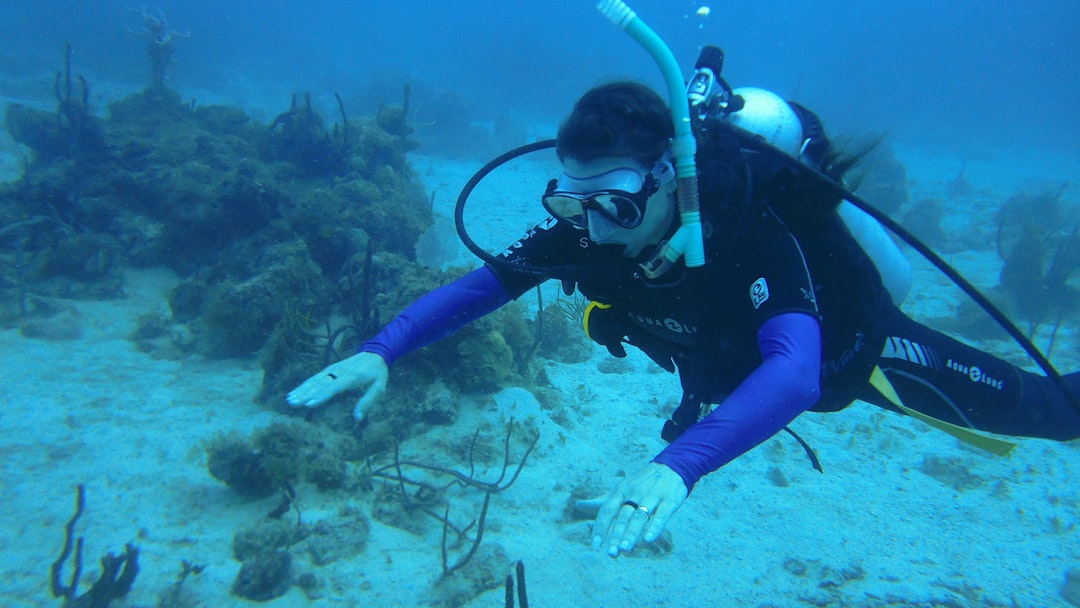
Wow, what a journey through the ocean’s depths and the vibrant efforts to conserve its life! From the historic roots of marine conservation to the modern-day challenges and innovative solutions, we’ve explored how every ripple of action counts. 🌊
Here’s the bottom line: Marine life conservation is complex but absolutely achievable when science, policy, community, and individual passion come together. The ocean’s symphony is fragile, but with strong Marine Protected Areas like Hawai‘i’s MLCDs, sustainable fishing, plastic reduction, and climate action, we can restore balance and biodiversity.
At Aquarium Music™, we’ve seen firsthand how education and engagement—whether through aquariums, citizen science, or daily choices—can spark a lifelong commitment to ocean health. Remember, your ripple effect matters. Whether you’re choosing sustainable seafood, reducing plastic, or advocating for policy change, you’re part of the solution.
So, what’s next? Dive into our Fish Care and Species Profiles or Aquascaping and Aquatic Plants to bring a piece of the ocean home responsibly. Together, we can keep the ocean’s music playing for generations to come. 🎶🐠
🔗 Recommended Links: Dive Deeper!
Ready to equip yourself with tools and knowledge to protect marine life? Here are some top resources and products we trust:
-
Marine Stewardship Council (MSC) Certified Seafood:
Amazon MSC Seafood Guide | MSC Official Website -
The Ocean Cleanup Project Gear:
Amazon Ocean Cleanup Gear | Ocean Cleanup Official -
Books on Marine Conservation:
- The Ocean of Life by Callum Roberts: Amazon Link
- Marine Conservation by G. Carleton Ray and Jerry McCormick-Ray: Amazon Link
- Coral Reefs in the Anthropocene by Charles Birkeland: Amazon Link
-
Sustainable Aquariums & Equipment:
- Fluval Aquarium Systems: Amazon | Fluval Official
- Eco-Friendly Aquarium Filters: Amazon | Marine Depot
❓ FAQ: Your Burning Ocean Questions Answered
What are the most effective ways to conserve marine life and prevent extinction?
Answer:
The most effective strategies combine habitat protection, sustainable resource management, pollution reduction, and climate action. Establishing well-managed Marine Protected Areas (MPAs) restricts harmful activities and allows ecosystems to recover. Sustainable fisheries prevent overexploitation, while reducing plastic pollution and chemical runoff protects habitats. Additionally, mitigating climate change by cutting greenhouse gas emissions reduces ocean warming and acidification, critical for species survival. Laws like the Endangered Species Act (ESA) and Marine Mammal Protection Act (MMPA) enforce protections. Community engagement and education amplify these efforts, creating a holistic approach.
How can individuals make a positive impact on marine life conservation in their daily lives?
Answer:
Individuals can be powerful ocean champions by:
- Choosing sustainable seafood certified by MSC or ASC.
- Reducing single-use plastics—bring reusable bags, bottles, and straws.
- Participating in or organizing local beach cleanups.
- Supporting conservation organizations financially or through volunteering.
- Educating themselves and others about ocean issues.
- Advocating for stronger marine policies and protected areas.
- Responsible aquarium keeping, sourcing fish and plants ethically (see our Fish Care and Species Profiles).
Even small lifestyle shifts create ripple effects that benefit marine ecosystems.
What are the main threats to marine life and how can we address them?
Answer:
The main threats include:
- Plastic pollution: Addressed by reducing plastic use and improving waste management.
- Overfishing: Managed through catch limits, gear restrictions, and sustainable certifications.
- Climate change: Requires global emissions reductions and protecting blue carbon habitats.
- Habitat destruction: Prevented by regulating coastal development and restoring habitats.
- Chemical pollution: Controlled by stricter runoff regulations and cleaner industrial practices.
- Noise and invasive species: Mitigated by shipping regulations and ballast water controls.
Addressing these requires coordinated action from governments, industries, communities, and individuals.
Can marine protected areas really make a difference in conserving marine biodiversity?
Answer:
✅ Absolutely! Studies show that well-enforced MPAs increase fish biomass, biodiversity, and habitat health significantly. Hawai‘i’s MLCDs, for example, have demonstrated remarkable recovery of fish populations and coral cover. MPAs also provide spillover benefits to adjacent fisheries and serve as climate refuges. However, effectiveness depends on size, enforcement, community support, and ecological representativeness. MPAs are a cornerstone but must be part of integrated ocean management.
What role do governments and organizations play in enforcing marine life conservation laws and policies?
Answer:
Governments enact and enforce laws such as the ESA and MMPA, regulate fishing quotas, designate MPAs, and monitor compliance. Agencies like NOAA Fisheries conduct scientific assessments and issue permits. International bodies facilitate treaties and cooperation. NGOs and community groups advocate, monitor, and sometimes co-manage protected areas. Enforcement officers and special agents ensure regulations are followed, deterring illegal activities that harm marine life.
How does climate change affect marine life and what can be done to mitigate its impacts?
Answer:
Climate change causes ocean warming, acidification, and sea-level rise, which:
- Bleach and kill coral reefs.
- Shift species distributions.
- Alter breeding and feeding patterns.
- Increase disease susceptibility.
Mitigation involves reducing greenhouse gas emissions globally, protecting and restoring blue carbon ecosystems like mangroves and seagrasses, and enhancing ecosystem resilience through conservation. Adaptation strategies include monitoring vulnerable species and habitats and integrating climate risks into marine management.
What are some successful marine life conservation projects or initiatives that have made a significant difference?
Answer:
- Hanauma Bay MLCD (Hawai‘i): Transformed from overfished to a thriving sanctuary.
- Great Barrier Reef Marine Park: Zoning and management have slowed coral decline.
- Phoenix Islands Protected Area: One of the largest MPAs preserving pristine ocean.
- Blue Parks Initiative: Recognizes and supports effective MPAs worldwide.
- The Ocean Cleanup: Innovative technology removing plastics from oceans and rivers.
These projects combine science, policy, and community engagement to protect marine biodiversity effectively.
📚 Reference Links: Where We Get Our Facts (and You Can Too!)
- Protecting Marine Life | NOAA Fisheries
- Marine Conservation Institute
- Hawai‘i Department of Land and Natural Resources – Marine Life Conservation Districts
- Marine Stewardship Council (MSC)
- The Ocean Cleanup Official Website
- United Nations Sustainable Development Goal 14: Life Below Water
- Endangered Species Act (ESA) – U.S. Fish & Wildlife Service
- Marine Mammal Protection Act (MMPA) – NOAA Fisheries
Dive in, explore, and become part of the ocean’s conservation symphony! 🎶🐠