Support our educational content for free when you purchase through links on our site. Learn more
Home Aquarium Mastery: 7 Essential Steps to a Thriving Tank (2026) 🐠


If you want a vibrant, healthy home aquarium that dazzles guests and sothes your soul, start by choosing the right tank size and mastering water chemistry. The secret to success isn’t just fancy equipment or exotic fish—it’s understanding the delicate balance of your aquatic ecosystem from day one.
We once helped a new hobbyist who bought a tiny 5-gallon tank, packed it with colorful fish, and was devastated when half didn’t survive the first month. After switching to a 20-gallon setup and learning about cycling and filtration, their tank transformed into a lively underwater garden. That’s the power of getting the basics right!
Did you know that a well-maintained aquarium can reduce stress and improve your mood? According to studies, watching fish swim can lower blood pressure and heart rate. So, your home aquarium isn’t just décor—it’s a mini wellness retreat.
Ready to orchestrate your own aquatic symphony? Let’s dive into the essentials that will keep your fish happy and your tank thriving.
Key Takeaways
- Choose the right tank size to ensure stability and easier maintenance—20-30 gallons is ideal for most beginners.
- Cycle your aquarium before adding fish to establish beneficial bacteria and prevent toxic spikes.
- Invest in quality filtration and lighting tailored to your tank type (freshwater or saltwater).
- Select compatible fish and plants to create a harmonious community.
- Maintain water chemistry vigilantly with regular testing and water changes.
- Feed your fish wisely—avoid overfeeding and use a variety of food types.
- Join aquarium communities and learn from experts to keep improving your skills and knowledge.
Table of Contents
- ⚡️ Quick Tips and Facts for Your Home Aquarium
- 🌊 The Fascinating Evolution and History of Home Aquariums
- 🐠 1. Choosing the Perfect Aquarium Setup: Size, Shape & Style
- 💧 2. Essential Equipment for a Thriving Home Aquarium
- Filtration Systems: Types and Recommendations
- Lighting Options for Freshwater and Saltwater Tanks
- Heating and Temperature Control
- 🌿 3. Aquascaping Like a Pro: Creating Stunning Underwater Landscapes
- Choosing Substrates: Gravel, Sand, and Specialty Options
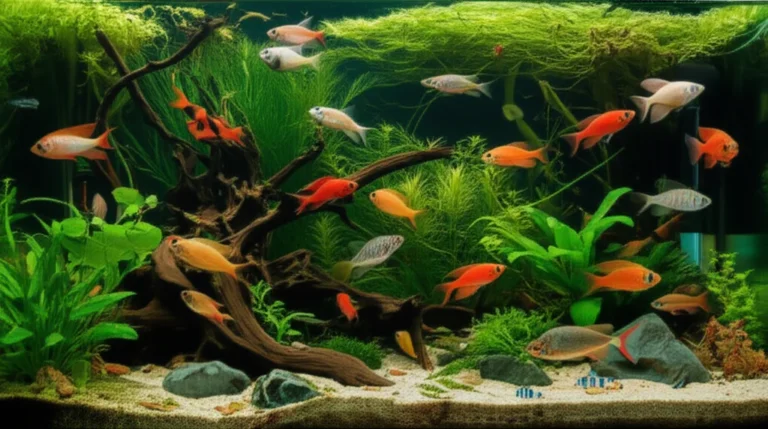
- Plant Selection and Care Tips
- Hardscape Materials: Rocks, Driftwood, and Decorations
- 🐟 4. Stocking Your Aquarium: Fish, Invertebrates, and Compatibility
- Popular Freshwater Fish Species for Beginners
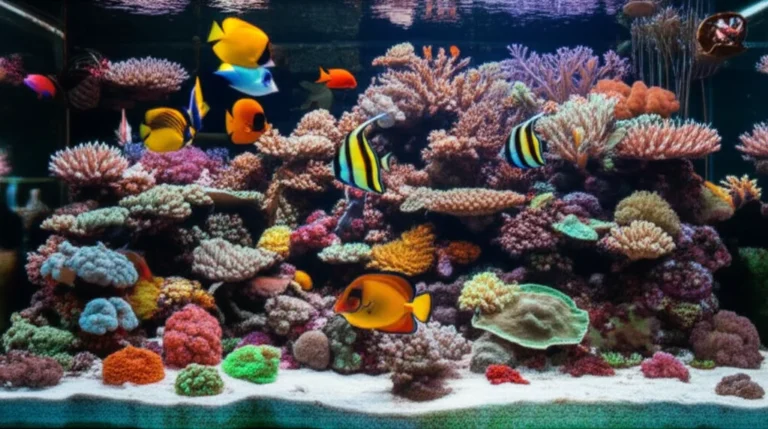
- Saltwater Fish and Reef Tank Inhabitants
- Community Tank Compatibility and Behavior
- 🧪 5. Water Chemistry and Maintenance: Keeping Your Aquarium Healthy
- Understanding pH, Amonia, Nitrite, and Nitrate
- Regular Testing and Water Change Schedules
- Dealing with Algae and Common Problems
- 🍽️ 6. Feeding Your Aquarium Inhabitants: Nutrition and Best Practices
- Types of Fish Food: Flakes, Pelets, Frozen, and Live
- Feding Schedules and Portion Control
- 🔧 7. Troubleshooting Common Aquarium Issues
- Fish Diseases and Treatments
- Equipment Failures and Fixes
- 📚 Learn and Share: Joining Aquarium Communities and Forums
- 🎥 Must-Watch Aquarium YouTube Channels and Tutorials
- 📅 Aquarium Events and Expos You Can’t Miss
- 📝 Conclusion: Making Your Home Aquarium a Living Masterpiece
- 🔗 Recommended Links for Aquarium Enthusiasts
- ❓ Frequently Asked Questions About Home Aquariums
- 📖 Reference Links and Further Reading
⚡️ Quick Tips and Facts for Your Home Aquarium
Welcome to the shimmering world of home aquariums! Before you plunge your hands into the water, here are some golden nuggets from our team at Aquarium Music™ to keep your aquatic symphony humming:
-
Tank Size Matters: Bigger tanks are more forgiving. Check out our detailed guide on The Ultimate Fish Tank Size Guide (2026): Stop Guessing, Start Thriving to pick the perfect size for your space and fish.
-
Water Quality Is King: Regular testing for pH, ammonia, nitrites, and nitrates is non-negotiable. A stable environment means happy fish.
-
Cycle Your Tank: Patience pays off. Cycling your aquarium before adding fish prevents deadly ammonia spikes.
-
Choose Compatible Species: Not all fish play nice. Research compatibility to avoid underwater turf wars.
-
Feed Wisely: Overfeeding is the #1 killer of aquarium health. Feed small amounts 1-2 times daily.
-
Lighting and Plants: Proper lighting supports aquatic plants and fish health. LED lights are energy-efficient and customizable.
-
Filtration Is Your Best Friend: Invest in a reliable filter to keep water crystal clear and oxygenated.
-
Regular Maintenance: Weekly water changes (10-20%) and gravel vacuuming keep your tank pristine.
-
Avoid Impulse Buys: Exotic fish like Spotted Garden Eels look cool but require expert care and specialized tanks.
-
Join Communities: Aquarium forums and clubs are treasure troves of advice and camaraderie.
Ready to dive deeper? Let’s unravel the history and science behind your soon-to-be underwater masterpiece!
🌊 The Fascinating Evolution and History of Home Aquariums
Aquariums have come a long way from ancient fish bowls to the dazzling ecosystems we cherish today. Here’s a splash of history to inspire your setup:
-
Ancient Beginnings: The earliest recorded fishkeeping dates back to 250 BC in Mesopotamia, where fish were kept in ponds for food and status.
-
Victorian Era Boom: The 19th century saw the birth of the modern glass aquarium. Philip Henry Gose coined the term “aquarium” in 1854 and popularized keeping tropical fish.
-
Technological Advances: The 20th century introduced electric filters, heaters, and synthetic substrates, making aquarium keeping accessible and stable.
-
Rise of Aquascaping: The Japanese art of aquascaping, pioneered by Takashi Amano in the 1990s, transformed tanks into living underwater gardens.
-
Digital Age: Today, smart controllers, LED lighting, and online communities empower hobbyists worldwide.
Knowing this rich background helps us appreciate the delicate balance of life we create in our homes. Now, let’s pick the perfect stage for your aquatic performance!
1. Choosing the Perfect Aquarium Setup: Size, Shape & Style
Your aquarium is the canvas for your aquatic symphony. Choosing the right tank is like selecting the perfect instrument — it sets the tone for everything.
Why Size Is More Than Just a Number
-
Stability: Larger volumes dilute toxins and temperature swings, making water chemistry more stable.
-
Stocking Flexibility: Bigger tanks allow more species and complex communities.
-
Maintenance: Smaller tanks require more frequent water changes and monitoring.
| Tank Size | Ideal For | Pros | Cons |
|---|---|---|---|
| 5-10 gal | Bettas, shrimp, nano fish | Space-saving, affordable | Less stable, limited species |
| 20-30 gal | Community freshwater tanks | Good balance of size & cost | Requires moderate upkeep |
| 50+ gal | Larger fish, reef tanks | Stable environment, diverse | Higher initial cost & space |
Shapes and Styles: Cube, Rimless, Bow Front & More
-
Cube Tanks: Great for aquascaping and species like Spotted Garden Eels needing depth.
-
Rimless Tanks: Slek, modern look but require sturdy stands.
-
Bow Front Tanks: Curved glass offers panoramic views but can be pricier.
-
Custom Tanks: Tailored to your space and vision, often with built-in filtration.
Materials: Glass vs Acrylic
-
Glass: Scratch-resistant, heavier, more affordable.
-
Acrylic: Lightweight, impact-resistant, but scratches easier.
Our Pick for Beginners
A 20-30 gallon glass tank with a rim is a sweet spot for most hobbyists. It’s manageable, affordable, and versatile.
Pro Tip: Always buy from reputable brands like Aqueon, Fluval, or Marineland for quality assurance.
👉 Shop Aquarium Tanks on:
2. Essential Equipment for a Thriving Home Aquarium
Your tank’s health depends on the gear behind the scenes. Here’s the lowdown on must-have equipment.
Filtration Systems: Types and Recommendations
| Filter Type | Design Rating | Functionality | Maintenance | Noise Level | Best For |
|---|---|---|---|---|---|
| Hang-on-Back (HOB) | 8 | Efficient | Easy | Low | Small to medium tanks |
| Canister | 9 | Powerful | Moderate | Very Low | Larger tanks, reef setups |
| Sponge | 7 | Biological | Easy | Silent | Breding, fry tanks |
| Internal | 6 | Compact | Moderate | Moderate | Nano tanks, quarantine |
Our Favorite: The Fluval 07 Series Canister Filter is a powerhouse for tanks 30 gallons and up. It combines mechanical, chemical, and biological filtration seamlessly.
Lighting Options for Freshwater and Saltwater Tanks
-
LED Lighting: Energy-efficient, customizable spectrum, long-lasting.
-
Fluorescent: Affordable but less spectrum control.
-
Metal Halide: Intense lighting for reef tanks but generates heat.
For planted tanks, full-spectrum LED lights like the Finnex Planted+ series promote lush growth.
Heating and Temperature Control
-
Submersible Heaters: Reliable and easy to install. Brands like Eheim and Aqueon are trusted.
-
Thermostats and Controllers: For precision, especially in reef or tropical setups.
-
Chillers: Needed for cold-water species or in hot climates.
3. Aquascaping Like a Pro: Creating Stunning Underwater Landscapes
Aquascaping is where art meets science. It’s the underwater garden that makes your tank sing.
Choosing Substrates: Gravel, Sand, and Specialty Options
| Substrate Type | Best For | Pros | Cons |
|---|---|---|---|
| Gravel | Freshwater community | Easy to clean, good for plants | Can trap debris |
| Sand | Bottom dwellers, burowers | Natural look, gentle on fish | Can compact, needs stirring |
| Aqua Soil | Planted tanks | Nutrient-rich, promotes growth | More expensive, needs cycling |
For burowers like Spotted Garden Eels, a deep, fine reef-grade sand bed of 8-12 inches is essential.
Plant Selection and Care Tips
-
Easy Starters: Java fern, Anubias, Cryptocoryne.
-
Light Demands: Match plants to your lighting setup.
-
CO2 Injection: Boosts growth but requires monitoring.
-
Fertilizers: Liquid or root tabs for nutrient balance.
Hardscape Materials: Rocks, Driftwood, and Decorations
-
Use inert rocks like Seiryu or Dragon stone for aquascaping.
-
Driftwood adds natural beauty and tannins that lower pH.
-
Avoid sharp decorations that can injure fish.
4. Stocking Your Aquarium: Fish, Invertebrates, and Compatibility
Picking your tank’s residents is like assembling a band — harmony is key.
Popular Freshwater Fish Species for Beginners
-
Neon Tetras: Vibrant, schooling, peaceful.
-
Corydoras Catfish: Bottom dwellers, social, clean up leftovers.
-
Guppies: Hardy, colorful, prolific breeders.
Saltwater Fish and Reef Tank Inhabitants
-
Clownfish: Hardy, iconic, reef safe.
-
Royal Gramma: Beautiful and peaceful.
-
Cleaner Shrimp: Functional and fascinating.
Community Tank Compatibility and Behavior
-
Avoid mixing aggressive species like cichlids with peaceful fish.
-
Research adult sizes to avoid overcrowding.
-
Consider temperament and water parameter needs.
5. Water Chemistry and Maintenance: Keeping Your Aquarium Healthy
Water is the lifeblood of your aquarium. Mastering its chemistry is crucial.
Understanding pH, Amonia, Nitrite, and Nitrate
-
pH: Ideal range varies by species; freshwater 6.5-7.5, saltwater 8.0-8.4.
-
Amonia & Nitrite: Toxic; should always be zero in a cycled tank.
-
Nitrate: Less toxic but keep below 20 ppm for freshwater, 5 ppm for reef tanks.
Regular Testing and Water Change Schedules
-
Use reliable test kits like API Freshwater Master Test Kit.
-
Change 10-20% water weekly to dilute toxins.
-
Vacuum substrate to remove detritus.
Dealing with Algae and Common Problems
-
Algae is natural but uncontrolled growth signals imbalance.
-
Control lighting duration (6-8 hours/day).
-
Introduce algae eaters like Amano shrimp or Otocinclus catfish.
6. Feeding Your Aquarium Inhabitants: Nutrition and Best Practices
Feding is both an art and a science. Overfeed, and you risk disaster; underfeed, and your fish suffer.
Types of Fish Food: Flakes, Pelets, Frozen, and Live
| Food Type | Pros | Cons | Best For |
|---|---|---|---|
| Flakes | Easy to use, shelf stable | Can pollute water if overfed | Most community fish |
| Pelets | Less messy, nutrient dense | Some fish reject pellets | Larger fish, bottom feeders |
| Frozen | High nutrition, variety | Requires thawing | Carnivores, picky eaters |
| Live | Stimulates natural behavior | Risk of disease, expensive | Breders, predators |
Feeding Schedules and Portion Control
-
Feed small amounts 1-2 times daily.
-
Remove uneaten food after 5 minutes.
-
Use automatic feeders for consistency, especially for busy aquarists.
7. Troubleshooting Common Aquarium Issues
Even the best setups hit snags. Here’s how to keep the music playing.
Fish Diseases and Treatments
-
Ich (White Spot): Treat with aquarium salt and temperature raise.
-
Fin Rot: Improve water quality, use antibacterial meds.
-
Swim Bladder Issues: Avoid overfeeding, feed peas.
Equipment Failures and Fixes
-
Filter cloging? Clean media regularly.
-
Heater malfunction? Use a backup thermometer.
-
Lighting flicker? Check connections and replace bulbs.
Learn and Share: Joining Aquarium Communities and Forums
Aquarium keeping is more fun with friends! Join forums like:
Sharing your wins and woes accelerates learning and keeps the passion alive.
🎥 Must-Watch Aquarium YouTube Channels and Tutorials
Visual learners, rejoice! Here are some channels that make aquarium care a breeze:
-
Aquarium Co-Op: Expert advice with a friendly vibe.
-
Rachel O’Leary: Aquascaping tutorials and fish care.
-
Bulk Reef Supply: Reef tank equipment reviews and DIY.
And don’t miss the first YouTube video embedded above, “Calming Aquarium Fish Tank | Meditate To The Sound of Water | No Music | 5 Hours 4K” by Relax Tank — perfect for inspiration and zen moments. Jump to video
📅 Aquarium Events and Expos You Can’t Miss
Get out and mingle with fellow aquarists at these annual events:
-
T-Town Coral Show: A coral lover’s paradise.
-
Ref-A-Palooza California: Massive reef tank showcase.
-
Aquashella New Jersey: Community-driven reef event.
-
Fraginstein 2026: Frag swaps and expert talks.
Events are perfect for hands-on learning, snaging rare livestock, and making lifelong friends.
🔗 Recommended Links for Aquarium Enthusiasts
❓ Frequently Asked Questions About Home Aquariums
This section will be crafted next, packed with expert answers to your burning questions!
📖 Reference Links and Further Reading
Coming soon: a curated list of authoritative sources and must-read books to deepen your aquarium knowledge.