Support our educational content for free when you purchase through links on our site. Learn more
Freshwater Fish Care: 12 Expert Secrets for a Thriving Aquarium (2026) 🐠

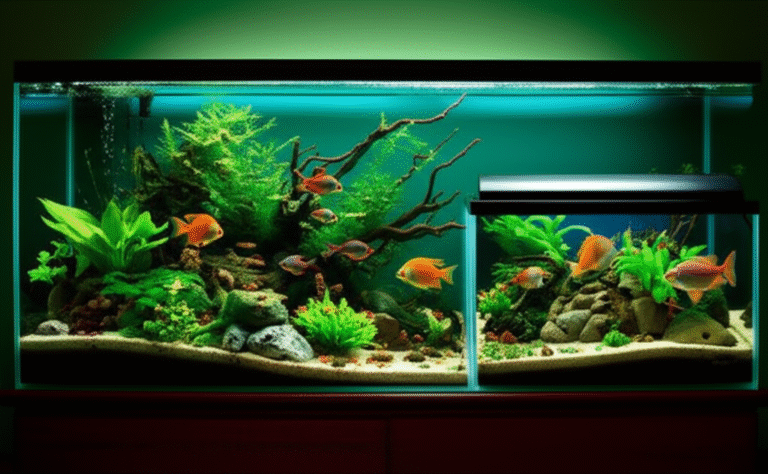
Imagine turning your living room into a vibrant underwater symphony where colorful fish dance effortlessly among lush plants, all thriving in crystal-clear water. Sounds like a dream, right? Well, with the right freshwater fish care, it’s entirely within your reach! At Aquarium Music™, we’ve spent years perfecting the art and science of freshwater aquariums, and in this comprehensive guide, we’re sharing 12 expert secrets that will transform your tank from a simple glass box into a flourishing aquatic masterpiece.
Did you know that over 70% of beginner freshwater tanks fail within the first six months due to common mistakes like improper cycling and overfeeding? Don’t be part of that statistic! We’ll walk you through everything—from setting up your aquarium with the perfect equipment, mastering water chemistry, to selecting compatible fish species and troubleshooting common issues. Plus, stay tuned for our insider tips on aquascaping and disease prevention that will keep your fish happy and healthy for years to come.
Key Takeaways
- Proper tank cycling and water parameter monitoring are essential foundations for healthy fish.
- Choosing compatible fish species and providing adequate space prevents stress and aggression.
- Regular maintenance, including water changes and filter care, keeps the ecosystem balanced.
- Feeding the right diet in correct amounts avoids water quality issues and fish health problems.
- Aquascaping with live plants enhances fish wellbeing and creates stunning underwater landscapes.
- Early disease detection and quarantine protocols protect your entire aquarium community.
Ready to dive deeper? Let’s make your freshwater aquarium sing!
Table of Contents
- ⚡️ Quick Tips and Facts for Freshwater Fish Care
- 🌊 The Aquatic Origins: Understanding Freshwater Fish and Their Natural Habitats
- 🏠 Setting Up Your Freshwater Aquarium: The Ultimate Guide to Tank Selection and Preparation
- 💧 Mastering Water Chemistry: Parameters Every Freshwater Fishkeeper Must Know
- 🐠 Top 15 Freshwater Fish Species for Beginners and Enthusiasts
- 🍽️ Feeding Freshwater Fish: Nutrition, Schedules, and Best Practices
- 🧹 Aquarium Maintenance: Keeping Your Freshwater Tank Sparkling and Healthy
- 🩺 Common Freshwater Fish Diseases and How to Treat Them
- 🤝 Building a Thriving Community: Social Behavior and Compatibility of Freshwater Fish
- 🌿 Aquascaping for Freshwater Tanks: Creating Stunning Underwater Landscapes
- 🔧 Troubleshooting Common Freshwater Aquarium Problems
- 🌟 Expert Tips and Tricks from Aquarium Music™ Team
- 📚 Recommended Links and Resources for Freshwater Fish Care
- ❓ Frequently Asked Questions (FAQ) About Freshwater Fish Care
- 🔗 Reference Links and Further Reading
- 🎉 Conclusion: Your Journey to Freshwater Fish Mastery Starts Here!
⚡️ Quick Tips and Facts for Freshwater Fish Care
Welcome to the symphony of freshwater fish care! At Aquarium Music™, we’ve orchestrated countless tanks and witnessed the highs and lows of aquatic life. Here’s your quick-start cheat sheet to keep your freshwater fish thriving and your tank humming like a well-tuned instrument:
- Start with a larger tank (20 gallons or more) for stability and easier maintenance. Smaller tanks are like tightrope walks—one wrong step and chaos ensues.
- Cycle your tank before adding fish: The nitrogen cycle is your invisible maestro, converting toxic ammonia to harmless nitrates. Patience here pays off big time.
- Test water parameters weekly: pH, ammonia, nitrite, nitrate — these are your tank’s vital signs. Use reliable kits like API Freshwater Master Test Kit.
- Feed sparingly: Overfeeding is the #1 killer of aquarium health. Feed only what your fish can consume in 2-3 minutes, once or twice daily.
- Choose compatible fish species: Avoid mixing aggressive and peaceful fish. Research social behavior and tank size needs.
- Maintain equipment regularly: Filters, heaters, and lights need TLC to function optimally.
- Keep a quarantine tank: Always isolate new arrivals for 2-3 weeks to prevent disease outbreaks.
- Involve your family or friends: Aquarium care is more fun and manageable as a group project!
Curious about the why behind these tips? We’ll dive deep into each, unraveling the mysteries of freshwater fish care with expert insights and a dash of wit. Ready to make your tank a relaxing visual masterpiece? Check out our related article How to Make Your Fish Tank a Relaxing Visual Masterpiece (2026) 🎨.
For a quick primer on cycling and tank setup, don’t miss the featured video embedded later!
🌊 The Aquatic Origins: Understanding Freshwater Fish and Their Natural Habitats
Before we plunge into tank setups and filters, let’s take a moment to appreciate where your finned friends come from. Freshwater fish inhabit rivers, lakes, streams, and ponds worldwide, each environment shaping their behavior, diet, and water preferences.
Why Knowing Natural Habitat Matters
- Water chemistry: Soft acidic water vs. hard alkaline water influences fish health and coloration.
- Temperature range: Tropical fish like neon tetras thrive at 75-80°F, while goldfish prefer cooler temps around 65-72°F.
- Diet: Some species are herbivores, others carnivores or omnivores, reflecting their wild food sources.
- Social structure: Schooling fish like danios feel safer in groups, while territorial species like cichlids need space and hiding spots.
For example, Oscar fish (Astronotus ocellatus), native to the Amazon basin, require warm, slightly acidic water and plenty of space due to their size and territorial nature. We’ll explore Oscars more in Top 15 Freshwater Fish Species.
Understanding these natural cues helps you replicate their environment, reducing stress and disease. For more on fish behavior and species profiles, visit our Fish Care and Species Profiles.
🏠 Setting Up Your Freshwater Aquarium: The Ultimate Guide to Tank Selection and Preparation
Setting up your aquarium is like composing a symphony — every element must harmonize for a masterpiece.
Choosing the Right Aquarium Size and Shape
| Tank Size | Best For | Pros | Cons |
|---|---|---|---|
| 10 gallons | Small beginner tanks, nano species | Affordable, space-saving | Less stable water parameters |
| 20-30 gallons | Most beginners, community tanks | Stable environment, variety of species | Requires more space and maintenance |
| 55+ gallons | Large species, complex aquascapes | Very stable, room for diverse fish | Higher initial cost, space |
Our advice: Start with at least a 20-gallon long tank. It’s a sweet spot for stability and flexibility. Larger tanks buffer water chemistry swings better, giving you more room for error. Plus, they’re easier to decorate and maintain.
Essential Equipment: Filters, Heaters, Lighting, and More
- Filters: Choose based on tank size and bioload.
- Hang-on-back (HOB) filters like AquaClear 50 are popular for ease of use and efficiency.
- Canister filters (e.g., Fluval 07 Series) offer superior filtration for larger tanks.
- Sponge filters are excellent for fry tanks or quarantine setups.
- Heaters: Maintain stable temperatures. Eheim Jager heaters are reliable and precise.
- Lighting: LED lights with adjustable spectrum support plant growth and fish coloration. Finnex Planted+ 24/7 is a favorite for planted tanks.
- Air pumps: Optional but beneficial for oxygenation and aesthetic bubbles.
Substrate and Aquascaping Tips for a Healthy Environment
- Choose substrate based on your goals:
- Gravel is great for general tanks and easy cleaning.
- Sand mimics natural riverbeds but can compact and trap debris.
- Nutrient-rich substrates like ADA Aqua Soil support plant growth.
- Aquascaping isn’t just for looks — it provides hiding spots, reduces stress, and encourages natural behaviors.
- Use driftwood and rocks cautiously; some can alter water chemistry (e.g., limestone raises pH). Always source aquarium-safe materials.
For detailed aquascaping inspiration and techniques, explore our Aquascaping and Aquatic Plants section.
💧 Mastering Water Chemistry: Parameters Every Freshwater Fishkeeper Must Know
Water chemistry is the heartbeat of your aquarium. Mess with it, and your fish will let you know—often painfully.
pH, GH, KH Explained: What They Mean and Why They Matter
| Parameter | Meaning | Ideal Range (Most Freshwater Fish) | Why Important |
|---|---|---|---|
| pH | Acidity/alkalinity | 6.5 – 7.5 | Affects fish metabolism and health |
| GH (General Hardness) | Mineral content (Ca, Mg) | 4 – 12 dGH | Influences osmoregulation and breeding |
| KH (Carbonate Hardness) | Buffering capacity | 3 – 8 dKH | Stabilizes pH, prevents sudden swings |
Maintaining stable pH is crucial; sudden shifts stress fish and can be fatal. Use products like Seachem Alkaline Buffer or pH Down to adjust carefully.
Ammonia, Nitrite, and Nitrate: The Nitrogen Cycle Demystified
- Ammonia (NH3): Toxic waste from fish excretion and decaying matter. Should always be 0 ppm.
- Nitrite (NO2-): Converted from ammonia by beneficial bacteria; also toxic, target 0 ppm.
- Nitrate (NO3-): End product, less toxic but harmful in high concentrations; keep below 20 ppm.
Cycling your tank establishes colonies of nitrifying bacteria that convert ammonia → nitrite → nitrate. This process can take 4-6 weeks naturally or be accelerated with bacterial starters like API Quick Start.
Water Testing Kits and How to Use Them Effectively
- Use comprehensive kits like the API Freshwater Master Test Kit for pH, ammonia, nitrite, and nitrate.
- Test water weekly, more often during cycling or if fish show stress signs.
- Always test new tap water before adding to your tank; treat with conditioners like API Stress Coat to neutralize chlorine and chloramine.
🐠 Top 15 Freshwater Fish Species for Beginners and Enthusiasts
Choosing the right fish is like picking instruments for your orchestra — compatibility and harmony matter!
Community-Friendly Fish That Play Nice
| Fish Species | Size | Temperament | Tank Size | Notes |
|---|---|---|---|---|
| Neon Tetra | 1.5″ | Peaceful, schooling | 10+ gallons | Bright colors, needs groups of 6+ |
| Corydoras Catfish | 2.5″ | Peaceful bottom dweller | 20+ gallons | Great scavengers, social |
| Guppy | 2″ | Peaceful, active | 10+ gallons | Easy breeders, colorful |
Colorful and Unique Species to Spice Up Your Tank
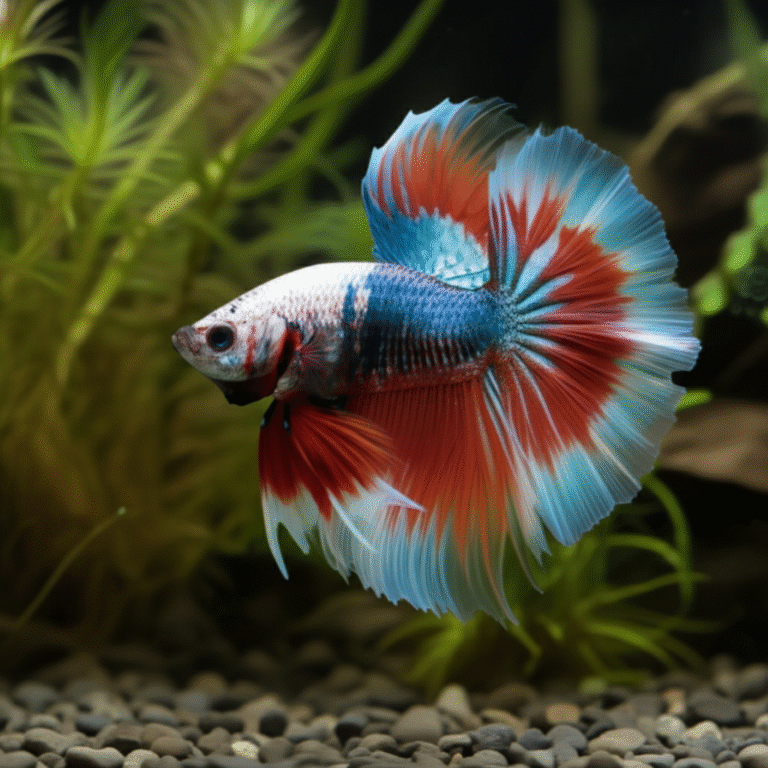
- Betta fish: Stunning fins and colors but aggressive; best kept alone or with peaceful tank mates like snails.
- Discus: The “king” of freshwater fish, requires pristine water and stable conditions. Not for beginners.
- Rainbowfish: Vibrant and active, they prefer schools and larger tanks.
Fish That Require Special Care: What You Need to Know
- Oscar fish: Intelligent and interactive but need at least 55 gallons, strong filtration, and a varied diet.
- African Cichlids: Territorial and aggressive; require specific pH and hard water.
- Goldfish: Coldwater fish needing large tanks and heavy filtration; prone to waste buildup.
For detailed profiles and care guides, see our Fish Care and Species Profiles.
🍽️ Feeding Freshwater Fish: Nutrition, Schedules, and Best Practices
Feeding your fish well is like composing the perfect melody — balance and timing are key.
Types of Fish Food: Flakes, Pellets, Frozen, and Live
- Flakes: Convenient and widely used; brands like TetraMin offer balanced nutrition.
- Pellets: Less messy, available in sinking or floating varieties. Hikari and Omega One are top brands.
- Frozen: Bloodworms, brine shrimp — excellent for carnivores and to add variety.
- Live: Daphnia, blackworms — stimulate natural hunting behavior but risk introducing disease if not sourced carefully.
How Often and How Much to Feed Your Fish
- Feed small amounts once or twice daily.
- Only give what fish can eat in 2-3 minutes to avoid overfeeding.
- Observe fish behavior; if food remains uneaten, reduce portions.
Avoiding Overfeeding and Related Health Issues
Overfeeding leads to:
- Water quality deterioration from uneaten food decay.
- Obesity and digestive problems in fish.
- Increased risk of diseases like fin rot and ich.
Use automatic feeders for consistent portions if you travel or have busy schedules.
🧹 Aquarium Maintenance: Keeping Your Freshwater Tank Sparkling and Healthy
Maintenance is the conductor’s baton — it keeps everything in sync.
Regular Water Changes: Techniques and Frequency
- Change 10-25% of water weekly to dilute nitrates and replenish minerals.
- Use a gravel vacuum to remove detritus from substrate.
- Always treat new water with dechlorinators before adding.
Cleaning Filters and Equipment Without Harming Beneficial Bacteria
- Rinse filter media in tank water (never tap water) to preserve nitrifying bacteria.
- Replace carbon or chemical media monthly.
- Avoid over-cleaning to prevent bacterial die-off.
Managing Algae Growth: Prevention and Removal Tips
- Control lighting duration (8-10 hours/day).
- Avoid overfeeding and excess nutrients.
- Introduce algae eaters like Amano shrimp or Otocinclus catfish.
- Manually remove algae with scrapers or brushes.
For more detailed maintenance routines, visit our Tank Maintenance section.
🩺 Common Freshwater Fish Diseases and How to Treat Them
Even the best care can’t guarantee zero illness, but early detection and action make all the difference.
Identifying Symptoms Early: What to Watch For
- White spots (Ich)
- Clamped fins or lethargy
- Red streaks or sores (fin rot)
- Loss of appetite
- Erratic swimming or gasping at surface
Effective Medications and Natural Remedies
- Ich: Treat with malachite green or copper-based meds (Seachem ParaGuard).
- Fin rot: Antibiotics like Maracyn or aquarium salt baths.
- Fungal infections: Antifungal treatments like API Fungus Cure.
- Natural remedies: Indian almond leaves, salt baths, and quarantine.
Always follow dosage instructions carefully and isolate sick fish if possible.
Quarantine Procedures to Protect Your Aquarium
- Use a separate tank with heater and filter.
- Observe new fish for 2-3 weeks before introduction.
- Treat any signs of disease promptly.
🤝 Building a Thriving Community: Social Behavior and Compatibility of Freshwater Fish
Your tank is a microcosm of society — understanding fish personalities helps avoid drama.
Schooling vs. Territorial Species: What Works Best?
- Schooling fish (tetras, danios) feel secure in groups of 6 or more.
- Territorial fish (cichlids, bettas) need defined spaces and hiding spots to reduce aggression.
Mixing Species Safely: Tips from Experienced Aquarists
- Avoid mixing aggressive and peaceful species.
- Match fish by size and temperament.
- Provide plenty of plants and décor to break line of sight.
- Research compatibility thoroughly before stocking.
🌿 Aquascaping for Freshwater Tanks: Creating Stunning Underwater Landscapes
Aquascaping is where art meets science — a beautiful tank is also a healthy tank.
Plant Selection and Care for Beginners
- Easy plants: Java fern, Anubias, Amazon sword.
- Moderate: Cryptocoryne, Vallisneria.
- High maintenance: Red Ludwigia, Rotala (require CO2 and high light).
Hardscape Materials: Rocks, Driftwood, and More
- Use inert rocks like Seiryu or lava rock.
- Driftwood adds natural tannins but may lower pH; soak before use.
- Avoid limestone or calcareous rocks unless you want to raise pH.
Balancing Aesthetics with Fish Needs
- Provide open swimming space.
- Include hiding spots for shy species.
- Use plants that tolerate your water parameters and lighting.
For inspiration and step-by-step aquascaping guides, visit our Aquascaping and Aquatic Plants category.
🔧 Troubleshooting Common Freshwater Aquarium Problems
Even seasoned aquarists hit snags. Here’s how to troubleshoot like a pro.
Cloudy Water, Fish Stress, and Other Head-Scratchers
- Cloudy water: Often bacterial bloom or substrate disturbance. Check filter function and avoid overfeeding.
- Fish gasping: Low oxygen or high ammonia; increase aeration and test water immediately.
- Algae blooms: Excess light or nutrients; reduce feeding and lighting duration.
- Fish hiding or aggression: Check tank mates, territory, and water parameters.
When to Call in the Experts
- Persistent disease despite treatment.
- Equipment failures you can’t fix.
- Complex water chemistry issues.
Local aquarium clubs and forums like PlantedTank.net are gold mines for advice and support.
🌟 Expert Tips and Tricks from Aquarium Music™ Team
Here’s where we share our secret sauce — distilled from years of tank tuning and fish whispering:
- Invest in quality filtration: Brands like Fluval and Eheim deliver consistent performance and longevity.
- Patience is your best friend: Don’t rush cycling or stocking; let your tank mature naturally.
- Backup equipment is a lifesaver: Keep spare heaters, air pumps, and test kits on hand.
- Dip new plants: Prevent hitchhiking pests by dipping plants in a mild bleach or potassium permanganate solution before adding them.
- Use a gravel vacuum weekly: It’s the unsung hero of water quality maintenance.
- Join a local aquarium club or online community: Sharing experiences accelerates your learning curve and keeps motivation high.
📚 Recommended Links and Resources for Freshwater Fish Care
- API Freshwater Master Test Kit on Amazon
- Seachem Prime Water Conditioner
- Fluval Canister Filters
- Aquarium Store Depot YouTube Channel
- PlantedTank.net Forum
- Aquarium Music™ Fish Care and Species Profiles
- Aquarium Music™ Aquarium Setup
- Aquarium Music™ Tank Maintenance
- Aquarium Music™ Aquascaping and Aquatic Plants
❓ Frequently Asked Questions (FAQ) About Freshwater Fish Care
Q: How often should I change the water in my freshwater aquarium?
A: Weekly partial water changes of 10-25% are ideal to maintain water quality and reduce nitrate buildup.
Q: Can I keep different species of fish together?
A: Yes, but research compatibility carefully. Avoid mixing aggressive species with peaceful ones and provide adequate space.
Q: How do I know if my fish are stressed?
A: Signs include hiding, loss of appetite, rapid gill movement, and erratic swimming. Check water parameters immediately.
Q: What is the best way to cycle a new tank?
A: Use fishless cycling with ammonia or bacterial starters like API Quick Start to establish beneficial bacteria before adding fish.
Q: How do I prevent algae growth?
A: Control lighting duration, avoid overfeeding, maintain good water quality, and consider algae-eating species.
For more FAQs and detailed answers, visit our Fish Care and Species Profiles.
🔗 Reference Links and Further Reading
- Understanding the Nitrogen Cycle – The Aquarium Wiki
- Oscar Fish Care Guide – Freshwater Fish Global
- API Fish Care Resources
- Seachem Aquatic Products
- Fluval Aquarium Products
- Planted Aquarium Basics – Aquarium Store Depot (#featured-video)
🎉 Conclusion: Your Journey to Freshwater Fish Mastery Starts Here!
Well, there you have it — a deep dive into the art and science of freshwater fish care, brought to you by the passionate aquarists and aquascapers at Aquarium Music™. From understanding the delicate balance of water chemistry to selecting the perfect fish species and mastering aquarium maintenance, you’re now equipped to compose your own underwater symphony.
Remember, patience and observation are your best allies. The nitrogen cycle isn’t just aquarium jargon; it’s the invisible conductor ensuring your fish thrive. Choosing compatible species and feeding them right keeps the harmony alive, while regular maintenance keeps the stage set for a dazzling aquatic performance.
If you’re considering a standout species like the Oscar fish, be ready for a larger tank and attentive care, but the reward is an intelligent, interactive companion. For beginners, community-friendly fish like neon tetras and corydoras offer a gentle introduction to this vibrant hobby.
So, what about those lingering questions? Why does overfeeding cause so much trouble? Because uneaten food decays, releasing ammonia and triggering algae blooms — a cascade that disrupts the entire ecosystem. Why is cycling so crucial? Without beneficial bacteria, toxic ammonia and nitrites accumulate, threatening your fish’s health.
We hope this guide inspires you to create a thriving freshwater aquarium that’s not just a tank, but a living, breathing masterpiece — a true Aquarium Music™ experience.
📚 Recommended Links and Shopping
Ready to get your hands wet? Here are some of our top picks for gear and supplies to kickstart or upgrade your freshwater aquarium:
- API Freshwater Master Test Kit: Amazon | Petco | API Official Website
- Seachem Prime Water Conditioner: Amazon | Chewy | Seachem Official Website
- Fluval 07 Series Canister Filter: Amazon | Walmart | Fluval Official Website
- Eheim Jager Aquarium Heater: Amazon | PetSmart | Eheim Official Website
- Hikari Fish Food (Pellets and Flakes): Amazon | Chewy | Hikari Official Website
- Books:
Dive into these resources and gear up for a rewarding freshwater fishkeeping adventure!
❓ Frequently Asked Questions (FAQ) About Freshwater Fish Care
What are the best water parameters for freshwater fish care?
The ideal water parameters vary by species, but most freshwater fish thrive in:
- pH: 6.5 to 7.5 (neutral to slightly acidic)
- Temperature: 74°F to 80°F (23°C to 27°C) for tropical species; cooler for coldwater fish like goldfish (65°F to 72°F)
- General Hardness (GH): 4 to 12 dGH
- Carbonate Hardness (KH): 3 to 8 dKH
- Ammonia and Nitrite: 0 ppm (toxic at any detectable level)
- Nitrate: Below 20 ppm
Maintaining stable parameters is more important than hitting exact numbers. Sudden shifts stress fish and can lead to illness. Use quality test kits like the API Freshwater Master Test Kit to monitor regularly.
How often should I change the water in a freshwater fish tank?
Partial water changes of 10-25% weekly are recommended to dilute nitrates and replenish essential minerals. Larger tanks may require less frequent changes, but consistency is key.
- Use a gravel vacuum during water changes to remove detritus.
- Always treat tap water with a conditioner like Seachem Prime to neutralize chlorine and chloramine.
- Avoid changing too much water at once to prevent shocking your fish.
What are common diseases in freshwater fish and how to prevent them?
Common diseases include:
- Ich (White Spot Disease): Caused by a parasite; prevent by quarantining new fish and maintaining stable water conditions.
- Fin Rot: Bacterial infection often due to poor water quality; prevent with regular maintenance and avoiding overcrowding.
- Fungal Infections: Usually secondary infections; keep water clean and treat wounds promptly.
- Swim Bladder Disorder: Often caused by overfeeding or constipation; feed high-fiber foods and avoid overfeeding.
Prevention revolves around quarantine, good water quality, proper nutrition, and stress reduction.
How do I set up a freshwater aquarium for beginner fish care?
- Choose a tank size of at least 20 gallons for stability.
- Install a reliable filter (e.g., AquaClear HOB filter) and heater (e.g., Eheim Jager).
- Cycle the tank before adding fish using fishless cycling methods or bacterial starters like API Quick Start.
- Select hardy beginner fish such as guppies, neon tetras, or corydoras.
- Test water parameters regularly and perform weekly partial water changes.
- Feed high-quality flakes or pellets in small amounts once or twice daily.
For a step-by-step guide, see Simple Care Guide – Freshwater Aquarium – Start Up & Change Water.
What types of plants are beneficial for freshwater fish tanks?
Plants improve water quality, provide shelter, and reduce stress. Beginner-friendly plants include:
- Java Fern (Microsorum pteropus): Hardy, low light.
- Anubias: Slow-growing, attaches to rocks or driftwood.
- Amazon Sword (Echinodorus spp.): Larger plant, good for background.
- Cryptocoryne: Adaptable but sensitive to sudden changes.
Plants also help absorb nitrates and compete with algae, contributing to a balanced ecosystem.
How can I create a balanced diet for my freshwater fish?
- Offer a mix of flakes or pellets formulated for your species.
- Supplement with frozen or live foods like bloodworms, brine shrimp, or daphnia for protein and enrichment.
- Include vegetable matter (blanched zucchini or spirulina flakes) for herbivores or omnivores.
- Feed small portions 1-2 times daily, avoiding overfeeding to maintain water quality.
What equipment is essential for maintaining a healthy freshwater aquarium?
- Filter: Mechanical, biological, and chemical filtration to maintain water quality.
- Heater: Keeps temperature stable for tropical fish.
- Lighting: Supports plant growth and fish coloration.
- Test Kits: For monitoring pH, ammonia, nitrite, and nitrate.
- Water Conditioner: Neutralizes chlorine and chloramine in tap water.
- Gravel Vacuum: For substrate cleaning during water changes.
- Thermometer: To monitor tank temperature accurately.
Investing in quality equipment from trusted brands like Fluval, Eheim, and API ensures reliability and longevity.
🔗 Reference Links and Further Reading
- API Fish Care Resources
- Seachem Aquatic Products
- Fluval Aquarium Products
- Eheim Aquarium Heaters
- Simple Care Guide – Freshwater Aquarium – Start Up & Change Water
- Understanding the Nitrogen Cycle – The Aquarium Wiki
- PlantedTank.net Aquarium Forum
- Aquarium Store Depot YouTube Channel
Dive into these trusted sources to deepen your knowledge and keep your freshwater aquarium thriving!