Support our educational content for free when you purchase through links on our site. Learn more
80 Fish Tank Decor Ideas That Keep Fish Happy 🐠

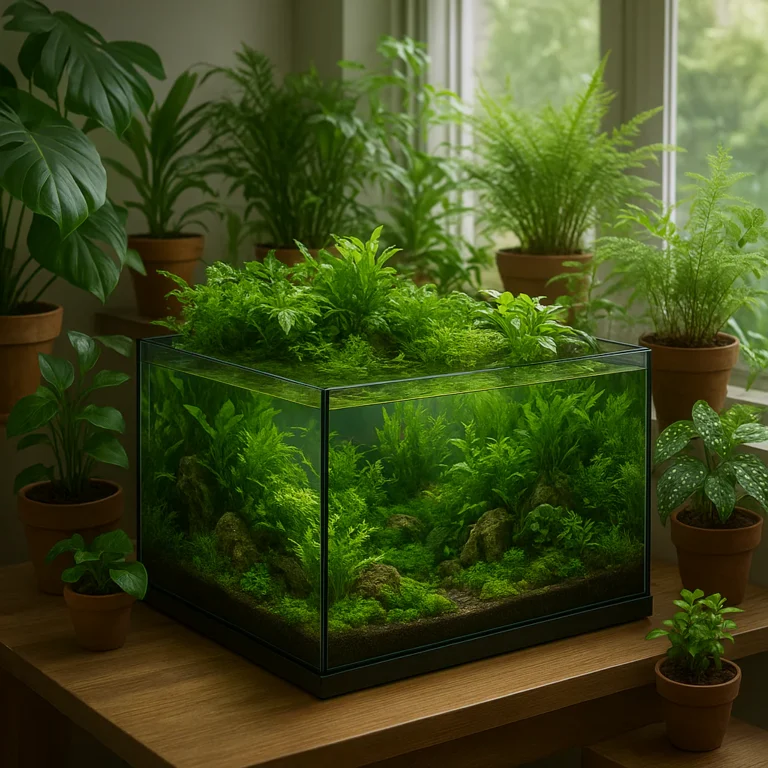
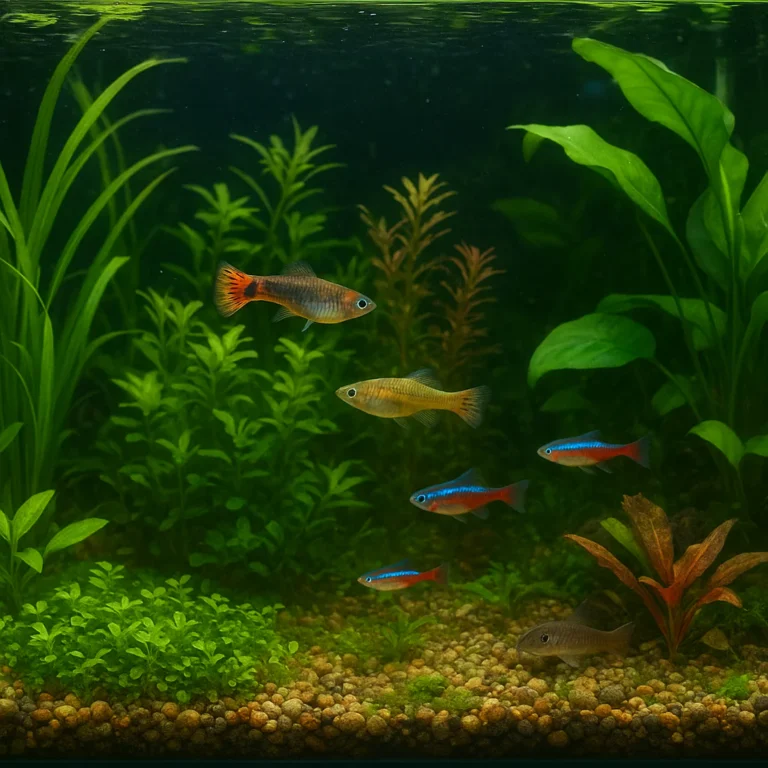
The best fish tank decor ideas balance good looks with what your fish need: safe shelter, room to swim, and easy access for cleaning. Start with the inhabitants, then build a style around them—whether that means a lush planted aquascape, a playful theme, or one beautifully placed piece of driftwood.
We learned that lesson when a dramatic branch turned a fish’s favorite route into a dead end. A small rearrangement restored the shortcut and improved the whole layout. The best decoration isn’t just pretty; it works for the fish, too.
Key Takeaways
- Put fish welfare first: Match decorations to your fish’s behavior, size, and habitat needs.
- Use safe, stable materials: Check for sharp edges, risky coatings, unstable stacks, and fish-trapping gaps.
- Leave room to swim and clean: A few well-arranged pieces often look better than a crowded tank.
- Choose a style that suits your routine: Live plants add a changing natural landscape; artificial plants and ornaments offer predictable shapes.
- Plan before you decorate: Arrange hardscape, check equipment access, and consider the tank’s dimensions before adding anything.
- Keep DIY cautious: Use verified aquarium-safe materials rather than mystery objects, paints, or adhesives.
Table of Contents
- ⚡️ Quick Tips and Facts for Fish Tank Decor
- 🌿 How Aquarium Decor Has Evolved
- 🎨 80 Fish Tank Decor Ideas for Every Aquarium Style
- 1. Natural Aquascaping and Nature-Inspired Decor
- 2. Driftwood, Roots, and Branches
- 3. Rocks, Caves, and Stone Features
- 4. Live Plants and Moss
- 5. Artificial Plants and Silk Foliage
- 6. Substrate, Sand, and Gravel Designs
- 7. Aquarium Backgrounds and Backdrops
- 8. Themed and Playful Aquarium Decorations
- 9. Minimalist and Modern Fish Tank Decor
- 10. Small-Tank and Nano Aquarium Decor
- 11. Beta Fish Tank Decor Ideas
- 12. Community Tank Decor Ideas
- 13. Cichlid and Species-Specific Decor
- 14. Budget-Friendly DIY Aquarium Decor
- 15. Lighting and Decor Combinations
- 16. Seasonal and Color-Themed Aquarium Decor
- 17. Aquarium Decor Ideas 1–5
- 18. Aquarium Decor Ideas 6–10
- 19. Aquarium Decor Ideas 11–15
- 20. Aquarium Decor Ideas 16–20
- 21. Aquarium Decor Ideas 21–25
- 22. Aquarium Decor Ideas 26–30
- 23. Aquarium Decor Ideas 31–35
- 24. Aquarium Decor Ideas 36–40
- 25. Aquarium Decor Ideas 41–45
- 26. Aquarium Decor Ideas 46–50
- 27. Aquarium Decor Ideas 51–55
- 28. Aquarium Decor Ideas 56–60
- 29. Aquarium Decor Ideas 61–65
- 30. Aquarium Decor Ideas 66–70
- 31. Aquarium Decor Ideas 71–75
- 32. Aquarium Decor Ideas 76–80
- 🧭 How to Choose Decor for Your Aquarium
- Match Decor to Tank Size and Shape
- Choose Decorations for Your Fish and Other Livestock
- Plan a Balanced Aquascape
- 🪴 Live Plants vs. Artificial Aquarium Plants
- 🪨 Aquarium Substrate, Hardscape, and Background Basics
- 🛠️ Safe DIY Fish Tank Decorations
- 🚫 Aquarium Decor to Avoid
- 🧽 How to Clean and Maintain Fish Tank Decorations
- 💡 Common Fish Tank Decor Mistakes
- 🏁 Conclusion
- 🔗 Recommended Links for Aquarium Decor and Aquascaping
- ❓ Fish Tank Decor Ideas FAQ
- 📚 Reference Links
Quick Tips and Facts
For more inspiration, see our guide to 10 Creative Fish Tank Décor Ideas That Sing 🎶. The short version from our aquascaping bench: choose decor for your fish first, your style second, and your cleaning routine third. A beautiful tank should work like a well-arranged room, not a storage closet for novelty ornaments. 🐟
| Quick fact | What we recommend |
|---|---|
| Fish welfare leads the design | Choose decor around your fish’s hiding, swimming, resting, and foraging needs. Start with species guidance from OATA. |
| Negative space is useful | Leave open swimming areas instead of filling every inch. A tank can look fuller when a few strong shapes are arranged deliberately. |
| Not every “natural” object is safe | Unknown rocks and wood can carry contaminants or affect water chemistry. Use known aquarium-safe materials or verify found materials carefully. |
| Live plants need suitable conditions | Light, nutrients, substrate, and plant choice all matter. Browse our aquascaping and aquatic plants guides. |
| Decor can hide equipment—but not block it | Keep filters, heaters, intakes, and water flow accessible and functional. See our aquarium equipment guides. |
| Clean thoughtfully | During maintenance, remove algae with a soft brush; don’t sterilize every decoration at once. Established surfaces can host beneficial microorganisms. |
| Test the idea before filling the tank | Arrange hardscape dry, check for sharp edges and unstable stacks, then fill and inspect for trapped fish or blocked equipment. |
We once rearranged a planted tank to make room for one dramatic piece of driftwood. The wood looked magnificent. The fish, meanwhile, had lost their favorite route behind the filter. We moved it again—and the tank looked better and the residents got their shortcut back. The fish get a vote.
How Aquarium Decor Has Evolved
Fish tank decor has come a long way from a plastic castle plunked into a gravel bowl. Today’s choices range from natural aquascapes built with plants and stone to minimalist layouts, colorful artificial foliage, and playful themed ornaments. The best direction depends on the tank’s inhabitants, your maintenance preferences, and the room around it.
A Pinterest collection describes modern tank themes as “cute and innovative,” with ideas for betas and aquariums in several sizes. That inspiration can be useful, but pictures rarely show the filtration, stocking, water quality, or daily care behind a polished setup. Treat social posts as design prompts, not husbandry instructions.
| Design approach | What it brings | What to check |
|---|---|---|
| Natural aquascaping | Organic shapes, planted cover, and a habitat-like appearance | Plant requirements, fish compatibility, and pruning needs |
| Themed decor | A playful focal point and strong personality | Aquarium-safe materials, stable placement, and adequate swimming room |
| Minimalist layout | Easy viewing, open space, and fewer obstacles | Whether the fish still have sufficient cover and shelter |
| Artificial plants and ornaments | Predictable color and easy rearrangement | Smooth edges, safe materials, and debris-trapping crevices |
The design advice in this article about bringing fish tank decor into your home offers a useful reminder: “decorate the tank as intentionally as you would decorate the room around it.” We agree—with one crucial edit: the livestock’s needs set the rules.
80 Fish Tank Decor Ideas for Every Aquarium Style
Use these as starting points, not a shopping list. A tank with a few well-placed pieces often looks more polished than one crammed with every idea on the page. For specific setup and species guidance, explore our aquarium setup and fish care and species profiles categories.
1. Natural Aquascaping and Nature-Inspired Decor
Natural layouts borrow their shapes and textures from riverbanks, forests, and rocky shorelines. The goal isn’t to recreate a whole landscape in miniature; it’s to build a pleasing arrangement that also gives fish places to shelter and explore.
- Riverbank scene: Combine a sloping sand foreground with planted banks at the back.
- Forest-floor aquascape: Use branching wood, moss, and shaded areas for a woodland feel.
- Rocky stream layout: Arrange smooth stones in a loose channel, leaving a clear swimming lane.
- Root-and-leaf habitat: Pair driftwood roots with hardy plants for a naturally tangled look.
- Open-water nature scene: Keep one side mostly open and plant the other for contrast.
2. Driftwood, Roots, and Branches
Driftwood adds a strong focal shape and can create shade, cover, and visual height. Aquarium-specific pieces from brands such as Fluval are easier to assess than random outdoor finds, although any wood still needs preparation and tank-specific consideration.
- Single branching centerpiece: Position one striking piece slightly off-center.
- Root arch: Raise a sturdy branch over an open area to create a natural-looking passage.
- Wood-and-moss tree: Attach aquarium-safe moss to branch tips for a miniature canopy.
- Low cave of roots: Place wood against a stable rock base to create sheltered spaces.
- Vertical branch silhouette: Use a tall piece in the back to draw the eye upward without crowding the front.
Our practical tip: Soak wood as needed to reduce floating and release tannins before or after adding it. Tannins can tint water tea-brown; some aquarists enjoy the look, while others prefer clearer water. Always check that your wood is intended for aquarium use and doesn’t have paint, preservatives, or unknown coatings.
3. Rocks, Caves, and Stone Features
Rockwork can create bold shapes and valuable hiding places, particularly for fish that prefer caves or territories. Use stable, aquarium-appropriate stones, and avoid precarious stacks that could shift during maintenance or fish activity.
- Cave cluster: Arrange several stable stones to form sheltered openings.
- Stone arch: Build a low, secure arch with broad contact points.
- Dark-rock contrast: Pair dark hardscape with bright green plants.
- Pale-stone path: Create a light-colored route through darker substrate.
- Rock island: Group stones in one area and leave the opposite side open.
- Layered ledges: Use broad, flat pieces to create horizontal visual lines.
- Cichlid-style shelter: Provide multiple secure retreats suited to the species’ needs.
- Peble border: Use smooth, aquarium-safe pebbles to edge a planted section.
Avoid sharp edges and openings that could trap fish. If you collect stones outdoors, don’t assume they are safe because they look clean; mineral composition and contamination can matter. When in doubt, choose reputable aquarium hardscape or check reliable husbandry guidance.
4. Live Plants and Moss
Live plants bring movement, texture, and a changing landscape. They can also use nutrients and provide cover, but they are not magic water cleaners; filtration, water changes, and sensible stocking still matter. The Tropica plant database is a useful place to compare plant requirements before buying.
- Java moss on wood: Create a soft, green surface over branches or stones.
- Amazon Sword backdrop: Use a larger plant as a leafy background feature where tank size permits.
- Hornwort thicket: Add a bushy plant for cover, checking how quickly it grows in your conditions.
- Anubias on hardscape: Attach rhizome plants to wood or rock rather than burying the rhizome.
- Floating plant canopy: Add floating plants where appropriate, while keeping the surface clear enough for fish and equipment.
- Carpeted foreground: Try a suitable low-growing species if your light and maintenance plan support it.
- Moss wall: Attach moss to a mesh panel designed for aquarium use.
- Plant island: Create one dense planted cluster and retain open water around it.
Plant choice should match your lighting, substrate, livestock, and willingness to trim. For aquarium plant ideas and growing guidance, browse Aquarium Music’s aquascaping and aquatic plants section.
5. Artificial Plants and Silk Foliage
Artificial plants offer dependable color and don’t need plant lighting or nutrients. They can be a sensible choice in tanks where live plants are impractical, but inspect each piece for rough seams, stiff points, and places that could snag fins.
- Silk-leaf shelter: Use soft artificial foliage for cover without adding demanding plants.
- Color-blocked plant groups: Group one or two colors instead of scattering every shade.
- Artificial grass border: Create a low edge around a cave or rock formation.
- Mixed live-and-artificial planting: Use live plants in easy spots and artificial foliage where conditions are difficult.
A useful rule: if a decoration can catch a delicate cloth, it may catch a fin. Run fabric gently over the edges before installing it, then inspect periodically for wear.
6. Substrate, Sand, and Gravel Designs
Substrate sets the visual foundation—and affects planting and cleaning. Sand can create a soft, natural riverbed; gravel offers varied grain sizes and colors; specialized planted substrates may suit particular plant setups. Match it to your fish and plants rather than choosing by color alone.
- Dark substrate with green plants: A high-contrast layout that makes foliage stand out.
- Pale sand foreground: Brighten the front while keeping darker hardscape behind it.
- Sloped substrate: Build depth by raising the back, securing the slope with hardscape or planting.
- Two-texture zones: Separate sand and gravel with rocks or a deliberate boundary.
- Natural gravel riverbed: Use a restrained blend of aquarium-safe gravel tones.
- Planting pockets: Create grouped planted areas rather than covering every inch.
Rinse substrate according to its product instructions, and don’t mix materials casually if one is designed for a specific chemistry or planting purpose. Fish that dig or sift may also move carefully arranged borders—sometimes overnight, because apparently landscaping is a team sport.
7. Aquarium Backgrounds and Backdrops
A background can hide cords, reduce visual clutter, and make colors stand out. A plain dark backing often gives plants and fish more visual contrast, while a printed scene can add a stronger theme.
- Mate black background: A simple choice for a crisp, dramatic look.
- Deep blue backdrop: Suggest a deeper-water mood without adding objects inside the tank.
- Frosted background film: Soften the view of walls and equipment behind the aquarium.
- Plant silhouette backdrop: Echo a natural aquascape without competing with it.
Make sure a background doesn’t prevent access to equipment or obscure leaks and maintenance needs. For setup advice, see our aquarium setup guides.
8. Themed and Playful Aquarium Decorations
A theme can make an aquarium feel like a tiny story. Choose ornaments made for aquarium use, and check that they are smooth, stable, and roomy enough for the fish to pass safely.
- Sunken ship scene: Use a purpose-made aquarium ornament as a focal point.
- Ancient ruins: Pair aquarium-safe stone structures with plants for a reclaimed-by-nature look.
- Pirate cove: Add a small themed feature while preserving clear swimming space.
- Fantasy garden: Combine colorful ornaments with living or artificial plants.
- Miniature underwater city: Use a few coordinated structures rather than a crowded collection.
- Tera-cotta cave: Use a clean, suitable pot designed or prepared for aquarium use, with safe openings and no coatings.
- Whimsical centerpiece: Pick one playful ornament and let it be the star.
The first video’s approach to themed tanks includes safe resin figurines, sunken ruins, and DIY terra-cotta caves. It also emphasizes balancing focal points with swimming space. See the featured video for that perspective. We’d add one caution: a cute opening is only a good cave if your fish can enter and leave without getting wedged.
9. Minimalist and Modern Fish Tank Decor
Minimalism isn’t “no decor”; it’s deliberate decor. A restrained setup can be easier to maintain and gives fish more open space, provided it still supplies the shelter and habitat features the species needs.
- One-piece focal hardscape: Center attention on a single sculptural rock or wood piece.
- Asymmetric layout: Place most decor to one side and keep the other side open.
- Monochrome aquascape: Coordinate substrate, stone, and background in a limited palette.
- Open sand and one plant group: Let negative space do some of the design work.
- Equipment-integrated layout: Use plants or hardscape to soften the view of equipment without blocking it.
A home-design article recommends leaving room to breathe and grouping features rather than distributing them evenly. We agree: restraint often makes a small tank look larger.
10. Small-Tank and Nano Aquarium Decor
Small aquariums have less room for error—and less room for bulky decorations. Choose compact pieces that don’t take over the swimming area, and confirm the tank’s suitability for its intended inhabitants before planning the look.
- Small planted island: Keep plants grouped in one corner.
- Low-profile cave: Add one accessible shelter without dominating the tank.
- Mini driftwood branch: Choose a scale-appropriate piece with no sharp tips.
- Simple background and substrate pairing: Create visual depth without filling the interior.
- Tiny moss feature: Attach a modest amount of moss to a small rock or wood piece.
A large ornament can look charming in the shop and turn into a studio apartment’s entire living room once submerged. Measure the tank and the ornament before buying.
11. Beta Fish Tank Decor Ideas
Bettas need an appropriately sized, heated, filtered home with safe resting places and room to swim. Decor should have smooth surfaces and avoid trapping long fins. Find species-specific care information through OATA’s fishkeeping advice and our fish care and species profiles.
- Broad-leaf resting spot: Use a smooth live or artificial leaf near the surface.
- Gentle cave: Add a roomy shelter with rounded, snag-free edges.
- Floating plant cover: Provide shaded areas while keeping the surface accessible.
- Soft silk foliage: Choose flexible, fin-safe leaves.
- Open swimming lane: Keep a clear route through the tank, especially for long-finned betas.
A Pinterest collection presents “artful, soothing, vase tank ideas” and shows river rocks, plants, and rearranged layouts. That can inspire color and composition, but its account of a beta living in a roughly two-gallon vase should not be treated as a welfare standard. An individual fish seeming active or “hardy” doesn’t prove that a small, unfiltered setup meets its needs. Use inspiration for aesthetics, and rely on reputable care guidance for housing.
12. Community Tank Decor Ideas
Community aquariums benefit from decor that creates visual zones without blocking movement. Arrange plants and hardscape to offer cover, but leave enough open space for active swimmers and easy observation.
- Planted back wall: Keep taller plants behind the main swimming area.
- Two shelter zones: Create separate retreats to reduce competition.
- Driftwood-and-plant corridor: Build a natural passage while keeping the filter intake clear.
- Open center, planted edges: Give schooling fish room to move and maintain shelter around the perimeter.
Species compatibility matters as much as appearance. Check adult size, behavior, water requirements, and social needs before combining fish; our fish and aquatic life guides are a useful starting point.
13. Cichlid and Species-Specific Decor
Some fish rearrange their surroundings, dig, claim territories, or need particular structures. The “finished” aquascape may not stay finished—and that’s fine if the layout is safe and suited to the species.
- Secure rock piles: Arrange stable rocks to provide caves and sight breaks.
- Open sand area: Leave room for fish that sift or dig.
- Species-specific spawning shelter: Use a suitable cave or surface only when appropriate for the fish.
- Durable, simple hardscape: Favor stable pieces that can withstand active rearranging.
Research the species before adding shells, caves, or fine substrate. Decor that suits one cichlid may be unsuitable for another, so a species-specific care profile should outrank a generic “cichlid tank” mood board.
14. Budget-Friendly DIY Aquarium Decor
DIY can be creative and economical, but aquarium safety is not the place to improvise with unknown paint, glue, metal, or coatings. Choose simple materials, verify suitability, and err on the side of purpose-made aquarium products.
- Rearrange existing decor: A new layout can refresh a tank without buying anything.
- Use a simple external background: Change the look without adding interior objects.
- Build a plant-and-rock focal group: Reuse aquarium-safe pieces in a more intentional arrangement.
- Make a moss feature: Attach suitable moss to aquarium-safe hardscape using an appropriate aquarium method.
- Create a safe cave from suitable terracotta: Use a clean, unglazed piece only after checking that its shape and openings are safe for your fish.
Skip household ornaments unless you can verify every material that will be submerged. Sealants and adhesives can be unsafe if they are not explicitly suitable for aquarium use and fully cured according to manufacturer instructions.
15. Lighting and Decor Combinations
Lighting affects both the tank’s appearance and plant growth. A color-changing LED may alter the mood, but decorative colors shouldn’t replace a suitable light spectrum and schedule for the aquarium’s inhabitants and plants.
- Warm white over natural wood: Emphasize earthy tones.
- Neutral white for planted layouts: Show plant color clearly and support an appropriate plant-light plan.
- Blue accent for evening viewing: Use sparingly and preserve a regular dark period.
- Shaded hardscape: Place plants or wood to create gentle contrasts, not dark corners that hide problems.
The first video describes color-changing LEDs as a way to shift a tank’s mood while stressing that lighting needs to suit plant growth. That’s the balance: choose light for the aquarium first, atmosphere second. For equipment choices, explore Aquarium Music’s aquarium equipment section.
16. Seasonal and Color-Themed Aquarium Decor
A seasonal look can be fun, but decorations should remain safe and stable in the water. Avoid changing the whole tank frequently; repeated major rearrangements can stress inhabitants and disturb the established layout.
- One-color accent theme: Pick one accent color and echo it in a single ornament or plant group.
For an easy refresh, change the external background or rearrange one safe focal point rather than rebuilding the entire aquarium. In the end, the most convincing theme is one that still looks like a comfortable home for its residents.
How to Choose Decor for Your Aquarium
Start with fish, tank dimensions, and care requirements. Then decide on a visual style and choose pieces that fit both the aquarium and your maintenance habits.
Match Decor to Tank Size and Shape
Measure the aquarium’s footprint, height, and usable swimming area. A tall ornament may be visually striking but leave little room for plants or fish movement; a low structure might suit a wide tank better.
| Tank feature | Decor consideration |
|---|---|
| Small footprint | Choose compact pieces and avoid bulky ornaments that dominate the tank. |
| Long tank | Use horizontal layouts and preserve open swimming routes. |
| Tall tank | Build vertical interest with suitable plants or branches, while considering light needs. |
| Curved or unusual shape | Keep decor stable and avoid pieces that press against glass or obstruct cleaning. |
Choose Decorations for Your Fish and Other Livestock
The Preferred Realty article puts it plainly: “The residents have a vote.” That’s a good rule. Consider:
- Shelter: Does the species use caves, plants, shade, or open water?
- Behavior: Does it dig, graze, swim rapidly, or defend territory?
- Body and fin shape: Could long fins snag? Could a small fish enter a narrow gap and become trapped?
- Adult size: Will a piece remain safe and appropriately scaled as fish grow?
- Water needs: Could the material affect water chemistry?
Check reputable species information before selecting decor. Start with OATA’s fishkeeping advice and our species profile collection.
Plan a Balanced Aquascape
A simple three-zone arrangement is a reliable starting point:
- Background: Taller plants, larger wood, or a backdrop.
- Midground: A main rock, root, or plant group.
- Foreground: Open sand, low plants, or small details.
Group pieces rather than spreading them evenly. Many aquascapers use odd-numbered groups because they can look less rigid, but it’s a visual guideline—not a biological rule. Keep a clear swimming route, and leave enough space to reach the filter, heater, and glass during maintenance.
Live Plants vs. Artificial Aquarium Plants
There’s no universal winner. Live plants change and grow; artificial plants offer predictable shape and color. Choose according to your fish, equipment, and willingness to maintain them.
| Feature | Live plants | Artificial plants |
|---|---|---|
| Appearance | Natural and changing | Consistent and easy to arrange |
| Care | May need suitable light, nutrients, trimming, and planting conditions | Usually needs inspection and cleaning |
| Aquarium role | Can provide cover and use nutrients as they grow | Provides structure and shelter, but doesn’t grow |
| Common challenge | Plant health depends on conditions | Stiff or damaged leaves may snag fins |
| Best fit | Aquarists who want a living landscape | Aquarists seeking predictable decor or lower plant-care demands |
For live options, compare needs using the Tropica plant database. For artificial plants, inspect the product in person where possible and check for rough edges. A mixed approach is perfectly legitimate: live greenery where it thrives, safe artificial cover where it doesn’t.
Aquarium Substrate, Hardscape, and Background Basics

These three choices shape the aquarium’s look before you add a single ornament.
- Substrate: Choose sand, gravel, or planted substrate based on fish behavior, planting plans, and the product’s intended use.
- Hardscape: Wood and stone create the structure. Check stability and avoid dangerous gaps.
- Background: A simple external backing can hide visual clutter without taking up tank space.
The first video describes substrate as what “sets the tone” of the aquarium: sand reads as a natural riverbed, gravel offers color choices, and specialized soils can support planted setups. All three can work, but the right option depends on your plan—not just the photo you want to imitate.
Before adding hardscape:
- Rinse or prepare materials according to supplier instructions.
- Arrange pieces outside the aquarium to test the composition.
- Check stability by gently nudging each piece.
- Inspect gaps and edges for places fish could become trapped or injured.
- Confirm equipment access and leave room for cleaning.
- Add water carefully, watching for movement or shifting.
Safe DIY Fish Tank Decorations
A DIY project is suitable only if its materials are safe for prolonged aquarium use. The fact that something is “non-toxic” for a craft project doesn’t automatically prove it is safe underwater, around fish, or under aquarium lighting.
Safer DIY principles
- Use known, aquarium-appropriate materials.
- Avoid unknown paints, glazes, metals, treated wood, and household objects with coatings.
- Don’t create holes or tunnels that can trap a fish.
- Keep structures stable and away from glass pressure points.
- Follow the manufacturer’s curing instructions for any aquarium-approved adhesive or sealant.
- Test and inspect the finished piece before adding livestock.
A purpose-made ornament from Fluval or another established aquarium brand can be easier to assess than a mystery object from a craft drawer. For setup and safety considerations, check our aquarium setup guides.
Aquarium Decor to Avoid
❌ Sharp or rough edges that may damage fins or skin.
❌ Unverified metal, paint, or coatings that could release unwanted substances.
❌ Unstable rock piles that can collapse.
❌ Narrow openings or pinch points that can trap fish.
❌ Decor that blocks filters, heaters, or intakes or makes them difficult to service.
❌ Overcrowding that removes swimming space and traps debris.
❌ Random outdoor objects whose treatment, contamination, or mineral properties are unknown.
❌ Frequent full rescapes that unnecessarily disrupt fish and established surfaces.
The safest-looking item isn’t always the safest one. Examine the material, shape, stability, and intended use—not just the label or the product photo.
How to Clean and Maintain Fish Tank Decorations
Clean decor as part of a sensible maintenance routine, but don’t scrub everything sterile at once. Surfaces in an established aquarium can host beneficial microorganisms; preserve the tank’s biological stability by cleaning gradually and following appropriate maintenance practices.
A careful cleaning routine
- Inspect the decoration for cracks, rough edges, trapped debris, or damage.
- Remove algae gently with a soft, aquarium-safe brush during routine maintenance.
- Rinse using aquarium-safe methods appropriate to the item and your maintenance setup.
- Avoid household soaps and cleaners, which can leave harmful residues.
- Don’t clean all decor at once if it would remove too much established surface growth.
- Return items securely, ensuring they don’t block water flow or fish movement.
The first video suggests gentle brushing during water changes and vinegar for stubborn algae, while warning: “Don’t clean all decor at once to preserve beneficial bacteria.” We’d treat vinegar as a limited, careful cleaning option for removed, suitable items—not as a universal aquarium cleaner. Rinse thoroughly and keep cleaning products away from aquarium water and livestock.
Common Fish Tank Decor Mistakes
| Mistake | Why it causes trouble | Better approach |
|---|---|---|
| Buying decor before checking species needs | The layout may lack shelter or swimming space | Research the residents first |
| Filling every open area | Makes movement and cleaning harder | Use negative space deliberately |
| Trusting any “natural” item | It may be treated, contaminated, or affect water chemistry | Use known materials or verify carefully |
| Hiding equipment too well | Filters and heaters may become obstructed or hard to service | Camouflage without blocking access |
| Mixing too many colors and themes | The tank can look cluttered | Choose a palette and one focal point |
| Rebuilding an established tank all at once | Can disrupt fish and tank surfaces | Make gradual, planned changes |
| Choosing a decoration by photo alone | Scale, openings, or material may be unsuitable | Inspect dimensions, edges, and material before use |
The advice “Use restraint” from the home-design article is worth keeping close. So is its reminder that residents have a vote. The Pinterest boards can spark an idea, but the actual fish—not the photograph—tell us whether the finished layout works.