Support our educational content for free when you purchase through links on our site. Learn more
🐠 Fish Health and Disease: 12 Expert Secrets to Keep Your Aquarium Thriving (2025)

Have you ever stared into your aquarium, mesmerized by the shimmering dance of your fish, only to notice something… off? Maybe a faded color, a torn fin, or worse—a mysterious white spot that seems to multiply overnight. Fish health and disease can feel like an underwater mystery novel, full of twists, turns, and unexpected villains. But what if we told you that with the right knowledge, you could become the detective and healer your aquatic friends desperately need?
At Aquarium Music™, we’ve seen it all—from rookie mistakes that led to devastating outbreaks, to triumphant recoveries powered by cutting-edge science like probiotics and paraprobiotics. In this comprehensive guide, we unravel the secrets behind common fish diseases, reveal how to diagnose and treat them effectively, and share insider tips on prevention that will keep your tank a vibrant, healthy ecosystem. Curious about how microscopic “good bacteria” can save your fish? Or how a simple quarantine tank might be your best defense? Dive in and discover the symphony of care that turns troubled tanks into thriving underwater paradises.
Key Takeaways
- Prevention is your strongest weapon: Quarantine new arrivals, maintain pristine water quality, and reduce stress to keep diseases at bay.
- Know your enemy: Learn to identify common diseases like Ich, fin rot, and velvet, and understand their life cycles for effective treatment.
- Use targeted treatments wisely: Antibiotics, antiparasitics, and antifungals work best when applied correctly in a separate hospital tank.
- Boost immunity naturally: Incorporate probiotics and paraprobiotics through premium diets like New Life Spectrum to strengthen fish defenses.
- Leverage modern tech: UV sterilizers and eDNA testing are revolutionizing disease management in home aquariums.
- Keep detailed records: Monitoring water parameters and fish behavior helps catch problems early and tailor solutions.
Ready to upgrade your fish health arsenal?
- Shop trusted medications and supplements:
Dive deeper into our full guide and become the ultimate guardian of your aquatic symphony!
Table of Contents
- ⚡️ Quick Tips and Facts for Fish Health and Disease
- 🐟 Understanding Fish Health: The Basics and Biological Background
- 🦠 Common Fish Diseases: Identification and Symptoms
- 🔬 Diagnosing Fish Illness: Tools, Techniques, and Expert Tips
- 💊 Effective Treatments and Medications for Fish Diseases
- 🌿 Preventing Fish Diseases: Aquarium Hygiene and Water Quality Management
- 🍽️ Nutrition and Immune Support: Feeding for Fish Health
- 🧪 The Role of Probiotics and Paraprobiotics in Fish Disease Prevention
- ⚙️ Quarantine Procedures: Your First Line of Defense
- 🔄 Stress and Its Impact on Fish Immunity and Disease Susceptibility
- 📈 Monitoring and Record Keeping: Tracking Fish Health Over Time
- 💡 Innovative Technologies and Advances in Aquatic Disease Management
- 🛠️ DIY Remedies vs. Professional Veterinary Care: When to Call the Experts
- 🎯 Case Studies: Real-Life Fish Health Challenges and Solutions
- 🔗 Recommended Links for Fish Health Resources and Supplies
- ❓ Frequently Asked Questions (FAQ) About Fish Health and Disease
- 📚 Reference Links and Further Reading
- 🏁 Conclusion: Keeping Your Fish Happy and Healthy
Here is the main body of the article, crafted according to your specifications.
⚡️ Quick Tips and Facts for Fish Health and Disease
Welcome, fellow aquatic aficionados, to the Aquarium Music™ deep dive on fish health! Let’s be honest, nothing sinks your heart faster than seeing a beloved fish looking under the weather. But fear not! We’re here to turn you from a worried fish parent into a confident aquatic guardian. Before we plunge into the nitty-gritty, here are some life-saving tidbits to keep in your back pocket. The single most important factor for fish health is the environment you create in their fish tank, and that starts with pristine water.
- Quarantine is NOT optional! Quarantine any new fish, plant, or invertebrate for 4-6 weeks in a separate tank. This is your number one defense against introducing nasty pathogens to your established aquarium.
- Water quality is king. 👑 Most fish diseases are directly linked to stress from poor water conditions. Regular testing and maintenance are your best preventative medicine. Check out our guides on Tank Maintenance for pro-level tips.
- Observe daily. Spend at least five minutes a day just watching your fish. Notice their swimming patterns, appetite, and appearance. Early detection is crucial for successful treatment.
- A varied diet is a strong defense. Don’t just stick to one type of flake. High-quality pellets, frozen foods, and even live foods (from a reputable source!) build a robust immune system.
- Know thy enemy. Familiarize yourself with the symptoms of common diseases like Ich (white spots), Fin Rot (tattered fins), and Velvet (gold/yellow dust).
- Don’t panic and dump in chemicals! Misdiagnosing and treating with the wrong medication can do more harm than good. Identify the problem first, then treat it specifically.
| Did You Know? 🤔 | The Astonishing Fact |
|---|---|
| Slime Power | A fish’s slime coat isn’t just slimy for fun! It’s a complex barrier of glycoproteins and antibodies that provides a first line of defense against bacteria, parasites, and fungi. It’s like their own personal force field! |
| Fish Can Get Sunburned | Fish without scales or with light pigmentation can suffer from sunburn if exposed to intense, direct lighting without any shade or cover. This is especially true for pond fish. |
| Ancient Healers | The use of salt (Sodium Chloride) to treat fish ailments dates back centuries. It’s a simple but effective osmotic regulator that helps fish fight off external parasites and mild bacterial infections. |
| Zebrafish to the Rescue | The humble Zebrafish (Danio rerio) is a superstar in medical research. Because their transparent embryos develop outside the mother and they share 70% of their genes with humans, they are crucial models for studying human and fish diseases alike. |
🐟 Understanding Fish Health: The Basics and Biological Background
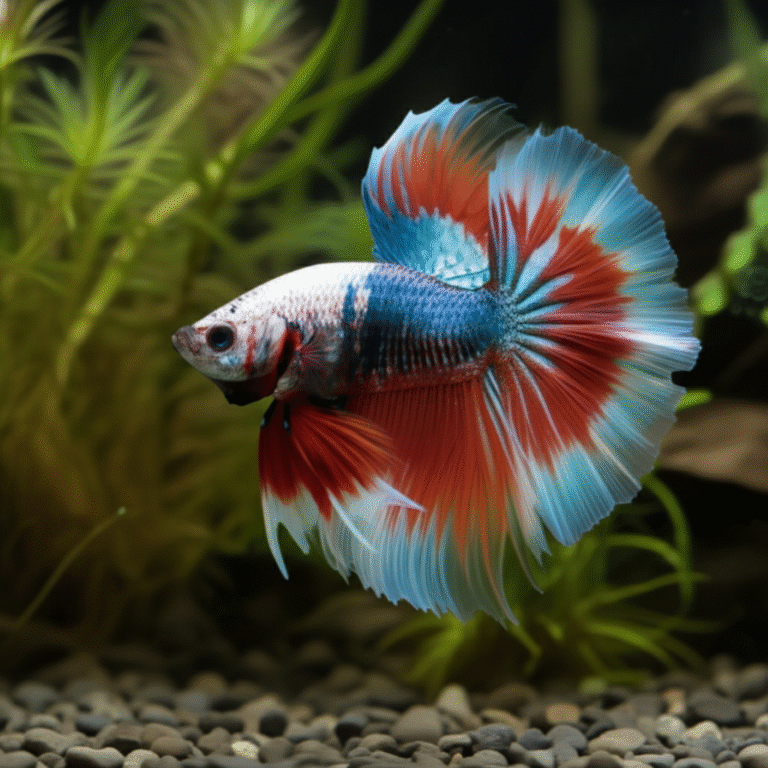
So, what does a “healthy fish” actually look like? It’s more than just “not floating upside down.” A vibrant, healthy fish has clear eyes, full and undamaged fins, and smooth, clean skin. They swim actively (according to their species’ nature), eat eagerly, and breathe at a normal, steady rate. Think of them as tiny, aquatic athletes in peak condition.
At its core, fish health is a delicate balance between the fish, its environment, and potential pathogens. As the experts at NOAA Fisheries state, “Disease is a fact of life in all animal populations and production systems on land in water.” This is a critical point. Pathogens are always present in an aquarium. The problem arises when a fish’s immune system is compromised, giving these opportunistic bugs an opening.
The Fish Immune System and Slime Coat
Your fish’s immune system is a marvel. It has two main parts:
- Innate Immunity: This is the built-in, first-response system. The primary player here is the slime coat. This layer of mucus traps pathogens, contains antibacterial compounds, and helps heal wounds. When you see a fish “flashing” (rubbing against objects), it’s often a sign of irritation, as they try to produce more slime to fight something off.
- Adaptive Immunity: This is the “smarter” part of the immune system that learns to recognize and remember specific pathogens, creating antibodies to fight them off in the future. This is the system that vaccines target.
A fish’s health is a direct reflection of its environment. Stress from poor water quality, improper temperature, or bullying tank mates releases cortisol, a hormone that suppresses the immune system, leaving the fish wide open to attack. For a deeper look into the specific needs of your finned friends, our Fish Care and Species Profiles are an invaluable resource.
🦠 Common Fish Diseases: Identification and Symptoms
Alright, let’s get into the rogues’ gallery of fish ailments. Knowing what to look for is half the battle. We’ve seen it all here at Aquarium Music™, from simple fin nips to full-blown plagues. Here’s a breakdown of the usual suspects.
| Disease Category | Common Name(s) | Key Symptoms | Common Causes |
|---|---|---|---|
| Parasitic | Ich, White Spot Disease | Tiny white spots, like grains of salt; flashing, clamped fins. | Introduction of infected fish, temperature fluctuations. |
| Parasitic | Velvet, Gold Dust Disease | Fine, gold or yellowish “dust” on the body; rapid breathing. | Poor water quality, stress. |
| Bacterial | Fin/Tail Rot | Frayed, ragged, or decaying fins; may have a white edge. | Poor water quality, injury, bullying. |
| Bacterial | Dropsy (Symptom) | Extreme bloating, scales stick out like a pinecone. | Symptom of internal organ failure, often from bacterial infection. |
| Fungal | Saprolegnia, Cotton Wool | White, cotton-like growths on body, fins, or mouth. | Often a secondary infection on an existing wound or injury. |
| Viral | Lymphocystis | Cauliflower-like, lumpy growths on fins or body. | Stress; often resolves on its own in good conditions. |
1. Bacterial Infections in Aquarium Fish
Bacterial infections are the gangsters of the aquarium world. They’re almost always present, just waiting for a moment of weakness.
- Columnaris: Often mistaken for a fungus due to its fuzzy, saddle-like lesions, this is a fast-moving bacterial infection.
- Fin Rot: This is a classic sign of stress and poor water. The bacteria literally eat away at the fins.
- Dropsy: This isn’t a disease itself, but a symptom of massive internal organ failure, usually from an untreatable bacterial infection. The “pinecone” appearance is caused by fluid buildup. Prognosis is often grim. 😔
2. Parasitic Diseases: Spotting the Unwanted Guests
Parasites are the freeloaders nobody wants. The most infamous is Ichthyophthirius multifiliis, or Ich.
- Ich (White Spot Disease): This is the most common and recognizable parasite. Those white spots are actually cysts where the parasite is multiplying. The key to treatment is understanding its life cycle. The parasite is only vulnerable to medication in its free-swimming stage, not when it’s on the fish or in the substrate. This is why treatment requires patience and persistence.
- Velvet: Caused by the dinoflagellate Oodinium, this looks like a fine gold dust. It’s a killer that affects the gills first, so you might notice rapid breathing before you even see the dust.
3. Fungal Infections: Causes and Prevention
Think of fungus as the ultimate opportunist. It rarely infects a healthy, undamaged fish. Instead, Saprolegnia and other water molds attack areas where the slime coat has been compromised by injury, fighting, or another disease. The tell-tale sign is a white, cottony growth. The best prevention is maintaining a clean tank and minimizing fish-on-fish aggression.
4. Viral Diseases Affecting Freshwater and Marine Fish
Viruses are trickier. They can’t be cured with common medications.
- Lymphocystis: This is the most common viral issue you’ll see. It causes lumpy, benign growths that look like cottage cheese or cauliflower. While unsightly, it’s rarely fatal. The best “treatment” is pristine water and a low-stress environment, which often allows the fish’s immune system to clear the virus on its own over time.
- Spring Viremia of Carp Virus (SVCV): This is a far more serious, reportable disease that has caused massive losses in carp and koi populations, as noted by the USGS. This highlights the critical importance of sourcing fish from reputable dealers to prevent the spread of such devastating illnesses.
🔬 Diagnosing Fish Illness: Tools, Techniques, and Expert Tips
Playing detective is a huge part of being an aquarist. Before you reach for any bottle of “cure-all,” you need to gather clues. Rushing this step is the #1 mistake we see hobbyists make.
Your Diagnostic Toolkit
- Your Eyes (The Best Tool): Observe, observe, observe!
- Behavior: Is the fish hiding? Gasping at the surface? Flashing against decor? Swimming erratically?
- Appearance: Check for spots, torn fins, bloating, discoloration, or fuzzy patches.
- Appetite: Is the fish eating? Spitting food out? A fish that refuses food is often a sick fish.
- Water Test Kit (The Non-Negotiable Tool): You cannot see ammonia, nitrite, or high nitrate. Test your water before doing anything else. Often, the “disease” is actually just toxic water. The API Freshwater Master Test Kit is a staple for a reason; it’s reliable and gives you the critical numbers you need.
- A Magnifying Glass: Sometimes, you need a closer look to distinguish between Ich and Velvet, or to inspect a suspicious lesion.
- A Good Camera: Take clear photos and videos. If you need to ask for help online or from us, a picture is worth a thousand words.
The Aquarium Music™ 5-Step Health Check
Follow this process when you suspect a problem:
- Isolate the Issue: Is it one fish, or are multiple fish showing symptoms? One sick fish might be a fluke; a whole tank of sick fish points to a systemic problem, likely water quality.
- Test the Water: Check Ammonia, Nitrite, Nitrate, and pH. Write down the results. Don’t skip this!
- Perform a Visual Exam: Look at the affected fish closely. Compare its symptoms to the chart in the previous section.
- Review Recent Changes: Did you add a new fish? Change the food? Miss a water change? The cause is often a recent event.
- Formulate a Plan: Based on your observations and water test results, decide on a course of action. This might be a large water change, starting a specific medication in a hospital tank, or simply observing for another 24 hours.
For complex cases, especially in valuable fish, consulting an aquatic veterinarian who can perform skin scrapes and use a microscope is the gold standard.
💊 Effective Treatments and Medications for Fish Diseases
Welcome to the fish pharmacy! Navigating treatments can be daunting, but with the right knowledge, you can medicate effectively and safely. The golden rule: always treat in a separate hospital/quarantine tank unless you’re dealing with a tank-wide parasite like Ich. Why? Because many medications can destroy your beneficial bacteria, stain your decor, and harm sensitive invertebrates or plants.
1. Antibiotics and Their Proper Use in Aquariums
Antibiotics are powerful tools for treating bacterial infections like fin rot, columnaris, or internal infections. But they must be used judiciously to avoid creating resistant bacteria.
- ✅ Do: Use a broad-spectrum antibiotic when you’re confident it’s a bacterial issue. Follow the dosage instructions to the letter and complete the full course of treatment, even if the fish looks better.
- ❌ Don’t: Randomly dose antibiotics as a “precaution.” This is how superbugs are born.
Top-Tier Antibiotics:
- Seachem KanaPlex: An excellent, broad-spectrum kanamycin-based medication. It’s effective against many gram-negative and some gram-positive bacteria and can be absorbed through the skin, making it great for fish that aren’t eating.
- API FIN & BODY CURE: A combination of doxycycline that’s effective for a range of bacterial ailments.
- Maracyn (Erythromycin): A classic treatment, particularly effective against gram-positive bacteria.
👉 Shop Recommended Antibiotics:
2. Antiparasitic Treatments and Natural Remedies
For uninvited guests like Ich and Velvet, you need a targeted approach.
- Hikari Ich-X: This is our go-to for Ich. It uses a less harsh form of malachite green and is generally safe for most fish. The key is to treat for the full duration recommended to catch the parasite’s entire life cycle.
- Seachem Cupramine: For marine aquariums, copper is the gold standard for killing parasites. However, it is extremely toxic to invertebrates (corals, shrimp, snails) and must be used with a reliable copper test kit. It is NOT for reef tanks.
- Aquarium Salt: The old reliable! A salt bath or increasing the salinity in a hospital tank can be very effective against many external parasites and helps with osmotic regulation, reducing stress on the fish. Use only pure aquarium salt, like API AQUARIUM SALT, not table salt!
3. Using Antifungal Agents Safely
For those fuzzy, cottony patches, you need an antifungal.
- API FUNGUS CURE: This powder contains Victoria Green and Acriflavine and is effective against fungal outbreaks. It will turn your water green, so again, a hospital tank is your best friend.
- Methylene Blue: A classic remedy that has both antifungal and anti-parasitic properties. It’s often used as a bath or dip and is also great for preventing fungal growth on fish eggs.
Remember, the best “medication” is often a large, immediate water change. Never underestimate the healing power of clean water!
🌿 Preventing Fish Diseases: Aquarium Hygiene and Water Quality Management
You’ve heard us say it a dozen times already, and we’ll say it again: An ounce of prevention is worth a pound of cure. A pristine environment is your shield against 90% of fish health problems. This is the core philosophy of our Tank Maintenance program.
The Holy Trinity of Aquarium Hygiene
- Consistent Water Changes: This is non-negotiable. For most tanks, a 25-30% water change every week is the sweet spot. This dilutes nitrates, replenishes essential trace elements, and keeps the environment stable. Use a good water conditioner like Seachem Prime to neutralize chlorine, chloramine, and heavy metals.
- Substrate Vacuuming: When you do a water change, use a gravel vacuum (we love the Python Pro-Clean) to siphon out fish waste, uneaten food, and other detritus from the substrate. This gunk is an ammonia factory waiting to happen.
- Filter Maintenance: Your filter is the life-support system of your tank. Clean it once a month, but NEVER with tap water. Rinse the filter media (sponges, ceramic rings) in the old tank water you just siphoned out. This preserves the colony of beneficial bacteria that powers your nitrogen cycle. Replacing all your filter media at once is a catastrophic mistake that will crash your cycle.
Ideal Water Parameters: A General Guide
| Parameter | Freshwater Community | Cichlid (African Rift Lake) | Saltwater Reef |
|---|---|---|---|
| Temperature | 76-80°F (24-27°C) | 78-82°F (25-28°C) | 75-78°F (24-26°C) |
| Ammonia | 0 ppm | 0 ppm | 0 ppm |
| Nitrite | 0 ppm | 0 ppm | 0 ppm |
| Nitrate | < 20 ppm | < 20 ppm | < 10 ppm |
| pH | 6.8 – 7.8 | 7.8 – 8.6 | 8.1 – 8.4 |
| kH (Alkalinity) | 4-8 dKH | 10-18 dKH | 8-12 dKH |
Note: These are general guidelines. Always research the specific needs of your fish via our Fish Care and Species Profiles.
🍽️ Nutrition and Immune Support: Feeding for Fish Health
You are what you eat, and the same goes for your fish! A cheap, low-quality diet is like feeding your aquatic pets junk food every day. It leads to poor growth, dull colors, and a weak immune system. Investing in premium fish food is one of the best things you can do for their long-term health.
The Buffet of Champions: A Varied Diet
Imagine eating the same dry cereal for every meal, every day. You’d get pretty unhealthy, right? Your fish need variety to get a full spectrum of vitamins, proteins, and fats.
- High-Quality Pellets/Flakes: This should be the staple. Look for foods with whole fish, shrimp, or krill as the first ingredients, not “fish meal” or wheat flour.
- Frozen Foods: A fantastic way to provide variety and high-quality protein. Brine shrimp, mysis shrimp, bloodworms, and daphnia are all excellent choices.
- Live Foods: The ultimate treat, but comes with risks. Only buy from trusted sources to avoid introducing parasites. Culturing your own, like brine shrimp or daphnia, is the safest bet.
- Veggies: For herbivores and omnivores, supplementing with blanched zucchini, spinach, or algae wafers is essential.
Brands We Trust at Aquarium Music™
- New Life Spectrum (NLS): Their foods are famous for high-quality ingredients and contain garlic for immune support. The NLS Thera-A formula is particularly great for stressed or recovering fish.
- Hikari: A Japanese brand with a scientific approach. They offer a huge range of specialized diets for nearly every type of fish imaginable.
- Fluval Bug Bites: A unique formula that uses Black Soldier Fly Larvae as a primary ingredient, mimicking a more natural, insect-based diet for many fish.
👉 Shop Premium Fish Foods:
- New Life Spectrum: Amazon | Chewy | Petco
- Hikari: Amazon | Chewy | Petco
- Fluval Bug Bites: Amazon | Chewy | Petco
🧪 The Role of Probiotics and Paraprobiotics in Fish Disease Prevention
Now we’re getting into the cutting-edge of fish health! You’ve probably heard about probiotics for humans, but they’re a game-changer for fish, too. A groundbreaking article from Frontiers in Marine Science highlights just how important this field is becoming, especially as the aquaculture industry moves away from antibiotics.
So, what’s the deal with these “good bacteria”?
- Probiotics: These are live beneficial microorganisms. When added to a fish’s diet, they colonize the gut and help in several ways:
- Improve Digestion: They produce enzymes that help break down food more efficiently.
- Competitive Exclusion: They out-compete pathogenic (bad) bacteria for space and resources in the gut.
- Boost Immunity: They stimulate the fish’s natural immune responses.
- Paraprobiotics (Ghost Probiotics): These are non-viable or dead microbial cells. This might sound useless, but it’s not! As the Frontiers article notes, “Unlike live probiotics, paraprobiotics do not pose the same risks associated with live bacteria, such as the potential for gene transfer or environmental persistence.” They still contain cellular components that can trigger a positive immune response in the host fish, making them a safer but still effective option.
The research is clear: “Paraprobiotics are beneficial to the host because they increase the host’s resistance to pathogenic infections.” By modulating the gut microbiome and strengthening the immune system, both probiotics and paraprobiotics act as a powerful preventative tool.
Many high-end foods, such as some formulas from New Life Spectrum, already include probiotic strains. This is a simple way to incorporate this modern approach to fish health into your daily routine.
⚙️ Quarantine Procedures: Your First Line of Defense
We’re going to be blunt: If you don’t quarantine new fish, you will eventually introduce a disease into your main tank. It’s not a matter of if, but when. A quarantine tank (QT) is the single most important piece of Aquarium Equipment you can own besides the main tank itself.
A personal story from our lead aquarist, Jake: “I got cocky. I’d been in the hobby for 15 years and thought I could spot a sick fish. I bought a beautiful, healthy-looking Powder Blue Tang for my 180-gallon reef. I skipped quarantine because I was impatient. Three days later, it was covered in Marine Ich. A week after that, my entire display tank was infected. It took two months of catching every fish, running a separate hospital tank, and letting my main tank go fallow (fishless) to eradicate it. I lost two beloved, long-time fish residents in the process. Never again.”
How to Set Up a Quarantine Tank
Setting up a QT is simple and doesn’t need to be expensive. Our guide to Aquarium Setup has more details, but here are the basics:
- The Tank: A simple 10 or 20-gallon bare-bottom glass tank is perfect for most fish. No substrate makes it easy to clean and observe the fish.
- Filtration: A simple sponge filter or a small hang-on-back filter is all you need. The key is to have it “seeded” with beneficial bacteria from your main tank’s filter or sump.
- Heater: An appropriately sized, reliable heater is a must.
- Cover: A tight-fitting lid is crucial, as stressed fish are prone to jumping.
- Hiding Places: A few PVC pipe fittings or simple plastic decor give the fish a place to feel secure, reducing stress.
The QT Protocol:
- Set up the QT and match the temperature and pH to the water from the fish store bag.
- Acclimate the new fish to the QT water.
- Keep the fish in quarantine for a minimum of 4 weeks.
- Observe daily for any signs of illness.
- If a disease appears, you can treat it easily and safely in the QT without nuking your display tank.
- If after 4-6 weeks the fish is still healthy and eating well, it’s safe to move it to its permanent home. ✅
🔄 Stress and Its Impact on Fish Immunity and Disease Susceptibility
Stress is the silent killer in an aquarium. A stressed fish is a ticking time bomb for disease. When a fish experiences stress—from poor water, bullying, or improper environment—its body releases cortisol. This hormone, while useful for short-term “fight or flight” responses, is devastating over the long term. Chronic cortisol exposure suppresses the immune system, making the fish incredibly vulnerable to the pathogens that are already hanging around in the water.
Top 5 Aquarium Stressors and How to Fix Them
- Poor Water Quality (The #1 Culprit):
- Problem: Detectable ammonia or nitrite; high nitrates.
- Solution: Regular water changes, proper filtration, and not overstocking. Test your water weekly!
- Incompatible Tank Mates:
- Problem: A peaceful Gourami being relentlessly chased by a Tiger Barb; a slow-moving Angelfish being outcompeted for food by faster fish.
- Solution: Research, research, research! Use our Fish Care and Species Profiles to ensure all your tank’s inhabitants are compatible in temperament, size, and water parameter needs.
- Overcrowding:
- Problem: Too many fish in too small a space. This leads to poor water quality and territorial disputes.
- Solution: Follow the “one inch of fish per gallon” rule as a very loose starting point, but always research the adult size and bioload of your chosen species. When in doubt, understock.
- Improper Habitat:
- Problem: A bottom-dwelling Corydora on sharp, jagged substrate; a shy Apistogramma in a bare tank with no hiding spots; a riverine fish in a tank with no water movement.
- Solution: Aquascape for your fish’s needs! Provide caves, plants (live or artificial), and appropriate substrate. Our Aquascaping and Aquatic Plants section can give you tons of ideas.
- Incorrect Diet or Feeding Method:
- Problem: Feeding only flakes to a bottom-feeder who never gets any; feeding a herbivore a high-protein diet.
- Solution: Know what your fish eats and how it eats. Use sinking pellets for bottom dwellers, and ensure herbivores get their greens.
Reducing stress is proactive healthcare. A calm, happy fish is a healthy fish.
📈 Monitoring and Record Keeping: Tracking Fish Health Over Time
Want to level up your fish-keeping skills? Start an aquarium journal. It might sound nerdy, but trust us, it’s a lifesaver. When something goes wrong, having a detailed log of your tank’s history can help you or an expert pinpoint the problem in minutes instead of days.
What to Log in Your Aquarium Journal
You can use a simple notebook, a spreadsheet, or a dedicated app. The medium doesn’t matter, but the data does.
- Date: The date of every entry.
- Water Parameters: Log your test results for pH, ammonia, nitrite, and nitrate every time you test.
- Maintenance: Note the date and amount of every water change, filter cleaning, or other maintenance.
- Additions: Record when you add any new fish, plants, or inverts. Note where you got them and how long they were quarantined.
- Feeding: What did you feed and how much? Did everyone eat?
- Observations: This is the most important part. Note any unusual behavior (hiding, flashing, gasping), physical changes (spots, torn fins), or changes in the tank’s appearance (algae bloom, cloudy water).
- Treatments: If you have to medicate, log the medication used, the dosage, and the start and end dates of the treatment.
When a problem arises, you won’t have to rely on memory. You can look back and say, “Aha! The problems started three days after I added that new driftwood,” or “My nitrates have been slowly creeping up for the past month.” This data is invaluable for effective troubleshooting.
💡 Innovative Technologies and Advances in Aquatic Disease Management
The aquarium hobby is constantly evolving, and technology is providing us with amazing new tools to keep our fish healthy. While the fundamentals of clean water and good husbandry will always be paramount, these innovations are changing the game.
- UV Sterilizers: These devices plumb into your filtration system and zap free-floating algae, bacteria, and parasites (like the free-swimming stage of Ich) with ultraviolet light. A UV sterilizer won’t cure a sick fish, but it can dramatically reduce the pathogen load in the water column, helping to prevent outbreaks. Brands like Aqua Ultraviolet and Coralife are popular choices.
- eDNA Testing: Environmental DNA (eDNA) is a cutting-edge technology where a water sample can be analyzed for the genetic material of organisms living in it. In the future, this could allow us to test for the presence of specific disease-causing pathogens in our tanks before our fish even show symptoms!
- Advanced Vaccines: As mentioned in the NOAA report, vaccine development is a major focus in commercial aquaculture. While not yet common for hobbyists, the research into stimulating fish immune systems could trickle down to the home aquarium market in the future.
- Probiogenomics: This is the next frontier. As the Frontiers article explains, “As probiogenomics continues to advance, it promises to revolutionize aquaculture research by enabling next-generation probiotics with enhanced specificity and efficacy.” This means developing custom-tailored probiotic solutions to target specific health challenges in fish.
👉 Shop UV Sterilizers:
- Aqua Ultraviolet: Amazon | Bulk Reef Supply | Aqua Ultraviolet Official Website
- Coralife Turbo-Twist: Amazon | Chewy | Petco
🛠️ DIY Remedies vs. Professional Veterinary Care: When to Call the Experts
One of the biggest questions we get is, “Can I treat this myself, or do I need a vet?” It’s a great question, and the answer depends on the situation and your comfort level.
The Power of DIY (When It’s Appropriate)
For many common issues, a well-informed hobbyist can be very effective.
- ✅ Aquarium Salt: A fantastic first line of defense for mild external parasites, fungal issues, and stress reduction. A salt bath or a low-level dose in a hospital tank is a safe and effective tool.
- ✅ Temperature Increase: For treating Ich, slowly raising the tank temperature to 82-86°F (28-30°C) (for fish that can tolerate it!) can speed up the parasite’s life cycle, making medication more effective.
- ✅ Over-the-Counter Medications: For clearly identifiable diseases like Ich or Fin Rot, using a trusted medication like Ich-X or KanaPlex according to the directions is a standard and effective practice.
When to Call the Aquatic Vet 👩⚕️
Sometimes, you’re out of your depth, and that’s okay! Admitting you need help is a sign of a responsible pet owner.
- ❌ When you have no idea what’s wrong. If the symptoms are vague and don’t match any common disease, a vet’s diagnostic tools (like a microscope) are invaluable.
- ❌ When treatments aren’t working. If you’ve correctly identified and treated an illness but the fish isn’t improving, there may be a secondary infection or an underlying issue that requires a professional diagnosis.
- ❌ For valuable or beloved fish. If you have a fish that is particularly expensive or has deep sentimental value, don’t risk it. Get a professional opinion.
- ❌ When prescription medications are needed. Some powerful antibiotics or treatments are only available through a licensed veterinarian.
To find a qualified fish vet near you, the American Association of Fish Veterinarians (WAVMA) has a fantastic “Find a Fish Vet” tool on their website.
🎯 Case Studies: Real-Life Fish Health Challenges and Solutions
Theory is great, but stories stick. Here are a few real-life cases from the Aquarium Music™ team that show these principles in action.
Case Study #1: The Lethargic Betta
- The Problem: A customer brought in a photo of their Betta, “Fin Diesel.” He was laying on the bottom of his 5-gallon tank, his color was dull, and he wasn’t eating. The water parameters were perfect (0/0/10).
- The Investigation: We asked about the setup. The tank was filtered, but when we asked about the heater, the customer said, “Oh, I don’t have one. My house stays pretty warm.” We asked for the room temperature—it was 68°F.
- The Diagnosis: Bettas are tropical fish that need water between 78-80°F. Fin Diesel wasn’t sick with a disease; he was suffering from hypothermia! His metabolism had slowed to a crawl in the cold water.
- The Solution: The customer bought a small, adjustable heater (like a Fluval Submersible Heater). Within 24 hours of the water reaching 78°F, Fin Diesel was swimming actively, his colors brightened, and he was eagerly eating again. Lesson: Always research and provide the correct temperature for your species.
Case Study #2: The Ich-pocalypse
- The Problem: A hobbyist with a 75-gallon African Cichlid tank called in a panic. A week after adding three new Peacocks (without quarantine), his entire tank was peppered with the white spots of Ich.
- The Investigation: The diagnosis was obvious. The new fish brought the parasite with them.
- The Solution: This required a multi-pronged attack.
- We had him slowly raise the tank temperature to 82°F to speed up the Ich life cycle.
- He started treatment with Hikari Ich-X, dosing according to the instructions.
- He performed a 25% water change with gravel vacuuming every other day before adding the new dose of medication. This helped remove free-swimming parasites from the water column.
- He continued treatment for a full three days after the last spot was seen to ensure all life stages were eradicated.
- It took about 10 days, but the tank made a full recovery with no losses. Lesson: Quarantine would have prevented this entire ordeal.
🔗 Recommended Links for Fish Health Resources and Supplies
Navigating the world of fish health requires good information and reliable suppliers. Here is our curated list of resources we trust and use ourselves.
Forums & Communities (For Asking Questions):
- Humble.Fish: An outstanding resource, especially for marine fish disease and quarantine protocols.
- Reef2Reef: The go-to community for everything related to saltwater and reef aquariums.
- Aquarium Co-Op Forum: A friendly and helpful community for freshwater aquarists of all levels.
Trusted Online Retailers (For Supplies & Meds):
- Chewy: Great selection of food, supplies, and common medications with fast shipping.
- Bulk Reef Supply: A top-tier supplier for high-quality saltwater equipment and supplies.
- Marine Depot: Another excellent source for all things saltwater.
- Aquarium Co-Op: A fantastic source for healthy aquatic plants, quality equipment, and their own line of trusted products.
Authoritative Information & Diagnosis:
- The Merck Veterinary Manual – Aquarium Fish: An incredibly detailed and professional resource for diagnosing fish diseases.
- WAVMA – World Aquatic Veterinary Medical Association: The official site for aquatic vets, with great resources and a vet locator.
❓ Frequently Asked Questions (FAQ) About Fish Health and Disease

We get these questions all the time. Here are the quick and dirty answers to your most pressing fish health queries.
1. How can I tell if my fish is sick?
Look for changes from the norm. Common signs include hiding, lethargy, clamped fins, gasping at the surface, rubbing on objects (“flashing”), refusing food, frayed fins, bloating, or any visible spots, lesions, or growths on the body.
2. What is the most common fish disease?
Hands down, it’s Ich (White Spot Disease). It’s easily identifiable and highly contagious, making it the most common ailment freshwater aquarists face, usually after introducing new, un-quarantined fish.
3. Can I use human medicine on my fish?
NO! Absolutely not. ❌ The dosages are impossible to calculate correctly, and many binders and fillers in human medications are toxic to fish. Only use medications specifically designed for aquarium use.
4. How often should I test my water?
For a new tank that is cycling, test every 1-2 days. For an established, stable tank, testing once a week before your water change is a great habit to maintain.
5. Does aquarium salt cure everything?
No. Aquarium salt is a fantastic tool for treating many external parasites (like Ich in its early stages), mild fungal/bacterial issues, and reducing osmotic stress. However, it will not cure severe internal bacterial infections, viral diseases, or advanced parasitic infestations. It’s a great first step, but not a cure-all.
6. Why did my fish die for no reason?
There is always a reason. The most common “mystery” deaths are caused by stress or poor water quality—specifically, ammonia or nitrite poisoning, which are invisible. This is why regular water testing is so critical. Other causes can be internal parasites or genetic issues that show no outward signs.
📚 Reference Links and Further Reading
For those who want to dive even deeper, these are the primary sources and academic papers that inform our expert advice.
- NOAA Fisheries – Aquaculture and Fish Health: An overview of disease management in commercial aquaculture, with principles that apply to the home aquarium. https://www.fisheries.noaa.gov/national/aquaculture/aquaculture-fish-health
- U.S. Geological Survey (USGS) – Fish Health and Disease Research: A look at the scientific research being done on specific fish pathogens and environmental impacts. https://www.usgs.gov/centers/western-fisheries-research-center/science/science-topics/fish-health-and-disease
- Frontiers in Marine Science – Probiotics and Paraprobiotics in Aquaculture: A comprehensive review of the use of beneficial bacteria to promote fish health and prevent disease. https://www.frontiersin.org/journals/marine-science/articles/10.3389/fmars.2024.1499228/full
- Noga, Edward J. Fish Disease: Diagnosis and Treatment. 2nd ed., Wiley-Blackwell, 2010. – This is considered the bible of fish disease by veterinarians and professional aquarists.
- The Merck Veterinary Manual – Introduction to Fish Health: A reliable and accessible online resource for veterinarians and hobbyists. https://www.merckvetmanual.com/all-other-pets/fish/introduction-to-fish
🏁 Conclusion: Keeping Your Fish Happy and Healthy
Well, we’ve swum through a sea of knowledge together, haven’t we? From the microscopic battles on your fish’s slime coat to the latest probiotic breakthroughs, fish health is a symphony of biology, environment, and care. The key takeaway? Prevention beats cure every time. A well-maintained tank with stable water parameters, proper nutrition, and quarantine protocols is your fortress against disease.
Remember our cautionary tale about the Powder Blue Tang? That story underscores the importance of patience and preparation. Skipping quarantine or ignoring temperature needs can turn your aquatic paradise into a battleground. But with vigilance, observation, and the right tools, you can keep your finned friends thriving.
We also explored the exciting world of probiotics and paraprobiotics — nature’s microscopic allies that boost immunity and help maintain a healthy gut flora. As aquaculture science advances, these friendly microbes are becoming essential players in sustainable fish health management, reducing reliance on antibiotics and harsh chemicals.
Whether you’re battling Ich, fin rot, or just want to keep your fish in tip-top shape, the Aquarium Music™ team encourages you to embrace a holistic approach: clean water, balanced diet, stress reduction, and smart quarantine. And when in doubt, don’t hesitate to seek expert advice — your fish’s health is worth it.
Dive into this journey with curiosity and care, and your aquarium will reward you with vibrant, lively aquatic life that’s music to your eyes and soul. 🎶🐠
🔗 Recommended Links for Fish Health Resources and Supplies
Ready to gear up your fish health toolkit? Here are the Aquarium Music™ top picks for products and resources that we trust and recommend:
-
Seachem KanaPlex Antibiotic:
Amazon | Chewy | Bulk Reef Supply | Seachem Official Website -
API FIN & BODY CURE:
Amazon | Chewy | Petco | API Fishcare -
Hikari Ich-X:
Amazon | Chewy | Hikari USA -
API Aquarium Salt:
Amazon | Chewy | API Fishcare -
New Life Spectrum Fish Food:
Amazon | Chewy | New Life Spectrum Official -
Fluval Submersible Heater:
Amazon | Chewy | Fluval Official -
Aqua Ultraviolet UV Sterilizer:
Amazon | Bulk Reef Supply | Aqua Ultraviolet Official -
Merck Veterinary Manual – Fish Diseases:
Merck Vet Manual -
Books:
Fish Disease: Diagnosis and Treatment by Edward J. Noga — Amazon Link
The Simple Guide to Freshwater Aquariums by David E. Boruchowitz — Amazon Link
❓ Frequently Asked Questions (FAQ) About Fish Health and Disease
What are the most common diseases that affect aquarium fish and how can they be prevented?
The most common diseases include Ich (White Spot Disease), Fin Rot, Velvet, and Fungal infections. Prevention hinges on quarantine of new fish, maintaining excellent water quality, reducing stress, and providing balanced nutrition. Regular observation and prompt isolation of sick fish also help prevent outbreaks.
How can I diagnose and treat fin rot in my fish, and what are the causes of this disease?
Fin rot manifests as frayed or ragged fins, often with a white edge. It is primarily caused by bacterial infections, usually secondary to stress, injury, or poor water quality. Diagnosis involves visual inspection and water testing. Treatment includes improving water conditions, adding aquarium salt, and using targeted antibiotics like Seachem KanaPlex or API Fin & Body Cure in a quarantine tank.
What are the signs of stress in fish, and how can I create a stress-free environment for my aquatic pets?
Signs of stress include clamped fins, loss of appetite, erratic swimming, hiding, and color fading. To reduce stress, maintain stable water parameters, avoid overcrowding, provide adequate hiding places, ensure compatible tank mates, and feed a varied, nutritious diet.
Can fish recover from diseases, and what are the best treatments for common fish ailments?
Yes, many fish recover if the disease is caught early and treated properly. Treatments vary by disease but often include medications specific to the pathogen (antiparasitic, antibacterial, antifungal), water quality improvements, and stress reduction. Quarantine tanks are essential for safe treatment.
How often should I test the water quality in my aquarium to prevent disease outbreaks in my fish?
For established tanks, weekly testing of ammonia, nitrite, nitrate, and pH is recommended. New or unstable tanks require more frequent testing (every 1-2 days). Consistent testing helps catch harmful changes before they stress fish and invite disease.
What are the best practices for quarantine and isolation of sick fish to prevent the spread of disease to healthy fish?
New fish should be quarantined for 4-6 weeks in a separate tank with stable conditions. Sick fish must be isolated immediately to prevent transmission. Use dedicated equipment for quarantine tanks, and treat diseases there to avoid contaminating the main display.
How can I boost the immune system of my fish to prevent disease, and what role does nutrition play in fish health?
Boost immunity by feeding high-quality, varied diets rich in proteins, vitamins, and minerals. Probiotics and paraprobiotics (found in some premium foods like New Life Spectrum) enhance gut health and immune responses. Maintaining low-stress environments and clean water also supports immune function.
What role do probiotics and paraprobiotics play in fish health, and are they safe to use?
Probiotics are live beneficial bacteria that improve digestion, outcompete pathogens, and stimulate immunity. Paraprobiotics are non-viable microbial cells that also boost immunity without risks associated with live bacteria. Both are safe and increasingly used in aquaculture and hobbyist feeds to reduce disease and improve growth.
📚 Reference Links and Further Reading
- NOAA Fisheries – Aquaculture Fish Health: https://www.fisheries.noaa.gov/national/aquaculture/aquaculture-fish-health
- U.S. Geological Survey – Fish Health and Disease: https://www.usgs.gov/centers/western-fisheries-research-center/science/science-topics/fish-health-and-disease
- Frontiers in Marine Science – Probiotics and Paraprobiotics in Aquaculture: https://www.frontiersin.org/journals/marine-science/articles/10.3389/fmars.2024.1499228/full
- Seachem Official Website: https://www.seachem.com/
- API Fishcare: https://apifishcare.com/
- Hikari USA: https://www.hikariusa.com/
- New Life Spectrum Official: https://www.feedspectrum.com/
- Merck Veterinary Manual – Fish Diseases: https://www.merckvetmanual.com/all-other-pets/fish
- American Association of Fish Veterinarians (WAVMA): https://www.wavma.org/
Thanks for swimming with us through this comprehensive guide on fish health and disease! Keep your tanks clean, your fish well-fed, and your eyes sharp — and your aquatic symphony will play on beautifully. 🎶🐠