Support our educational content for free when you purchase through links on our site. Learn more
🌊 Inside the Aquarium Trade and Industry: 12 Secrets You Must Know (2025)

Have you ever wondered what really goes on behind the shimmering glass of your aquarium? The aquarium trade and industry is a vast, multi-billion-dollar world filled with dazzling marine life, passionate hobbyists, and complex supply chains that span the globe. From the vibrant reefs of Indonesia to your living room fish tank, this industry is as fascinating as it is fraught with challenges—environmental, ethical, and economic.
In this article, we’ll dive deep into the history, economic impact, and logistics of the aquarium trade. You’ll discover the hidden truths about wild-caught versus captive-bred species, the high-stakes journey your fish endure, and the cutting-edge technologies shaping the future of aquatics. Curious about how you can become a responsible hobbyist and help protect our oceans? Stick around—we’ll share expert advice and reveal how your choices ripple far beyond your tank.
Key Takeaways
- The aquarium trade is a $15–30 billion global industry, supporting millions of livelihoods but facing significant sustainability challenges.
- Captive-bred fish and corals are the future, offering healthier livestock and reducing pressure on wild populations.
- High mortality rates during transport and collection remain a critical issue, but advances in technology and better practices are improving survival.
- Ethical sourcing and transparency are essential—hobbyists can drive change by choosing responsible retailers and quarantining new arrivals.
- Innovations like smart controllers and LED lighting are revolutionizing aquarium care, making it easier and more sustainable than ever.
Ready to upgrade your setup or start your responsible aquatic journey? Check out these essentials:
- All-in-One Aquariums: Amazon | Bulk Reef Supply
- LED Aquarium Lighting: Amazon | EcoTech Marine
- Canister Filters: Amazon | Fluval
Dive in with us and make waves for a sustainable aquatic future!
Table of Contents
- ⚡️ Quick Tips and Facts: Navigating the Aquatic World
- 🌊 The Deep Dive: A Historical Journey of the Aquarium Trade
- 💰 The Global Goldfish Bowl: Economic Impact of the Aquarium Industry
- 🐠 From Ocean to Home: Understanding the Aquarium Supply Chain
- 🌿 Beyond the Fish: Popular Aquatic Life and Plant Species
- 🛠️ The Aquarist’s Arsenal: Essential Equipment and Supplies
- ⚖️ Navigating Troubled Waters: Challenges and Controversies in the Trade
- 🌱 Cultivating a Better Future: Sustainability and Conservation Efforts
- 💡 Innovation Under the Surface: Technological Advancements in Aquatics
- 🔮 Crystal Ball Gazing: Future Trends in the Aquarium Hobby and Industry
- 🤔 What Do Hobbyists Really Want? Consumer Insights and Common Pitfalls
- ✅ Our Expert Advice: Becoming a Responsible and Thriving Aquarist
- Conclusion: Making Waves for a Sustainable Aquatic Future
- Recommended Links: Dive Deeper!
- FAQ: Your Burning Aquarium Trade Questions Answered
- Reference Links: Our Sources and Further Reading
Here is the main body of the article, from the “Quick Tips and Facts” section to the section before “Conclusion”.
⚡️ Quick Tips and Facts: Navigating the Aquatic World
Welcome, fellow water-worshippers! Before we plunge into the deep end of the aquarium trade and industry, let’s skim the surface with some eye-opening facts. Think of this as your appetizer before the main course.
- A Billion-Dollar Splash: The global ornamental fish industry is a behemoth, with estimates ranging from $15 to $30 billion annually. The marine aquarium trade alone has a retail value of around $2.15 billion. That’s a lot of clams! 🐚
- We Are Legion: There are an estimated 6.7 million marine hobbyists worldwide, and that number is projected to swell to a staggering 45 million by 2100. You’re part of a massive, growing community!
- Fresh vs. Salt: An overwhelming majority—around 90%—of tropical freshwater species in the trade are captive-bred. For marine species, the story is flipped, with most still being wild-caught, though aquaculture is making huge strides.
- The Price of Beauty: An ornamental fish is valued far more than a food fish. The average price for a marine aquarium fish is about $148 per kilogram, while tuna for consumption fetches a mere $3 per kg.
- The Hard Truth: Mortality is a significant issue. In 2020, nearly 360,000 live ornamental fish imported into the UK from outside the EU were dead on arrival. This highlights the immense challenges of the global supply chain.
- Top Trade Hubs: The Indo-Pacific region, particularly Indonesia and the Philippines, is the epicenter of the marine aquarium trade, supplying a vast number of species to the world.
🌊 The Deep Dive: A Historical Journey of the Aquarium Trade
Ever wonder how we got from keeping a single goldfish in a bowl to curating entire coral reef ecosystems in our living rooms? The journey is as fascinating as the creatures themselves.
Humans have been keeping fish for millennia, from the ancient Egyptians and Romans who kept fish in ponds for food and ornamentation, to the Chinese Song Dynasty who perfected the art of breeding goldfish. But the modern aquarium hobby? That’s a more recent tale.
It truly began with the Victorians in the mid-19th century. Their obsession with natural history, combined with the invention of the Wardian case for transporting plants, sparked an idea. In 1850, chemist Robert Warington created a stable, balanced aquarium, proving that plants could produce enough oxygen to support animals. This discovery, popularized by naturalist Philip Henry Gosse (who actually coined the term “aquarium”), kicked off the first “aquarium craze.”
The real game-changer, however, was air travel. Post-WWII, the ability to fly live animals around the globe in hours instead of weeks blew the doors wide open. Suddenly, exotic species from the Amazon River and the coral reefs of the Pacific were accessible to hobbyists in Europe and North America. This transformed a niche pastime into the global, multi-billion dollar industry we know today. From simple glass boxes to the high-tech fish tank systems we design at Aquarium Music™, the evolution has been nothing short of spectacular.
💰 The Global Goldfish Bowl: Economic Impact of the Aquarium Industry
Let’s talk money. The aquarium industry isn’t just a hobby; it’s a powerful economic engine that provides livelihoods for hundreds of thousands of people worldwide, from collectors in coastal villages to the staff at your local fish store.
As noted by researchers and reported by ScienceDaily, the marine trade’s retail value is comparable to that of some major fisheries. This value chain includes:
- Collectors/Fishers: Often in developing nations, where the trade provides a vital source of income.
- Exporters: Facilities that consolidate, hold, and ship livestock internationally.
- Importers/Wholesalers: Large-scale operations that receive international shipments and distribute them to retailers.
- Retailers: Your local fish store or online vendor.
- Equipment Manufacturers: The companies making the tanks, filters, lights, and pumps. Think brands like Fluval, EcoTech Marine, and Seachem.
- Aquaculture Facilities: Farms dedicated to breeding fish and propagating corals.
This intricate web supports jobs, drives innovation, and, in some cases, can even provide economic incentives for conservation. When a coral reef is more valuable as a sustainable source of aquarium fish than as rubble for construction, it creates a powerful argument for its protection.
🐠 From Ocean to Home: Understanding the Aquarium Supply Chain
So, how does that stunning Yellow Tang or vibrant Betta make its way to your tank? It’s a long and complex journey, often fraught with peril. Understanding this supply chain is the first step to becoming a responsible aquarist.
1. Wild-Caught Wonders vs. Captive-Bred Champions
This is one of the biggest debates in the hobby. Both sources have their pros and cons, and the best choice often depends on the specific species.
| Feature | ✅ Wild-Caught (WC) | ❌ Captive-Bred (CB) / Aquaculture (AQ) |
|---|---|---|
| Genetics | Strong, diverse gene pool. This is nature’s best! | Can have weaker genetics due to inbreeding if not managed well. |
| Coloration | Often more vibrant and “natural” coloration. | Colors can sometimes be less intense, though selective breeding can create unique morphs. |
| Hardiness | Can be less hardy due to the stress of capture and transport. More susceptible to disease. | Generally hardier and better adapted to aquarium life. Already accustomed to prepared foods. |
| Sustainability | Can lead to over-collection and habitat damage if not managed sustainably. | The most sustainable option! Reduces pressure on wild populations. |
| Pests/Disease | Higher risk of carrying parasites and diseases from the wild. | Lower risk of pests and diseases. Often raised in sterile environments. |
| Availability | Subject to seasons, weather, and collection quotas. | Consistent and reliable availability. |
| Ethical Concerns | Collection methods (like cyanide fishing, though less common now) and high mortality rates are major concerns. | Intensive breeding can involve hormones and antibiotics, raising different ethical questions. |
Here at Aquarium Music™, we lean heavily towards captive-bred whenever possible. The benefits of a hardier, pre-acclimated fish that doesn’t put pressure on wild reefs are just too good to ignore. For a deeper dive into specific species, check out our Fish Care and Species Profiles.
2. The Journey: Collection, Wholesalers, and Retailers
The path is a multi-step relay race:
- Collection: A fisher in a place like the Philippines or Indonesia carefully catches the fish, often using a small hand net.
- Local Holding Station: The fish is taken to a local station, where it’s held for a short period before being sent to a larger export facility.
- Exporter: At the export facility, fish are consolidated, acclimated, and prepared for international air travel. This is a critical, high-stress point.
- Importer/Wholesaler: The fish lands in a country like the US or UK and is taken to a large wholesale facility. Here, it’s unboxed, acclimated again, and held until it’s sold to a retail store.
- Retailer: Your local fish store receives the fish, acclimates it to their systems, and puts it up for sale.
One of the biggest problems, as highlighted in The Revelator, is that traceability is often “nonexistent.” Your local store might not know exactly where a fish came from or how it was collected. This lack of transparency makes it hard for consumers to make informed choices.
3. Transporting Treasures: Logistics and Acclimation
Flying water and fish around the world is, as one trade veteran put it, “ridiculous… in the climate crisis.” Fish are packed in plastic bags with just enough water, a dose of pure oxygen, and sometimes a mild sedative. They’re placed in insulated styrofoam boxes and flown as cargo.
This is the most dangerous part of the journey. Stress, temperature fluctuations, and poor water quality can lead to high mortality. As we saw, the numbers can be grim. So, how can we, as hobbyists, help ensure these creatures have the best chance? The answer lies in what happens after the journey, which we’ll explore in a bit.
🌿 Beyond the Fish: Popular Aquatic Life and Plant Species
The trade isn’t just about fish! A thriving aquarium is a complete ecosystem.
- Invertebrates: The cleanup crew! Snails like the Nassarius and Cerith, shrimp like the Amano and Cherry Shrimp, and crabs like the Emerald Mithrax and Scarlet Reef Hermit are essential and fascinating in their own right.
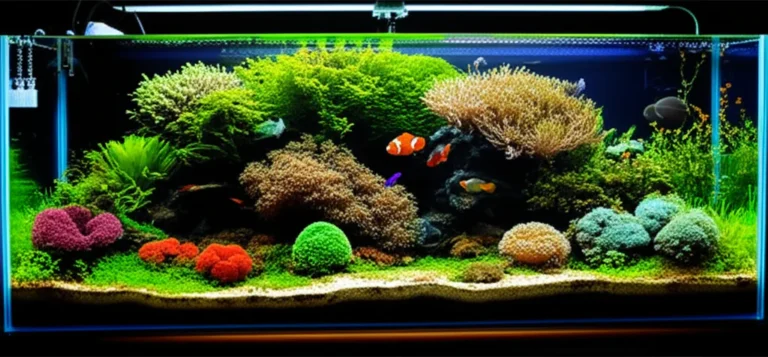
- Corals: The jewels of the marine world. They are broadly categorized into Soft Corals (like Zoanthids and Mushrooms), Large Polyp Stony (LPS) corals (like Hammer and Torch corals), and Small Polyp Stony (SPS) corals (like Acropora and Montipora). Coral propagation (fragging) is a huge part of the hobby’s sustainability push.
- Aquatic Plants: For freshwater tanks, plants are key to a healthy, beautiful setup. Hardy beginner plants like Anubias Nana, Java Fern, and Cryptocoryne wendtii are staples. For the more advanced aquascaper, demanding stem plants and carpeting plants create breathtaking underwater landscapes. Dive into our Aquascaping and Aquatic Plants section for more inspiration.
🛠️ The Aquarist’s Arsenal: Essential Equipment and Supplies
Having the right gear is non-negotiable. A successful aquarium is a life support system, and cutting corners here is a recipe for disaster. This is where you can truly set yourself up for success. For a full guide, see our Aquarium Setup page.
Key Equipment Categories:
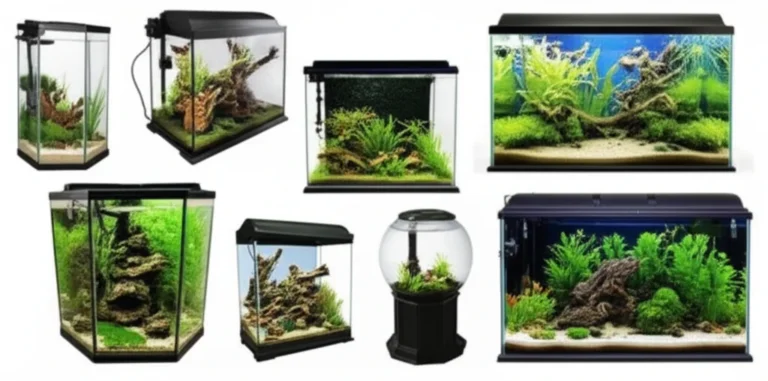
- The Tank: Glass or acrylic, standard or rimless. Brands like Waterbox Aquariums and Red Sea offer stunning all-in-one systems.
- Filtration: The heart of your system. Canister filters (Fluval FX series, Eheim Classic), hang-on-back filters (AquaClear, Tidal), and sumps (for larger/reef tanks) are the main types.
- Lighting: Crucial for photosynthesis in plants and corals. LED is king now, with programmable options from Kessil, AI (AquaIllumination), and Radion (EcoTech Marine).
- Heating & Cooling: A stable temperature is vital. Eheim Jager and Cobalt Aquatics Neo-Therm are reliable heaters. Chillers may be needed for reef tanks in warm climates.
- Water Movement: Powerheads or wavemakers like the Ecotech Marine VorTech or Sicce XStream prevent dead spots and deliver nutrients.
- Testing & Dosing: You can’t manage what you don’t measure! Test kits from API, Salifert, and Hanna Instruments are essential. Dosing pumps automate the addition of supplements.
👉 Shop Essential Aquarium Gear on:
- All-in-One Aquariums: Amazon | Bulk Reef Supply | Marine Depot
- Canister Filters: Amazon | Chewy | Petco
- LED Lighting: Amazon | Bulk Reef Supply | Marine Depot
⚖️ Navigating Troubled Waters: Challenges and Controversies in the Trade
Okay, let’s get real. The aquarium industry has a dark side, and ignoring it does a disservice to the animals we love. As the article from Packedhead.net wisely points out, the industry needs to lead in addressing its own issues.
Environmental Ripples: Over-Collection and Habitat Impact
The biggest fear is that we are loving our reefs to death. While destructive practices like cyanide fishing have been significantly reduced thanks to industry and government efforts, they haven’t been eliminated. The primary concern now is over-collection. Certain species, like the Banggai Cardinalfish, have been pushed to the brink. Without proper data and management, we risk depleting wild stocks of the most popular species.
Ethical Echoes: Animal Welfare and Mortality Rates
This is the elephant in the room. The stress of capture, holding, and transport leads to shockingly high mortality rates. As The Revelator’s investigation found, global supply chain mortality can range from 2% to a horrifying 73%. Even a “good” post-import mortality rate of 3-10% in retail stores means thousands of animals are perishing. This is an unacceptable loss of life and a clear signal that the system needs improvement, from collection techniques to transport logistics and in-store Tank Maintenance.
The Dark Current: Illegal Trade and Smuggling
Where there’s high value, there’s often crime. The illegal, unreported, and unregulated (IUU) fishing that plagues food fisheries also exists in the ornamental trade. Fish are collected in protected areas, species are mislabeled to circumvent export bans, and animals are smuggled to avoid customs. This not only harms ecosystems but also undermines the legitimate businesses trying to do things right.
Unwanted Guests: Disease Transmission and Invasive Species
The global movement of animals is a perfect vector for disease. Stressed fish with weakened immune systems are highly susceptible to common parasites like Ich (Ichthyophthirius multifiliis) and marine Velvet (Amyloodinium ocellatum).
Worse yet is the threat of invasive species. The infamous Lionfish invasion in the Atlantic and Caribbean is a poster child for this problem, believed to have started with aquarium releases. This is why you should NEVER, EVER release aquarium inhabitants into the wild. ❌
🌱 Cultivating a Better Future: Sustainability and Conservation Efforts
It’s not all doom and gloom! The industry is at a crossroads, and many are working hard to steer it toward a “MAT positive” future, as described in the University of Queensland study.
Responsible Sourcing: Best Practices for Collection and Aquaculture
The future is sustainable sourcing. This means:
- ✅ Supporting Aquaculture: Prioritizing captive-bred fish and aquacultured corals. Companies like ORA (Oceans, Reefs & Aquariums) are pioneers in this field.
- ✅ Net-Caught Only: Ensuring any wild-caught fish are collected using responsible, non-destructive methods.
- ✅ Investing in Communities: Supporting collection programs that provide fair wages and empower local communities to become stewards of their reefs.
Certification Programs: Ensuring Ethical and Sustainable Practices
Wouldn’t it be great to have a “Fair Trade” sticker for fish? That’s the idea behind certification. The Marine Aquarium Council (MAC) was an early, ambitious attempt at this. While it ultimately failed, its influence remains, and the conversation continues. The goal is a system that certifies the entire chain of custody, from collector to retailer, ensuring best practices are followed every step of the way.
Global Guardians: Legislation, Regulations, and International Agreements
Governments and international bodies play a crucial role. CITES (the Convention on International Trade in Endangered Species of Wild Fauna and Flora) regulates the trade of threatened species, including many corals. National and state laws, like those in Hawaii that have periodically restricted aquarium collection, also shape the industry. Effective, data-driven governance is key to preventing over-exploitation.
The Hobbyist’s Role: Your Impact on Aquatic Conservation
Remember that question about ensuring fish survive their long journey? You are the final, and most important, link in the chain. Your choices have power.
- Vote with your wallet: Buy captive-bred. Ask your local store about the origin of their livestock. Support stores that are transparent and prioritize animal health.
- Quarantine, quarantine, quarantine! Every new addition should go into a separate quarantine tank for 4-6 weeks for observation and treatment. This protects your main display from disease and gives the new arrival time to de-stress and recover.
- Educate yourself: The more you know, the better care you can provide. The hobby is filled with misinformation, so seek out reliable sources.
💡 Innovation Under the Surface: Technological Advancements in Aquatics
Technology is revolutionizing the hobby, making it more successful, sustainable, and enjoyable.
- Smart Systems: Controllers like the Neptune Systems Apex can monitor and control every aspect of your tank—pH, temperature, lighting, dosing—and alert your phone if something goes wrong. It’s like having a fish-sitter on call 24/7.
- Efficient Lighting: Modern LEDs can perfectly replicate the solar cycle and spectrum of a natural reef, promoting incredible coral growth while using less energy.
- Advanced Filtration: From protein skimmers that pull out waste before it breaks down to algae scrubbers that use natural processes, modern filtration keeps water pristine with less effort.
- Breakthroughs in Breeding: Thanks to dedicated researchers and hobbyists, we can now breed species once thought impossible in captivity, like the Blue Tang and Yellow Tang.
🔮 Crystal Ball Gazing: Future Trends in the Aquarium Hobby and Industry
What’s next for our watery world? Here at Aquarium Music™, we see a few key trends on the horizon:
- The Rise of Aquaculture: Captive breeding will become the standard, not the exception, for both freshwater and marine species. This is the single most important shift for the industry’s long-term health.
- Nano and All-in-One (AIO) Systems: Smaller, more manageable, and beautifully designed tanks will continue to grow in popularity, making the hobby accessible to more people.
- Focus on Biotopes: A move away from “fish salad” tanks towards creating authentic recreations of specific natural habitats, like a blackwater Amazon stream or a Lake Tanganyika rockscape.
- Greater Transparency: Consumers will demand more information about where their animals come from, pushing the industry towards better traceability and certification.
🤔 What Do Hobbyists Really Want? Consumer Insights and Common Pitfalls
As the insightful “love letter” on Packedhead.net points out, the aquarium community can be fragmented. Hobbyists are drowning in a sea of information—some good, some bad—on forums, Facebook groups, and YouTube.
What do you, the consumer, truly want?
- Reliability: You want to know that the advice you’re getting is sound and that the products you’re buying will work.
- Honesty: You want vendors to be upfront about the health of their livestock and the realities of the supply chain.
- Community: You want to connect with other hobbyists in a positive, constructive environment, free from the “forum wars” and personal attacks that plague online discourse.
- Success: Ultimately, you just want to keep beautiful, healthy animals and avoid the heartbreak of losing them.
The biggest pitfall for new hobbyists is impatience. The desire to have a fully stocked, “Instagram-ready” tank overnight leads to skipping quarantine, overstocking, and making impulsive purchases. Slow down! This hobby is a marathon, not a sprint.
✅ Our Expert Advice: Becoming a Responsible and Thriving Aquarist
So, how do you navigate this complex, beautiful, and sometimes-troubled industry? It boils down to four key principles:
- Research Before You Buy: Never buy an animal without understanding its needs: maximum size, diet, temperament, and tank requirements. Our Fish Care and Species Profiles are a great place to start.
- Buy Responsibly: Choose captive-bred first. Find a local fish store you trust—one with clean tanks, healthy animals, and knowledgeable staff who are willing to answer your questions.
- Master the Quarantine: We can’t say it enough. A separate quarantine tank is the single best investment you can make for the long-term health of your aquarium. It’s your personal bio-security checkpoint.
- Support the Good Guys: Support the brands, stores, and public aquariums that are pushing for sustainability, investing in aquaculture, and educating the public.
For those interested in a deeper academic and industry perspective on these issues, the presentation in the featured video below is an excellent resource. Dr. Paul Anderson’s talk at MACNA 2019, titled “Empowering sustainable development of the marine aquarium industry”, provides a fantastic overview of the challenges and opportunities for creating a more sustainable future for the trade.
Conclusion: Making Waves for a Sustainable Aquatic Future

What a journey! From the humble beginnings of Victorian-era fish bowls to today’s sprawling global aquarium industry, the aquarium trade is a vibrant, complex, and evolving ecosystem in its own right. We’ve uncovered the dazzling economic impact, the intricate supply chains, and the passionate community behind every shimmering fin and coral polyp. But we’ve also faced the sobering realities: high mortality rates, environmental concerns, and the urgent need for transparency and sustainability.
The good news? The tide is turning. Advances in aquaculture, innovative technologies, and growing consumer awareness are steering the industry toward a more responsible, ethical future. As hobbyists, retailers, and industry leaders, we all have a role to play in this transformation. By choosing captive-bred species, supporting sustainable brands, and committing to best practices like quarantine and education, you become a guardian of aquatic life and a champion for conservation.
Remember the question we teased earlier: How can you help ensure the fish survive their long journey from ocean to home? The answer lies in your hands—through informed choices, patience, and respect for these delicate creatures. Your aquarium isn’t just a decoration; it’s a microcosm of a fragile ecosystem that deserves care and stewardship.
So, dive in with confidence, curiosity, and compassion. The aquarium trade and industry are not just about commerce; they’re about connection—to nature, to communities, and to the wonder of life beneath the waves. Together, we can make waves that ripple far beyond our tanks.
Recommended Links: Dive Deeper!
Ready to gear up or learn more? Here are some top picks from Aquarium Music™ and trusted sources to help you on your aquatic adventure:
Aquarium Equipment & Supplies
- Waterbox Aquariums: Amazon | Waterbox Official Website
- Fluval Filters: Amazon | Fluval Official Website
- EcoTech Marine Lighting (Radion): Amazon | EcoTech Marine Official Website
- Neptune Systems Apex Controller: Amazon | Neptune Systems Official Website
- Seachem Test Kits: Amazon | Seachem Official Website
Aquaculture & Livestock
- ORA (Oceans, Reefs & Aquariums) Captive-Bred Fish: Amazon | ORA Official Website
- Bulk Reef Supply (Coral & Invertebrates): Bulk Reef Supply
Books & Resources
- “The Conscientious Marine Aquarist” by Robert M. Fenner: Amazon
- “Aquarium Fish: A Buyer’s Guide to Freshwater and Marine Species” by Mary Bailey: Amazon
- “The Reef Aquarium” (Volumes 1-3) by Julian Sprung and J. Charles Delbeek: Amazon
FAQ: Your Burning Aquarium Trade Questions Answered

What is the economic impact of the aquarium trade on local communities and the environment?
The aquarium trade is a significant source of income for many coastal and rural communities, especially in developing countries like Indonesia and the Philippines. It provides jobs in collection, processing, and export, often where alternative employment is scarce. However, the environmental impact can be mixed. Responsible collection can incentivize reef conservation by assigning economic value to healthy ecosystems, but over-collection and destructive practices can degrade habitats. Balancing economic benefits with ecological stewardship is critical.
How does the aquarium industry contribute to the conservation of marine species and ecosystems?
The industry can be a powerful conservation ally by promoting sustainable aquaculture, supporting reef protection initiatives, and educating the public about marine biodiversity. Captive breeding reduces pressure on wild populations, while certification programs and regulations encourage responsible practices. Public aquariums and hobbyists alike raise awareness and foster appreciation for fragile ecosystems, motivating conservation action.
Read more about “Aquatic Life Sustainability: 11 Powerful Ways to Protect Our Blue Planet 🌊 (2025)”
What are the most popular and sustainable aquarium fish species for home aquariums and commercial displays?
Popular sustainable choices include captive-bred freshwater species like Neon Tetras, Guppies, and Betta splendens, as well as marine species like Clownfish (Amphiprion ocellaris) and Bangaii Cardinalfish bred in captivity by companies like ORA. Avoid wild-caught species known to be overexploited or difficult to keep. Always research species’ care requirements and origin before purchase.
What role do aquariums play in educating the public about marine life and promoting ocean conservation?
Public aquariums serve as living classrooms, showcasing marine biodiversity and the importance of healthy oceans. They engage visitors with immersive exhibits, conservation messaging, and research programs. By connecting people emotionally to aquatic life, aquariums inspire stewardship and support for marine protection policies.
How has the aquarium trade evolved in recent years, and what trends are shaping the industry?
Recent years have seen a surge in captive breeding, technological innovation (smart controllers, LED lighting), and a growing emphasis on sustainability and transparency. The rise of nano tanks and biotope aquariums reflects a desire for authenticity and accessibility. Consumer demand is pushing the industry toward better traceability and ethical sourcing.
What are the key challenges facing the aquarium industry, such as disease management and water quality control?
Disease outbreaks, high mortality during transport, and maintaining stable water parameters are perennial challenges. Stress from capture and shipping weakens fish immune systems, increasing vulnerability. Hobbyists and retailers must practice strict quarantine and water quality management to prevent losses. Additionally, combating misinformation and fragmented community knowledge remains a hurdle.
What initiatives are being implemented to promote responsible and sustainable practices in the aquarium trade and industry?
Efforts include certification programs like the Marine Aquarium Council (MAC), though still evolving; increased captive breeding by companies like ORA; community-based sustainable collection projects; and educational campaigns targeting hobbyists and retailers. International agreements such as CITES regulate trade in endangered species. Technology also aids traceability and monitoring.
How can hobbyists ensure the health and longevity of their aquarium inhabitants?
Hobbyists should always quarantine new arrivals, maintain stable water parameters, provide species-appropriate diets, and avoid overcrowding. Investing in quality equipment and continuous education is key. Supporting retailers who prioritize animal welfare and sustainability helps improve industry standards.
What is the impact of climate change on the aquarium trade and coral reef ecosystems?
Climate change threatens coral reefs through warming waters, acidification, and bleaching events, which reduce biodiversity and the availability of wild specimens. This increases the importance of captive breeding and reef restoration efforts. The trade must adapt by promoting sustainable practices and supporting conservation initiatives.
Reference Links: Our Sources and Further Reading
- First global estimate of marine aquarium trade to encourage sustainable practices | ScienceDaily
- The Revelator: Aquarium Trade Gray Areas
- Packedhead.net: A Love Letter to the Hobby, Trade, and Industry
- Marine Aquarium Council (MAC) Archive
- CITES – Convention on International Trade in Endangered Species
- Fluval Aquatics Official Website
- EcoTech Marine Official Website
- Neptune Systems Official Website
- Seachem Official Website
- ORA (Oceans, Reefs & Aquariums) Official Website
- Bulk Reef Supply
- Aquarium Music™ Fish Care and Species Profiles
- Aquarium Music™ Tank Maintenance
- Aquarium Music™ Aquarium Setup
- Aquarium Music™ Aquascaping and Aquatic Plants
- Aquarium Music™ Aquarium Equipment
We hope this comprehensive guide has illuminated the fascinating, sometimes turbulent, but always captivating world of the aquarium trade and industry. Dive in responsibly, and let your aquarium be a symphony of aquatic life! 🎶🐠