Support our educational content for free when you purchase through links on our site. Learn more
🐠 12 Fish Tank Types: Which One Is Right for You?

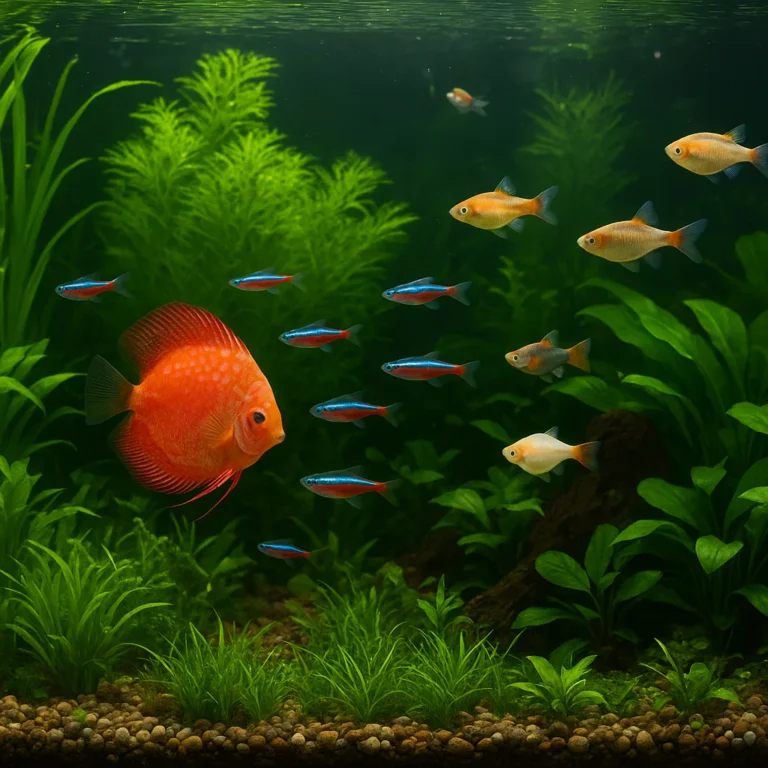
The best fish tank for most first-time keepers is a well-equipped freshwater aquarium chosen around the adult size and needs of its fish. To answer “What are the different types of fish tanks available, and which one is right for me to showcase a symphony of aquatic life?” consider more than appearance: water type, tank shape, equipment, livestock compatibility, and how much maintenance fits your routine all matter.
Your options range from planted freshwater and community tanks to brackish, marine, and coral reef aquariums. Each can create a beautiful display, but they differ in care demands—and the smallest tank isn’t always the easiest to manage.
We’ve seen a tank transform when its owner stopped choosing fish by color alone and started planning around adult size, temperament, and habitat. Suddenly, the fish had room to swim, the plants had room to grow, and the aquarium looked less like a crowded concert hall and more like a well-rehearsed ensemble.
Key Takeaways
- Choose the aquarium around its inhabitants: Research adult size, social needs, behavior, and water conditions before buying fish.
- Freshwater is often the simplest starting point: Marine and reef tanks can be rewarding, but require additional equipment and closer attention to salinity and water chemistry.
- Tank size and shape both matter: A suitable footprint, sturdy stand, safe location, and convenient maintenance access are essential.
- Cycle before stocking: Test the water and establish biological filtration before adding fish.
- Match the setup to your routine: Filtration, lighting, temperature control, and regular maintenance should suit both your livestock and your available time.
Table of Contents
- ⚡ Quick Tips and Facts: Choosing the Right Fish Tank
- 🐠 Fish Tank Basics: How Aquarium Styles Evolved
- 🎼 What Makes an Aquarium a Symphony of Aquatic Life?
- 🧭 The Main Types of Fish Tanks at a Glance
- Freshwater vs. Saltwater Aquariums
- Tank Shape, Material, and Size: Why They Matter
- 🏆 12 Different Types of Fish Tanks: Pros, Cons, and Best Uses
- 1. Standard Rectangular Freshwater Aquarium
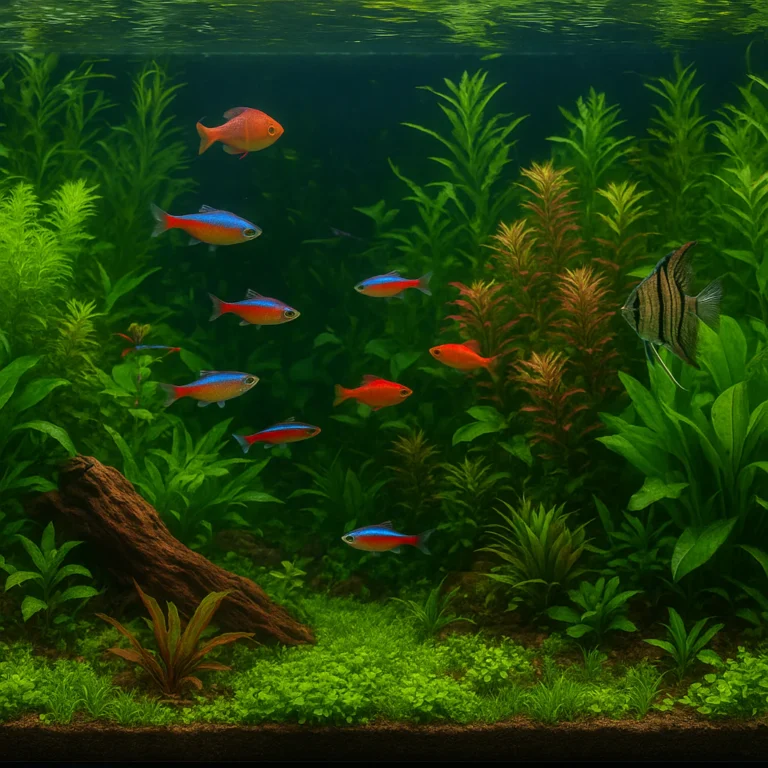
- 2. Planted Aquascape Aquarium
- 3. Community Fish Tank
- 4. Species-Only Aquarium
- 5. Nano Aquarium
- 6. Beta Fish Tank
- 7. Goldfish Aquarium
- 8. African Cichlid Aquarium
- 9. Brackish Water Aquarium
- 10. Saltwater Fish-Only Aquarium
- 11. Reef Aquarium
- 12. Biotope and Specialty Aquariums
- 📏 How to Choose the Right Aquarium Size and Shape
- Beginer-Friendly Tank Sizes and Stocking Considerations
- Long, Tall, Bow-Front, and Rimless Tanks Compared
- Where to Place a Fish Tank Safely
- 🐟 Match Your Tank to Your Fish, Plants, and Aquascape
- Choosing Fish by Temperament, Adult Size, and Water Needs
- Live Plants, Hardscape, and Substrate Options
- Freshwater, Brackish, or Marine: Which Water Type Fits You?
- ⚙️ Aquarium Equipment Every Fish Tank Needs
- Filters and Biological Filtration
- Heaters, Thermometers, and Temperature Control
- Aquarium Lighting and Timers
- Air Pumps, Water Flow, and Powerheads
- Lids, Stands, and Essential Safety Gear
- 🧪 Water Quality, Aquarium Cycling, and Routine Maintenance
- The Nitrogen Cycle Explained
- Testing Amonia, Nitrite, Nitrate, pH, and Hardness
- Water Changes, Algae Control, and Cleaning
- 💰 Aquarium Setup Costs and Ongoing Care
- What Goes Into a Complete Fish Tank Setup
- Time, Maintenance, and Energy Considerations
- 🛒 How to Buy the Right Fish Tank and Avoid Common Mistakes
- Aquarium Kits vs. Building a Custom Setup
- Glass vs. Acrylic Aquariums
- Common Fish Tank Buying Mistakes to Avoid
- ✅ Final Checklist: Which Fish Tank Is Right for You?
- Conclusion
- Recommended Links
- FAQ
- Reference Links
⚡ Quick Tips and Facts: Choosing the Right Fish Tank
Choosing a fish tank is less about picking the prettiest glass box and more about matching aquarium size, water type, inhabitants, equipment, and the time you can give it. The right setup can become a living centerpiece; the wrong one can turn into an expensive, cloudy-water percussion solo.
If you’re planning your first setup, our guide to 🚫 20 Common Mistakes to Avoid When Setting Up a Thriving Fish Tank (2026) is a useful companion.
| Quick decision | Our practical guidance |
|---|---|
| Best all-around starting point | A rectangular freshwater aquarium with a suitable filter and heater, sized for the fish you actually plan to keep |
| Easier water type for most newcomers | Freshwater generally has simpler equipment and livestock choices than marine or reef systems |
| Easier size to keep stable | A suitably stocked larger tank is often more forgiving than a tiny tank; “larger” still has to fit your floor, budget, and maintenance routine |
| Most common beginner trap | Buying fish before checking their adult size, social needs, and water parameters |
| Before adding animals | Cycle the aquarium and confirm that ammonia and nitrite are not detectable with a reliable test kit |
| Great display for plant lovers | A planted freshwater aquascape, provided you choose plants and lighting that suit your experience |
| Don’t forget the furniture | A filled aquarium is heavy. Use a level, purpose-built stand on an appropriate floor |
| What determines success? | Stable water quality, appropriate stocking, consistent maintenance, and a plan for power outages or equipment failure |
For setup and maintenance help, browse our Aquarium Setup, Fish Care and Species Profiles, and Aquarium Equipment guides. The U.S. Geological Survey’s explanation of the nitrogen cycle is a useful reminder that aquarium water is a living chemical system, not simply “clean” or “dirty.”
🐠 Fish Tank Basics: How Aquarium Styles Evolved
People have kept aquatic animals in containers for centuries, but the modern home aquarium became far more practical as glassmaking, filtration, lighting, and water-heating technology improved. Today, “fish tank” can mean anything from a simple freshwater community aquarium to a carefully monitored coral reef system.
The term aquarium describes the whole environment: tank, water, filtration, lighting, substrate, decor or plants, and the organisms that depend on them. The glass or acrylic vessel is just the stage. The life-support system is the orchestra pit.
You’ll see aquariums grouped in several different ways:
- By water type: freshwater, brackish, or saltwater.
- By purpose: community, species-only, breeding, planted, reef, or biotope.
- By scale: nano, standard, large, or public-scale display.
- By shape and construction: rectangular, bow-front, rimless, glass, or acrylic.
Those categories overlap. A 20-gallon aquarium might be a planted community tank, a species-only setup, or a carefully planned biotope. The label alone doesn’t tell you whether it suits your fish—or your lifestyle.
For inspiration, the featured video of 15 Amazing Home Aquariums and Fish Tanks shows how dramatically displays can vary, from enormous custom installations to unusual home designs. Admire the spectacle, but remember: a massive showpiece and a manageable home aquarium are two very different arrangements.
🎼 What Makes an Aquarium a Symphony of Aquatic Life?
A beautiful aquarium balances animal welfare, stable water conditions, compatible inhabitants, and visual composition. Good design doesn’t come from cramming in more fish, brighter lights, and louder-looking decor. It comes from choosing elements that work together.
We think of a successful aquarium as four coordinated sections:
- The habitat: water volume, temperature, chemistry, substrate, and cover.
- The life-support system: filtration, circulation, lighting, and heating or cooling.
- The community: species whose needs and behavior are compatible.
- The composition: open swimming space, plants or hardscape, and viewing angles.
A tank can look calm while harboring problems you can’t see: rising ammonia, low oxygen, stress from aggressive tankmates, or a filter that’s too weak for the bioload. That’s why we prioritize reliable testing and observation over “looks clear to me.” The Merck Veterinary Manual’s fish-health resources offer veterinary context for common health concerns.
Anecdotally, one of our aquascapers once spent an afternoon rearranging a planted tank because the fish kept vanishing behind a tall clump of stems. The plants were healthy, the composition looked elegant, and the fish had effectively booked a private backstage room. A small change—creating an open foreground and a clear swimming lane—made the aquarium more enjoyable for both fish and people.
For inspiration and practical plant-care advice, explore Aquascaping and Aquatic Plants and Fish and Aquatic Life.
🧭 The Main Types of Fish Tanks at a Glance
| Aquarium type | Water | Typical focus | Relative planning level | Often suits |
|---|---|---|---|---|
| Standard freshwater | Freshwater | Community fish, plants, or decor | Beginner to advanced | Most new keepers |
| Planted aquascape | Freshwater | Live plants and carefully arranged scenery | Beginner to advanced | Plant enthusiasts |
| Community tank | Usually freshwater | Multiple compatible species | Beginner to advanced | People who want varied behavior |
| Species-only | Freshwater or marine | One species or closely related group | Beginner to advanced | Breding, behavior observation, or specialist care |
| Nano aquarium | Freshwater or marine | Compact display and small livestock | Intermediate in practice | Experienced keepers with a specific plan |
| Brackish aquarium | Partly saline water | Species adapted to changing salinity | Intermediate to advanced | Keepers prepared to monitor salinity |
| Fish-only marine | Saltwater | Marine fish without a coral-focused reef | Intermediate to advanced | Marine fish enthusiasts |
| Reef aquarium | Saltwater | Corals and compatible marine life | Advanced | Dedicated keepers ready for close monitoring |
| Biotope aquarium | Varies | A habitat modeled on a particular region | Beginner to advanced | Naturalistic displays and research-minded keepers |
These are useful categories, not rigid boxes. A planted tank can also be a community aquarium; a biotope can be freshwater or marine. For more hobby terminology and setup guides, see Aquarium Setup.
Freshwater vs. Saltwater Aquariums
Freshwater and saltwater aquariums differ in more than the salt. Marine systems usually require carefully mixed saltwater, salinity monitoring, and equipment and livestock selected for a marine environment. Reef tanks add the needs of corals and other invertebrates, which can make lighting, flow, and water chemistry more demanding.
| Factor | Freshwater | Saltwater |
|---|---|---|
| Water preparation | Conditioned tap water or another suitable freshwater source | Prepared marine saltwater or properly managed natural seawater |
| Salinity monitoring | Usually not central to routine care | Essential for most marine systems |
| Livestock | Broad choice of freshwater fish, plants, and invertebrates | Marine fish, invertebrates, and corals, depending on tank type |
| Equipment needs | Filter, lighting, and sometimes a heater | Marine-rated equipment; reef systems may need specialized lighting and flow |
| Planning demands | Vary widely by species and setup | Often higher, especially for reefs |
| Common beginner consideration | Still requires cycling and testing | More variables and specialized care to learn |
Freshwater is not “maintenance-free,” and saltwater is not automatically out of reach. But for a first aquarium, freshwater usually offers a simpler learning curve and more flexible stocking choices. The NOAA Coral Reef Conservation Program provides background on coral ecosystems and why reef organisms depend on particular environmental conditions.
Tank Shape, Material, and Size: Why They Matter
Tank volume matters, but so do footprint, water depth, surface area, structural support, and maintenance access.
- Rectangular tanks are easy to light, equip, and maintain, and offer useful swimming length.
- Tall tanks provide vertical viewing but can make surface area, lighting, and access more challenging.
- Bow-front tanks alter the view and can be visually striking, though curved panels may distort the appearance.
- Rimless tanks create a clean look but still require a stable stand and careful water-level management.
- Glass aquariums resist scratching better than acrylic but are heavy and can break if mishandled.
- Acrylic aquariums are lighter and impact-resistant, but scratch more easily and need appropriate cleaning tools.
If you’re comparing materials, consult the manufacturer’s care and installation instructions, such as Aqueon’s aquarium guidance. We also recommend checking tank dimensions against the doorway, stand, and intended maintenance space before buying. A tank that fits the wall but not the hallway is an awkward prelude.
🏆 12 Different Types of Fish Tanks: Pros, Cons, and Best Uses
1. Standard Rectangular Freshwater Aquarium
This is the classic home aquarium: a straightforward rectangular glass or acrylic tank with a filter, light, and—when required—a heater. Its shape makes equipment easy to position and creates a practical swimming area.
Benefits
- Widely available in many sizes.
- Simple to light, filter, and clean.
- Flexible enough for plants, community fish, or a focused species setup.
Drawbacks
- A basic kit may include equipment that needs upgrading for particular fish or plants.
- “Starter kit” does not mean “ready for fish today”: the aquarium still needs to be set up and cycled.
Aqueon and Fluval both offer freshwater aquarium products; check their official care and product materials before selecting a tank or kit. Aqueon | Fluval
2. Planted Aquascape Aquarium
A planted aquarium uses aquatic plants as living structure, not just decoration. Plants can provide cover and grazing surfaces, while the aquascape creates visual depth. But plants are living organisms with their own needs.
Consider
- Plant species and their light requirements.
- Whether you’ll use nutrient-rich substrate or root tabs.
- Nutrient balance, algae control, and trimming.
- Whether the chosen fish will uprot, graze on, or damage plants.
Beginer-friendly plants may include Anubias, Java fern, and some mosses, but suitability depends on the tank and the individual plant. Browse our Aquascaping and Aquatic Plants section, and compare lighting guidance from manufacturers such as Fluval.
3. Community Fish Tank
A community aquarium houses multiple compatible species. The word compatible does a lot of work here: fish should have overlapping temperature and water-chemistry needs, suitable adult sizes, and compatible behavior.
Before combining fish, check:
- Adult size, not just shop size.
- Whether the species is schooling, territorial, or predatory.
- Water temperature, pH, and hardness preferences.
- Swimming level and available habitat.
- Whether tankmates may nip fins or compete for food.
Use reputable species-care references and ask experienced aquatic staff about locally available fish. Our Fish Care and Species Profiles guides can help you research before purchase.
4. Species-Only Aquarium
A species-only tank focuses one species, or on a carefully selected group with similar needs. This can make behavioral observation and targeted care easier. It can also make a fish’s personality the star of the display.
Best for: breeding projects, shy or territorial species, specialized feeding needs, and keepers who want to understand one fish well.
Watch out: one species can still have complex social requirements. Research whether it needs a group, a pair, hiding places, or a particular tank footprint.
5. Nano Aquarium
“ Nano” is a hobby term for a small aquarium, not a universal size category. Compact tanks can beautiful, but they have less water volume to buffer rapid changes in temperature and water chemistry.
Good practice
- Choose livestock specifically suited to the tank’s dimensions and volume.
- Avoid treating small fish as automatically suitable for tiny tanks.
- Test water consistently and keep equipment appropriately sized.
- Plan for maintenance access and evaporation.
A nano aquarium may work well for plants or selected small invertebrates, but it’s not a shortcut to easy care. Small systems are often less forgiving of overfeeding and missed maintenance.
6. Beta Fish Tank
A beta setup should provide adequate swimming room, stable warm water, gentle filtration, and access to the surface. A decorative bowl is not a good substitute for a properly equipped aquarium.
Bettas differ in temperament, and not every individual can safely live with tankmates. If you’re considering one, research the species’ care requirements through a reputable resource such as the RSPCA’s fish-care guidance and our Fish Care and Species Profiles section.
7. Goldfish Aquarium
Goldfish can grow large, produce substantial waste, and need more space and filtration than their small shop size suggests. The right aquarium depends on the variety, adult size, number of fish, and the keeper’s ability to maintain water quality.
Don’t choose a tank based on a tiny juvenile. Research the specific variety and its adult care requirements before purchasing. The RSPCA’s fish welfare advice is a helpful starting point for responsible fish ownership.
8. African Cichlid Aquarium
African cichlid tanks can be lively, colorful displays, but the fish may be territorial and have specific water and habitat preferences. The term “African cichlid” covers many species, so a generic stocking plan is not enough.
Plan for:
- Species-specific water conditions.
- Territories, visual barriers, and appropriate hardscape.
- Adult size and social behavior.
- Robust filtration and maintenance suited to the bioload.
Never assume that adding more fish automatically reduces aggression. Stocking and social strategies should be based on the species and aquarium dimensions.
9. Brackish Water Aquarium
Brackish water contains more dissolved salt than freshwater but less than typical seawater. Brackish fish vary in their salinity needs, and some species’ needs change with life stage or natural habitat.
You’ll need a suitable marine salt mix and a reliable way to measure salinity, such as a properly maintained hydrometer or refractometer. Do not add table salt by guesswork. Research each species’ salinity requirements and acclimation needs before setting up the aquarium.
10. Saltwater Fish-Only Aquarium
A fish-only marine tank focuses on saltwater fish without making corals the main feature. It still needs stable salinity, suitable filtration, good circulation, and careful livestock selection.
A marine aquarium is not simply a freshwater aquarium with salt added. Use marine-specific equipment and follow a reliable saltwater setup plan. The NOAA Ocean Service explains the environmental conditions associated with coral reefs and marine habitats.
11. Reef Aquarium
A reef tank houses corals and often other invertebrates alongside compatible fish. The display can be dazzling, but reef organisms may depend on closely managed light, flow, salinity, and water chemistry.
Benefits: dramatic color, diverse behavior, and a chance to learn about reef ecology.
Challenges: equipment demands, specialized testing, and livestock compatibility. A reef is best approached as a planned system rather than an impulse purchase after seeing a coral glow under blue lights.
For reef-keeping background, see NOAA’s Coral Reef Conservation Program and established marine-aquarium resources such as Bulk Reef Supply’s educational guides.
12. Biotope and Specialty Aquariums
A biotope aquarium aims to recreate a particular natural habitat, such as a stream, lake margin, or region-specific ecosystem. It can be a freshwater, brackish, or marine setup.
A thoughtful biotope considers:
- The habitat’s substrate and structure.
- Water conditions and seasonal variation.
- Native or regionally appropriate plant and animal choices.
- Whether the selected species can be responsibly sourced and cared for.
This style rewards research. It also makes a gorgeous conversation starter: “Why does this tank look like a forest stream?” is a much better question than “Is that plastic ship supposed to be there?”
📏 How to Choose the Right Aquarium Size and Shape
Choose a tank by working backward from the fish and the space available—not forward from a sale sign or a photo online.
Beginer-Friendly Tank Sizes and Stocking Considerations
There is no universal “right” aquarium size for every fish or keeper. A species’ adult size, activity, social behavior, waste production, and habitat needs all matter. So do the tank’s length and footprint, not just its stated capacity.
| Planning question | Why it matters |
|---|---|
| What will the fish’s adult size be? | Juvenile size can be misleading |
| Does the species need a group or a territory? | Social needs affect stocking and tank layout |
| How active is the fish? | Active swimmers need suitable length and open space |
| How much waste does it produce? | Bioload affects filtration and maintenance |
| Is the tank long enough and accessible? | Shape affects swimming room and cleaning |
| Can the floor and stand support it? | Water and materials add substantial weight |
We avoid simplistic stocking formulas such as “one inch of fish per gallon.” They ignore species behavior, body mass, filtration, tank shape, and adult size. Use species-specific guidance and stock gradually.
Long, Tall, Bow-Front, and Rimless Tanks Compared
| Shape | Strengths | Trade-offs |
|---|---|---|
| Long rectangular | Broad swimming area; easy equipment placement | Needs more wall or stand length |
| Tall rectangular | Strong vertical display; can suit some layouts | More challenging access and light distribution |
| Bow-front | Curved viewing perspective | Can visually distort and may require careful cleaning |
| Rimless | Open, minimalist appearance | Evaporation and splashes are more visible; stable placement is essential |
| Corner tank | Uses a corner efficiently | Interior access and aquascaping can be awkward |
Where to Place a Fish Tank Safely
Before filling a tank, check that the location:
- Has a level, sturdy, aquarium-rated stand.
- Avoids direct sunlight and major temperature swings.
- Is near a safe electrical outlet, with cords arranged to reduce water reaching plugs.
- Leaves access for feeding, cleaning, and equipment maintenance.
- Is away from heavy foot traffic, doors, and accidental bumps.
- Allows enough room to move the tank into the home.
For a large aquarium, seek advice from the tank manufacturer or a qualified professional about floor loading. A filled aquarium’s total load includes water, glass or acrylic, substrate, rocks, equipment, and the stand.
🐟 Match Your Tank to Your Fish, Plants, and Aquascape
The tank should be designed around its inhabitants. Start with a short list of species and plants, then build the habitat to suit them.
Choosing Fish by Temperament, Adult Size, and Water Needs
For each potential fish, write down:
- Adult length and typical activity.
- Temperature, pH, and hardness range.
- Schooling or group requirements.
- Temperament and feeding behavior.
- Preferred swimming level and shelter.
- Expected waste production and care needs.
Then compare the list. A fish’s tolerance range is not permission to combine species with incompatible preferences. When sources disagree, favor species-specific veterinary, university, or established husbandry guidance over a retailer’s brief label.
See our Fish Care and Species Profiles and Fish and Aquatic Life categories for more research.
Live Plants, Hardscape, and Substrate Options
| Element | Common choices | What to consider |
|---|---|---|
| Plants | Anubias, Java fern, mosses, stem plants, carpeting plants | Light, nutrients, growth speed, and fish behavior |
| Hardscape | Aquarium-safe wood and rock | Stability, sharp edges, water chemistry effects |
| Substrate | Sand, gravel, planted substrate | Rooting needs, cleaning, and species behavior |
| Background | Plain dark background or open view | Affects contrast and hides cords or equipment |
Use only materials known to be safe for aquariums. Avoid collecting rocks or wood unless you can identify the material and prepare it safely. Some materials can alter water chemistry, and unstable decor can injure fish or damage glass.
For plant and layout ideas, visit Aquascaping and Aquatic Plants. The Tropica aquarium plant database provides detailed plant profiles and growing information.
Freshwater, Brackish, or Marine: Which Water Type Fits You?
Ask yourself:
- Do you want aquatic plants, coral, or a fish-focused display?
- Are you comfortable measuring salinity or other specialized parameters?
- Can you source appropriate livestock and supplies?
- Do you have time to learn the system before adding animals?
- Will you enjoy routine testing, or will it feel like a chore?
If you want a forgiving introduction, a carefully stocked freshwater aquarium is often the practical first choice. If marine life is your passion, begin with a well-researched marine plan rather than buying a reef kit and hoping the instructions contain a sea turtle’s wisdom.
⚙️ Aquarium Equipment Every Fish Tank Needs
Equipment should fit the aquarium’s actual bioload and inhabitants. A powerful filter or bright light is not automatically better; appropriate and reliable is better.
Filters and Biological Filtration
A filter generally supports mechanical filtration (capturing particles), biological filtration (housing beneficial microbes), and sometimes chemical filtration. The filter’s rated capacity is only a starting point; fish load, feeding, maintenance, and flow preference matter.
- Keep filter media wet during maintenance.
- Avoid replacing all established biological media at once.
- Match flow to the fish and tank layout.
- Clean media in a way that does not unnecessarily destroy its biological function.
Common brands include Fluval, AquaClear, Eheim, and Seachem. Check product specifications and manufacturer instructions for your exact model.
Heaters, Thermometers, and Temperature Control
Tropical fish may need a heater, while many temperate species do not. Choose based on the fish’s care requirements and room conditions.
- Use a reliable aquarium thermometer to confirm actual water temperature.
- Place equipment according to the manufacturer’s directions.
- Check temperature regularly, especially after water changes.
- Consider the room’s seasonal temperature swings.
A thermostat-controlled heater still deserves monitoring. Any device can fail, so a separate thermometer is more than decorative.
Aquarium Lighting and Timers
Lighting needs depend on whether the aquarium is fish-only, planted, or a reef. A timer helps keep a consistent photoperiod, while excessive light can encourage algae if nutrients and maintenance are not balanced.
- Match light intensity to the plants or animals.
- Start with a conservative schedule and observe the tank.
- Avoid placing the aquarium where sunlight adds uncontrolled light.
- For reef systems, follow coral-specific lighting guidance and measure as appropriate.
Air Pumps, Water Flow, and Powerheads
Air pumps can drive air stones or certain filters, but they are not a substitute for biological filtration. Water movement supports circulation and gas exchange, but excessive current can stress fish that prefer calmer habitats.
In marine tanks, powerheads help create flow patterns for fish and corals. Always secure equipment and protect livestock from strong intakes or unsafe gaps.
Lids, Stands, and Essential Safety Gear
A complete setup may include:
- A sturdy aquarium stand designed for the tank.
- A lid or cover, especially for species that jump or tanks where evaporation is a concern.
- A thermometer and water-test kit.
- A siphon or gravel cleaner.
- Water conditioner appropriate to your water source.
- A dedicated aquarium bucket and cleaning tools.
- A drip loop or other safe electrical arrangement.
For aquarium equipment reviews and practical gear guidance, visit Aquarium Equipment.
🧪 Water Quality, Aquarium Cycling, and Routine Maintenance
Clear water is not necessarily safe water. Fish health depends on stable, appropriate conditions and on the aquarium’s ability to process waste.
The Nitrogen Cycle Explained
Fish waste, uneaten food, and decaying material produce ammonia. Beneficial microbes establish in the aquarium and help convert ammonia to nitrite, then nitrate. Amonia and nitrite can harm fish, so a new tank must be cycled before it is stocked.
A responsible fishless cycling process typically involves:
- Set up the aquarium, filter, heater, and other equipment.
- Use a suitable ammonia source and follow a reliable cycling guide.
- Test ammonia, nitrite, and nitrate regularly.
- Allow beneficial bacteria to establish; this takes time and varies by setup.
- Add fish only once testing confirms the system can process waste safely.
- Continue testing and maintain the aquarium after stocking.
Do not rely on a fixed calendar promise or a cloudy-water shortcut. The University of Florida’s IFAS Extension and aquarium-specific sources from established manufacturers can provide further background; follow fishless-cycling instructions carefully.
Testing Amonia, Nitrite, Nitrate, pH, and Hardness
| Test | What it tells you | Why it matters |
|---|---|---|
| Amonia | Waste-processing status | Should not accumulate in a healthy, cycled tank |
| Nitrite | A cycling or filtration problem may be present | Harmful to fish |
| Nitrate | Waste buildup and maintenance trend | Helps guide water-change routines |
| pH | Acidity or alkalinity | Must suit the species and remain stable |
| Hardness | Dissolved minerals | Affects species suitability and water chemistry |
| Salinity | Salt concentration in brackish or marine systems | Essential for maintaining marine livestock |
Test new tanks frequently, after equipment problems, and whenever fish behave unusually. Keep records; a trend is more informative than one isolated reading. Test kits must be used and stored according to their instructions.
Water Changes, Algae Control, and Cleaning
Routine care usually includes observing fish, checking equipment, testing water when appropriate, removing waste, and performing partial water changes. The exact schedule depends on stocking, tank maturity, plants, filtration, and test results.
A sensible maintenance routine
- Observe fish for changes in appetite, breathing, swimming, or appearance.
- Check filter flow, temperature, and equipment.
- Test water based on the tank’s age and condition.
- Remove debris and clean only what needs cleaning.
- Change a portion of water with appropriately conditioned water at a suitable temperature.
- Record observations and test results.
Algae is not automatically a sign of failure. It can indicate a mismatch among light, nutrients, and maintenance. Avoid treating algae with chemicals before addressing the underlying conditions.
💰 Aquarium Setup Costs and Ongoing Care
The aquarium itself is only one part of a complete setup. Plan for the stand, filter, lighting, heater if needed, substrate, water testing, water conditioner, food, maintenance tools, and livestock. Marine and reef setups usually add specialized equipment and supplies.
What Goes Into a Complete Fish Tank Setup
| Category | Examples |
|---|---|
| Tank and support | Aquarium, stand, lid |
| Life support | Filter, heater where needed, circulation equipment |
| Environment | Substrate, plants, safe rock or wood |
| Monitoring | Thermometer, test kits, salinity tools for marine systems |
| Maintenance | Siphon, bucket, algae scraper, water conditioner |
| Livestock care | Appropriate food, quarantine supplies, health-care plan |
| Contingency | Backup plan for equipment failure or power outages |
Avoid buying livestock with the last of your setup budget. Build a system you can maintain, and set aside room for replacement media, testing supplies, and unexpected equipment needs.
Time, Maintenance, and Energy Considerations
A low-maintenance aquarium is not a no-maintenance aquarium. Time demands vary with tank size, stocking, plant growth, equipment, and your habits.
Consider:
- How often you can observe and feed the fish.
- Whether weekly or regular maintenance fits your routine.
- How you’ll care for the tank during travel.
- Whether household power, temperature, or water supply is reliable.
- Whether your chosen species need specialized feeding or monitoring.
A well-planned aquarium can fit a busy household, but only if the livestock and maintenance plan match that household. Our Aquarium Setup section covers practical planning and care.
🛒 How to Buy the Right Fish Tank and Avoid Common Mistakes
Before purchasing, write down the tank’s location, dimensions, target species, equipment needs, and maintenance plan. Then compare options by construction, warranty, included equipment, replacement parts, and manufacturer support—not appearance alone.
Aquarium Kits vs. Building a Custom Setup
| Option | Advantages | Trade-offs |
|---|---|---|
| Aquarium kit | Convenient components and a coordinated look | Included equipment may not suit every species or planted setup |
| Custom setup | Lets you choose each component for the planned habitat | Requires research and careful compatibility checks |
| Complete system | May simplify marine or reef planning | Still requires learning, testing, and maintenance |
Popular brands include Aqueon, Fluval, and Waterbox Aquariums. Review the actual product specifications and warranty terms before buying; product lines and included components vary.
Glass vs. Acrylic Aquariums
| Feature | Glass | Acrylic |
|---|---|---|
| Scratch resistance | Generally more resistant to surface scratches | Scratches more easily |
| Weight | Heavier | Lighter |
| Impact behavior | Can crack or break if struck or improperly supported | More impact-resistant but still requires proper support |
| Appearance | Broadly familiar and widely available | Can offer custom shapes and clear viewing |
| Cleaning | Standard aquarium tools may be suitable | Use acrylic-safe tools to prevent scratching |
Choose based on size, installation, cleaning habits, and the manufacturer’s instructions. Never use a scraper on acrylic unless it is explicitly rated safe for acrylic.
Common Fish Tank Buying Mistakes to Avoid
❌ Buying a tank before checking the fish’s adult size.
❌ Assuming a small aquarium is automatically easier.
❌ Starting with too many fish or adding them all at once.
❌ Skipping the nitrogen cycle.
❌ Choosing incompatible species because they look peaceful in a store.
❌ Using untreated water or unverified decor.
❌ Relying on clear water rather than testing.
❌ Forgeting the weight, stand, access, or electrical safety.
❌ Buying equipment based on a kit label without checking its suitability.
✅ Research species first.
✅ Set up and cycle the aquarium before stocking.
✅ Buy test supplies and learn to use them.
✅ Choose a tank and equipment that you can maintain consistently.
✅ Keep a written record of parameters and maintenance.
✅ Final Checklist: Which Fish Tank Is Right for You?
Before you choose, answer these questions:
- What animals or plants do I want to keep?
- What are their adult size, social needs, and water requirements?
- Do I want freshwater, brackish, fish-only marine, or reef?
- Can my chosen location support the tank and stand safely?
- Can I afford and maintain the complete setup—not just the aquarium?
- Do I have reliable filtration, temperature control where needed, and test supplies?
- Am I prepared to cycle the tank before adding fish?
- Can I keep up with regular observation and maintenance?
For most first-time keepers, we recommend a rectangular freshwater aquarium planned around a modest, compatible stocking list, with reliable filtration, appropriate heating if needed, and a fishless cycle completed before stocking. For plant enthusiasts, a low-to-moderate-light planted tank can make an excellent display. For marine or reef enthusiasts, take time to learn the added requirements before selecting livestock.
And that “symphony” question from the start? It isn’t answered by the biggest tank or the rarest fish. It’s answered by a habitat where every component—water, equipment, plants, and animals—works in tune.