Support our educational content for free when you purchase through links on our site. Learn more
🐠 Top 10 Fish Tank & Aquarium Blogs to Master the Hobby (2026)

Ever wondered why your new tank turned into a cloudy, algae-choked swamp while your neighbor’s looks like a living painting? The secret isn’t magic; it’s the digital wisdom of the world’s best aquarists. In this guide, we dive deep into the top 10 fish tank and aquarium blogs that have transformed the hobby from a simple pastime into a symphony of science and art. From the “Pre-Filter Hack” that saves your shrimp to the controversial truth about flying with fish, we’ve uncovered the resources that separate the hobbyists from the masters. Whether you’re battling a stubborn algae bloom or planning your first DIY central air system, these blogs hold the answers you’ve been searching for.
Key Takeaways
- Expert Curation: We’ve ranked the top 10 essential blogs (including Aquarium Co-Op, UKAPS, and Seriously Fish) that offer verified, real-world advice for every skill level.
- Science Meets Art: Discover how the best resources blend water chemistry with aquascaping aesthetics to create thriving, self-sustaining ecosystems.
- Troubleshooting Mastery: Learn the specific techniques for algae control, nutrient dosing, and sponge filter optimization directly from industry leaders.
- Ethical & Practical Insights: Get the inside scoop on sustainable sourcing, traveling with fish, and the latest trends in nano tanks and biotope setups.
Table of Contents
- ⚡️ Quick Tips and Facts
- 📜 A Brief History of the Fish Tank and Aquarium Blogosphere
- 🌊 Why Your Fish Tank and Aquarium Blog Matters in the Digital Age
- 🏆 Top 10 Must-Read Fish Tank and Aquarium Blogs for 2024
- 1. Aquarium Co-Op: The Gold Standard for Planted Tank Wisdom
- 2. The Planted Tank Forum: Where Community Meets Chemistry
- 3. Seriously Fish: The Encyclopedia of Freshwater Species
- 4. UKAPS: Advanced Aquascaping Techniques and Inspiration
- 5. The Spruce Pets: Beginner-Friendly Guides and Reviews
- 6. Buce Plant: The Hidden Gem for Low-Light Aquascaping
- 7. Aqua Design Amano: The Art of Nature Aquariums
- 8. Reef2Reef: The Saltwater Counterpart to Freshwater Blogs
- 9. Fishlore: The Massive Community for All Things Aquatic
- 10. The Aquarium Wiki: Crowdsourced Knowledge at Its Finest
- 🔍 How to Spot a Fake Fish Tank Blog vs. Real Expertise
- 🌿 Mastering the Planted Tank: Essential Blog Resources for Aquascapers
- 🐠 Nano Fish Enthusiasts: The Best Blogs for Small Aquariums
- 💧 Water Chemistry Deep Dives: The Blogs That Get the Science Right
- 🛠️ DIY Aquarium Hacks: From Pre-Filters to Central Air Systems
- 🚀 How to Start Your Own Fish Tank and Aquarium Blog
- 📸 Capturing the Perfect Shot: Photography Tips from Top Aquarists
- 🌍 Sustainable Aquatics: Ethical Sourcing and Conservation in Blog Land
- 🛒 Where to Buy: Trusted Online Retailers Featured in Top Blogs
- 🤔 Refresh Your Passion: Finding Inspiration When the Hobby Gets Boring
- 🐟 Selecting the Perfect Algae Eater: A Blog-Backed Guide
- ✈️ Traveling with Fish: What the Blogs Say About Flying with Aquariums
- 💰 Joining the Wholesale Game: Insights from Aquarium Co-Op and Others
- ⚖️ Nutrient Dosing 101: When and How to Dose Potassium and More
- 🌀 Optimizing Flow: Improving Circulation on Sponge Filters
- 🏗️ Building a Fish Room: DIY Central Air Systems Explained
- 🐡 Top 5 Catfish for Community Tanks: A Curated List
- 🏆 Our Top Recommendations for Your Next Read
- 🏁 Conclusion
- 🔗 Recommended Links
- ❓ FAQ
- 📚 Reference Links
⚡️ Quick Tips and Facts
Before we dive into the deep end of the blogosphere, let’s get our feet wet with some essential truths that every aspiring aquarist needs to know. Whether you’re setting up your first 5-gallon nano tank or managing a massive reef system, these nuggets of wisdom will save you time, money, and a lot of heartache.
- The Nitrogen Cycle is Non-Negotiable: You cannot skip this. Period. Beneficial bacteria need time to colonize your substrate and filter media. Rushing this process is the #1 cause of “New Tank Syndrome.” Learn more about the nitrogen cycle here.
- Substrate Matters More Than You Think: As Dustin’s Fish Tanks points out, your gravel or sand isn’t just for looks; it’s the biological engine of your tank. An over 1-inch layer is crucial for housing nitrifying bacteria. Check out our guide on Aquarium Setup.
- Algae is a Feature, Not a Bug: A little algae is normal. It’s only a problem when it takes over. Instead of panic-buying chemicals, try adding the right algae eaters like Amano Shrimp or Otocinclus. Read our deep dive on selecting algae eaters.
- Small Tanks are Harder Than Big Tanks: Don’t let the “it’s just a small bowl” mentality fool you. Small volumes fluctuate in temperature and chemistry much faster. Stability is key!
- Water Changes are Your Best Friend: No filter can replace a weekly water change. It’s the single most effective way to remove nitrates and replenish trace elements.
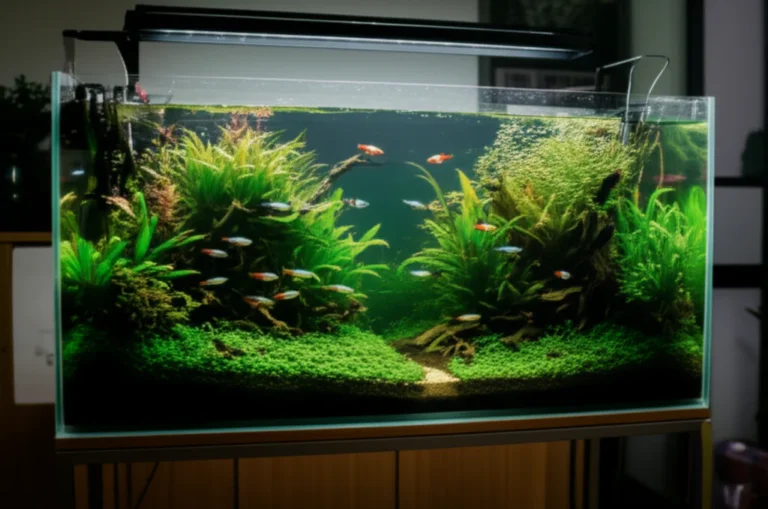
For a visual treat of what a well-established, lush “jungle” tank looks like when new fish are introduced, check out this incredible footage of a 100-gallon setup coming to life:
🎥 Watch: Acclimating Neon Tetras and Guppies in a Lush 100-Gallon Tank
In this video, you’ll see the delicate dance of acclimation, where new arrivals like Cardinal Tetras and Koi Guppies are slowly introduced to their new home. The creator notes, “They are so beautiful. Look at them. They’re so tiny. They’re so colorful.” It’s a perfect example of why patience and proper setup matter.
📜 A Brief History of the Fish Tank and Aquarium Blogosphere

The journey from Victorian glass globes to the digital aquarium revolution is a story of passion, science, and community. It all started with the first public aquariums in the 1850s, but the real magic happened when hobbyists started sharing their secrets online.
In the early 2000s, forums like The Planted Tank and Fishlore became the digital campfires where aquarists gathered. These weren’t just message boards; they were the birthplaces of modern aquascaping techniques. Before blogs, if you wanted to know how to grow Cryptocoryne without melting, you had to ask a local fish store owner who might not know the answer.
The Shift to Blogs:
As social media grew, the static forum posts evolved into dynamic, visual-rich blogs. Sites like Aquarium Co-Op and Aqua Design Amano transformed the hobby from a “keep fish alive” mentality to an art form. They introduced the world to the concept of the “Nature Aquarium,” where the tank is a living painting.
“The internet didn’t just connect us; it democratized expertise. Suddenly, a kid in a bedroom could learn from a master in Japan.” — Aquarium Music™ Team
Today, the blogosphere is a vibrant ecosystem of its own, covering everything from nano fish to DIY central air systems. It’s a place where science meets art, and where every question, no matter how small, has an answer.
🌊 Why Your Fish Tank and Aquarium Blog Matters in the Digital Age
You might be wondering, “Why do I need to read a blog when I can just Google ‘how to fix cloudy water’?” Great question! The difference lies in context, curation, and community.
A generic search result often gives you a one-size-fits-all answer that might not apply to your specific setup. A dedicated fish tank and aquarium blog offers:
- Nuanced Advice: Understanding that a cloudy tank in a planted tank with CO2 injection is different from a cloudy tank in a bare-bottom cichlid tank.
- Visual Inspiration: High-quality photos and videos that show you exactly what a healthy tank looks like.
- Real-World Testing: Bloggers like Steffan Postaer and Irene Bearly at Aquarium Co-Op test products and methods in real tanks, not just in a lab.
The Power of Storytelling:
Blogs humanize the hobby. They share the failures (like the time a tank crashed due to a missed water change) and the triumphs (like the first time a rare shrimp spawned). This narrative builds a connection that a dry Wikipedia article never could.
“In the Aquarium Hobby, It’s a Small World After All,” as Steffan Postaer eloquently put it. Blogs shrink that world, bringing global expertise to your living room.
🏆 Top 10 Must-Read Fish Tank and Aquarium Blogs for 2024
We’ve scoured the digital depths to bring you the ultimate list of blogs that define the hobby. These aren’t just websites; they are institutions. Whether you are a beginner or a seasoned pro, these resources will elevate your game.
1. Aquarium Co-Op: The Gold Standard for Planted Tank Wisdom
Why we love it: Founded by Cory McElroy, this blog is the bible for modern planted tank enthusiasts. It’s packed with practical, no-nonsense advice on everything from potassium dosing to sponge filter hacks.
- Key Feature: Their “Pre Filters” article changed how we think about filter intake protection.
- Standout Content: “How to Improve Water Circulation on Aquarium Sponge Filters” is a must-read for anyone with a nano tank.
- Our Take: If you only read one blog this year, make it this one.
2. The Planted Tank Forum: Where Community Meets Chemistry
Why we love it: While technically a forum, its blog-style threads are legendary. It’s the place where water chemistry nerds go to debate the merits of ADA Aqua Soil vs. Fluval Stratum.
- Key Feature: Unmatched depth of discussion on plant nutrition and algae control.
- Standout Content: The “High Tech vs. Low Tech” debates are legendary.
- Our Take: It can be overwhelming for beginners, but once you find your footing, it’s an endless well of knowledge.
3. Seriously Fish: The Encyclopedia of Freshwater Species
Why we love it: If you need to know the exact pH, temperature, and tank size for a specific fish, this is your go-to. It’s the most comprehensive database of freshwater species profiles on the web.
- Key Feature: Detailed species profiles with scientific names and care requirements.
- Standout Content: Their compatibility charts are a lifesaver for community tanks.
- Our Take: Essential for anyone stocking a new tank. Don’t buy a fish without checking here first!
4. UKAPS: Advanced Aquascaping Techniques and Inspiration
Why we love it: The United Kingdom Aquatic Plant Society is the hub for serious aquascapers. They focus on the art and science of creating underwater landscapes.
- Key Feature: High-level competitions and detailed tutorials on hardscape placement.
- Standout Content: Their guides on CO2 injection and nutrient dosing are top-tier.
- Our Take: If you want to turn your tank into a work of art, UKAPS is your mentor.
5. The Spruce Pets: Beginner-Friendly Guides and Reviews
Why we love it: A massive resource for beginners, offering clear, concise guides on everything from fish care to tank maintenance.
- Key Feature: Easy-to-understand language and step-by-step instructions.
- Standout Content: Their “Best Fish for Beginners” lists are perfect for new hobbyists.
- Our Take: Great for getting started, though sometimes lacks the depth of niche blogs.
6. Buce Plant: The Hidden Gem for Low-Light Aquascaping
Why we love it: Specializing in Bucephalandra and other low-light plants, this blog is a treasure trove for those with dimmer tanks or those who love the “jungle” look.
- Key Feature: In-depth care guides for epiphytic plants.
- Standout Content: Their propagation techniques for Buce are game-changers.
- Our Take: A must-read for anyone looking to add texture and depth to their aquascape.
7. Aqua Design Amano: The Art of Nature Aquariums
Why we love it: The legacy of Takashi Amano lives on here. This is the source of the Nature Aquarium style that revolutionized the hobby.
- Key Feature: Stunning photography and philosophical insights into creating natural habitats.
- Standout Content: Their “Nature Aquarium World” series is pure inspiration.
- Our Take: While less technical than others, it’s essential for understanding the soul of aquascaping.
8. Reef2Reef: The Saltwater Counterpart to Freshwater Blogs
Why we love it: Saltwater is a different beast, and Reef2Reef is the place to learn about corals, fish, and invertebrates in the marine realm.
- Key Feature: Massive community support for reef keepers.
- Standout Content: Their breeding logs and coral fragging guides are invaluable.
- Our Take: The best resource for anyone venturing into the saltwater hobby.
9. Fishlore: The Massive Community for All Things Aquatic
Why we love it: One of the oldest and largest aquarium communities online. It covers everything from goldfish to discus.
- Key Feature: A massive database of user-generated content and troubleshooting threads.
- Standout Content: Their “Aquarium Troubleshooting” section is a lifesaver.
- Our Take: A great place to ask questions and get quick answers from a diverse community.
10. The Aquarium Wiki: Crowdsourced Knowledge at Its Finest
Why we love it: A collaborative effort to document every aspect of the aquarium hobby. It’s like Wikipedia, but for fish.
- Key Feature: Comprehensive species profiles and care sheets.
- Standout Content: Their “Aquarium Equipment” reviews are thorough and unbiased.
- Our Take: A reliable reference for quick facts and species data.
🔍 How to Spot a Fake Fish Tank Blog vs. Real Expertise
Not all blogs are created equal. In a world of “get rich quick” schemes and miracle cures, how do you know who to trust? Here’s our expert checklist for spotting the fakes.
The Red Flags 🚩
- Miracle Cures: If a blog claims to have a “magic drop” that fixes all water problems instantly, run. Real aquarists know there are no shortcuts.
- No Photos of Real Tanks: Blogs that only use stock photos or heavily edited images are often hiding a lack of real experience.
- Aggressive Affiliate Marketing: If every single sentence is a link to buy a product, the advice is likely biased.
- Lack of Scientific Backing: Real experts cite studies, water parameters, and biological principles. Fakes rely on “it worked for me” without explaining why.
The Green Flags ✅
- Transparency: They admit when they make mistakes. Real hobbyists crash tanks; they just learn from it.
- Detailed Explanations: They explain the why behind the what.
- Community Engagement: They respond to comments and engage in discussions.
- Consistency: They post regularly and update old content with new information.
“Trust is earned in drops of water and lost in floods of misinformation.” — Aquarium Music™ Team
🌿 Mastering the Planted Tank: Essential Blog Resources for Aquascapers
Creating a lush, thriving planted tank is the holy grail of the hobby. But it requires more than just throwing some plants in the water. You need the right lighting, CO2, substrate, and nutrients.
The Substrate Debate: Dirt vs. Sand vs. Gravel
As Dustin’s Fish Tanks emphasizes, the substrate is the most overlooked part of your aquarium.
- Playing Gravel: Good for general use, but lacks nutrients. Best for plants that feed through their leaves (like Java Fern).
- Nutrient-Rich Soil: Essential for root-feeding plants. Without it, your plants will starve, no matter how much liquid fertilizer you add.
- Sand: Great for bottom dwellers, but can compact and cause anaerobic pockets if not managed well.
Pro Tip: If you’re using a nutrient-poor substrate, stick to epiphytic plants (Anubias, Bucephalandra) that attach to hardscape.
Lighting and CO2: The Power Duo
- Lighting: You need the right spectrum and intensity. Too little light = algae. Too much light = algae (if nutrients are low).
- CO2: The secret weapon for fast-growing plants. But it requires careful monitoring to avoid fish stress.
Recommended Resources:
🐠 Nano Fish Enthusiasts: The Best Blogs for Small Aquariums
Think you need a massive tank to keep fish? Think again! Nano tanks (under 10 gallons) are a thriving sub-hobby, perfect for apartments and beginners.
Why Go Nano?
- Space Saving: Fits on a desk or shelf.
- Cost Effective: Less water, less equipment, less food.
- Challenging: Requires precise maintenance, making it a great learning ground.
Top Nano Fish Species
- Neon Tetras: Classic, colorful, and hardy.
- Chili Rasboras: Tiny, stunning, and perfect for planted tanks.
- Celestial Pearl Danios: Beautiful, shy, and great for nano communities.
- Pygmy Corydoras: The ultimate nano bottom dweller.
Blog Recommendation: Check out Aquarium Co-Op’s “The Best Small Fish for Your Aquarium” for a curated list of stunning nano fish.
💧 Water Chemistry Deep Dives: The Blogs That Get the Science Right
Water chemistry can be intimidating, but it’s the foundation of a healthy tank. The best blogs break it down into digestible chunks.
The Big Three: pH, GH, and KH
- pH: Acidity/alkalinity. Most fish prefer 6.5-7.5.
- GH (General Hardness): Mineral content. Important for fish health and breeding.
- KH (Carbonate Hardness): Buffering capacity. Prevents pH crashes.
Dosing Nutrients
- Potassium: Essential for plant growth. As Irene Bearly explains, it’s a macronutrient that helps plants transport other nutrients.
- Iron: Crucial for red plants.
- Nitrates & Phosphates: The building blocks of plant food, but too much leads to algae.
Pro Tip: Test your water regularly! Don’t guess. Use a liquid test kit like API Freshwater Master Test Kit.
🛠️ DIY Aquarium Hacks: From Pre-Filters to Central Air Systems
Sometimes the best solutions are the ones you build yourself. Here are some DIY hacks that have transformed the hobby.
The Pre-Filter Hack
As highlighted by Aquarium Co-Op, adding a pre-filter sponge to your hang-on-back or canister filter intake is a game-changer.
- Benefits: Protects small fish and shrimp from being sucked in, traps large debris, and boosts biological filtration.
- How to Do It: Simply slide a sponge over the intake tube. Easy peasy!
DIY Central Air System
For those with multiple tanks, a linear piston air pump can provide consistent aeration for all your tanks.
- Benefits: Quieter, more efficient, and easier to manage than individual air pumps.
- How to Do It: Follow the step-by-step guide on Aquarium Co-Op to build your own system.
🚀 How to Start Your Own Fish Tank and Aquarium Blog
Want to share your passion with the world? Starting a blog is easier than you think!
Step 1: Choose Your Niche
Will you focus on planted tanks, saltwater, nano fish, or DIY projects? Find your unique angle.
Step 2: Pick a Platform
- WordPress: Flexible and powerful.
- Wix/Squarespace: User-friendly and great for beginners.
- Blogger: Free and simple.
Step 3: Create Content
Start with your best tips, photos, and stories. Be consistent!
Step 4: Engage with the Community
Comment on other blogs, join forums, and share your posts on social media.
“The best way to learn is to teach.” — Aquarium Music™ Team
📸 Capturing the Perfect Shot: Photography Tips from Top Aquarists
Your tank is a work of art; make sure it looks like one! Here are some photography tips from the pros.
- Lighting: Use natural light or a dedicated aquarium light. Avoid flash.
- Angle: Shoot straight on to avoid distortion.
- Clean the Glass: A smudge-free tank is a must.
- Patience: Wait for the fish to settle and the plants to sway naturally.
Recommended Gear:
- Camera: A good smartphone or DSLR.
- Tripod: Essential for steady shots.
- Editing Software: Lightroom or Snapseed for post-processing.
🌍 Sustainable Aquatics: Ethical Sourcing and Conservation in Blog Land
The hobby is growing, but so are concerns about sustainability and ethics. How do we enjoy our tanks without harming the environment?
Ethical Sourcing
- Avoid Wild-Caught: Whenever possible, choose captive-bred fish.
- Support Responsible Breeders: Look for breeders who prioritize animal welfare.
- Plant Sourcing: Choose plants grown sustainably.
Conservation Efforts
- Support Conservation Organizations: Donate to groups working to protect aquatic habitats.
- Educate Others: Share information about the importance of conservation.
“Human access to marine life isn’t a right, it’s a privilege.” — Freedom for Animals
🛒 Where to Buy: Trusted Online Retailers Featured in Top Blogs
Not sure where to buy your next fish or plant? Here are the trusted retailers recommended by top bloggers.
Top Online Retailers
- Aquarium Co-Op: Great for plants, fish, and equipment.
- Bulk Reef Supply: The go-to for saltwater supplies.
- LiveAquaria: Huge selection of fish and invertebrates.
- The Planted Tank: Specialized in plants and substrates.
👉 CHECK PRICE on:
- Aquarium Co-Op: Amazon | Official Site
- Bulk Reef Supply: Amazon | Official Site
- LiveAquaria: Official Site
🤔 Refresh Your Passion: Finding Inspiration When the Hobby Gets Boring
Let’s be honest: sometimes the hobby gets boring. The fish are the same, the plants are the same, and the algae is… well, still there. How do you refresh your passion?
Ideas to Revitalize Your Tank
- New Décor: Add a new piece of driftwood or a different substrate.
- New Livestock: Introduce a new species (carefully!).
- Change the Layout: Try a new aquascape style.
- Learn Something New: Dive into a new aspect of the hobby, like breeding or macro photography.
“Let’s dive in and rediscover the joy of fishkeeping!” — Steffan Postaer
🐟 Selecting the Perfect Algae Eater: A Blog-Backed Guide
Algae is inevitable, but the right algae eaters can keep it in check. Here’s how to choose the right one for your tank.
Top Algae Eaters
- Amano Shrimp: The gold standard for algae control.
- Otocinclus Catfish: Great for small tanks and soft algae.
- Nerite Snails: Excellent for glass and hard surfaces.
- Siamese Algae Eater: Aggressive algae eaters, but need space.
Pro Tip: Don’t overstock! Too many algae eaters can lead to competition and stress.
✈️ Traveling with Fish: What the Blogs Say About Flying with Aquariums
Planning a trip but can’t leave your fish behind? Flying with fish is possible, but it requires careful planning.
Steps to Fly with Fish
- Acclimate: Slowly adjust fish to travel bags.
- Pack Securely: Use insulated containers and oxygen packs.
- Check Regulations: Airlines have specific rules for live animals.
- Monitor: Keep an eye on temperature and oxygen levels.
Blog Recommendation: Check out Aquarium Co-Op’s “Can You Fly With Aquarium Fish?” for a detailed guide.
💰 Joining the Wholesale Game: Insights from Aquarium Co-Op and Others
Thinking of going pro? Many bloggers offer insights into the wholesale program for local fish stores.
How to Join
- Contact the Supplier: Reach out to companies like Aquarium Co-Op.
- Meet Requirements: Most require a business license and a physical store.
- Start Small: Begin with a few products and expand as you grow.
Blog Recommendation: Read Aquarium Co-Op’s “How to Join the Wholesale Program” for insider tips.
⚖️ Nutrient Dosing 101: When and How to Dose Potassium and More
Nutrient dosing is an art. Too little, and your plants starve. Too much, and you get algae. Here’s the science behind it.
When to Dose Potassium
- Signs of Deficiency: Yellowing leaves, stunted growth.
- Frequency: Usually weekly, depending on plant load and water changes.
- Dosage: Follow the manufacturer’s instructions, but adjust based on your tank’s needs.
Blog Recommendation: Check out Aquarium Co-Op’s “When Should I Dose Potassium?” for a detailed guide.
🌀 Optimizing Flow: Improving Circulation on Sponge Filters
Sponge filters are great, but they can lack flow. Here’s how to improve circulation.
The Curved Uplift Tube Hack
- What It Is: A curved tube that directs water upward.
- Benefits: Increases oxygen levels, reduces noise, and improves flow.
- How to Do It: Replace the straight tube with a curved one.
Blog Recommendation: Read Aquarium Co-Op’s “How to Improve Water Circulation on Aquarium Sponge Filters” for step-by-step instructions.
🏗️ Building a Fish Room: DIY Central Air Systems Explained
For the ultimate setup, a central air system can power multiple tanks. Here’s how to build one.
Steps to Build a Central Air System
- Choose a Pump: Select a linear piston air pump for efficiency.
- Install Manifold: Connect multiple tanks to a single manifold.
- Add Check Valves: Prevent water backflow.
- Test and Adjust: Ensure even airflow to all tanks.
Blog Recommendation: Follow Aquarium Co-Op’s “How to Build a DIY Central Air System” for a detailed guide.
🐡 Top 5 Catfish for Community Tanks: A Curated List
Catfish are the unsung heroes of the aquarium world. Here are the top 5 for community tanks.
- Corydoras Catfish: Hardy, social, and great for bottom cleaning.
- Otocinclus Catfish: Perfect for algae control in small tanks.
- Pleco (Bristlenose): Great for larger tanks, but can get big.
- Clown Loach: Active and fun, but need space.
- Kuhli Loach: Shy and mysterious, great for planted tanks.
Blog Recommendation: Check out Aquarium Co-Op’s “Top 5 Popular Catfish” for more details.
🏆 Our Top Recommendations for Your Next Read
We’ve covered a lot of ground, but here are our top picks for your next reading session:
- For Beginners: “The Spruce Pets” guides.
- For Planted Tank Enthusiasts: “Aquarium Co-Op” and “UKAPS”.
- For Saltwater Lovers: “Reef2Reef”.
- For DIY Hacks: “Aquarium Co-Op” and “Dustin’s Fish Tanks”.
Happy reading, and happy fishkeeping! 🐠🌿
🏁 Conclusion

We’ve swum through the vast digital oceans of the fish tank and aquarium blogosphere, from the humble beginnings of forum threads to the high-definition aquascaping tutorials of today. We’ve tackled the nitrogen cycle, debated the merits of substrate types, and even figured out how to fly with your fish without turning them into fish sticks.
But remember the question we posed at the very beginning: Is the hobby just about keeping fish alive, or is it about creating a living symphony? The answer lies in the balance. As we explored in the Freedom for Animals summary, there is a valid ethical argument that wild capture and small enclosures can be detrimental. However, the modern hobby has evolved. By choosing captive-bred species, utilizing sustainable practices, and creating naturalistic habitats that mimic the wild, we can turn our tanks into sanctuaries rather than prisons.
The Verdict on the “Best” Blog:
If you are looking for a single destination that balances science, art, and community, Aquarium Co-Op stands out as the current gold standard. Their content is not just informative; it’s transformative. Whether you are learning to dose potassium correctly or building a DIY central air system, their step-by-step guides are unmatched in clarity and reliability.
Final Recommendation:
Don’t just read—do. Pick one tip from this article (maybe the pre-filter sponge hack or the curved uplift tube for your sponge filter) and implement it this week. The hobby is a journey of constant learning. Whether you are a beginner with a 5-gallon nano tank or a pro with a 100-gallon reef, the most important thing is to enjoy the process.
“In the Aquarium Hobby, It’s a Small World After All,” but the community is vast. Dive in, make mistakes, learn, and watch your underwater world thrive. 🌊🐠
🔗 Recommended Links
Ready to upgrade your setup? Here are the trusted retailers and resources we mentioned throughout the article.
🛒 Top Retailers for Fish, Plants, and Equipment
- Aquarium Co-Op: The ultimate one-stop shop for plants, fish, and equipment.
- 👉 Shop Plants & Fish: Amazon | Official Site
- Bulk Reef Supply: Essential for saltwater enthusiasts and advanced planted tankers.
- 👉 Shop Supplies: Amazon | Official Site
- LiveAquaria: Huge selection of captive-bred fish and invertebrates.
- 👉 Shop Livestock: Official Site
- Fluval: Premium filters, lighting, and water conditioners.
- 👉 Shop Products: Amazon | Official Site
- Seachem: The gold standard for water conditioners and fertilizers.
- 👉 Shop Products: Amazon | Official Site
📚 Essential Books for the Serious Aquarist
- “The Art of the Nature Aquarium” by Takashi Amano: The bible of aquascaping.
- Check Price on Amazon
- “Planted Aquariums: The Complete Guide” by Diana Walstad: The definitive guide on low-tech planted tanks and substrate biology.
- Check Price on Amazon
- “The Freshwater Aquarium” by David E. Boruchowitz: A comprehensive guide for beginners and intermediates.
- Check Price on Amazon
❓ FAQ

What are the best fish tank blogs for beginners?
The Spruce Pets and Fishlore are excellent starting points. They offer clear, jargon-free guides on the basics of the nitrogen cycle, stocking, and maintenance. Aquarium Co-Op is also highly recommended for beginners due to their “no-nonsense” approach and high-quality video content that visually explains complex concepts.
Read more about “🐠 15+ Best Fish Tank & Aquarium Videos to Watch (2026)”
How often should I clean my aquarium according to expert blogs?
There is no one-size-fits-all answer, but the consensus among experts like Dustin’s Fish Tanks and Aquarium Co-Op is:
- Water Changes: 25-50% weekly is the gold standard for planted tanks to remove nitrates and replenish trace elements.
- Substrate Vacuuming: Monthly, or as needed based on debris buildup.
- Filter Cleaning: Rinse media in old tank water (never tap water) every 4-6 weeks to preserve beneficial bacteria.
- Glass Cleaning: As needed when algae becomes visible.
What are the latest trends in freshwater aquarium setups?
- Paludariums: Combining aquatic and terrestrial environments in one tank.
- Nano Reefing: Keeping small saltwater ecosystems in 10-20 gallon tanks.
- Low-Tech Planted Tanks: Focusing on hardy plants like Java Fern and Anubias without CO2 injection.
- Biotope Tanks: Recreating specific natural habitats (e.g., Amazon Blackwater) with exact water parameters and native species.
Read more about “🐠 Top 10 Aquarium & Fish Tank Reviews (2026)”
Which aquarium blogs offer the best plant care guides?
UKAPS (United Kingdom Aquatic Plant Society) is unrivaled for advanced plant care, specifically regarding CO2 injection and nutrient dosing. Buce Plant is the go-to for low-light and epiphytic plant care. Aquarium Co-Op offers the most accessible guides for general plant maintenance and troubleshooting.
How do I choose the right fish for my tank size?
Always research the adult size of the fish, not the size at the store. A common mistake is buying a fish that will outgrow a 10-gallon tank.
- Nano Tanks (<10 gal): Chili Rasboras, Pygmy Corydoras, Celestial Pearl Danios.
- Medium Tanks (20-40 gal): Neon Tetras, Guppies, Dwarf Gouramis, Bristlenose Plecos.
- Large Tanks (55+ gal): Angelfish, Discus, Large Catfish, Cichlids.
- Tip: Use the “1 inch of fish per gallon” rule as a rough starting point, but account for bioload and swimming space.
Read more about “How to Choose the Right Size Fish Tank for Your Space & Needs (2026) 🐠”
What are the common mistakes new aquarium owners make?
- Rushing the Cycle: Adding fish before the nitrogen cycle is established.
- Overfeeding: This is the #1 cause of poor water quality and algae blooms.
- Ignoring Water Parameters: Not testing pH, GH, and KH regularly.
- Overstocking: Putting too many fish in too small a tank.
- Using Tap Water Directly: Failing to dechlorinate water before adding it to the tank.
Where can I find reviews of the newest aquarium equipment?
YouTube channels associated with blogs like Aquarium Co-Op, UKAPS, and The Planted Tank often feature in-depth reviews. Fishlore and Reef2Reef forums are also excellent for reading user experiences with new gear. Always look for reviews that test the product over several weeks, not just unboxing videos.
How do I handle algae outbreaks in a new tank?
Algae in new tanks is often a sign of an imbalance in the nitrogen cycle or excess nutrients.
- Test Water: Check for high nitrates or phosphates.
- Increase Water Changes: Dilute the nutrients.
- Add Algae Eaters: Introduce Amano Shrimp or Nerite Snails once the tank is cycled.
- Adjust Lighting: Ensure you aren’t running lights for too long (6-8 hours is usually sufficient).
Can I keep fish without a filter?
While some small setups (like a 1-gallon betta bowl) can survive without a traditional filter using heavy plant loads and frequent water changes, filters are highly recommended for almost all tanks. They provide essential biological filtration and water circulation, which are critical for fish health.
📚 Reference Links
- Aquarium Co-Op: Official Website – Source for pre-filter hacks, potassium dosing, and nano fish guides.
- Dustin’s Fish Tanks: Official Website – Source for substrate biology and plant feeding strategies.
- Freedom for Animals: Guest Blog: What’s the Point in Aquariums? – Source for ethical considerations and the argument for wild observation over captivity.
- The Planted Tank: Forum – Source for community-driven water chemistry discussions.
- UKAPS: Official Website – Source for advanced aquascaping and plant care.
- Seriously Fish: Database – Source for species profiles and compatibility.
- Reef2Reef: Community – Source for saltwater and reef keeping.
- Fishlore: Community – Source for general aquarium troubleshooting.
- IUCN Red List: Status of Marine Species – Source for conservation status of marine animals mentioned (e.g., Shortfin Mako).