Support our educational content for free when you purchase through links on our site. Learn more
12 Aquarium Lighting Systems & Benefits You Can’t Miss in 2026 💡


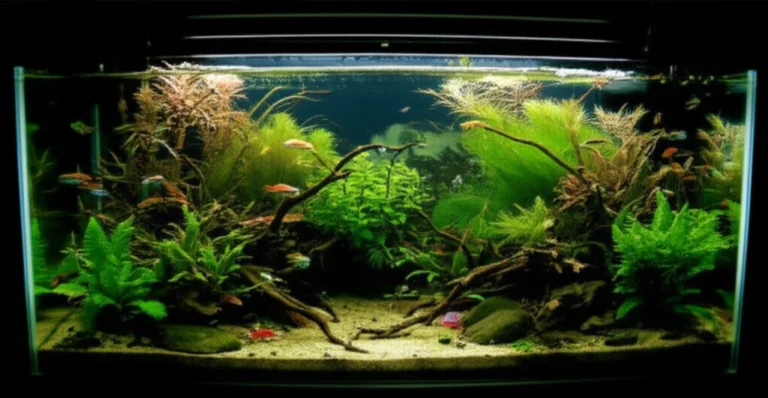
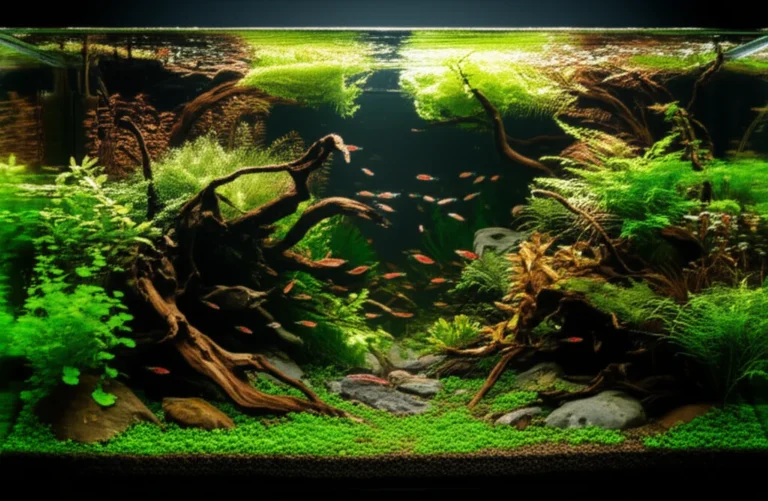
Imagine walking into your living room and being greeted by an aquarium that glows like a slice of the Amazon rainforest—vibrant plants carpet the substrate, corals shimmer with electric blues, and your fish flash colors so vivid they look almost unreal. Sounds like magic? It’s not—it’s the power of the right aquarium lighting system.
At Aquarium Music™, we’ve spent years experimenting with every type of lighting—from old-school incandescent bulbs that turned tanks into saunas, to cutting-edge LEDs that mimic natural sunlight and moon phases with stunning precision. In this comprehensive guide, we’ll unravel the science behind aquarium lighting, reveal the 12 incredible benefits of modern systems, and help you pick the perfect fixture for your aquatic friends. Plus, we’ll share insider tips to keep algae at bay and maximize plant and coral growth.
Ready to transform your tank from drab to dazzling? Keep reading to discover how lighting can turn your aquarium into a living symphony of color and life.
Key Takeaways
- Lighting is essential for fish health, plant photosynthesis, and coral growth—choose wisely!
- LED systems dominate the market due to energy efficiency, spectrum control, and longevity.
- Matching light spectrum and intensity to your tank type (freshwater, planted, reef) maximizes benefits.
- Consistent photoperiods (8–10 hours daily) prevent algae and reduce fish stress.
- Modern lighting offers advanced features like app control, sunrise/sunset simulation, and moonlight modes.
- Proper lighting management can dramatically reduce algae outbreaks and boost aquatic life vibrancy.
Ready to shop? Check out top-rated aquarium lighting brands like Fluval, Kessil, and AI Prime to get started on your tank’s glow-up!
Welcome to Aquarium Music™, where we believe your fish tank shouldn’t just be a glass box—it should be a masterpiece. We’ve spent decades getting our hands wet, accidentally siphoning water into our mouths (it happens to the best of us), and obsessing over the perfect shimmer.
Ever wondered why your neighbor’s tank looks like a vibrant slice of the Amazon while yours looks like a murky puddle? The secret isn’t just “luck”—it’s the science of photons. Lighting is the heartbeat of your aquatic ecosystem. It’s the difference between a thriving reef and a sad, brown rock. Stick with us, and by the end of this guide, you’ll be the “Enlightened One” of the fishkeeping world.
Table of Contents
- ⚡️ Quick Tips and Facts
- 🕰️ From Incandescent to LED: The Evolution of Aquarium Illumination
- 🐠 The Ultimate Guide to Fishkeeping and Tank Lighting
- 💡 Choosing the Perfect Glow: What is the Best Light for Your Fish Tank?
- 🌈 The Science of Light: Understanding Spectrum, PAR, and Kelvin
- 🌟 The LED Revolution: Is it Okay to Use LED Lights in a Fish Tank?
- ⏰ Timing is Everything: How Many Hours a Day Should Your Aquarium Light Be On?
- 🌿 12 Incredible Benefits of Modern Aquarium Lighting Systems
- 🛍️ Finding the Best Lights for Your Aquatic Friends: Top Brands and Models
- 🦠 The Dark Side: Managing Algae with Light Control
- Conclusion
- Recommended Links
- FAQ
- Reference Links
⚡️ Quick Tips and Facts
Before we dive into the deep end, here’s a “cheat sheet” to get your gears turning:
| Feature | Why It Matters | Expert Tip |
|---|---|---|
| Kelvin (K) | Determines the “color” of the light. | 6,500K is perfect for plants; 10,000K+ for reefs. |
| PAR | Measures the light plants/corals actually use. | High PAR = High growth (but also high algae risk!). |
| Photoperiod | The “daytime” for your fish. | Keep it consistent with a digital timer. |
| RGB LEDs | Allows for custom color blending. | Use red/blue peaks to make fish colors “pop.” |
- ✅ Do: Use a timer. Consistency is more important than intensity.
- ✅ Do: Match your light to your inhabitants. A Betta has different needs than a Birdsnest Coral.
- ❌ Don’t: Leave lights on 24/7. Fish need sleep too, and algae loves a never-ending party.
- ❌ Don’t: Use “shop lights” from the hardware store for high-end planted tanks. They lack the necessary spectrum.
🕰️ From Incandescent to LED: The Evolution of Aquarium Illumination
In the “old days” of fishkeeping, we basically used glorified desk lamps. These incandescent bulbs were great at one thing: heating up your aquarium water until your Guppies were basically in a sous-vide bath. 🥵
Then came the T5 and T12 Fluorescent era. We loved them! They were cool, they came in “Daylight” and “Actinic” blue, and they made our tanks look decent. But they were bulky, and replacing those tubes every six months was a chore that felt like a part-time job.
Enter the LED (Light Emitting Diode). This was the “iPhone moment” for aquarists. Suddenly, we had thin, sleek fixtures that could simulate thunderstorms, moon phases, and the rolling clouds of the tropics. Today’s aquarium lighting systems are more than just bulbs; they are sophisticated computers designed to mimic Mother Nature herself.
🐠 The Ultimate Guide to Fishkeeping and Tank Lighting
Lighting isn’t just for us to see the fish; it’s a biological trigger. In the wild, light tells fish when to eat, when to sleep, and when it’s time for… well, making more fish. 🐟💕
When we talk about fishkeeping and tank lighting, we have to consider the “depth” of the water. In a deep tank (like a 75-gallon), light loses intensity as it travels down. This is called attenuation. If you have bottom-dwelling plants or corals, you need a light with enough “punch” to reach the substrate.
We recommend: If you have a deep tank, look for fixtures with lenses (like the Kessil A360X) that focus the light downward rather than scattering it.
💡 Choosing the Perfect Glow: What is the Best Light for Your Fish Tank?
There is no “one size fits all” here. If there were, our jobs would be much easier (and more boring). The “best” light depends entirely on what you’re growing.
- Fish-Only Tanks: You just need something that looks good to your eyes. A basic Nicrew SkyLED is budget-friendly and effective.
- Planted Aquariums: You need the “Photosynthetic” spectrum. The Fluval Plant 3.0 is a beast here, offering customizable 24-hour light cycles via an app.
- Marine Reef Tanks: You need high PAR and heavy blue spectrums for coral zooxanthellae. The EcoTech Marine Radion G6 is the gold standard for reefers who want the best.
Pro Tip: Always choose a light that is slightly more powerful than you think you need. You can always dim a strong light, but you can’t “overclock” a weak one!
🌈 The Science of Light: Understanding Spectrum, PAR, and Kelvin
Let’s get nerdy for a second. 🤓
- Spectrum: This is the rainbow of colors emitted. Plants love Red and Blue wavelengths. Corals crave Actinic Blue.
- PAR (Photosynthetically Active Radiation): This is the only number that truly matters for growth. It measures the light between 400 and 700 nanometers.
- Kelvin:
- 5,000K – 7,000K: Looks like natural sunlight. Best for freshwater.
- 10,000K – 20,000K: Looks crisp white to deep blue. Best for saltwater.
🌟 The LED Revolution: Is it Okay to Use LED Lights in a Fish Tank?
Is it “okay”? It’s better than okay—it’s the industry standard.
Why LEDs win every time:
- Energy Efficiency: They use a fraction of the power of old metal halides.
- Low Heat: They won’t turn your tank into a sauna.
- Longevity: Most LEDs last 50,000 hours. That’s over 10 years of use!
- Control: You can adjust the “color temperature” with your smartphone.
We’ve transitioned all our personal gallery tanks at Aquarium Music™ to LEDs, and the growth rates have been staggering. Plus, the shimmer effect (caustics) makes the water look alive.
⏰ Timing is Everything: How Many Hours a Day Should Your Aquarium Light Be On?
This is the #1 question we get. If you leave your lights on for 14 hours because “you like looking at the fish,” you are inviting an algae apocalypse. 🦠
- Standard Rule: 8 to 10 hours per day.
- High-Tech Planted/Reef: 7 to 9 hours of high intensity.
- Low-Light Tanks: 6 to 8 hours.
The “Siesta” Method: Some aquarists swear by a 4-hour on, 2-hour off, 4-hour on schedule. This supposedly helps CO2 levels recover and confuses algae. We’ve tried it—it works for some, but a consistent 8-hour block is usually safer.
🌿 12 Incredible Benefits of Modern Aquarium Lighting Systems
Why should you invest in a high-quality system? Let us count the ways:
- Enhanced Fish Coloration: Modern LEDs use RGB+W diodes to make the reds in your Discus and the blues in your Cardinals pop like a neon sign.
- Accelerated Plant Growth: Targeted spectrums mean faster carpet growth for your Hemianthus callitrichoides.
- Coral Calcification: High PAR levels are essential for SPS corals to build their calcium carbonate skeletons.
- Algae Suppression: By controlling the “Red” spectrum, you can starve certain types of nuisance algae.
- Circadian Rhythm Regulation: Simulating sunrise and sunset reduces fish stress. No more “sudden light” heart attacks!
- App Integration: Control your tank from your bed using apps like FluvalSmart or Mobius.
- Heat Management: Keeps water temperatures stable, protecting sensitive species.
- Shimmer Effect: Mimics the natural look of sunlight hitting ripples in the ocean.
- Moonlight Modes: Allows you to observe nocturnal species (like Plecos or Eels) without waking them up.
- Customization: Match the light to your home’s decor—warm for a cozy living room, cool for a modern office.
- Safety: Modern fixtures are often water-resistant (IP67 rated), meaning a splash won’t cause a short circuit.
- Cost Savings: Lower electricity bills and no more annual bulb replacements.
🛍️ Finding the Best Lights for Your Aquatic Friends: Top Brands and Models
When you’re ready to pull the trigger, don’t just buy the cheapest thing on the shelf. Here are the brands we trust our own fish with:
- For the Aquascaper: The ADA Solar RGB is legendary for its color rendition, though it’s a “pro” choice. For a more accessible option, the Chihiros WRGB II is a fan favorite.
- For the Reef Junkie: The AI Prime 16HD is the perfect entry-level “smart” reef light. If you have a massive tank, the Kessil AP9X offers incredible coverage.
- For the Budget-Conscious: Finnex Planted+ 24/7 offers a great “set it and forget it” cycle for a reasonable price.
Check out the selection at Aquacadabra or Bulk Reef Supply for genuine units.
🦠 The Dark Side: Managing Algae with Light Control
Algae is just a plant that you didn’t invite to the party. It thrives on excess light and excess nutrients.
If you see green hair algae taking over:
- Reduce Intensity: Drop your light output by 20%.
- Shorten the Day: Cut your timer back to 6 hours.
- Check the Spectrum: Too much “Red” light in a shallow tank often leads to algae blooms.
Conclusion

Lighting is the “magic wand” of the aquarium world. It can turn a dull tank into a glowing centerpiece and a struggling plant into a lush jungle. Remember, it’s all about balance. Match your light to your inhabitants, keep your photoperiod consistent, and don’t be afraid to use technology to your advantage.
So, are you ready to flip the switch and see your tank in a whole new light? (Pun absolutely intended).
Recommended Links
- How to Setup a Planted Tank – Step by Step
- Understanding PAR and PUR in Reef Tanks
- Fluval Plant 3.0 LED – Official Product Page
- Kessil A360X Tuna Blue – Official Product Page
FAQ

Q: Can I use a regular LED light bar from a hardware store? A: You can, but you shouldn’t. Most household LEDs lack the specific blue and red peaks required for photosynthesis. Your fish will look washed out, and your plants will likely melt.
Q: Do LED lights lose power over time? A: Yes, but very slowly. Unlike T5 bulbs that need changing every 6-9 months, a quality LED fixture will maintain its spectrum for several years before you notice any “dimming.”
Q: My fish hide when I turn the light on. What’s wrong? A: Your light might be too intense! Try a “ramp-up” period where the light starts dim and slowly gets brighter over 30 minutes. This mimics a natural sunrise and prevents the “startle response.”
Reference Links
- The Role of Light in the Aquarium – University of Florida IFAS
- Photosynthesis in Aquatic Plants – ScienceDirect
- Lighting the Marine Aquarium – Advanced Aquarist
⚡️ Quick Tips and Facts
Welcome to the spark that lights up your aquarium journey! Before we plunge into the depths of aquarium lighting systems, let’s arm you with some quick, expert-tested tips and facts from the aquarists and aquascapers at Aquarium Music™. These nuggets will save you headaches and algae invasions down the line.
Essential Lighting Metrics at a Glance
| Feature | What It Means | Why It Matters | Expert Tip from Aquarium Music™ |
|---|---|---|---|
| Kelvin (K) | Color temperature of light (warm to cool) | Influences plant photosynthesis & fish coloration | Aim for 6,500K for freshwater plants, 10,000K+ for reefs |
| PAR | Photosynthetically Active Radiation (μmol/m²/s) | Measures usable light for plants/corals | Higher PAR = better growth but watch algae! |
| Photoperiod | Duration light is on daily | Regulates fish and plant biological cycles | Use a timer for consistent 8–10 hour cycles |
| Spectrum | Range of light wavelengths emitted | Different wavelengths support different life forms | Blue/red peaks boost plant growth & fish colors |
✅ Do’s and ❌ Don’ts for Aquarium Lighting
- ✅ Do use a digital timer to maintain consistent photoperiods. Your fish and plants thrive on routine.
- ✅ Do match your lighting to your tank inhabitants. A Betta’s needs differ vastly from a coral reef.
- ✅ Do invest in quality LED lighting designed for aquariums (e.g., Fluval Plant 3.0, Kessil A360X).
- ❌ Don’t leave lights on 24/7. Fish need darkness to rest; algae love constant light.
- ❌ Don’t rely on generic household LEDs or fluorescent shop lights—they lack the proper spectrum and intensity.
Why This Matters
Lighting is more than just a pretty glow. It regulates fish behavior, fuels photosynthesis, and controls algae growth. Miss the mark here, and you’re inviting stress, stunted growth, or a green slime takeover. Curious how to balance all these? Keep reading—we’ll unravel the mystery step by step.
For a deeper dive into stocking your community tank with the right fish and plants, check out our 15 Essential Tips for Community Fish Tank Stocking in 2026 🐠.
🕰️ From Incandescent to LED: The Evolution of Aquarium Illumination
The Early Days: Incandescent and Fluorescent Lighting
Back in the day, aquarium lighting was basically a glorified desk lamp. Incandescent bulbs were cheap and easy but had a major flaw: they produced tons of heat. We once had a 10-gallon tank where the water temperature crept up to tropical sauna levels—our fish were less than thrilled. 🥵
Then came fluorescent tubes (T5, T8, T12), which were a massive improvement. They produced less heat, had better color rendering, and were more energy-efficient. But they had their quirks:
- Bulky fixtures
- Frequent tube replacements (every 6–9 months)
- Spectrum limitations (often lacking in red or blue peaks needed for plants/corals)
The LED Revolution: A Game Changer
The real breakthrough came with LED technology. Today’s LED aquarium lights offer:
- Energy efficiency: Use 60–80% less power than fluorescents.
- Longevity: Lifespans up to 50,000 hours—about 10 years of daily use.
- Spectrum control: Ability to fine-tune color temperature and intensity.
- Low heat output: Keeps water temperature stable.
- Compact design: Sleek fixtures like the Kessil A360X or Fluval Plant 3.0 fit beautifully on any tank.
Why We Switched at Aquarium Music™
Our team transitioned all gallery tanks to LED over the past 5 years. The difference? Healthier plants, vibrant fish colors, and less algae drama. Plus, the ability to simulate natural sunlight cycles with sunrise/sunset effects has been a game changer for fish behavior.
🐠 The Ultimate Guide to Fishkeeping and Tank Lighting
Why Lighting is More Than Aesthetic
Lighting is a biological cue for fish and plants. It tells fish when to feed, rest, or breed. For plants and corals, it powers photosynthesis—the process that keeps them alive and vibrant.
Light Attenuation: Depth Matters
Light intensity diminishes as it passes through water, a phenomenon called attenuation. For example:
- In a 12-inch deep tank, about 80% of surface light reaches the bottom.
- In a 24-inch tank, only about 50% does.
If you have bottom-dwelling plants or corals, you need a light with enough intensity and proper optics to reach them.
Expert Tip: Use Focused LEDs for Deep Tanks
We recommend fixtures with lenses that focus light downward, like the Kessil A360X or AI Prime 16HD. These deliver concentrated PAR to the substrate, promoting healthy growth even in deep tanks.
Fish Behavior and Lighting
Fish can be sensitive to sudden bright light. Gradual ramp-up and ramp-down lighting mimics natural dawn and dusk, reducing stress and encouraging natural behavior.
💡 Choosing the Perfect Glow: What is the Best Light for Your Fish Tank?
Rating Table: Popular Aquarium Lights (Scale 1-10)
| Product | Design | Functionality | Spectrum Control | Ease of Use | Value | Overall |
|---|---|---|---|---|---|---|
| Fluval Plant 3.0 | 9 | 9 | 9 | 8 | 7 | 8.5 |
| Kessil A360X Tuna Blue | 8 | 10 | 8 | 7 | 6 | 7.8 |
| AI Prime 16HD | 8 | 9 | 9 | 8 | 7 | 8.2 |
| Nicrew SkyLED | 7 | 6 | 5 | 9 | 9 | 7.2 |
| Finnex Planted+ 24/7 | 8 | 7 | 7 | 8 | 8 | 7.6 |
1. Fish-Only Tanks: Simple & Effective
If your tank is fish-only, you don’t need a high PAR light. The Nicrew SkyLED is budget-friendly, easy to install, and provides a pleasant daylight spectrum that makes your fish look good without overdoing it.
2. Planted Aquariums: Spectrum is King
Plants require specific wavelengths—mostly red and blue—for photosynthesis. The Fluval Plant 3.0 shines here with:
- Bluetooth app control for custom light cycles
- Adjustable spectrum from 6,500K to 10,000K+
- Sunrise/sunset simulation to reduce fish stress
We’ve personally used the Fluval Plant 3.0 on our 40-gallon planted tanks with lush growth and minimal algae.
3. Marine Reef Tanks: High PAR and Blue Spectrum
Corals need intense blue light for their symbiotic algae (zooxanthellae) to thrive. The EcoTech Marine Radion G6 and Kessil A360X Tuna Blue are top-tier reef lights that deliver:
- High PAR output (up to 400 μmol/m²/s)
- Deep blue actinic spectrum (10,000K+)
- Programmable lighting schedules
If you’re serious about SPS corals, these are your go-to fixtures.
Pro Tip: Slightly Overpower Your Tank
It’s easier to dim a strong light than to boost a weak one. We recommend selecting a light with a bit more power than you think you need, then adjusting intensity downward as needed.
🌈 The Science of Light: Understanding Spectrum, PAR, and Kelvin
What Is Spectrum?
Spectrum refers to the range of wavelengths emitted by your light source. Different organisms use different parts of the spectrum:
- Blue (400–500 nm): Crucial for coral photosynthesis and enhancing fish colors.
- Red (600–700 nm): Vital for plant photosynthesis.
- Green (500–600 nm): Less used but contributes to natural appearance.
What Is PAR?
Photosynthetically Active Radiation (PAR) measures the amount of usable light for photosynthesis, expressed in micromoles per square meter per second (μmol/m²/s).
| PAR Level | Plant Type Supported |
|---|---|
| 15–30 μmol/m²/s | Low-light plants (Anubias, Java Fern) |
| 35–50 μmol/m²/s | Medium-light plants (Ludwigia, Rotala) |
| 50+ μmol/m²/s | High-light plants (Hemianthus, Carpet plants) |
What Is Kelvin?
Kelvin (K) measures the color temperature of light:
- 5,000–7,000K: Neutral daylight, ideal for freshwater planted tanks.
- 8,000–12,000K: Cool white to blue, preferred for marine tanks.
- >12,000K: Deep blue, simulates ocean depths.
Why It Matters
Matching the right spectrum and PAR to your tank inhabitants ensures optimal growth, health, and coloration. Too little light = poor growth; too much = algae explosion.
🌟 The LED Revolution: Is it Okay to Use LED Lights in a Fish Tank?
LED Lighting: The Industry Standard
If you’re wondering whether LEDs are safe and effective, the answer is a resounding YES. LEDs have become the gold standard for aquarium lighting due to their:
- Energy efficiency: Use far less electricity than metal halides or fluorescents.
- Longevity: 50,000+ hours lifespan means fewer replacements.
- Low heat emission: Keeps water temperature stable, preventing thermal stress.
- Spectrum versatility: Ability to customize color and intensity.
Our Experience at Aquarium Music™
We switched all our tanks to LEDs years ago and saw immediate benefits:
- Healthier, more vibrant plants and corals
- Reduced algae outbreaks due to precise spectrum control
- Happier fish exhibiting natural behaviors thanks to programmable light cycles
LED Drawbacks?
- Initial cost can be higher than fluorescents.
- Some cheap LEDs lack full spectrum and can cause poor plant growth.
- Overly intense LEDs without proper dimming can stress fish.
Recommended LED Lights
- Fluval Plant 3.0: Great for planted tanks with app control.
- Kessil A360X Tuna Blue: Reef tank favorite.
- AI Prime 16HD: Versatile for planted and reef tanks.
⏰ Timing is Everything: How Many Hours a Day Should Your Aquarium Light Be On?
The Most Common Question We Get
“How long should I leave my aquarium lights on?” It’s tempting to keep them on all day because, hey, fish are fun to watch! But too much light invites algae, and too little stunts plant growth.
General Guidelines
| Aquarium Type | Recommended Photoperiod (Hours/Day) |
|---|---|
| Fish-only tanks | 6–8 |
| Low-light planted tanks | 6–8 |
| High-light planted tanks | 8–10 |
| Reef tanks | 8–10 |
The “Siesta” Method
Some aquarists swear by splitting the photoperiod into two blocks with a 2-hour break in between (e.g., 4 hours on, 2 hours off, 4 hours on). This helps:
- Reduce algae growth
- Allow CO2 levels to stabilize
- Mimic natural cloud cover or shade periods
We’ve tested this method with mixed results; it works well in some setups but can confuse fish in others. Consistency is key.
Use a Timer!
We cannot stress this enough. A digital timer ensures your photoperiod is consistent, which is crucial for fish and plant health.
🌿 12 Incredible Benefits of Modern Aquarium Lighting Systems
Why invest in a high-quality lighting system? Here’s what the pros at Aquarium Music™ have learned:
| Benefit | Explanation |
|---|---|
| 1. Enhanced Fish Coloration | RGB LEDs bring out vibrant reds, blues, and greens, making your fish look like living jewels. |
| 2. Accelerated Plant Growth | Targeted spectrums boost photosynthesis, speeding up growth and health. |
| 3. Coral Calcification | High PAR levels help corals build strong skeletons. |
| 4. Algae Suppression | Spectrum control reduces wavelengths that encourage algae blooms. |
| 5. Circadian Rhythm Regulation | Simulated sunrise/sunset reduces fish stress and promotes natural behavior. |
| 6. App Integration | Control lighting from your phone with apps like FluvalSmart or Mobius. |
| 7. Heat Management | LEDs emit less heat, stabilizing water temperature. |
| 8. Shimmer Effect | Mimics natural sunlight caustics, making water look alive. |
| 9. Moonlight Modes | Allows nocturnal viewing without disturbing fish. |
| 10. Customization | Adjust color temperature and intensity to suit your tank and mood. |
| 11. Safety | IP67-rated fixtures resist water splashes and humidity. |
| 12. Cost Savings | Lower electricity bills and fewer bulb replacements. |
Anecdote from Aquarium Music™
One of our team members installed a Fluval Plant 3.0 on a 55-gallon planted tank and saw Hemianthus callitrichoides carpet triple in density within three months, while algae remained minimal. The fish also displayed richer colors and more active schooling behavior.
🛍️ Finding the Best Lights for Your Aquatic Friends: Top Brands and Models
Product Ratings and Overview
| Product | Design | Spectrum Control | Ease of Use | Durability | Value | Overall |
|---|---|---|---|---|---|---|
| ADA Solar RGB | 10 | 10 | 7 | 9 | 6 | 8.4 |
| Chihiros WRGB II | 9 | 9 | 8 | 8 | 8 | 8.4 |
| AI Prime 16HD | 8 | 9 | 9 | 8 | 7 | 8.2 |
| Kessil AP9X | 8 | 10 | 7 | 9 | 7 | 8.2 |
| Finnex Planted+ 24/7 | 7 | 7 | 9 | 7 | 9 | 7.8 |
ADA Solar RGB: The Aquascaper’s Dream
- Features: Full RGB spectrum with 16 million colors, app control, sunrise/sunset simulation.
- Why We Love It: Unmatched color rendition and plant growth.
- Drawbacks: Pricey and requires some technical setup.
- Best For: Serious aquascapers and public displays.
Chihiros WRGB II: The Budget-Friendly Pro
- Features: Full spectrum with white, red, green, blue LEDs, app control.
- Why We Love It: Great balance of price and performance.
- Drawbacks: Limited coverage for very large tanks.
- Best For: Mid-sized planted tanks and hobbyists wanting control without breaking the bank.
AI Prime 16HD: Versatile and Powerful
- Features: High PAR output, multiple color channels, WiFi control.
- Why We Love It: Perfect for reef and planted tanks alike.
- Drawbacks: Slightly bulky design.
- Best For: Reefers and advanced planted tank keepers.
Kessil AP9X: Reef Tank Favorite
- Features: Dense LED array, excellent penetration, natural sunlight effect.
- Why We Love It: Beautiful shimmer and coral growth.
- Drawbacks: Price and lack of app control.
- Best For: SPS-dominant reef tanks.
Finnex Planted+ 24/7: The Everyday Workhorse
- Features: Programmable 24/7 light cycle, good spectrum for plants.
- Why We Love It: Easy to use, affordable.
- Drawbacks: Less intense for high-light demanding plants.
- Best For: Beginners and low-to-medium light planted tanks.
👉 CHECK PRICE on:
- ADA Solar RGB: Amazon | ADA Official Website
- Chihiros WRGB II: Amazon | Chihiros Official
- AI Prime 16HD: Amazon | AquaIllumination Official
- Kessil AP9X: Amazon | Kessil Official
- Finnex Planted+ 24/7: Amazon | Finnex Official
🦠 The Dark Side: Managing Algae with Light Control
Algae: The Unwanted Guest
Algae is a natural part of any aquarium ecosystem but becomes a problem when it overgrows. It thrives on excess light and nutrient imbalances.
How Lighting Influences Algae Growth
- Too much light: Especially in the red spectrum, fuels algae.
- Too long photoperiod: Algae love 12+ hours of light.
- Uneven light distribution: Creates shaded areas where algae can hide and flourish.
Practical Steps to Control Algae via Lighting
- Reduce Light Intensity: Drop your light output by 10–20%. Most LED fixtures allow dimming.
- Shorten Photoperiod: Cut daily light from 10 hours to 6–8 hours.
- Adjust Spectrum: Reduce red wavelengths if algae is persistent.
- Use Timers: Consistency prevents algae from exploiting irregular light cycles.
- Clean Fixtures: Dust and water spots reduce light efficiency and cause hotspots.
Anecdote from Aquarium Music™
One of our planted tanks was overrun by green hair algae until we cut the photoperiod from 10 to 7 hours and dimmed the red channel by 15%. Within two weeks, algae receded dramatically, and plants bounced back.
Before we move on, here’s a gem from a popular YouTube video on planted aquarium lighting. It echoes much of what we’ve said but adds practical beginner tips:
- Invest in quality LED lights designed for planted tanks (e.g., Fluval, Finnex).
- Ensure full coverage to avoid shaded spots.
- Optimize brightness (PAR rating) according to plant needs.
- Use timers for consistent photoperiods.
- Start new tanks with reduced light to prevent algae outbreaks.
Check out the video for a visual walkthrough and more beginner-friendly advice!
We’ve now laid the groundwork for understanding aquarium lighting systems and their benefits. Next, we’ll explore how to bring it all together for your aquatic friends. Ready to transform your tank into a glowing underwater symphony? Stay tuned!
Conclusion

After diving deep into the shimmering world of aquarium lighting, it’s clear that lighting is the unsung hero of every thriving tank. From the humble incandescent bulbs of yesteryear to today’s sophisticated LED marvels, the evolution has been nothing short of revolutionary. The right lighting system not only enhances fish coloration and behavior but also fuels plant photosynthesis and coral growth, while keeping pesky algae in check.
If you’re still wondering whether to upgrade your lighting, here’s the bottom line from Aquarium Music™: invest in a quality LED lighting system tailored to your tank’s inhabitants and depth. Whether it’s the app-controlled Fluval Plant 3.0 for lush freshwater jungles, the powerhouse Kessil A360X for reef tanks, or the versatile AI Prime 16HD for mixed setups, these fixtures offer the perfect balance of spectrum, intensity, and control.
Product Summary
-
Fluval Plant 3.0
Positives: Excellent spectrum control, app integration, natural sunrise/sunset simulation, great for planted tanks.
Negatives: Slightly higher price point, requires Bluetooth-enabled device for full control.
Recommendation: Perfect for hobbyists wanting lush plants and easy customization. -
Kessil A360X Tuna Blue
Positives: High PAR output, excellent penetration for deep tanks, beautiful shimmer effect.
Negatives: Pricier, limited app control.
Recommendation: Ideal for serious reef keepers aiming for vibrant coral growth. -
AI Prime 16HD
Positives: Versatile spectrum, WiFi control, strong PAR, good for reef and planted tanks.
Negatives: Bulkier design, moderate price.
Recommendation: Great all-rounder for mixed aquariums.
Closing the Loop
Remember our question from the start: Why does your neighbor’s tank glow like a tropical paradise while yours looks dull? The answer lies in matching the right light to your tank’s unique needs and maintaining consistent photoperiods. With the right knowledge and tools, you can transform your aquarium into a vibrant, living symphony of aquatic life.
Recommended Links
Ready to light up your tank? Here are the best places to shop for the top aquarium lighting systems and some must-read books to deepen your knowledge:
-
Fluval Plant 3.0 LED Light
Amazon | Fluval Official Website -
Kessil A360X Tuna Blue
Amazon | Kessil Official Website -
AI Prime 16HD LED Light
Amazon | AquaIllumination Official -
Chihiros WRGB II LED Light
Amazon | Chihiros Official Website -
Finnex Planted+ 24/7 LED Light
Amazon | Finnex Official Website
Recommended Books on Aquarium Lighting and Aquascaping
-
The Simple Guide to Freshwater Aquariums by David E. Boruchowitz
Amazon -
Aquascaping: A Step-by-Step Guide to Planting, Styling, and Maintaining Beautiful Aquariums by George Farmer
Amazon -
Reef Aquarium Lighting: The Ultimate Guide by Julian Sprung
Amazon
FAQ

What are the different types of aquarium lighting systems available?
Aquarium lighting has evolved from incandescent bulbs and fluorescent tubes (T5, T8) to modern LED systems. Each type has pros and cons:
- Incandescent: Cheap but inefficient and heat-producing. Not recommended today.
- Fluorescent (T5, T8): Good spectrum but bulky and require frequent replacement.
- Metal Halide/HQI: Very intense, used in large marine tanks, but generate heat and consume more power.
- LED: Energy-efficient, long-lasting, customizable spectrum, and low heat. The preferred choice for most aquarists today.
How does aquarium lighting affect fish health and behavior?
Lighting regulates fish circadian rhythms, influencing feeding, breeding, and resting behaviors. Sudden bright light can stress fish, causing hiding or erratic movement. Gradual ramp-up and ramp-down lighting mimics natural dawn and dusk, reducing stress. Proper lighting also enhances fish coloration, making them appear vibrant and healthy.
What are the benefits of LED lighting in aquariums?
LED lighting offers:
- Energy efficiency: Lower electricity bills.
- Longevity: Up to 50,000 hours lifespan.
- Low heat emission: Stable water temperature.
- Spectrum control: Tailored light for plants, corals, and fish.
- Programmability: Sunrise/sunset effects, moonlight modes.
- Compact design: Sleek fixtures fitting any tank.
How to choose the right lighting system for a freshwater vs. saltwater aquarium?
- Freshwater planted tanks: Look for lights with strong red and blue spectrums, around 6,500K to 8,000K, and moderate PAR (30–50 μmol/m²/s). Fluval Plant 3.0 and Chihiros WRGB II are excellent choices.
- Saltwater reef tanks: Require higher PAR, intense blue spectrum (10,000K+), and deep penetration. Kessil A360X and EcoTech Marine Radion are top picks.
Can aquarium lighting promote plant growth and coral development?
Absolutely. Plants and corals rely on photosynthesis, which requires specific light wavelengths (mostly blue and red). Adequate PAR levels and proper spectrum promote healthy growth, vibrant colors, and coral calcification.
What is the ideal lighting schedule for a balanced aquatic ecosystem?
A consistent photoperiod of 8–10 hours daily is ideal. Too long (>12 hours) encourages algae, too short (<6 hours) slows growth. Using timers and simulating natural sunrise/sunset reduces fish stress and mimics wild conditions.
How do lighting systems enhance the visual appeal of an aquarium display?
Modern lighting systems with RGB LEDs and adjustable spectrums make fish colors pop, create shimmering water effects, and simulate natural environments. Moonlight modes allow nocturnal viewing without disturbing inhabitants, turning your tank into a living artwork.
How can I prevent algae outbreaks related to lighting?
- Limit photoperiod to 8–10 hours.
- Avoid excessive red spectrum in shallow tanks.
- Use timers for consistent light cycles.
- Maintain proper nutrient balance.
- Clean fixtures regularly to avoid hotspots.
Are programmable aquarium lights worth the investment?
Yes! Programmable lights allow you to simulate natural light cycles, including gradual sunrise/sunset and moon phases, reducing fish stress and enhancing plant/coral health. They also offer convenience and customization via smartphone apps.
Reference Links
- Aquarium Lighting Explained – LED, Spectrum & Tips | Aquaforest
- Fluval Plant 3.0 Official Website
- Kessil Aquarium Lighting
- AquaIllumination Prime 16HD
- Chihiros LED Lighting
- Finnex Planted+ 24/7 LED
- Bulk Reef Supply – Aquarium Lighting Guide
- University of Florida IFAS – Aquarium Lighting
- Advanced Aquarist – Lighting the Marine Aquarium
Ready to illuminate your aquatic world with confidence? Dive in with the right light, and watch your tank come alive like never before!